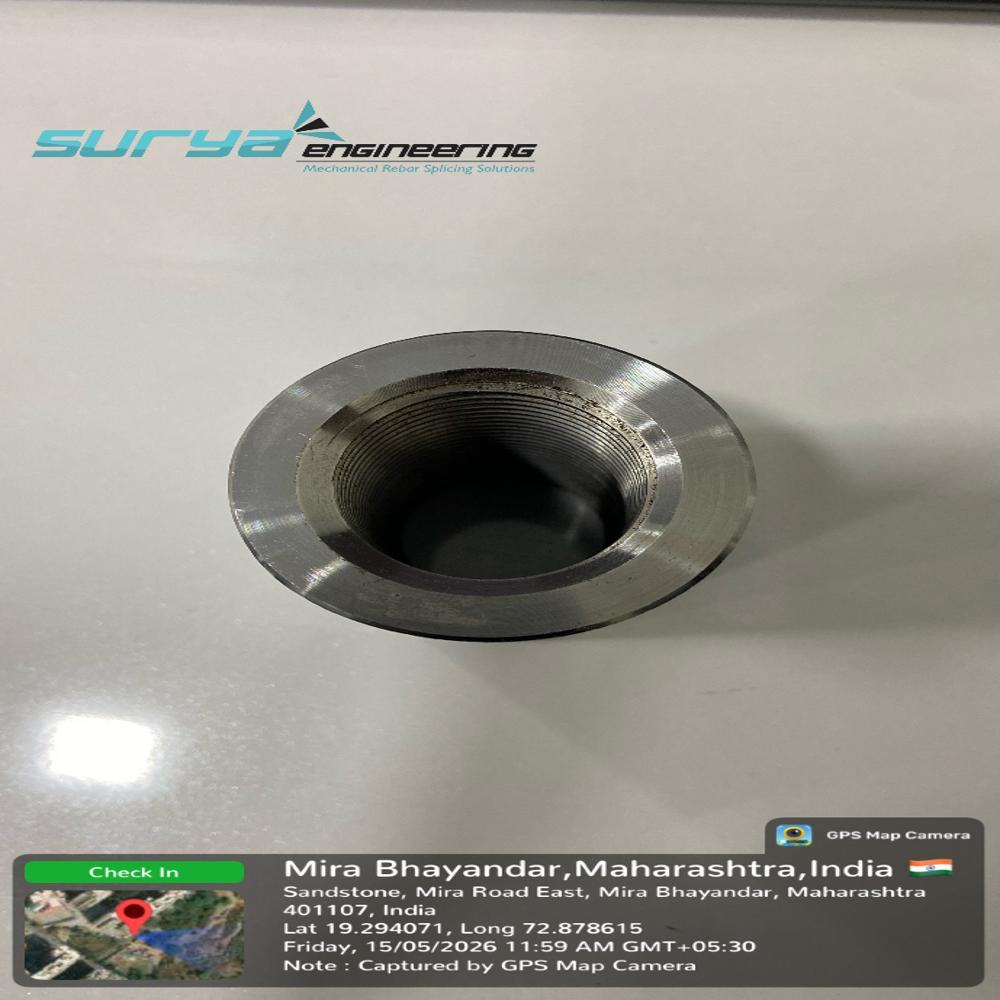
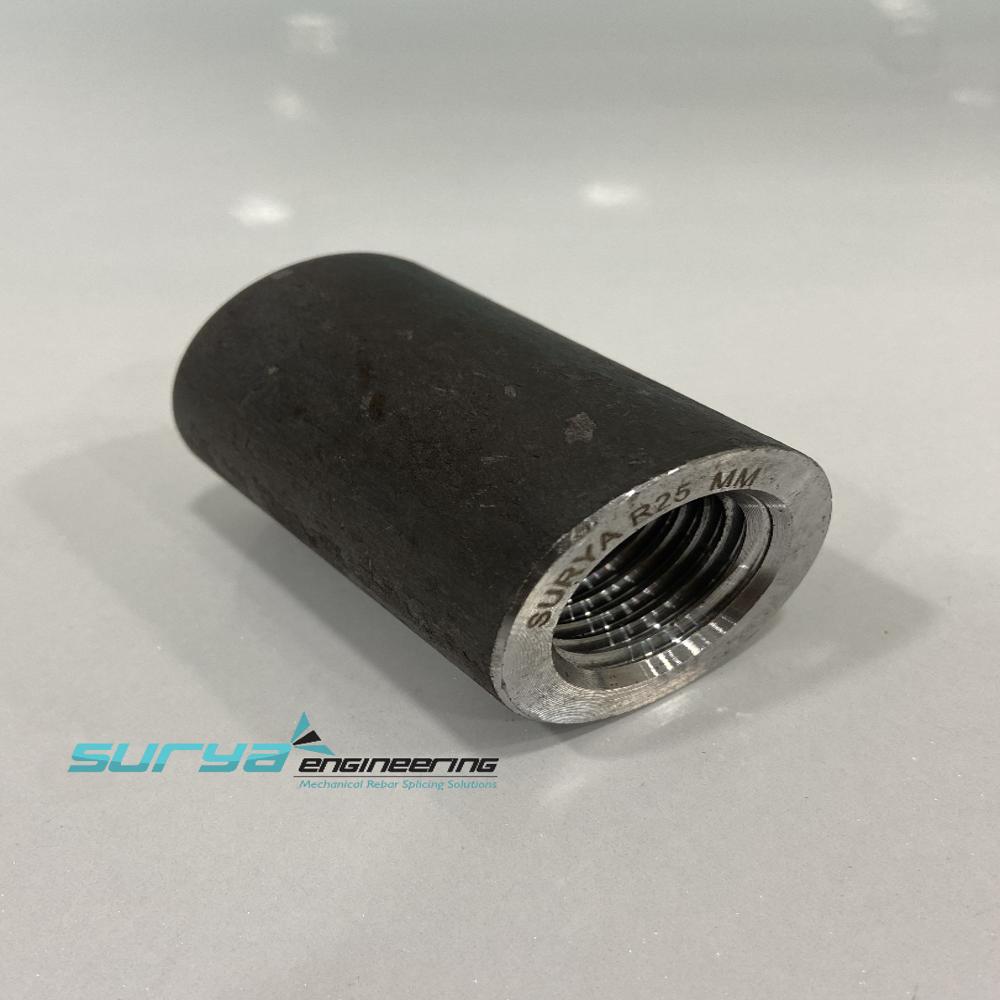
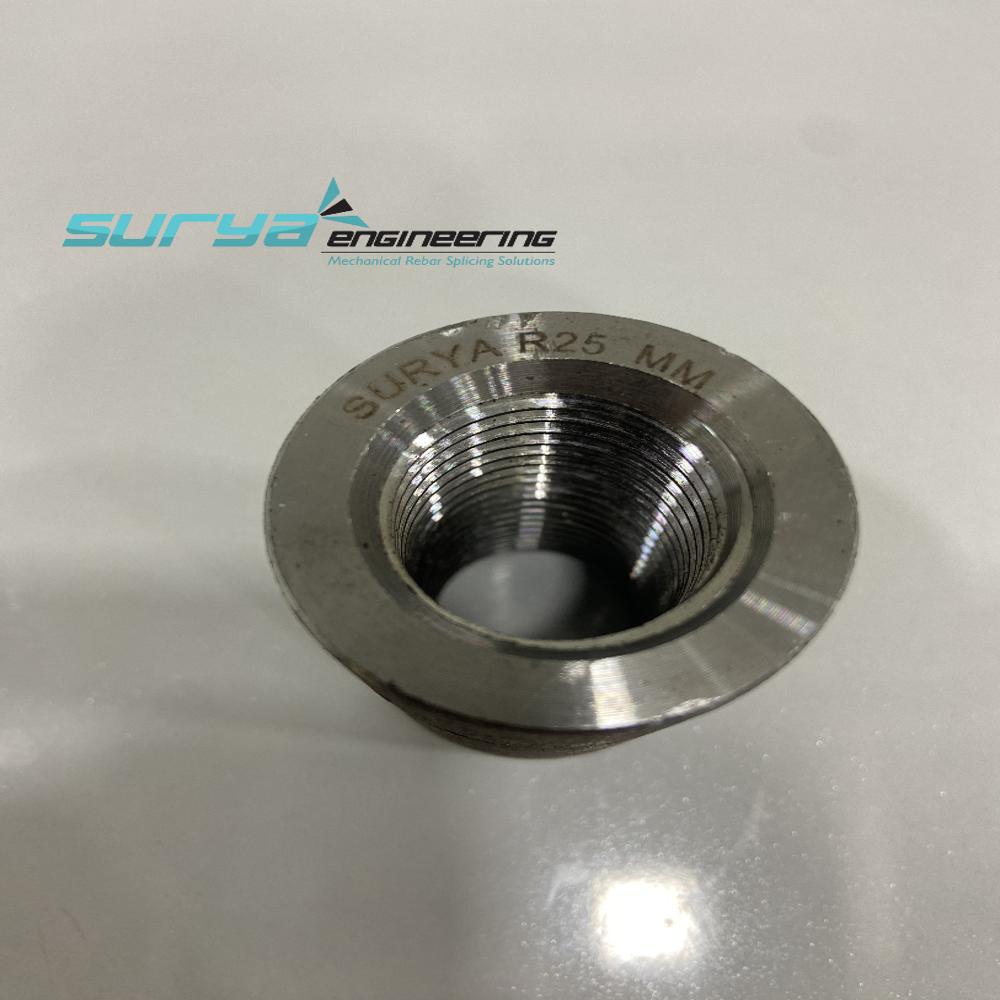
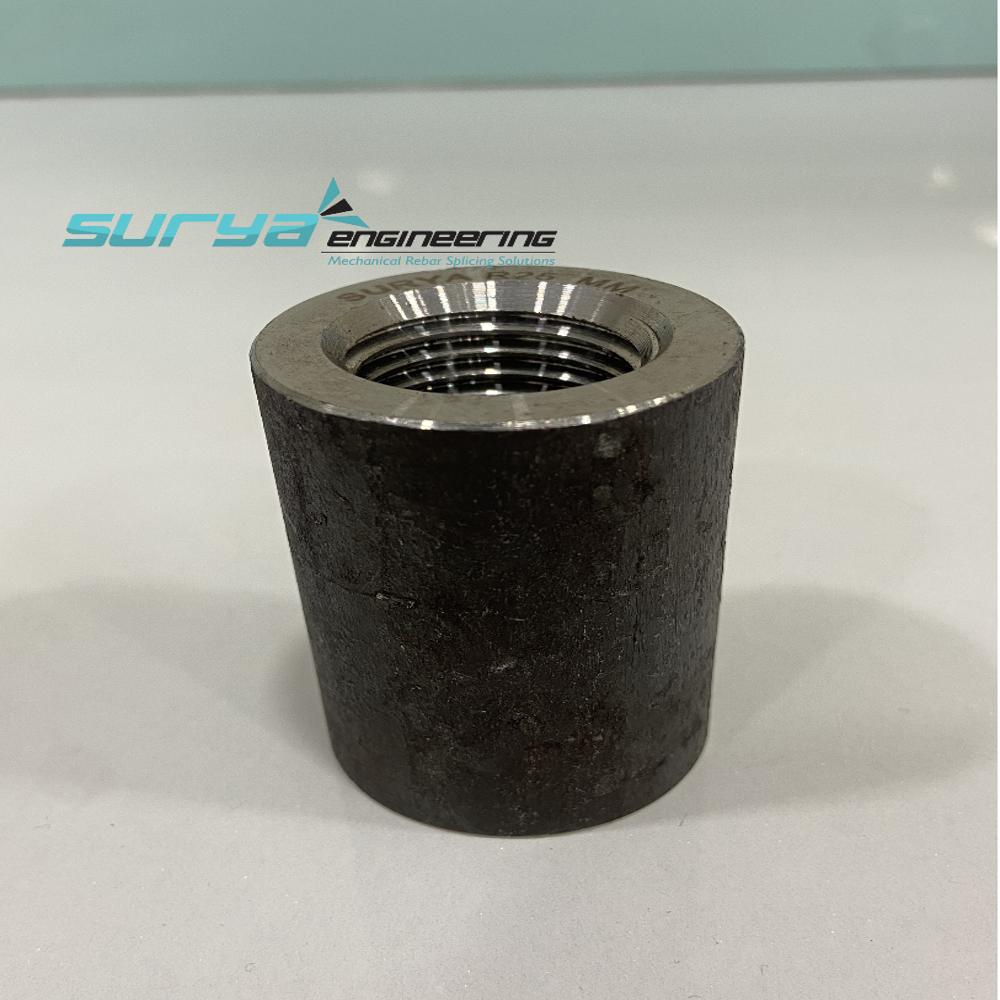
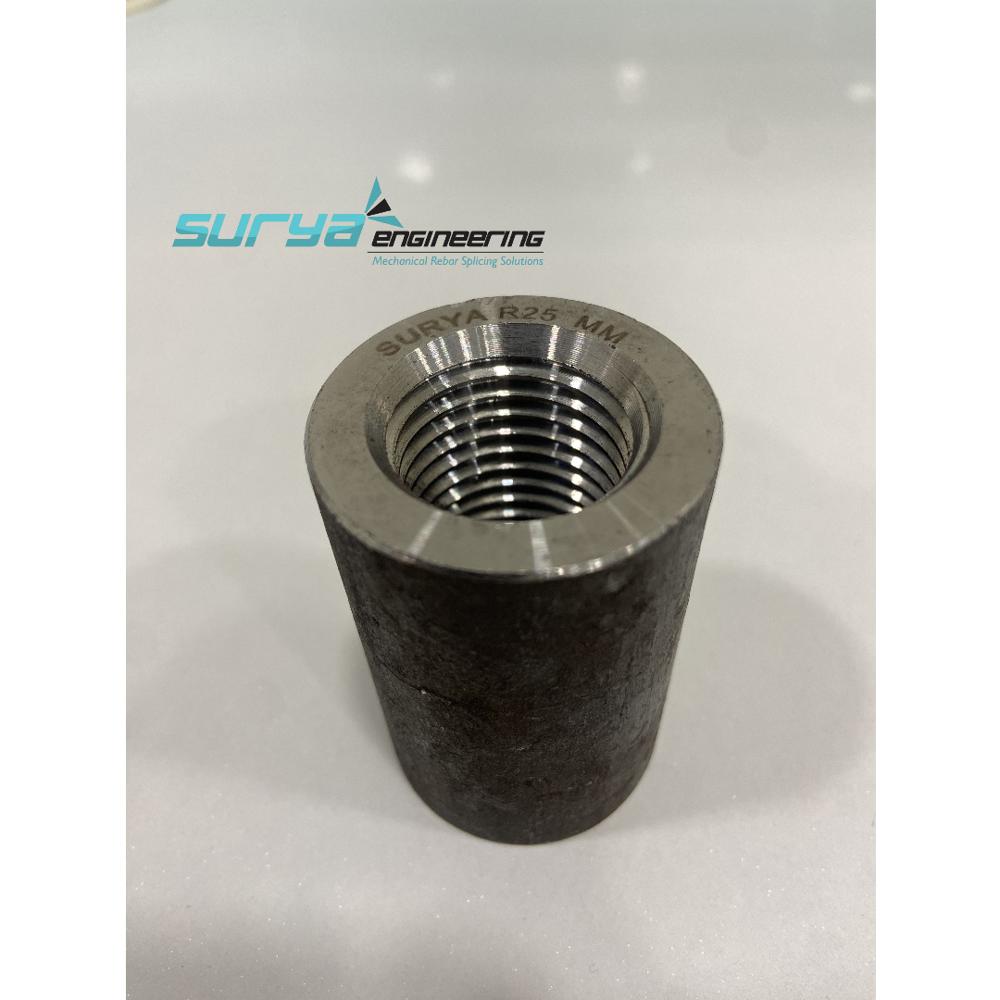
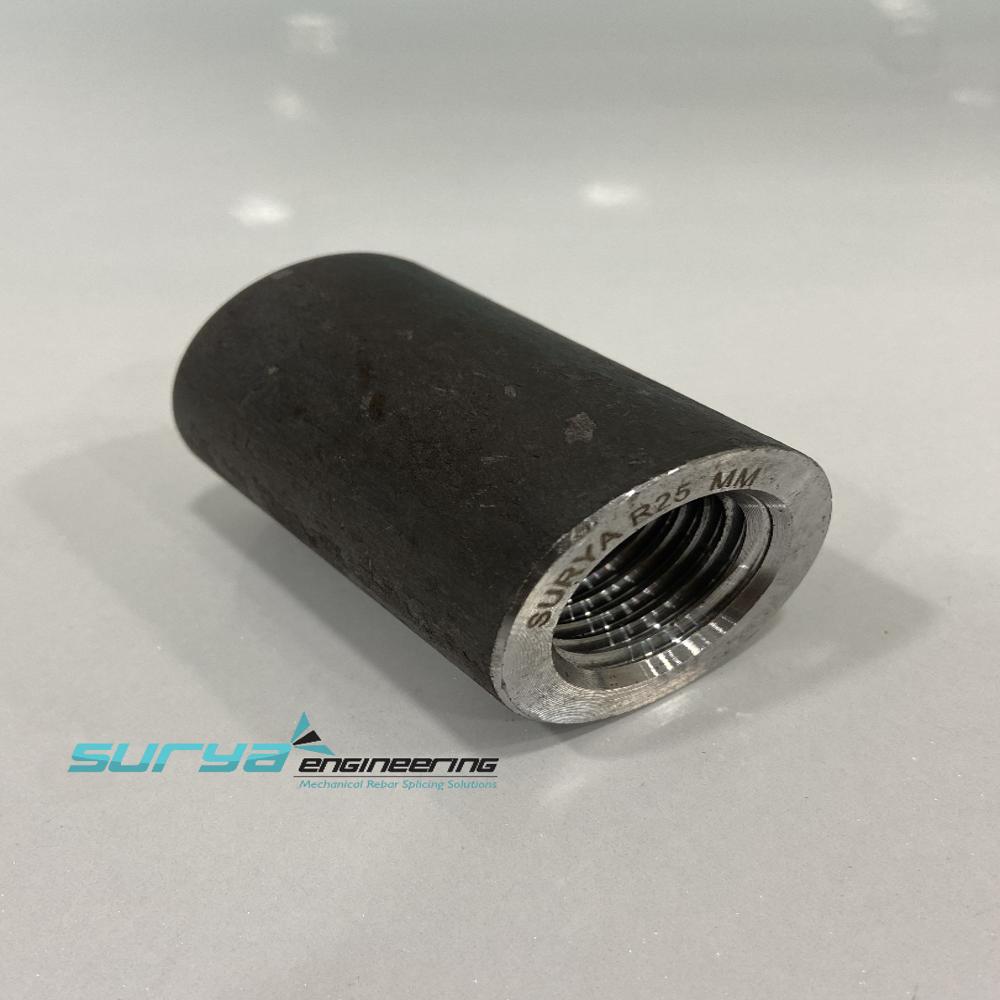
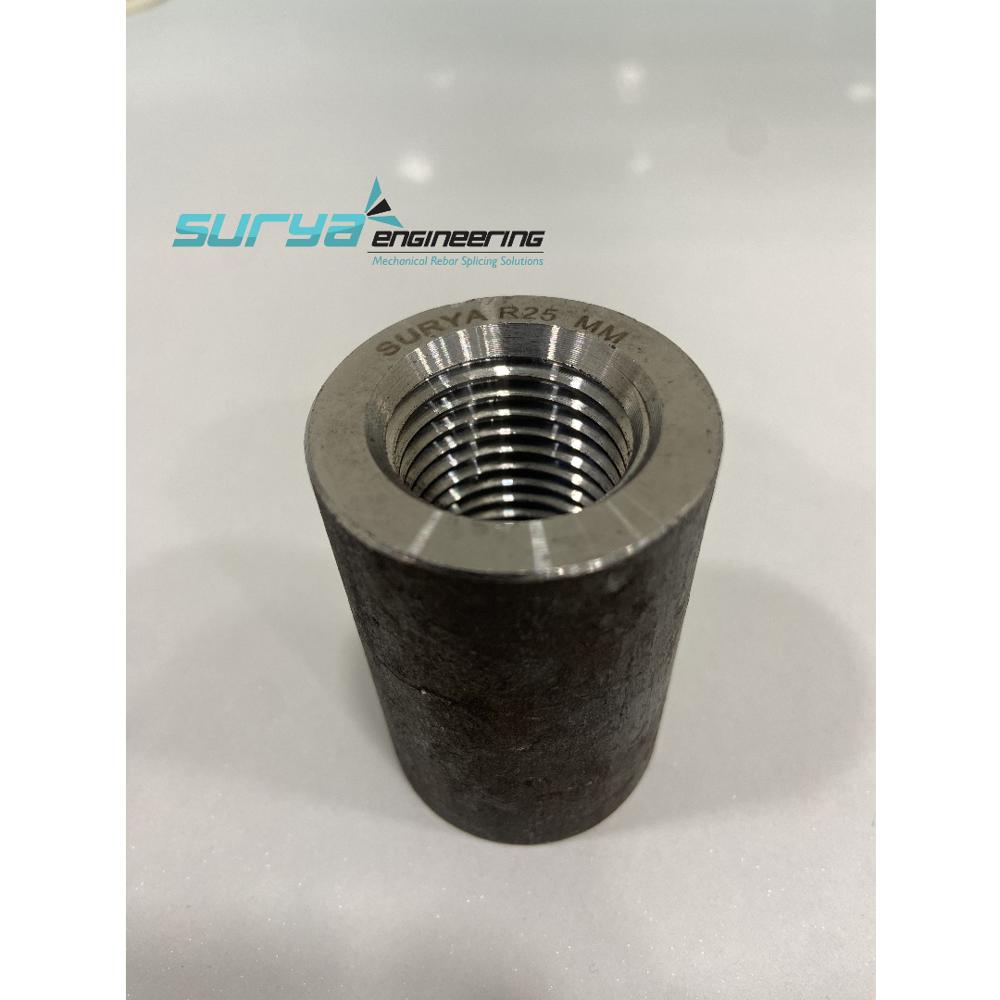
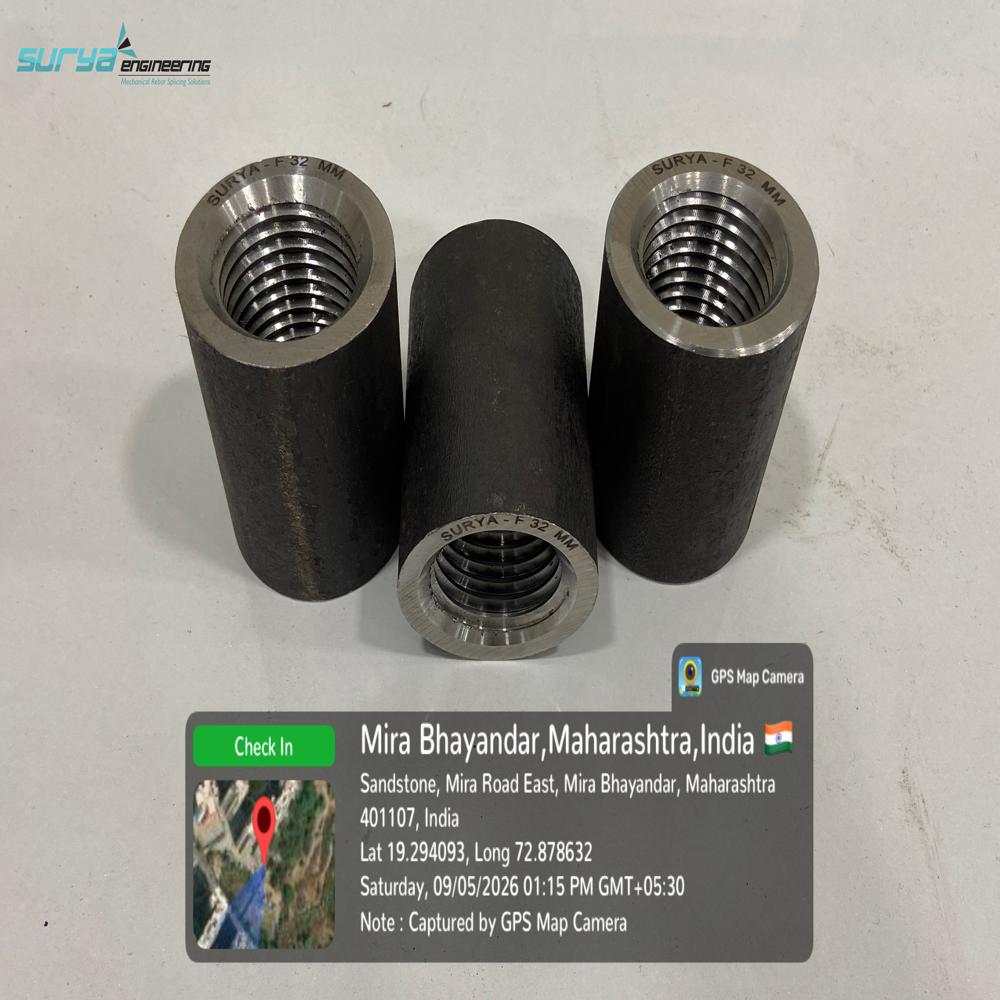
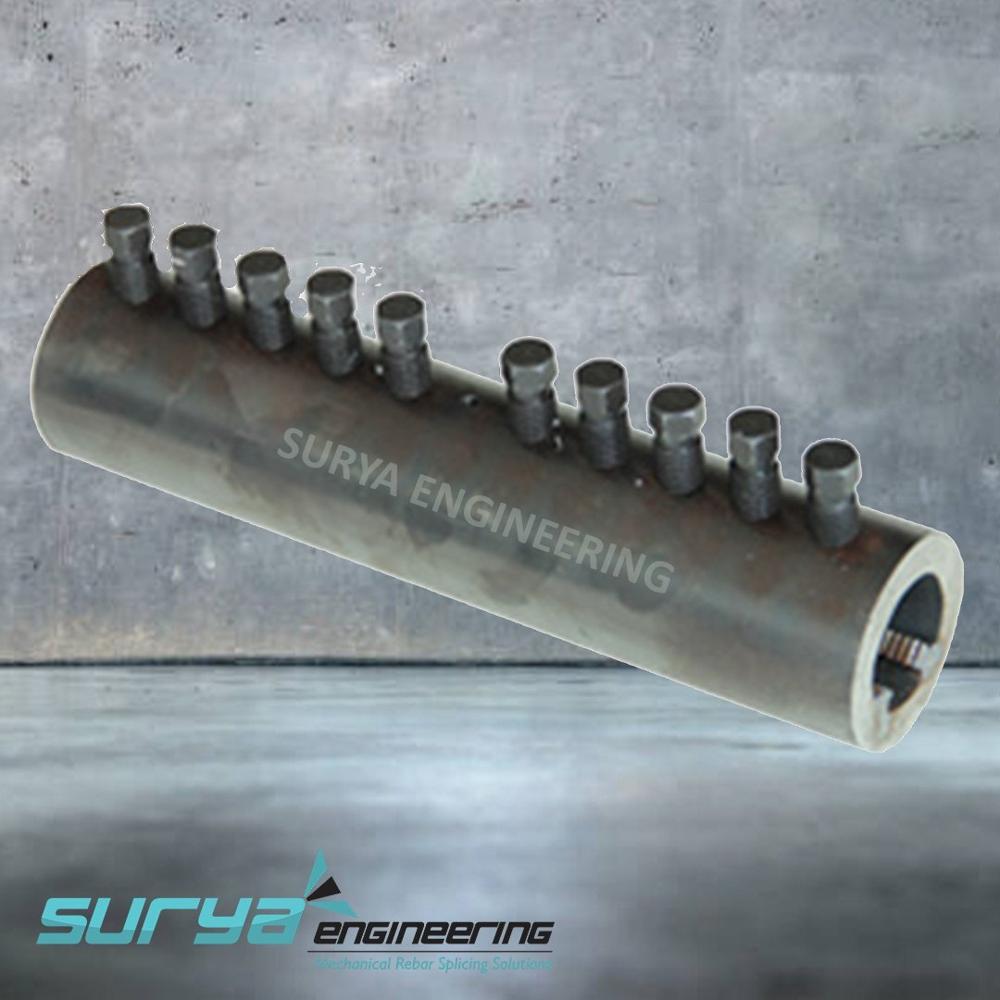
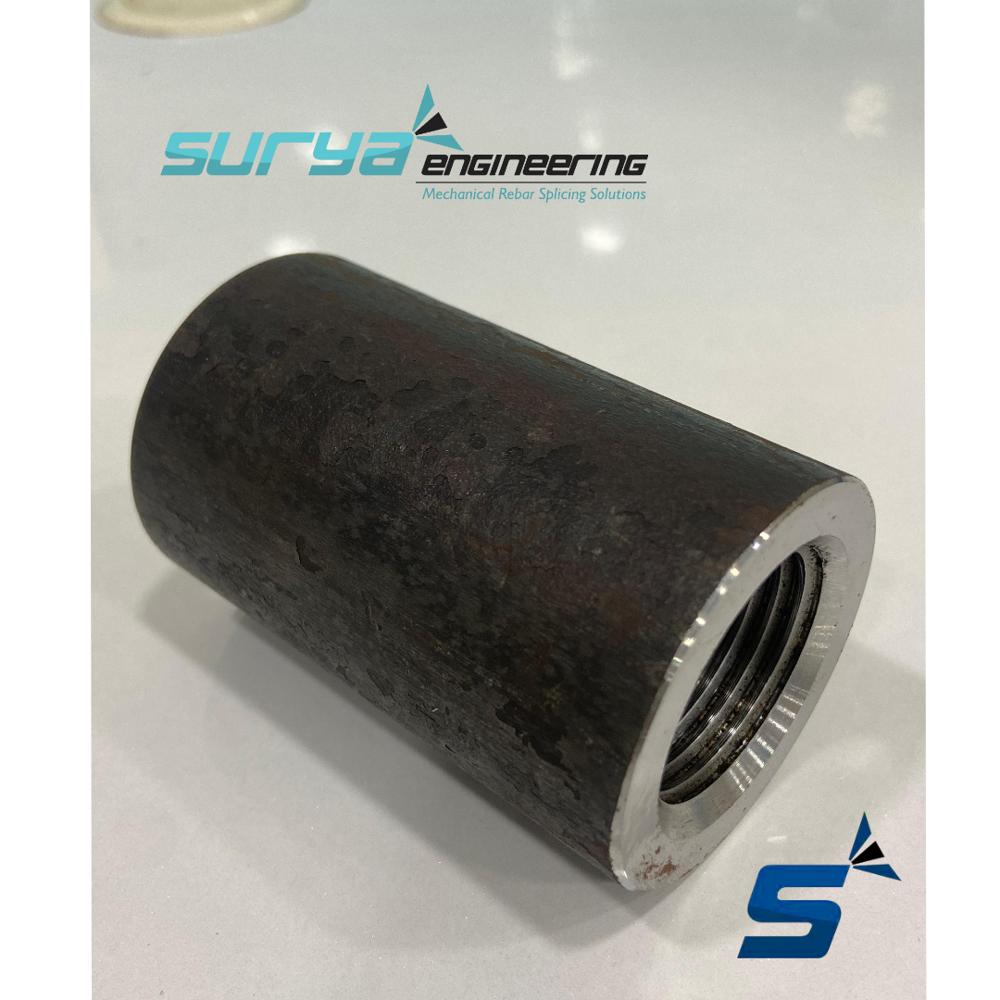
What is a Rebar Coupler?
A Rebar Coupler is a mechanical connector used to join two reinforcing steel bars (rebars) end-to-end in reinforced concrete structures. It serves as an alternative to traditional lap splicing, providing a stronger, more reliable, and space-efficient connection between rebars.
Rebar couplers are widely used in high-rise buildings, bridges, tunnels, metros, dams, industrial projects, and infrastructure developments where structural integrity and load transfer are critical.
Why is a Rebar Coupler Used?
- Ensures continuous load transfer between reinforcement bars.
- Eliminates the need for long lap lengths.
- Reduces steel consumption and material wastage.
- Improves construction speed and productivity.
- Minimizes reinforcement congestion in heavily reinforced areas.
- Provides superior seismic performance.
- Enhances structural strength and durability.
Classification of Rebar Couplers
1. Threaded Rebar Coupler
- Most commonly used type.
- Rebars are threaded and connected using a threaded coupler.
- Suitable for high-strength applications.
2. Parallel Thread Coupler
- Uses parallel threads on rebars.
- Offers precise and strong connections.
- Common in infrastructure and commercial projects.
3. Taper Thread Coupler
- Uses tapered threads for locking action.
- Suitable for heavy-duty structural applications.
4. Position Coupler
- Designed for situations where neither rebar can be rotated.
- Ideal for repair and retrofit projects.
5. Transition Coupler
- Connects rebars of different diameters.
- Frequently used in structural transitions.
6. Weldable Coupler
- One end welded to steel structure.
- Other end connected to reinforcement bar.
Applications of Rebar Couplers
- High-rise residential towers
- Commercial buildings
- Bridges and flyovers
- Metro rail projects
- Tunnels
- Dams and hydropower projects
- Industrial plants
- Nuclear power facilities
- Airports and ports
- Infrastructure development projects
Installation Process
Step 1: Rebar Preparation
Cut the reinforcement bar to the required length.
Step 2: Threading
Create threads on the rebar ends using a threading machine.
Step 3: Cleaning
Remove dust, oil, rust, and debris from threads.
Step 4: Coupler Assembly
Screw the coupler onto one threaded rebar.
Step 5: Connection
Align and tighten the second rebar into the coupler.
Step 6: Inspection
Check alignment, torque, and thread engagement.
Step 7: Testing
Conduct tensile and quality tests according to project specifications.
Testing Standards
In India, rebar couplers are generally tested according to:
- Bureau of Indian Standards standards
- IS 16172: Mechanical Splicing of Reinforcing Bars
- IS 1786: High Strength Deformed Steel Bars and Wires
- Project-specific specifications
- International standards such as:
- ISO Standards
- ASTM Standards
- ACI Guidelines
- BS Standards
Common Tests
- Tensile Strength Test
- Slip Test
- Fatigue Test
- Cyclic Load Test
- Seismic Performance Test
- Dimensional Inspection
- Thread Accuracy Test
Advantages of Rebar Couplers
Structural Benefits
- Full-strength bar connection
- Better load transfer
- Improved seismic resistance
- Enhanced structural reliability
Economic Benefits
- Reduced steel consumption
- Lower labor costs
- Faster installation
- Reduced project timelines
Construction Benefits
- Less reinforcement congestion
- Easier concrete placement
- Improved worksite safety
- Better quality control
Environmental Benefits
- Reduced steel wastage
- Lower carbon footprint
- Sustainable construction practices
Rebar Coupler vs Lap Splicing
| Feature |
Rebar Coupler |
Lap Splice |
| Steel Consumption |
Low |
High |
| Congestion |
Minimal |
High |
| Strength |
High |
Moderate |
| Installation Speed |
Fast |
Slower |
| Concrete Placement |
Easier |
Difficult |
| Material Wastage |
Low |
High |
| Seismic Performance |
Excellent |
Limited |
Rebar Couplers by Surya Engineering
As a leading manufacturer in Mumbai, India, Surya Engineering offers precision-engineered rebar couplers designed for superior performance in demanding construction environments. Manufactured using high-grade steel and advanced machining technology, Surya Engineering rebar couplers provide reliable mechanical splicing solutions for infrastructure, commercial, industrial, and residential projects across India.
Rebar Coupler Manufacturer India, Rebar Coupler Mumbai, Mechanical Rebar Coupler, Reinforcement Bar Coupler, TMT Bar Coupler, Threaded Rebar Coupler, Parallel Thread Coupler, Rebar Splicing Solution, Construction Coupler Manufacturer, Rebar Coupler Supplier India.
FAQ's of Roll Thread Rebar Coupler:
Q: How is the Roll Thread Rebar Coupler installed?
A: The coupler features an easy screw-type installation, allowing for quick and efficient mechanical splicing of rebars, providing a secure and reliable connection.
Q: What sizes and threads does this coupler accommodate?
A: It is compatible with rebar sizes from 1/2 inch up to 32 mm, with a thread size of 36 and a thread pitch of 4, supporting up to twelve rebar threads in each connection.
Q: When should I use this coupler in construction?
A: This coupler is ideal for structural, gas, hydraulic, chemical fertilizer, and pneumatic piping projects-anywhere robust mechanical splicing is required in new builds or renovations.
Q: Where does the product ship from and is nationwide delivery available?
A: The coupler is manufactured and distributed within India, with shipping available across all key domestic markets to ensure timely delivery to your site.
Q: What are the benefits of the black oxide finish and corrosion resistance?
A: The black oxide finish and corrosion resistance provide enhanced durability, protecting the coupler from environmental damage and ensuring long-term performance.
Q: What is included in the packaging?
A: Each order is securely packaged in boxes, ensuring the Roll Thread Rebar Couplers are protected during transportation and arrive ready for installation.