
Talk to us
08045811615
Talk to us
08045811615
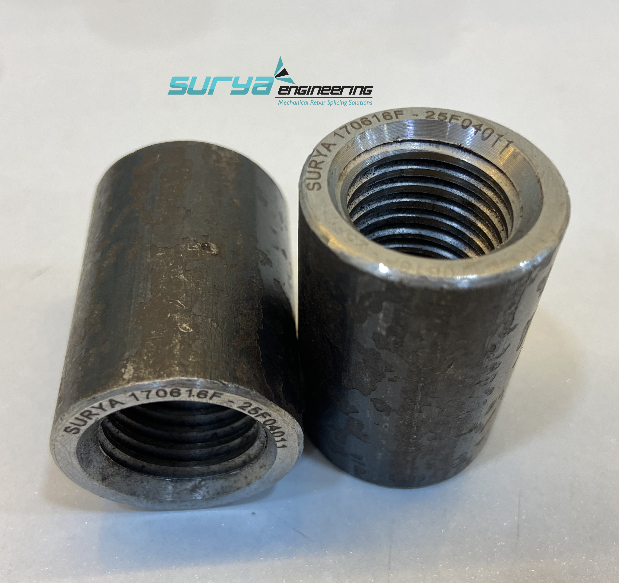
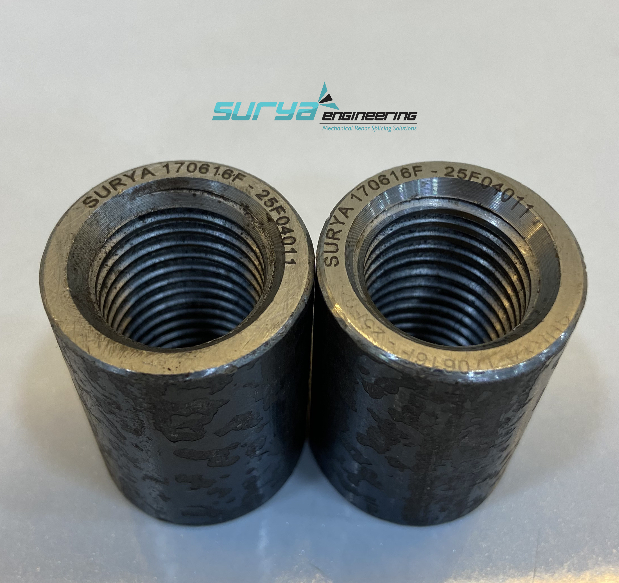
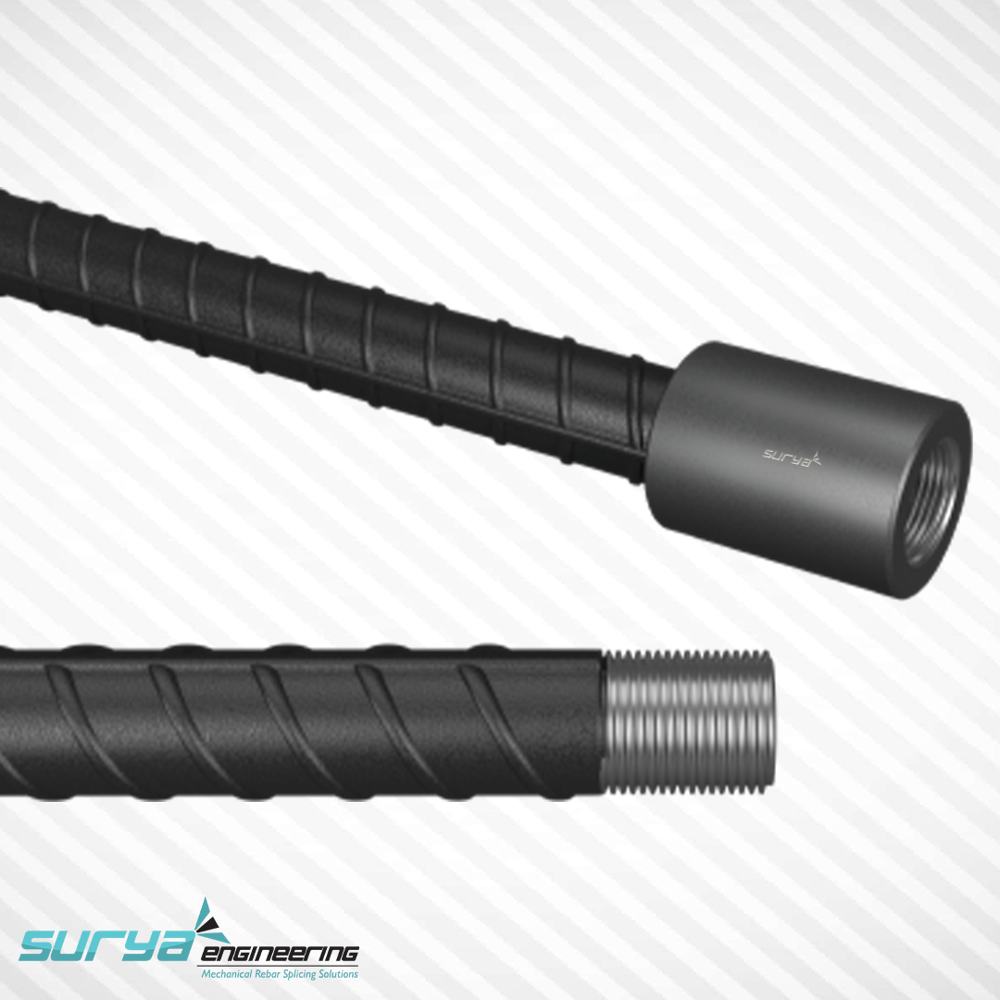
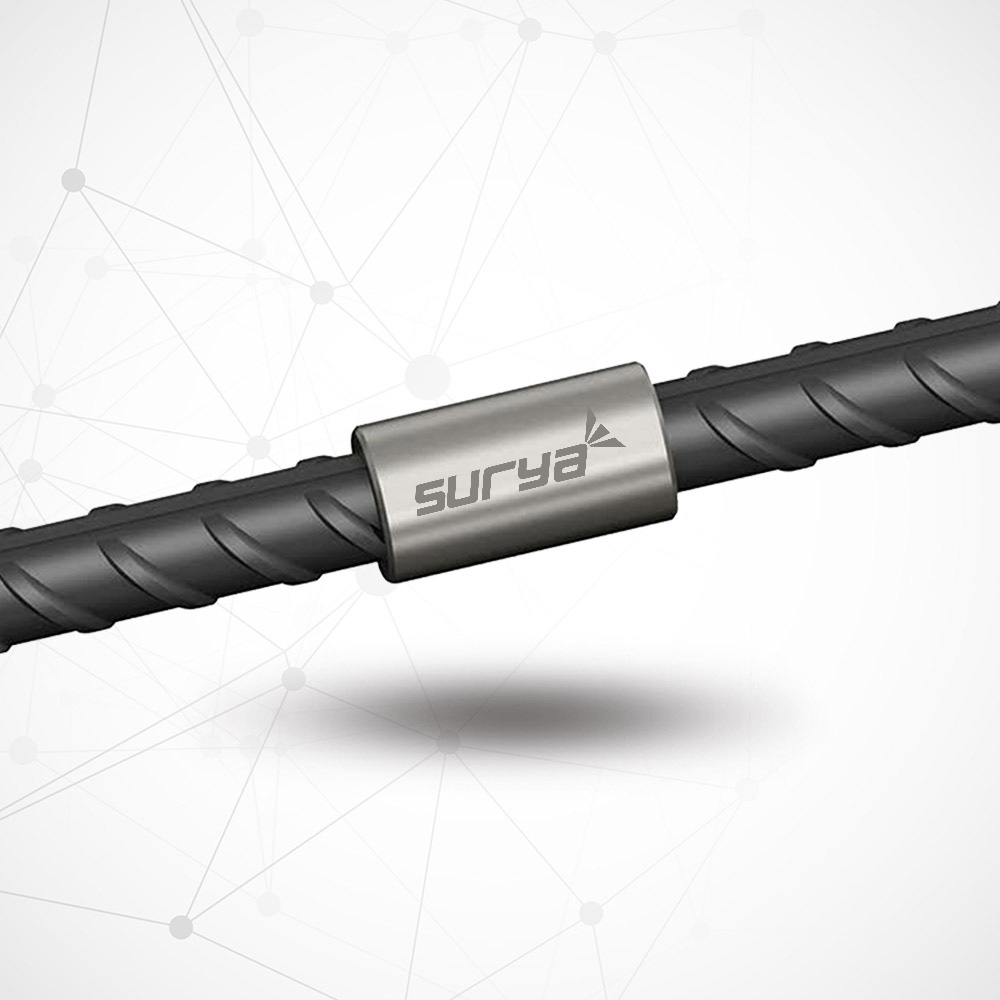
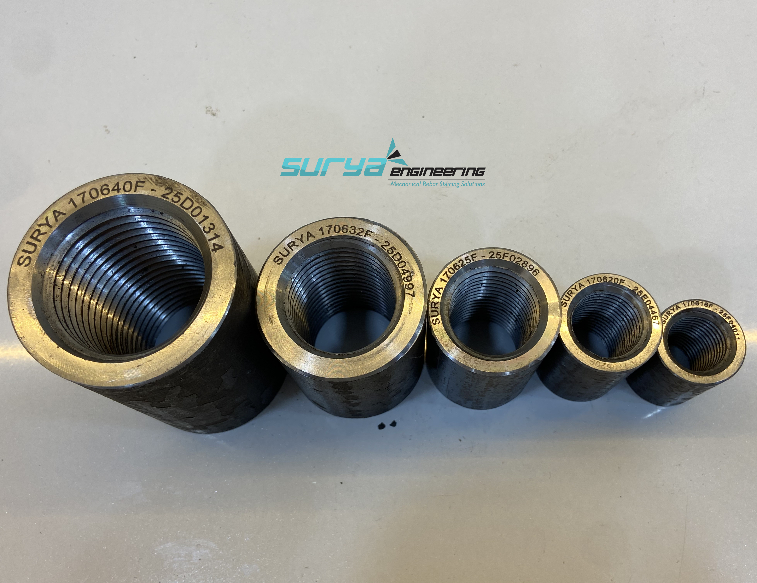
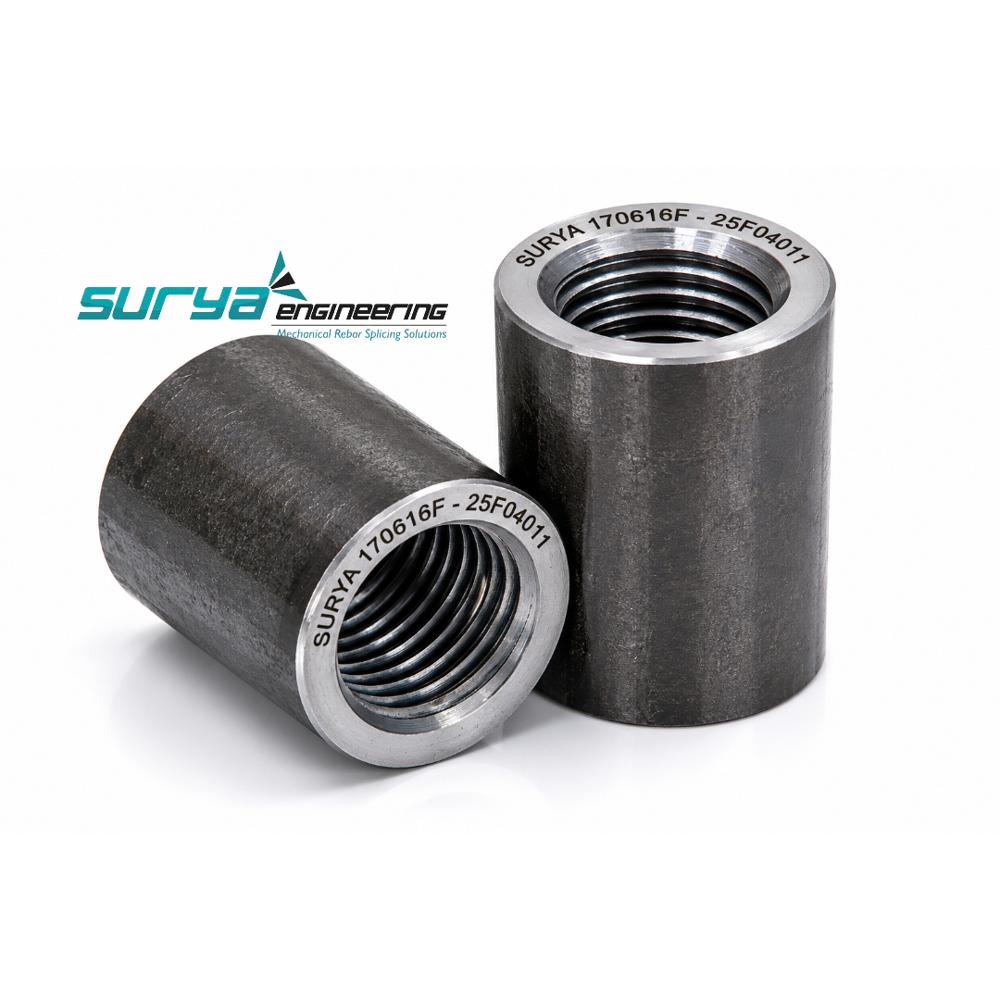

Coupling for Steel Reinforcement, also known as a Rebar Coupler or Reinforcement Bar Coupler, is a mechanical connection component used to join two steel reinforcement bars (rebars) in reinforced concrete construction. It provides an alternative to conventional lap splicing by mechanically connecting reinforcement bars where a reliable and continuous connection is required.
Rebar couplers are widely used in residential, commercial, industrial, infrastructure, and high-rise construction projects. They are particularly useful where reinforcement congestion, limited lap length, structural design requirements, or construction efficiency make traditional overlapping of reinforcement bars less practical.
Manufactured from suitable high-strength steel or other specified materials, reinforcement couplers are designed to connect compatible rebar sizes through an appropriate mechanical connection method. Depending on the coupler type, the connection may use threaded, parallel-threaded, tapered-threaded, or other approved mechanical systems.
The Steel Reinforcement Coupling is installed at the ends of two reinforcing bars to create a mechanical connection. Instead of overlapping a long section of reinforcement, the bars are connected through the coupler, which can help reduce reinforcement congestion and optimize the use of steel in suitable applications.
A properly selected and installed rebar coupler can provide a strong and dependable connection while simplifying reinforcement assembly. The exact performance of the connection depends on the coupler design, rebar grade, bar diameter, installation procedure, and applicable project specifications.
Designed for joining steel reinforcement bars
Provides a mechanical alternative to conventional lap splicing
Helps reduce reinforcement congestion
Suitable for compatible rebar sizes
Compact connection compared with long lap splices
Supports efficient reinforcement installation
Suitable for demanding RCC construction applications
Available in different designs and sizes
Can be used for various reinforcement bar connection requirements
Suitable for new construction and selected reinforcement extension applications
Coupling for Steel Reinforcement is commonly used in:
RCC building construction
High-rise buildings
Commercial buildings
Industrial structures
Bridges
Flyovers
Metro and railway projects
Tunnels
Foundations
Columns
Shear walls
Beams
Retaining walls
Precast and infrastructure projects
Heavy civil construction
Reduced Reinforcement Congestion:
Mechanical couplers can reduce the amount of overlapping reinforcement in heavily reinforced sections, potentially making bar placement and concrete compaction easier.
Efficient Bar Connection:
A coupler provides a dedicated connection between reinforcement bars and can simplify reinforcement continuity where conventional lap splicing is not preferred.
Space Optimization:
Because the connection does not rely on a long lap length in the same way as traditional lapping, couplers can be useful where available reinforcement space is limited.
Construction Efficiency:
Appropriate mechanical couplers can support organized reinforcement installation and may reduce material handling associated with long lap lengths.
Versatile Application:
Different types and sizes of rebar couplers are available for different bar diameters, connection conditions, and project requirements.
Depending on the application, reinforcement couplers may include:
Standard threaded rebar couplers
Parallel-threaded rebar couplers
Taper-threaded rebar couplers
Transition rebar couplers
Position couplers
End-bearing couplers
Reduced-size or specialty couplers
Mechanical splicing couplers for specific applications
The appropriate type should be selected according to the rebar diameter, bar grade, connection condition, structural design, and applicable standards.
The installation procedure depends on the specific coupler design. In general, reinforcement bars are prepared according to the manufacturer's requirements and connected through the coupler using the specified joining method and installation equipment.
Proper bar preparation, thread condition where applicable, alignment, engagement, tightening, and inspection are important for achieving the intended connection performance. Installation should always follow the manufacturer's technical instructions and the project's approved engineering requirements.
Steel reinforcement couplers are suitable for:
Civil contractors
Structural contractors
RCC contractors
Construction companies
Infrastructure contractors
Rebar fabricators
Steel reinforcement suppliers
Structural engineers
Project developers
Precast manufacturers
A Coupling for Steel Reinforcement provides a practical mechanical method for connecting reinforcement bars in concrete structures. It can help address reinforcement congestion, improve installation organization, and provide an alternative to traditional lap splicing where permitted by the structural design and applicable standards.
For selecting the correct coupler, buyers should confirm rebar diameter, rebar grade, coupler type, thread specification, required connection performance, applicable standards, and project requirements before ordering.
Coupling for Steel Reinforcement is an important component for modern reinforced concrete construction where mechanical rebar connections are required. Rebar couplers can be supplied in multiple sizes and configurations to suit different reinforcement bar connection requirements.

Price:
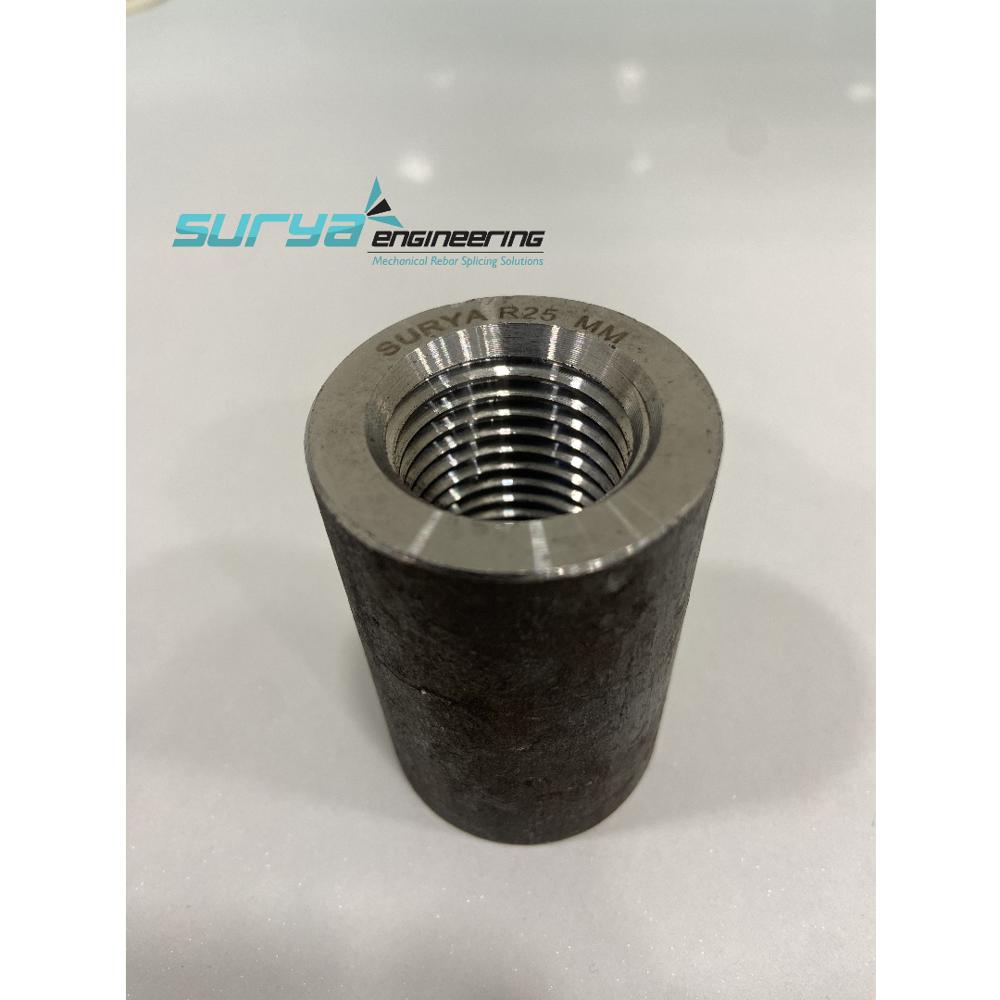
Price 50.0 INR / Piece
Minimum Order Quantity : 1000 Pieces
Length : 60mm Millimeter (mm)
Material : Alloy Steel
Color : Black
Load Capacity : 220 Kilograms (kg)
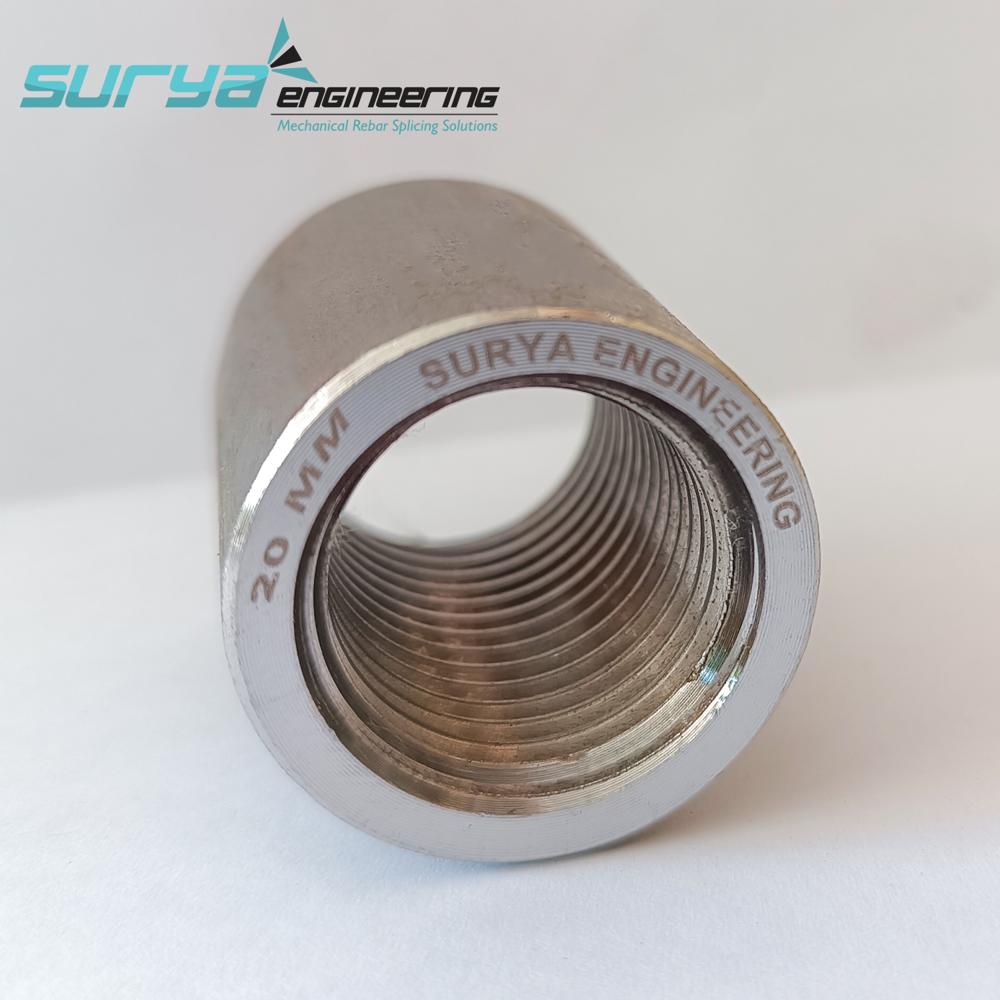
Price 50.0 INR / Piece
Minimum Order Quantity : 1000 Pieces
Length : 16 Millimeter (mm)
Material : EN8D
Color : Black
Load Capacity : 900mpa Metric Ton
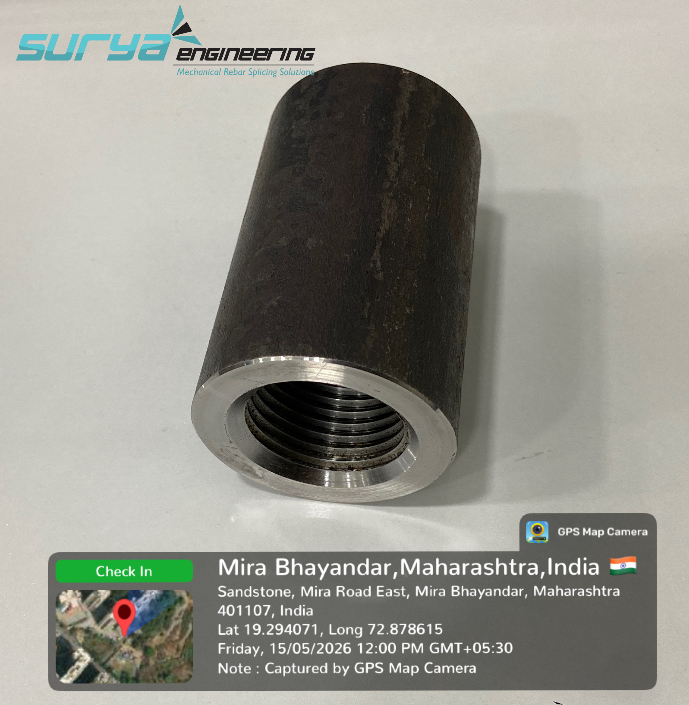
Price 60.0 INR / Piece
Minimum Order Quantity : 1000 Pieces
Length : 12 Millimeter (mm)
Material : HighGrade Carbon Steel (EN8D / Alloy Steel)
Color : Black Oxide / Natural Steel Finish
Load Capacity : 220 Kilograms (kg)
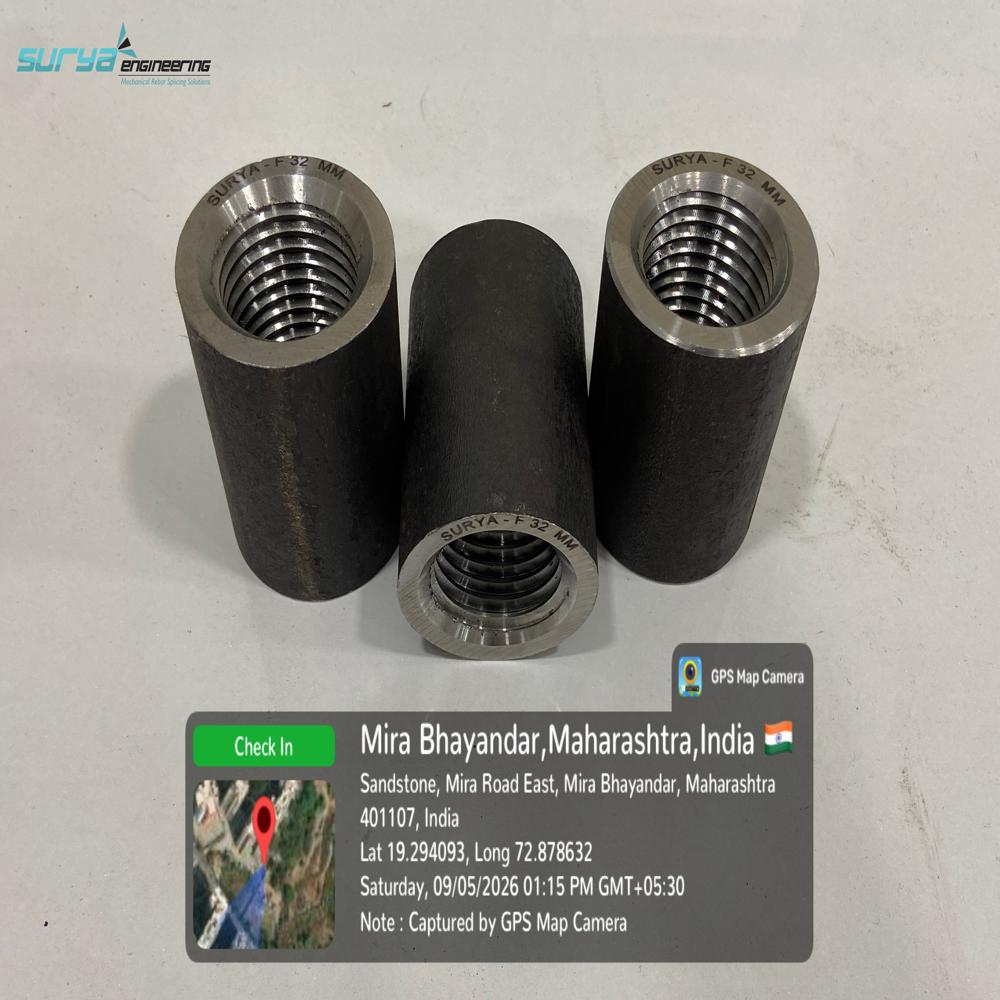
Price 90.0 INR / Piece
Minimum Order Quantity : 10 Pieces
Length : 12 Millimeter (mm)
Material : EN8D
Color : Black
Load Capacity : 220 Kilograms (kg)






 Send Inquiry
 English
 Spanish
 French
 German
 Italian
 Chinese (Simplified)
 Japanese
 Korean
 Arabic
 Portuguese