
Talk to us
08045811615
Talk to us
08045811615
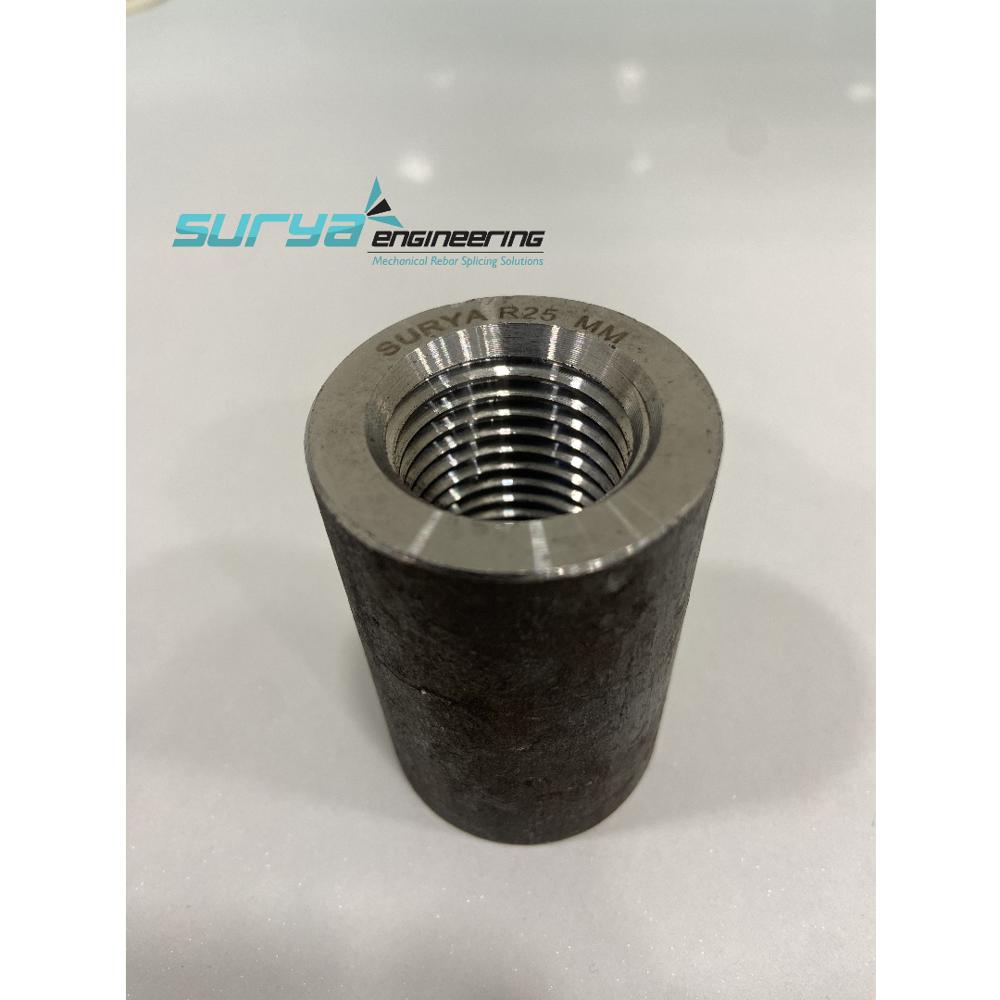
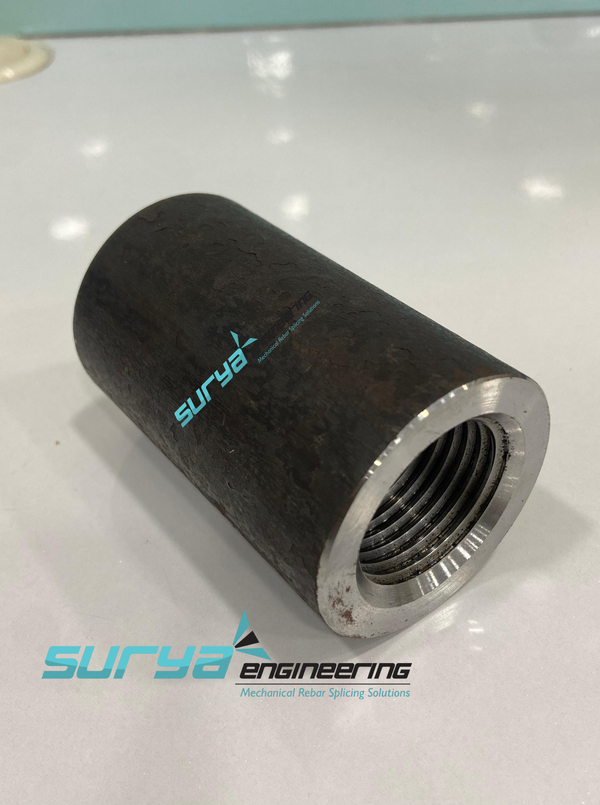
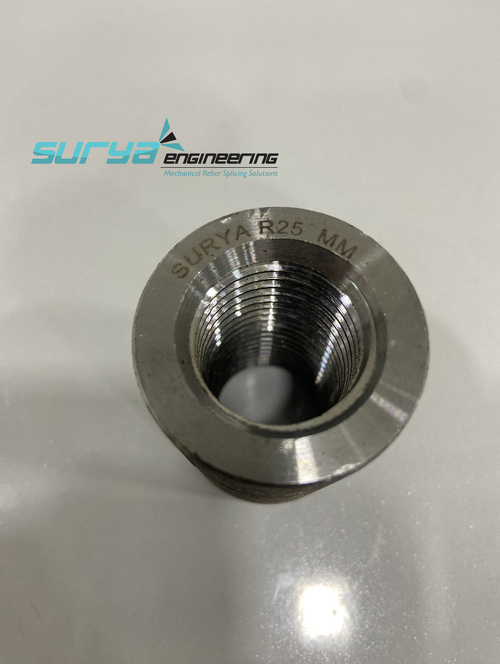
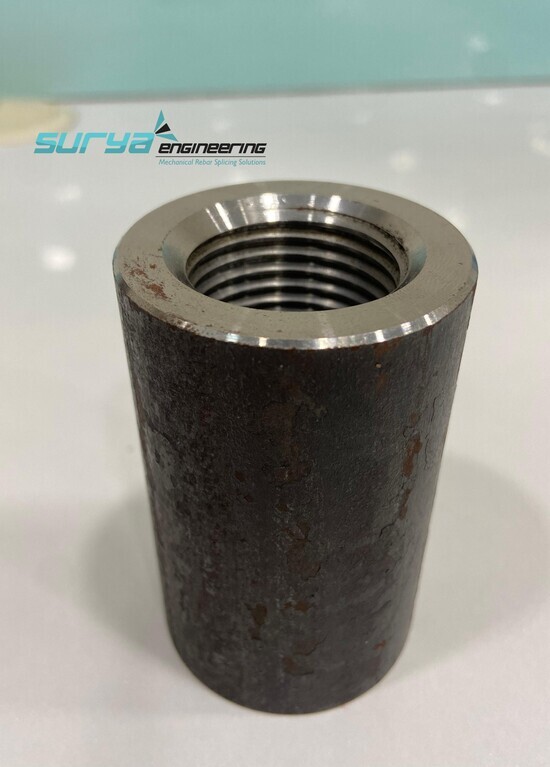
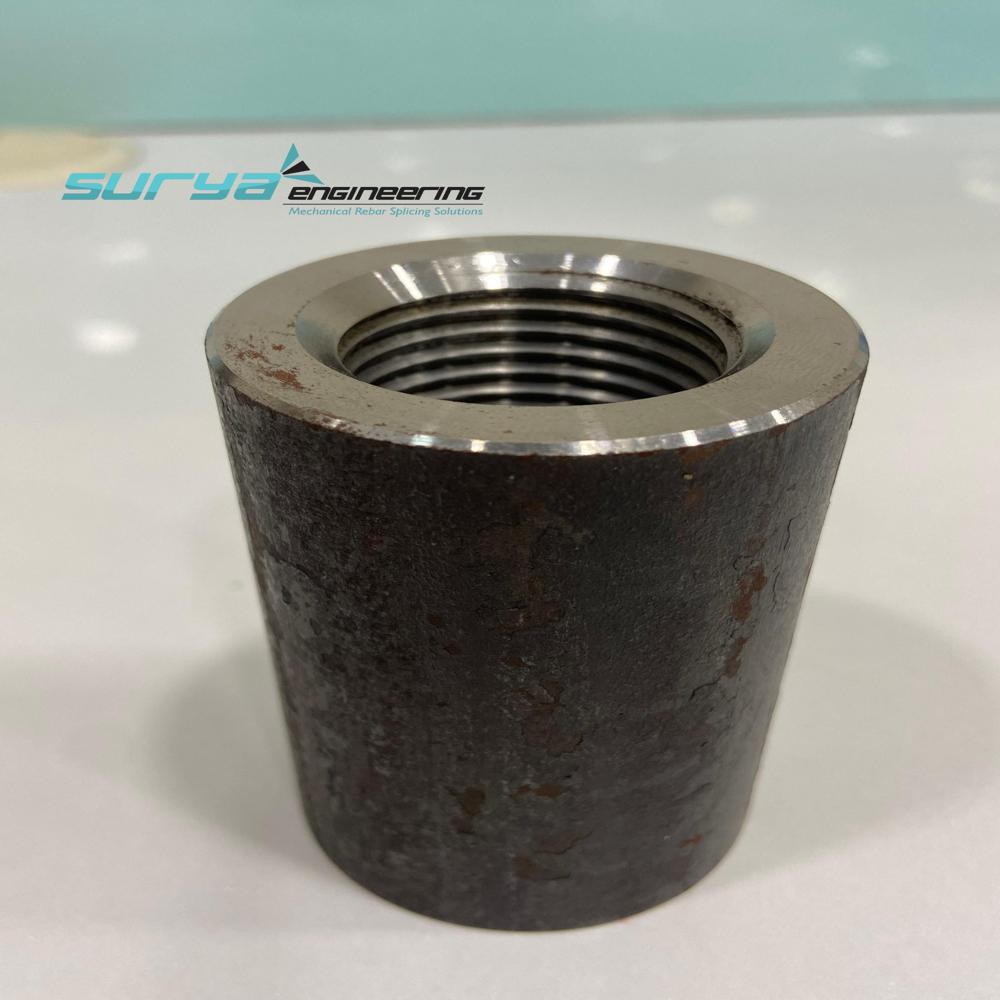

A Rebar Coupler (also known as a mechanical splice) is a high-strength steel sleeve used to join two reinforcing bars end-to-end. Unlike lapping, which relies on the concrete bond to transfer load, a coupler creates a direct steel-to-steel connection.
Construction engineers prefer couplers for several critical reasons:
Direct Load Transfer: The force is transferred directly from one bar to the next, independent of the concrete's strength.
Reduced Congestion: Lap splicing requires overlapping bars, which creates a "bottleneck" of steel. This makes it difficult for concrete to flow and compact properly. Couplers eliminate this, ensuring better concrete density.
Seismic Resistance: In earthquake zones, concrete may crack and fall away. A mechanical coupler ensures the rebar remains continuous and load-bearing even if the surrounding concrete is compromised.
Material Savings: Lapping requires extra "development length" (5070 times the bar diameter). Couplers save significant amounts of steel, especially in large-diameter bars (20mm and above).
Rebar couplers are generally classified based on how they connect the bars:
| Type | Mechanism | Best For |
| Standard Coupler | Joins two bars of the same diameter where one bar can be rotated. | General columns and beams. |
| Position Coupler | Joins two bars where neither bar can be rotated (uses a lock nut). | Precast segments and repair work. |
| Reducer Coupler | Joins two bars of different diameters. | Transitioning column sizes. |
| Weldable Coupler | One end is threaded, the other is designed to be welded to a steel plate or beam. | Connecting rebar to structural steel. |
Proper installation is vital for the safety of the structure. Follow these standard steps:
In India, the Bureau of Indian Standards (BIS) mandates IS 16172:2023 for mechanical splices. For a coupler to be considered safe, it must pass these tests:
Static Tensile Test: The coupler must be able to withstand 125% of the specified yield strength of the rebar. The bar should break before the coupler fails.
Slip Test: Under a load of 60% of the yield strength, the permanent slip (movement) between the bar and the coupler must not exceed 0.1 mm.
Fatigue Test: Essential for bridges and high-rises. The splice must withstand cyclic loading without failure.
Located in Mumbai (Vasai), Surya Engineering is a premier manufacturer and supplier of rebar couplers and construction machinery. We don't just sell products; we provide complete engineering solutions.
Pan-India Supply: We serve major infrastructure projects across India, from metro rails to high-rise townships.
Quality Assurance: All our couplers are manufactured using high-grade steel and tested in NABL-accredited labs to meet IS 16172 standards.
In-house Manufacturing: From cold forging machines to threading chasers, we manufacture the equipment that creates the perfect joint.
Customization: We offer customized solutions for unique project requirements, including heavy-duty weldable and reducer couplers.

Price:
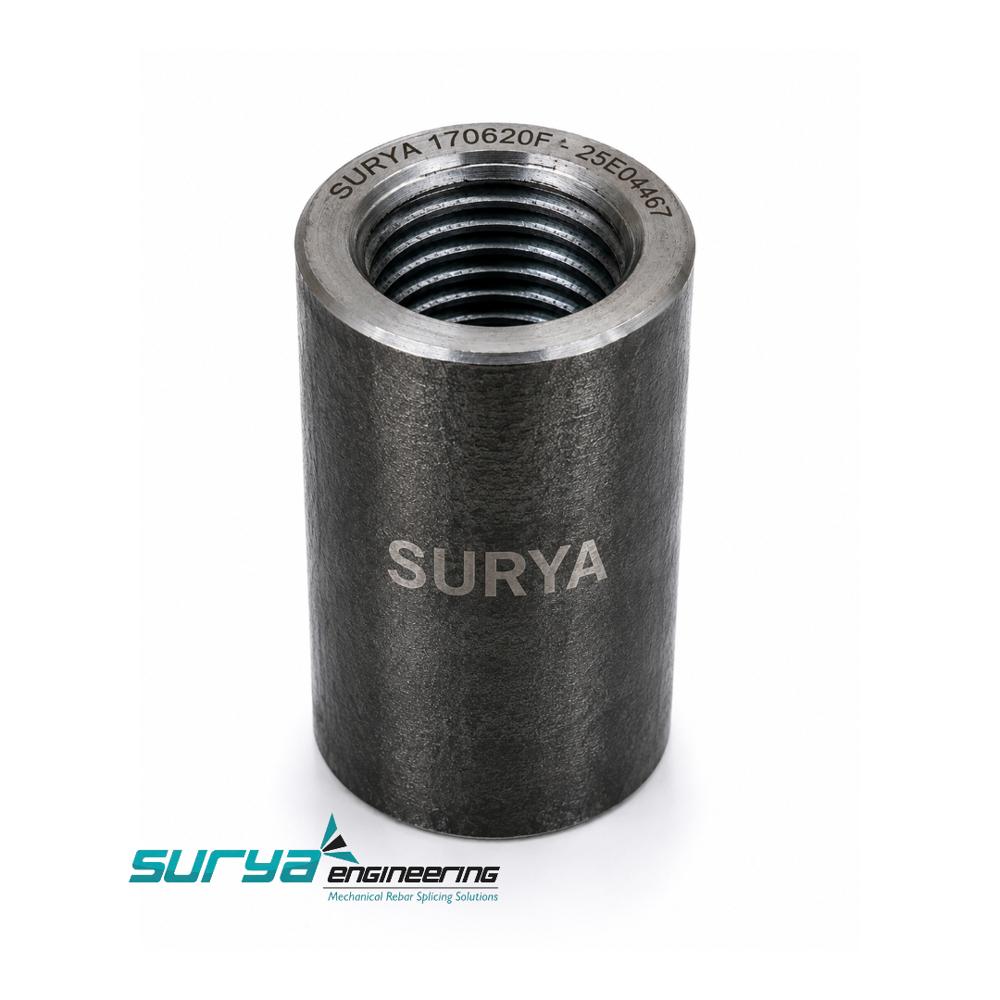
Price 70.0 INR / Piece
Minimum Order Quantity : 1000 Pieces
Material : HighGrade Carbon Steel (EN8D / Alloy Steel)
Diameter : 12 mm, 16 mm, 20 mm, 25 mm, 28 mm, 32 mm, 36 mm, 40 mm Millimeter (mm)
Application : Joining TMT Reinforcement Bars in RCC Construction
Height : 12 Millimeter (mm)
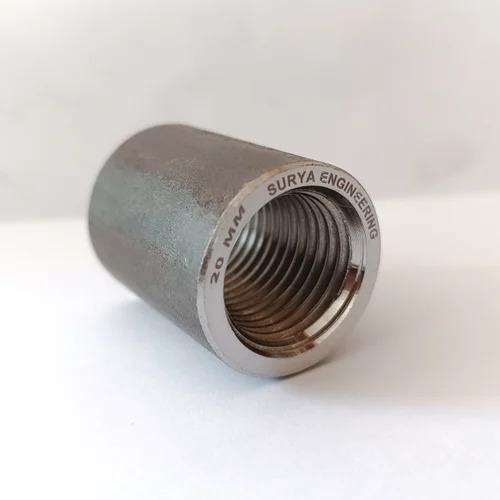
Price 18.0 INR / Piece
Minimum Order Quantity : 1000 Pieces
Material : Mild Steel
Diameter : 32 mm Meter (m)
Application : Construction
Height : 10 Perch
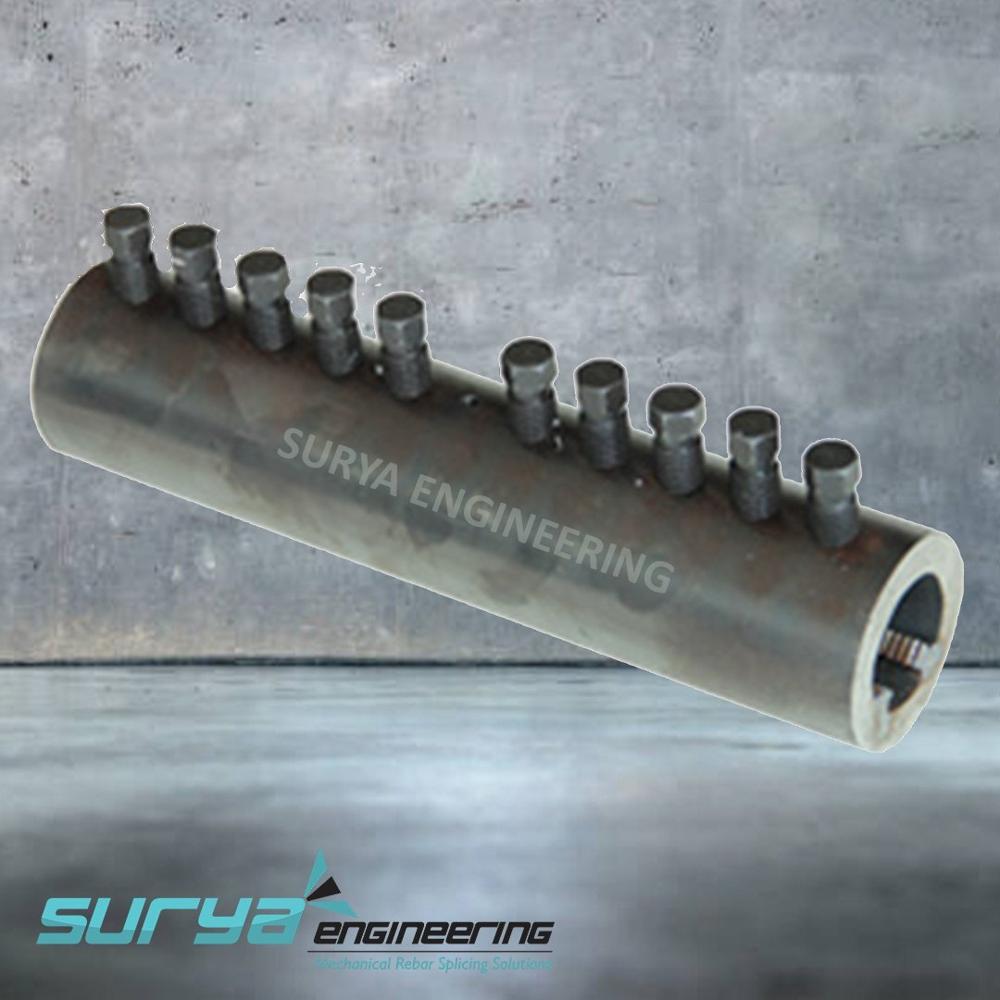
Price 390.0 INR / Piece
Minimum Order Quantity : 100 Pieces
Material : EN8D
Diameter : 12*12*12 Millimeter (mm)
Application : constraction
Height : 120 Millimeter (mm)
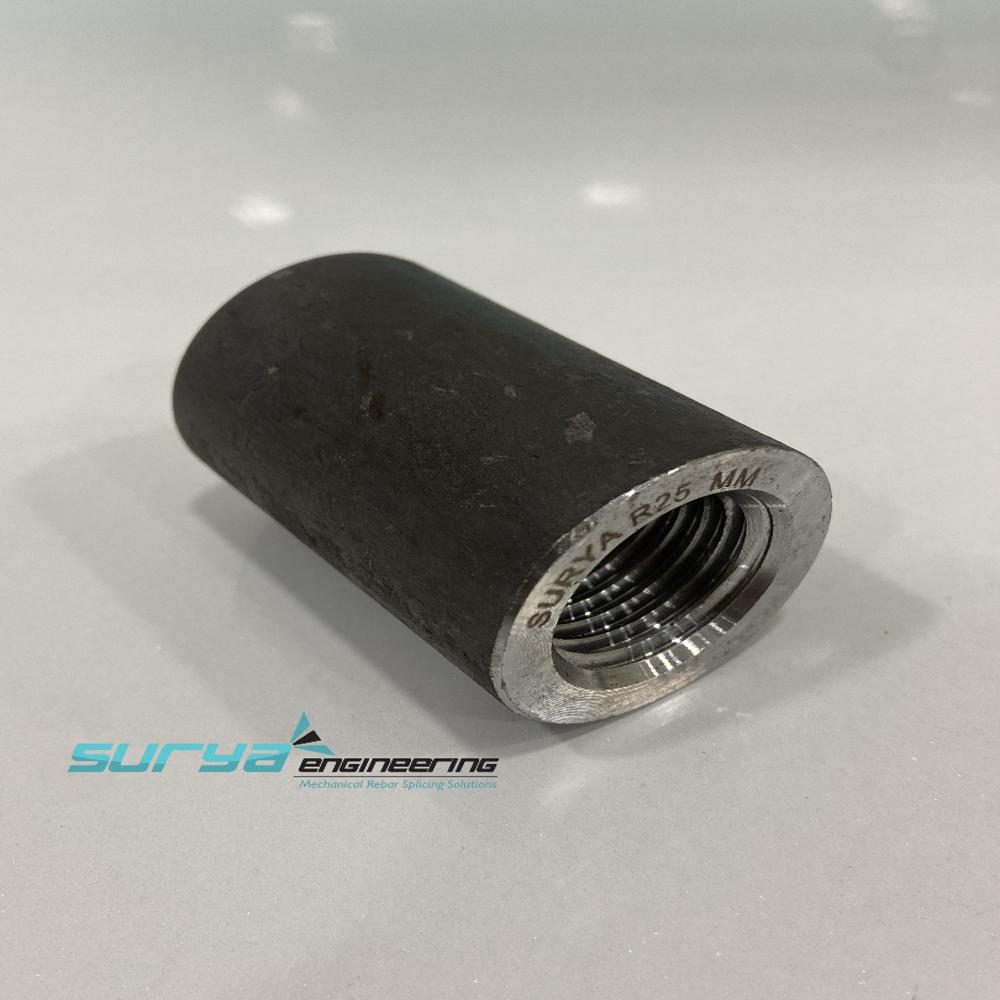
Price 40.0 INR / Piece
Minimum Order Quantity : 1000 Pieces
Material : Mild Steel
Diameter : 16 mm Millimeter (mm)
Application : Construction
Height : 12 Millimeter (mm)





 Send Inquiry