
Talk to us
08045811615
Talk to us
08045811615
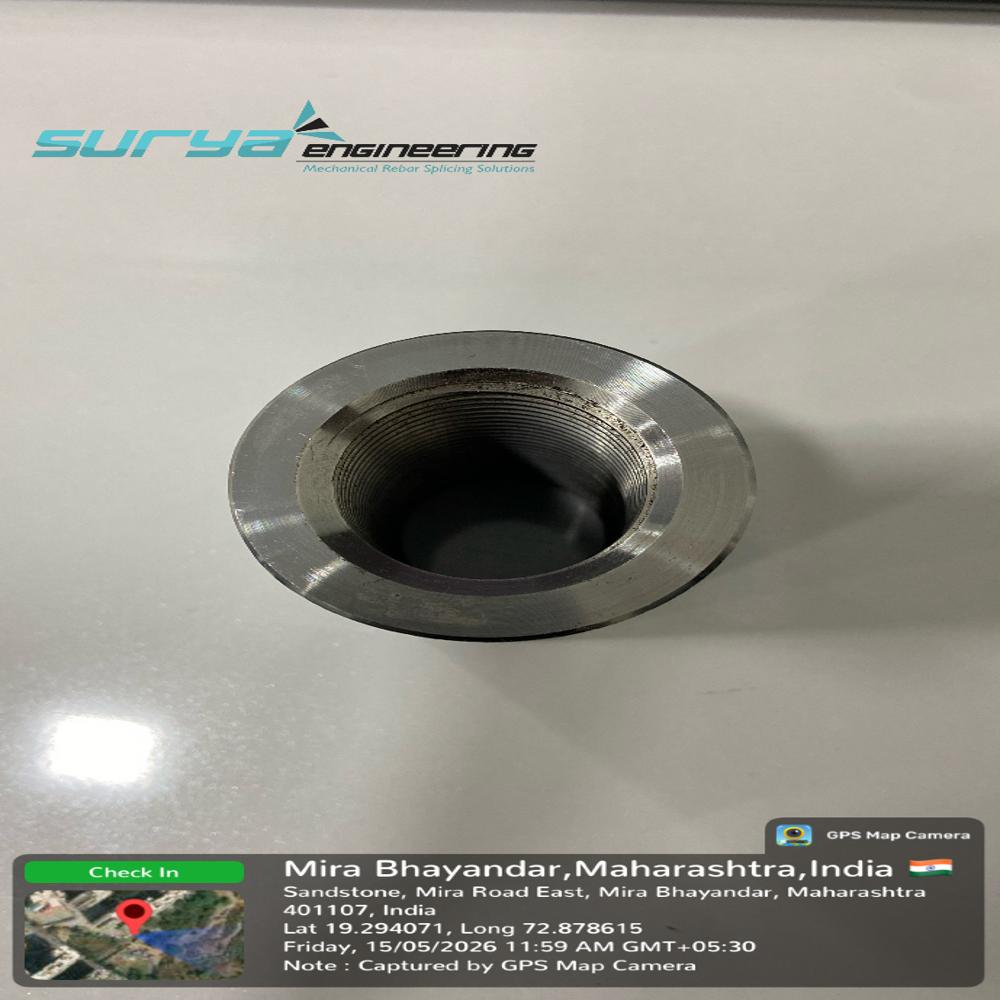
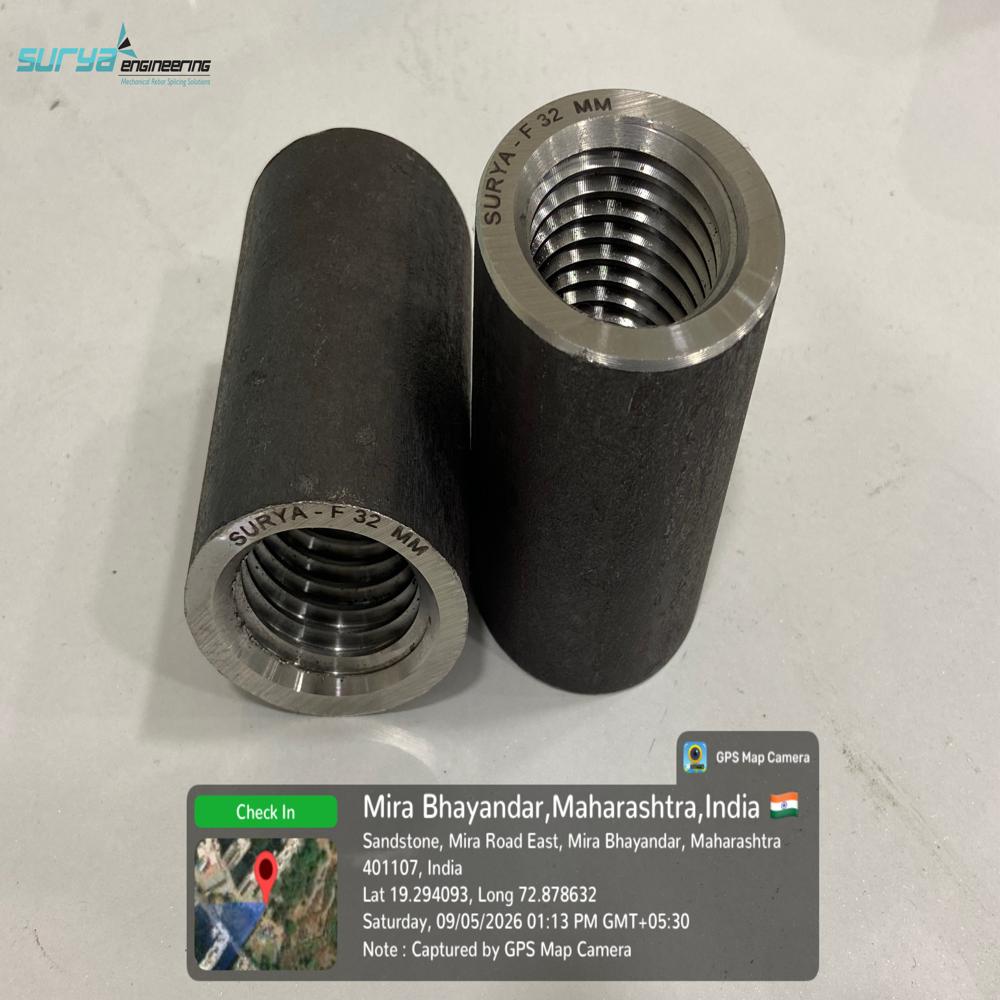
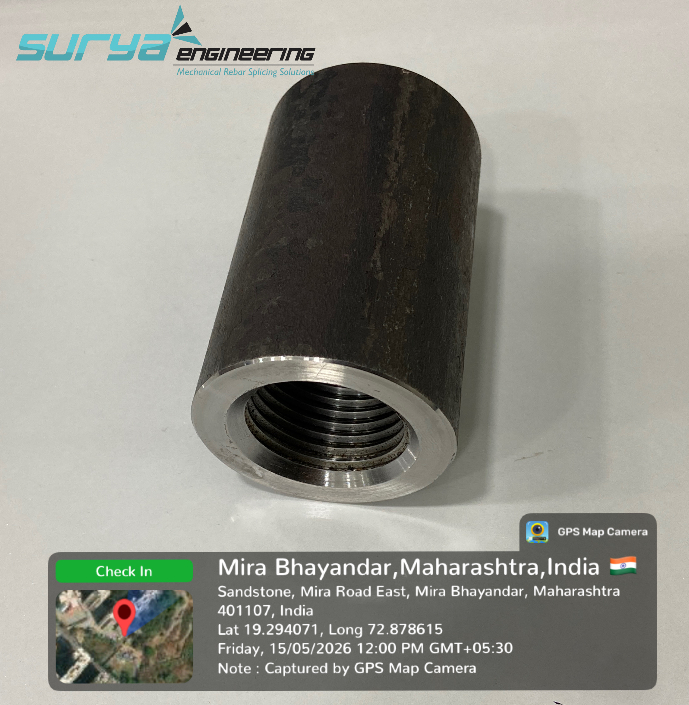
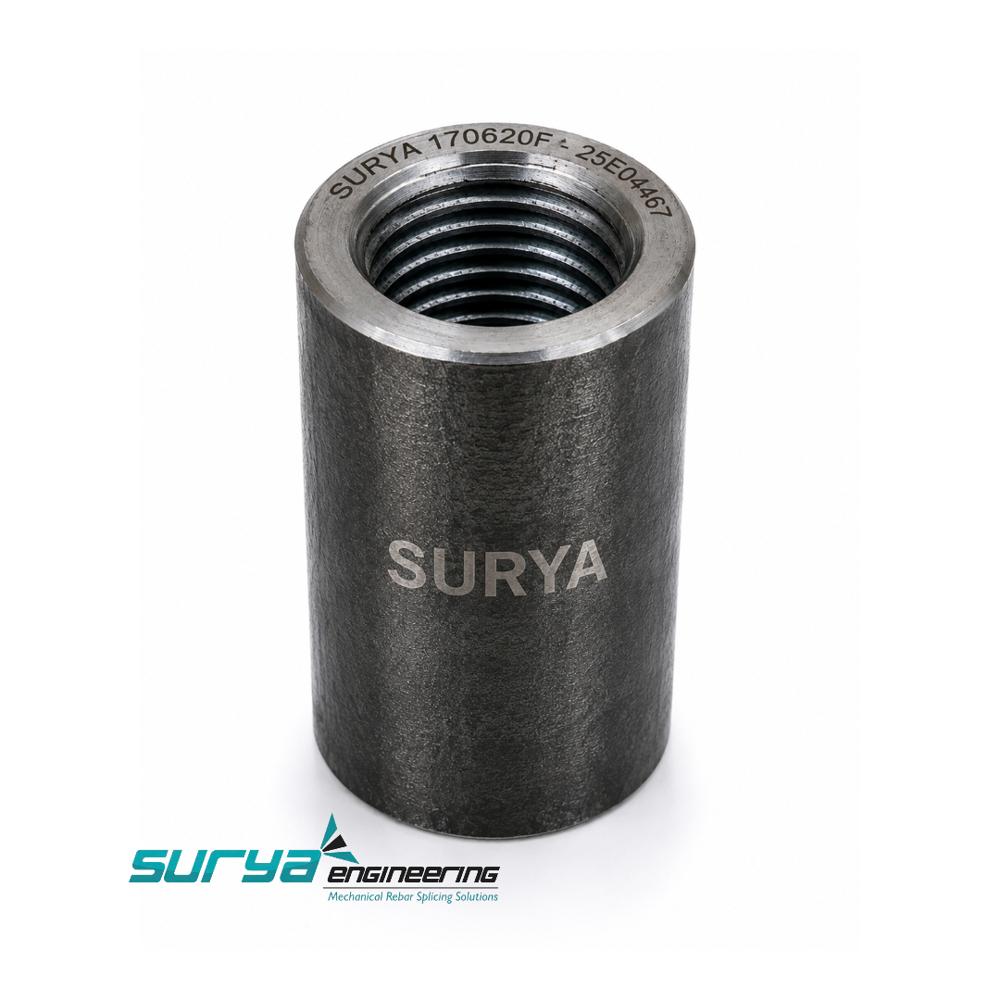
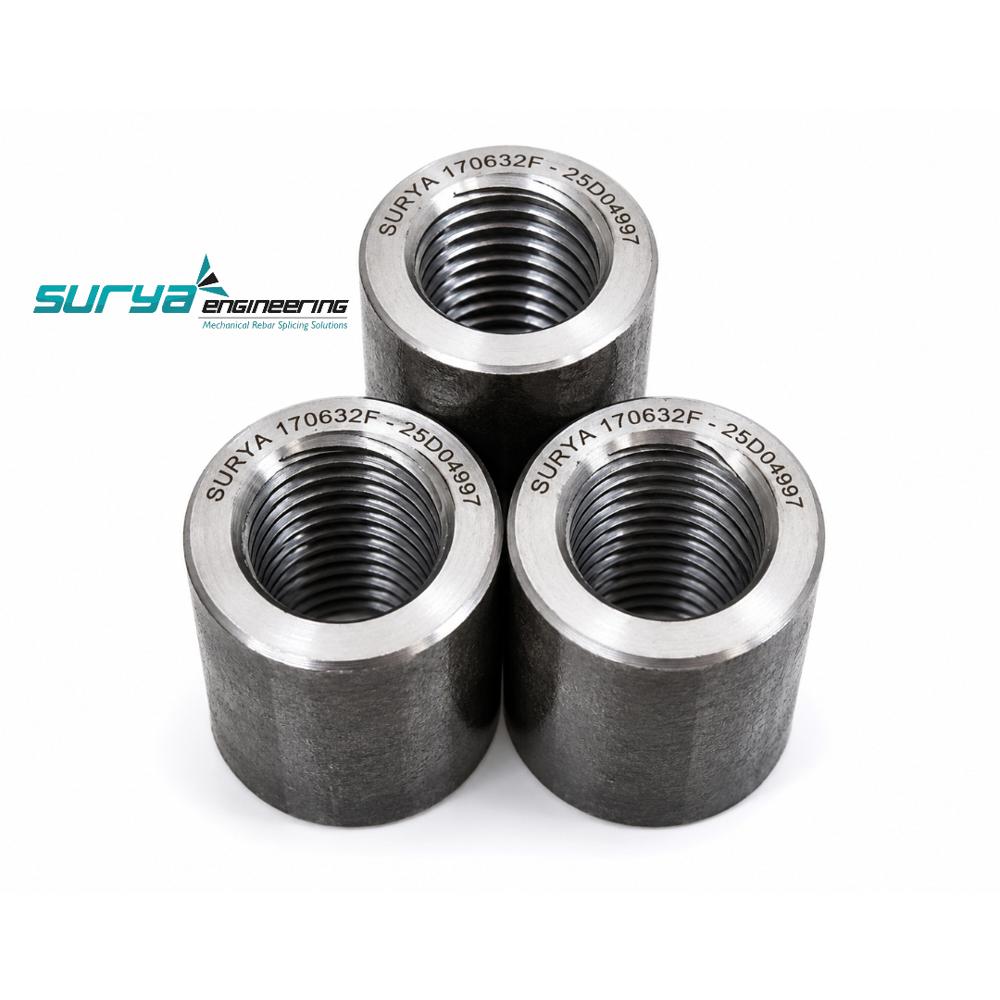
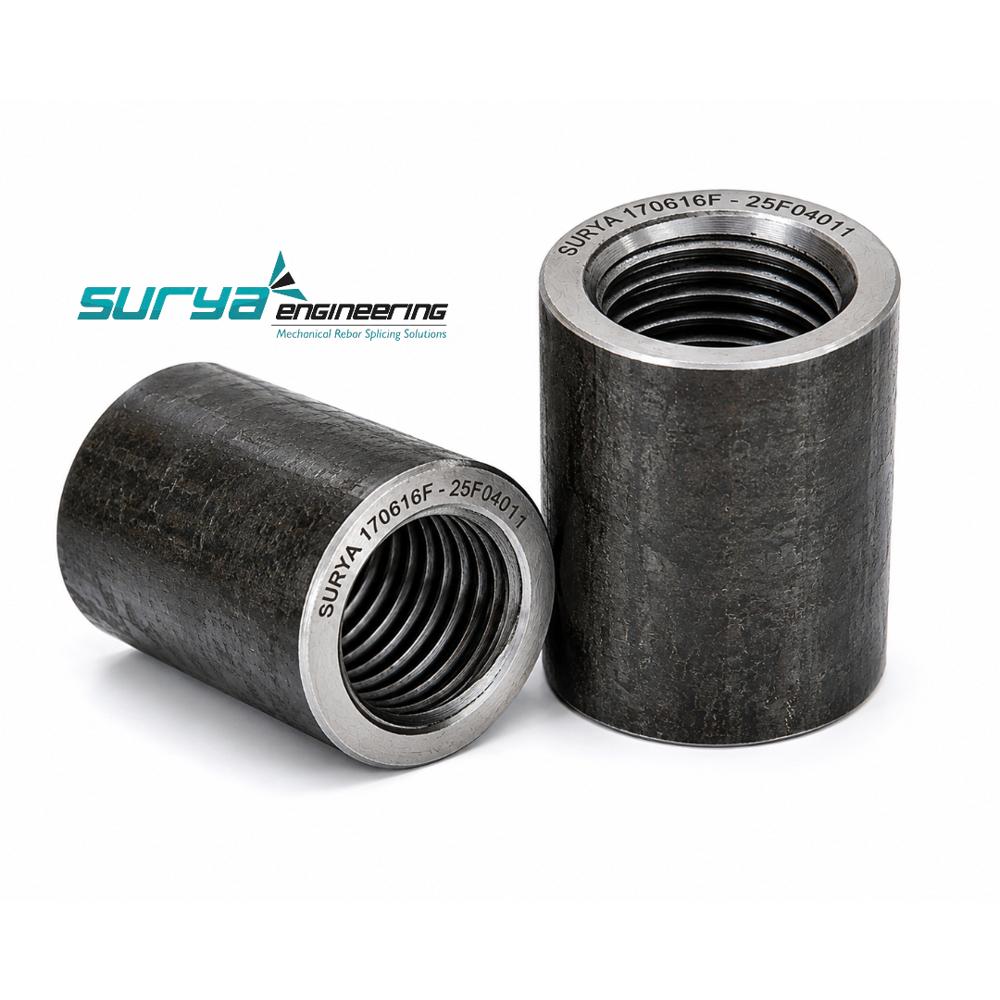

BIS certification is more than just a stamp on a product; it represents a comprehensive system of quality assurance.
Official Backing for Quality: It provides independent validation by the BIS, a statutory authority under the Indian government, that the product conforms to the rigorous national standard, IS 16172:2023.
Proven, Reliable Performance: Certified couplers must pass a demanding suite of tests, including tensile strength, slip resistance, and high- and low-cycle fatigue tests. A "full-strength" coupler must be able to develop at least 125% of the specified yield strength of the rebar it is connecting.
Consistent Quality: The BIS certification isn't a one-time event. It requires ongoing factory inspections and random sampling to ensure that every batch of couplers produced meets the same high standards. This continuous surveillance minimizes the risk of failure.
Future-Proof Compliance: While ISI marking is not yet mandatory for all rebar couplers, the Indian government has issued a draft Quality Control Order (QCO) that would make BIS certification compulsory. Choosing certified products now positions your projects for future regulatory compliance.
The certification is based on IS 16172:2023, the Indian Standard for "Reinforcement Couplers for Mechanical Splices of Steel Bars in Concrete." This standard is the definitive document that lays out all the technical requirements, testing methods, and quality control measures for rebar couplers.
Here are the key aspects of the 2023 revision compared to the older 2014 version:
Broader Application: The old standard (2014) mainly covered Fe 550D grade bars. The new 2023 version now applies to all grades of reinforcement bars covered under IS 1786.
More Coupler Types: The revised standard includes new types of couplers like hybrid couplers and transition couplers, accommodating more diverse construction needs.
Stringent Testing: The standard specifies a comprehensive range of tests, including:
Static Tensile Test: To verify the coupler's ultimate strength.
Slip Test: To measure any relative movement between the bar and coupler under load.
Cyclic Tensile Test: To simulate real-world dynamic stress conditions.
Low and High Cycle Fatigue Tests: Critical for structures in seismic zones or those carrying live traffic loads.
Coupler Classes: The standard defines two main classes of couplers:
Class H: High-performance couplers that pass both low-cycle and high-cycle fatigue tests.
Class L: Couplers that only meet the low-cycle fatigue test requirement.
For a manufacturer to obtain BIS certification for rebar couplers, they typically must follow these steps:
Application: Register on the BIS portal and submit an application with all required documentation.
Factory Inspection: BIS officials conduct a thorough inspection of the manufacturing facility to assess its capability and quality control processes.
Product Testing: Samples of the couplers are sent to a BIS-recognized, NABL-accredited laboratory (like TCR Engineering, which is the first commercial lab in India accredited for this specific testing) to undergo the full suite of tests as per IS 16172:2023.
Certification Grant: Upon successful verification of the application, factory, and test results, BIS grants the license to use the ISI mark.
A BIS-certified product is manufactured and assessed against the applicable requirements of the relevant Indian Standard.
A properly selected and installed coupler provides a mechanical connection between reinforcement bars designed for the specified application.
Where approved by the structural design, mechanical splicing can reduce the amount of overlapping reinforcement in congested areas.
Rebar couplers are particularly useful in projects involving large quantities of reinforcement and repetitive structural work.
Mechanical reinforcement splices can be used in appropriate applications across buildings, bridges, industrial structures, metro projects, and other reinforced concrete construction.
When the coupler is part of a compatible threading system, reinforcement bars can be prepared and connected using a repeatable process.
Different mechanical splicing systems are available for different construction requirements.
Common categories include:
Testing is an important part of evaluating mechanical reinforcement couplers.
BIS's current testing information for IS 16172:2023 includes requirements/tests relating to areas such as:
| Rebar Coupler | Lap Splicing |
|---|---|
| Mechanical connection | Overlapping reinforcement |
| Can reduce lap congestion | Requires lap length |
| Useful in congested reinforcement zones | Can increase steel congestion |
| Requires compatible coupler system | Conventional reinforcement method |
| Requires controlled installation | Generally simpler installation |
| Requires product/system verification | Designed according to project requirements |
A coupler does not automatically replace lap splicing everywhere. The structural engineer should specify where mechanical splicing is appropriate.
Surya Engineering supplies rebar couplers and reinforcement connection products for construction and infrastructure applications.
For projects requiring BIS-certified reinforcement couplers, buyers should confirm the applicable IS 16172:2023 certification scope, coupler class, reinforcement bar grade, nominal size, and product documentation before placing an order.
A BIS-certified rebar coupler is a mechanical reinforcement connection product covered by the applicable BIS certification requirements for reinforcement couplers. The current Indian Standard is IS 16172:2023.
The current standard is IS 16172:2023 Reinforcement Couplers for Mechanical Splices of Steel Bars in Concrete Specification. It supersedes IS 16172:2014.
For projects requiring BIS-certified products, certification provides a standardized basis for evaluating the coupler's manufacturing and performance requirements. Buyers should verify that the supplier's licence actually covers the required product, class, and size.
Mechanical couplers can be used instead of lap splicing where the structural design and project specification permit them. They should not be treated as a universal replacement for every reinforcement connection.
Provide the bar diameter, TMT grade, required coupler type, quantity, project specification, and required certification. This helps the supplier identify the correct product.
Ask the manufacturer for the BIS licence number and certification scope, then verify the relevant information through BIS resources. BIS's Know Your Standard facility provides access to standard and licence-related information.
No. IS 16172:2023 is the current revision, and IS 16172:2014 has been superseded.

Price:
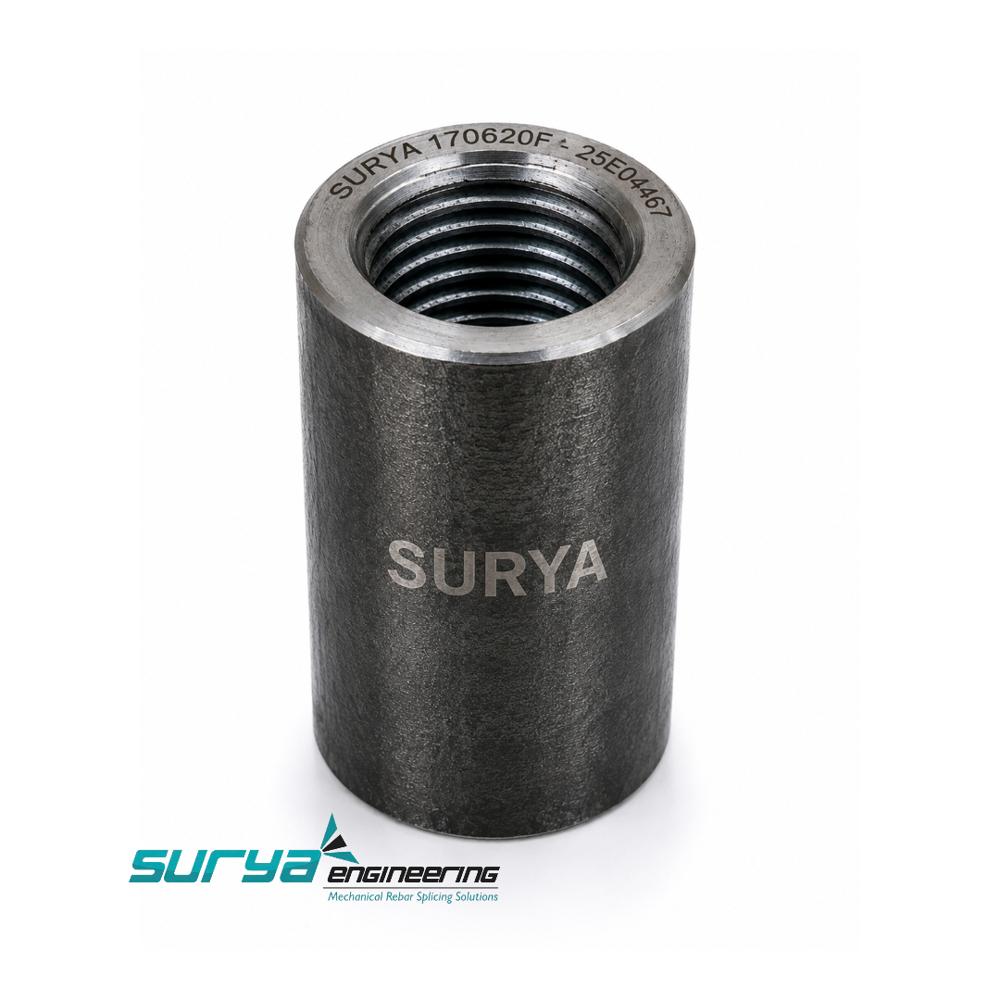
Price 30.00 INR / Piece
Minimum Order Quantity : 99 Pieces
Application : constraction,TMT joint,Bridge
Diameter : 11*5*11 Millimeter (mm)
Length : 12 Millimeter (mm)
Material : EN8D
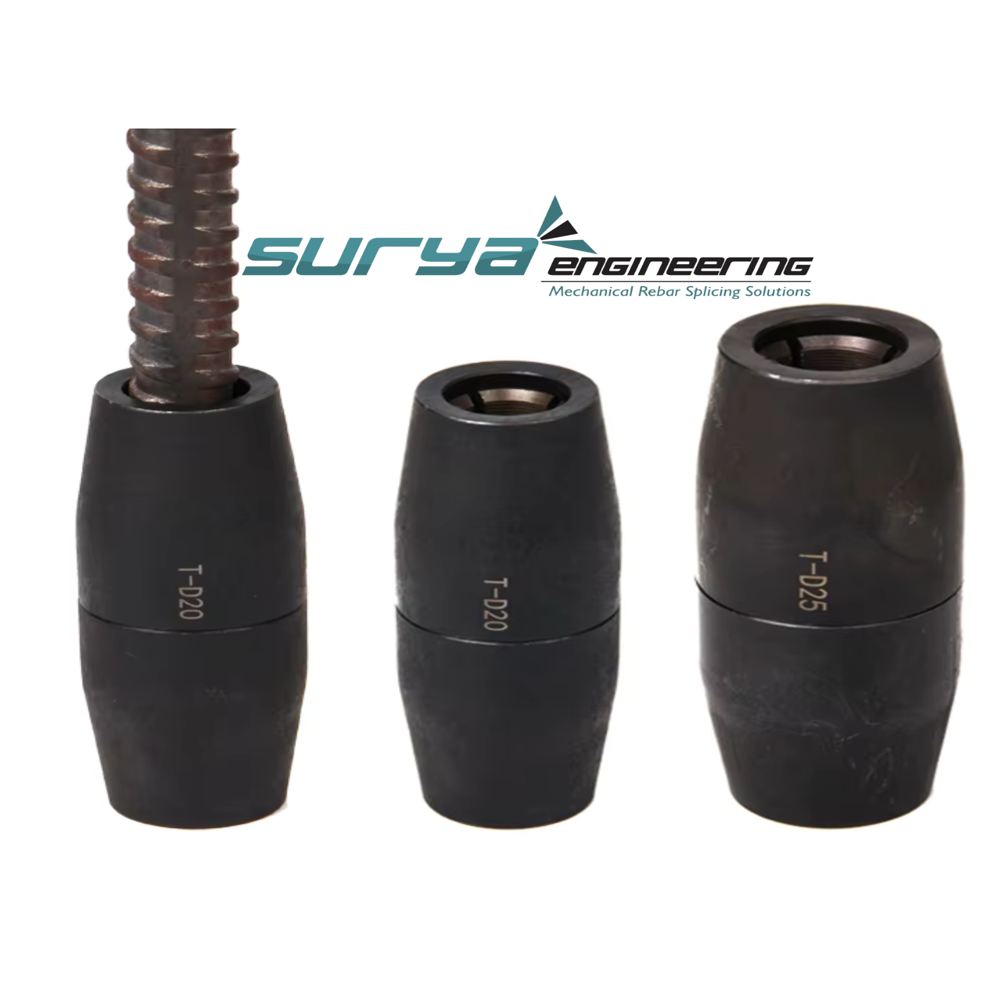
Price 99.0 INR / Piece
Minimum Order Quantity : 50 Pieces
Application : TMT Joint
Diameter : 12*12*5 Millimeter (mm)
Length : 12 Millimeter (mm)
Material : EN8D
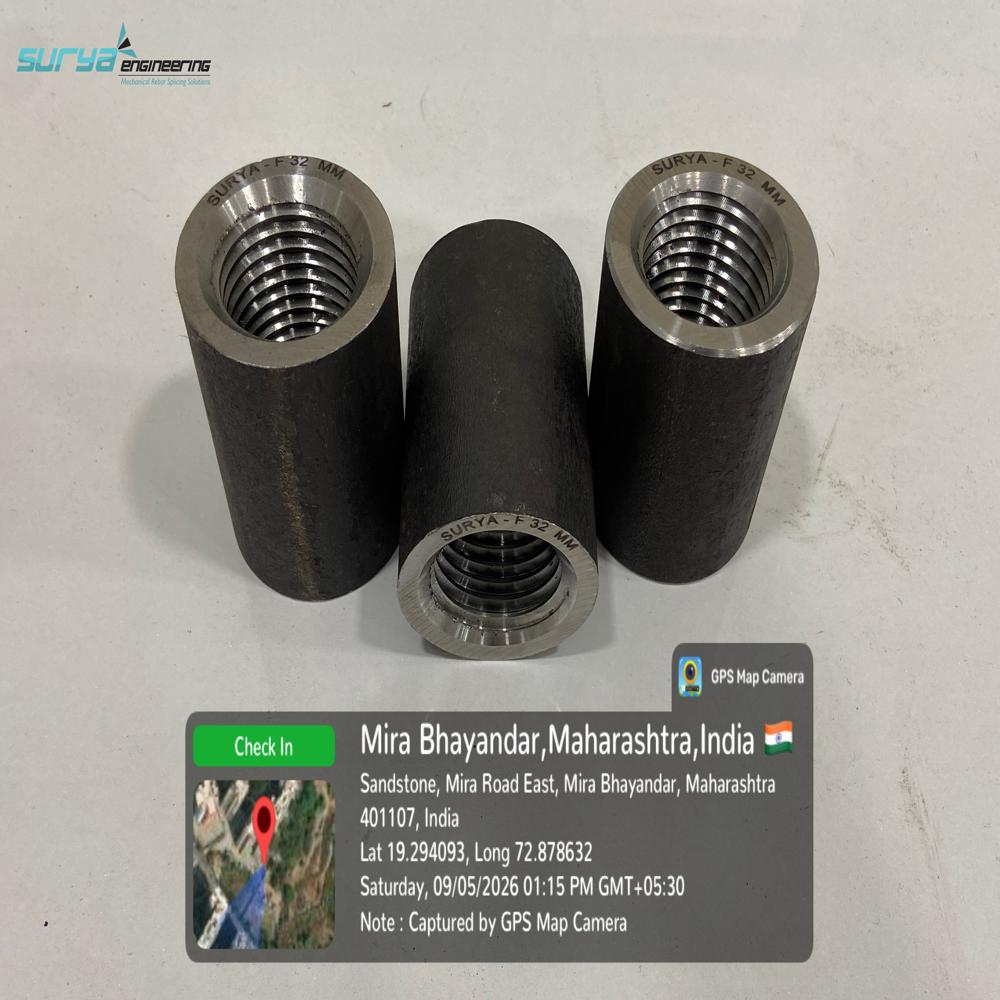
Price 90.0 INR / Piece
Minimum Order Quantity : 10 Pieces
Application : Constraction
Diameter : 12*3*4 Millimeter (mm)
Length : 12 Millimeter (mm)
Material : EN8D
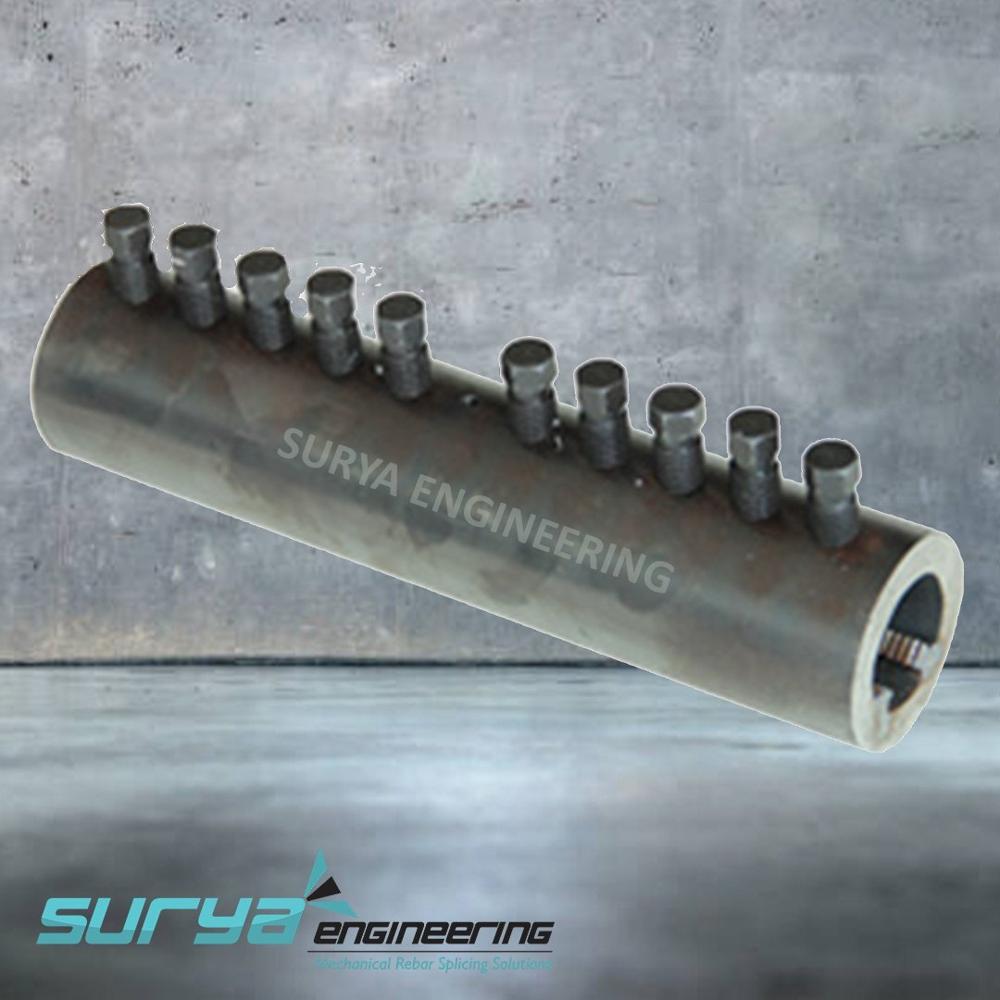
Price 390.0 INR / Piece
Minimum Order Quantity : 100 Pieces
Application : constraction
Diameter : 12*12*12 Millimeter (mm)
Length : 130 Millimeter (mm)
Material : EN8D





 Send Inquiry
 English
 Spanish
 French
 German
 Italian
 Chinese (Simplified)
 Japanese
 Korean
 Arabic
 Portuguese