
Talk to us
08045811615
Talk to us
08045811615
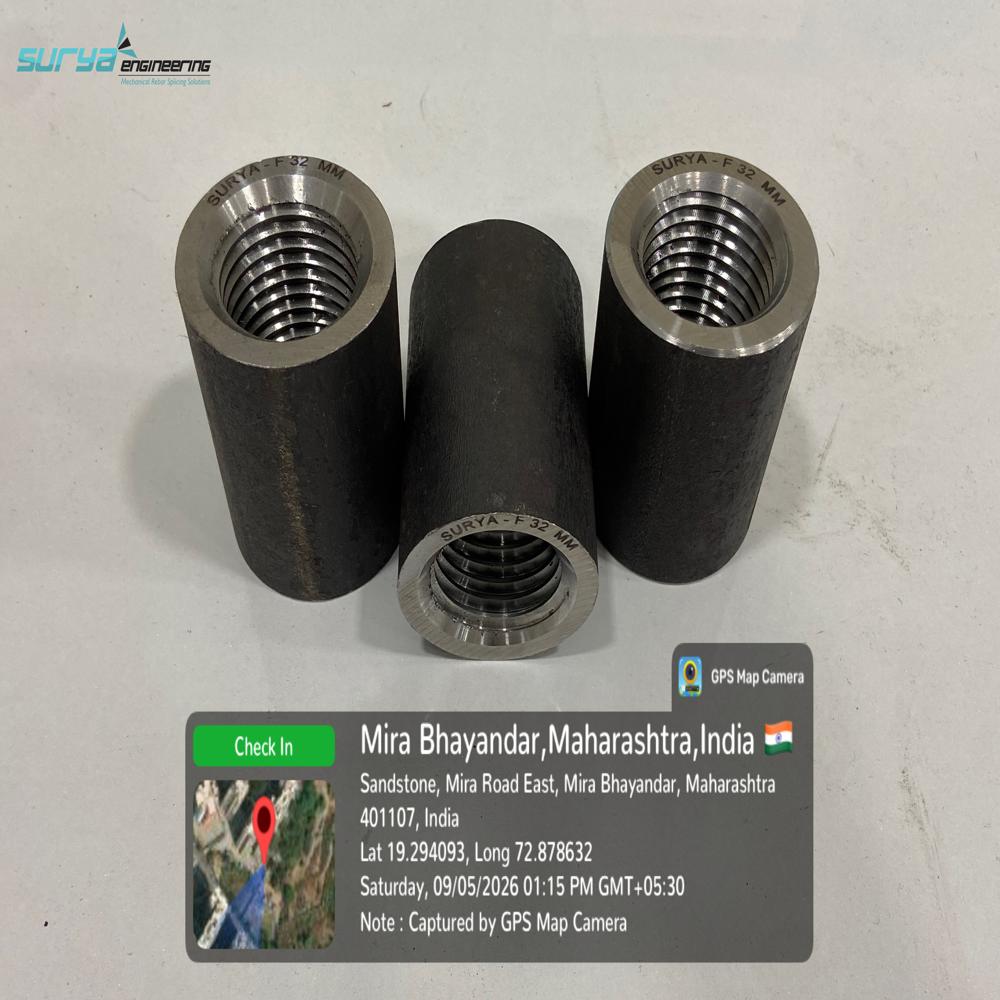
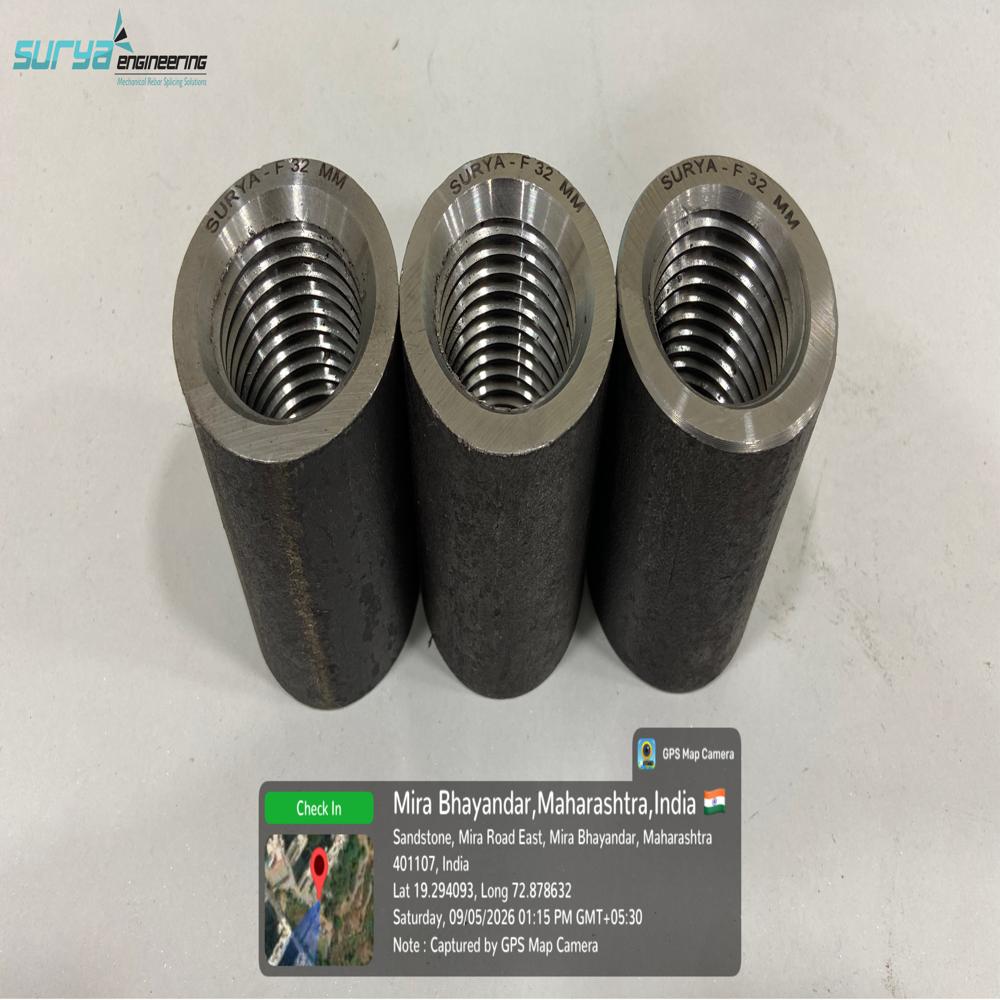
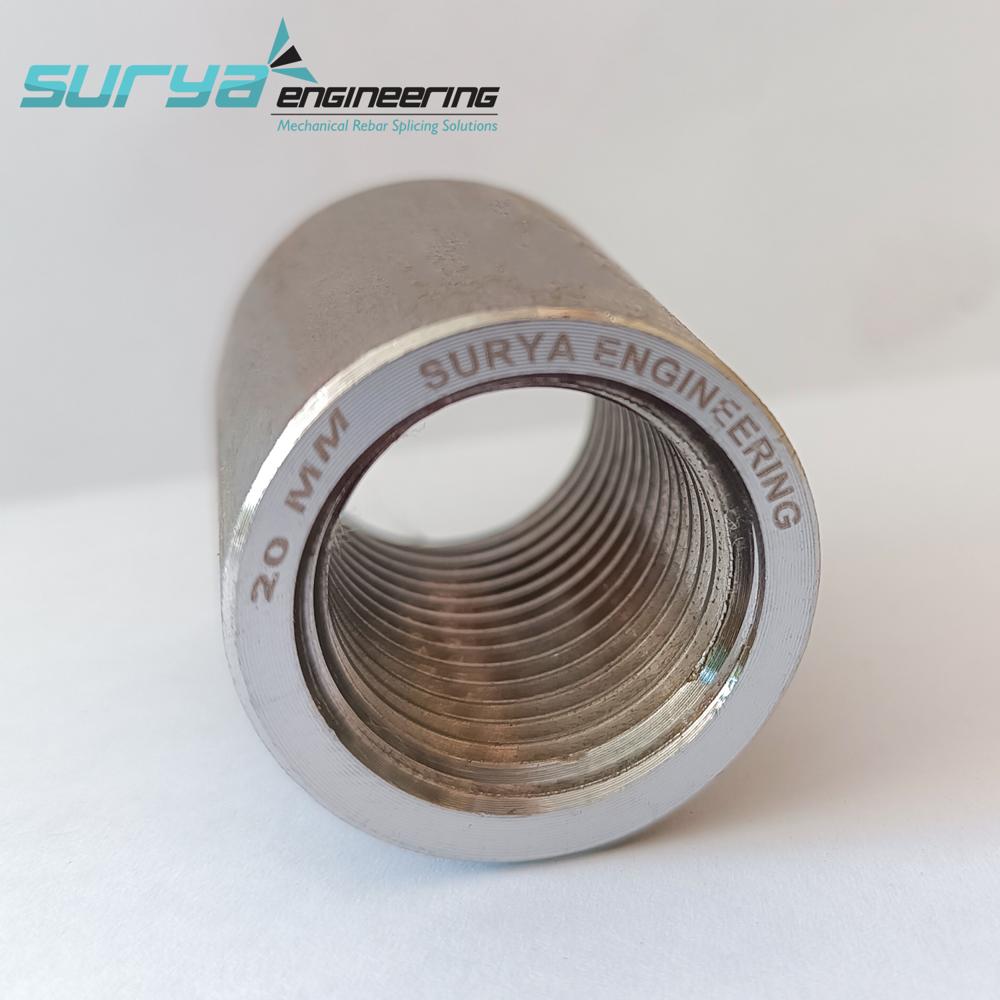
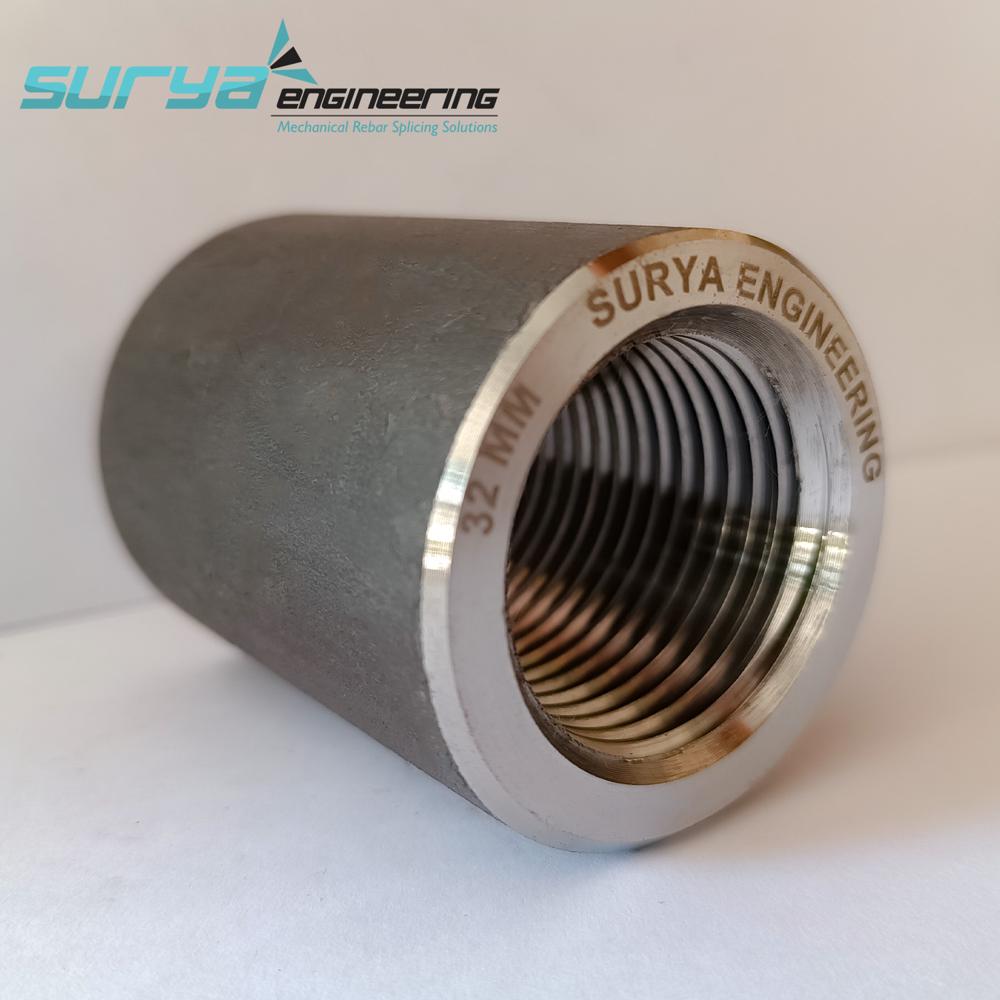
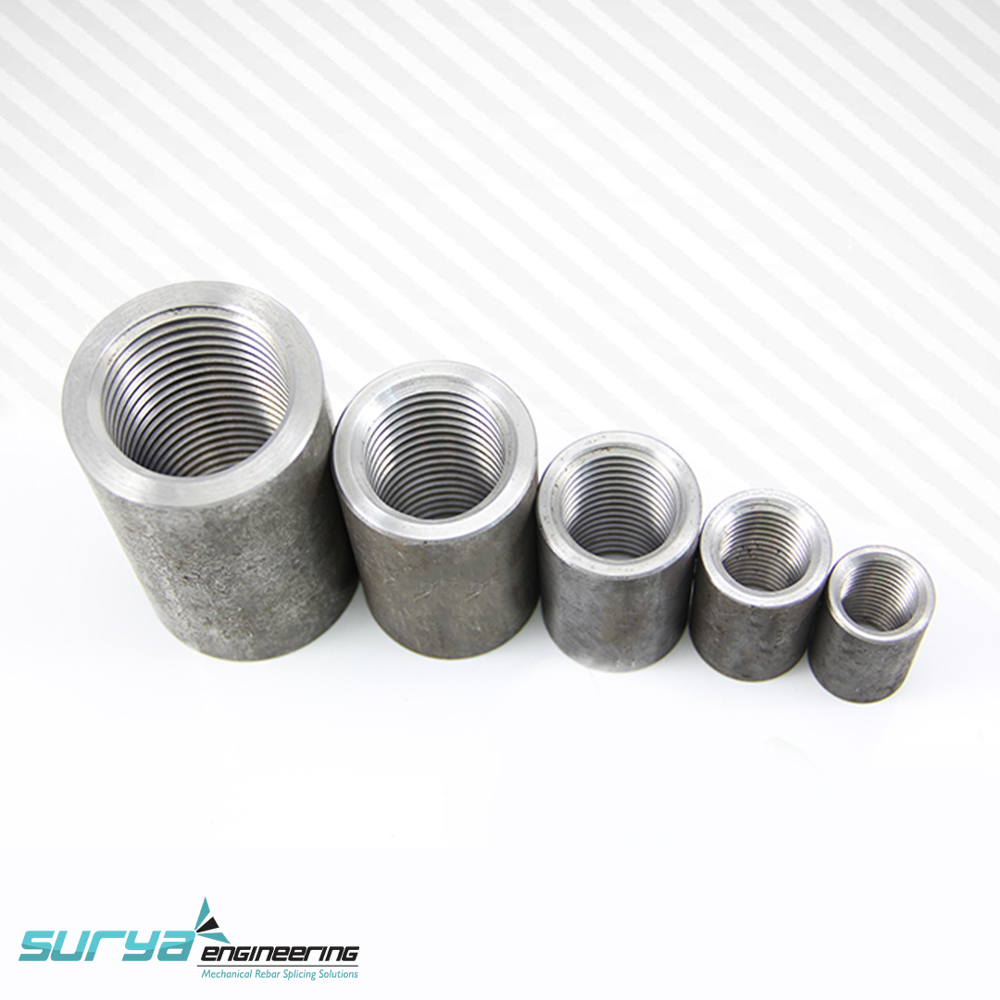
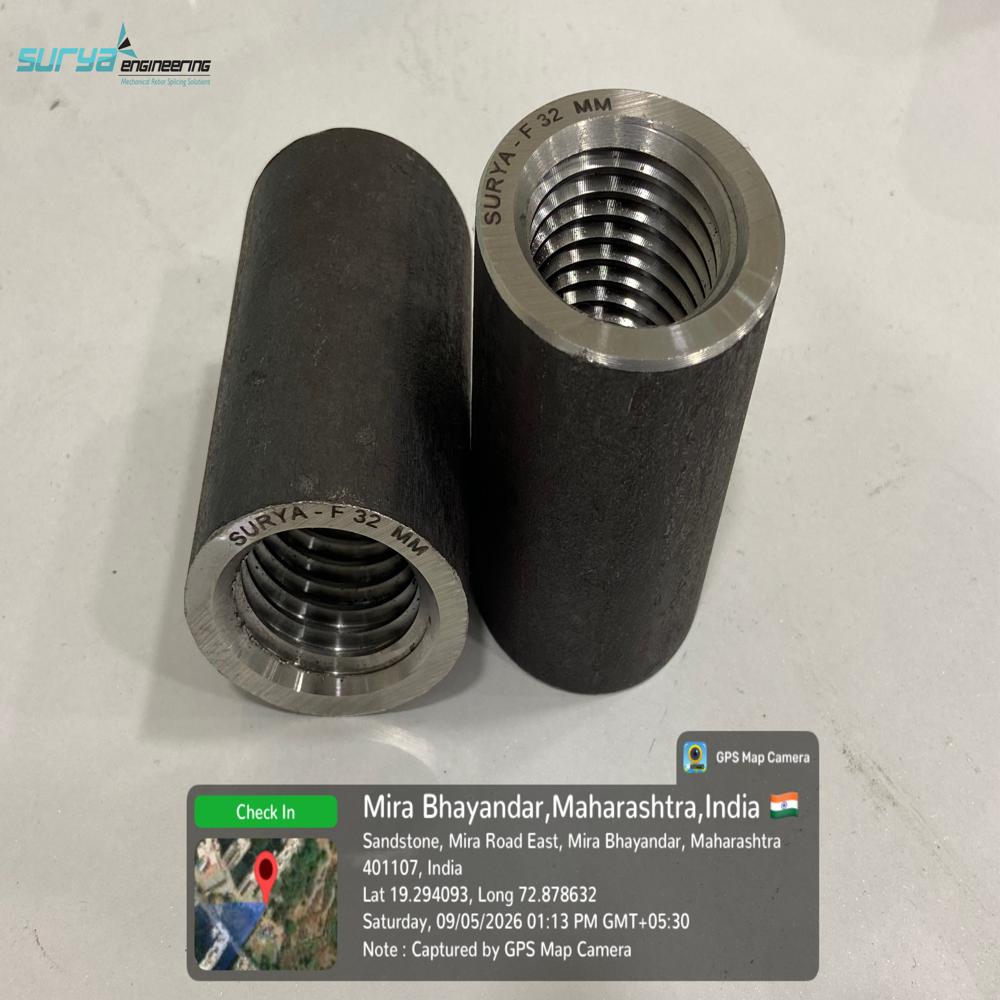
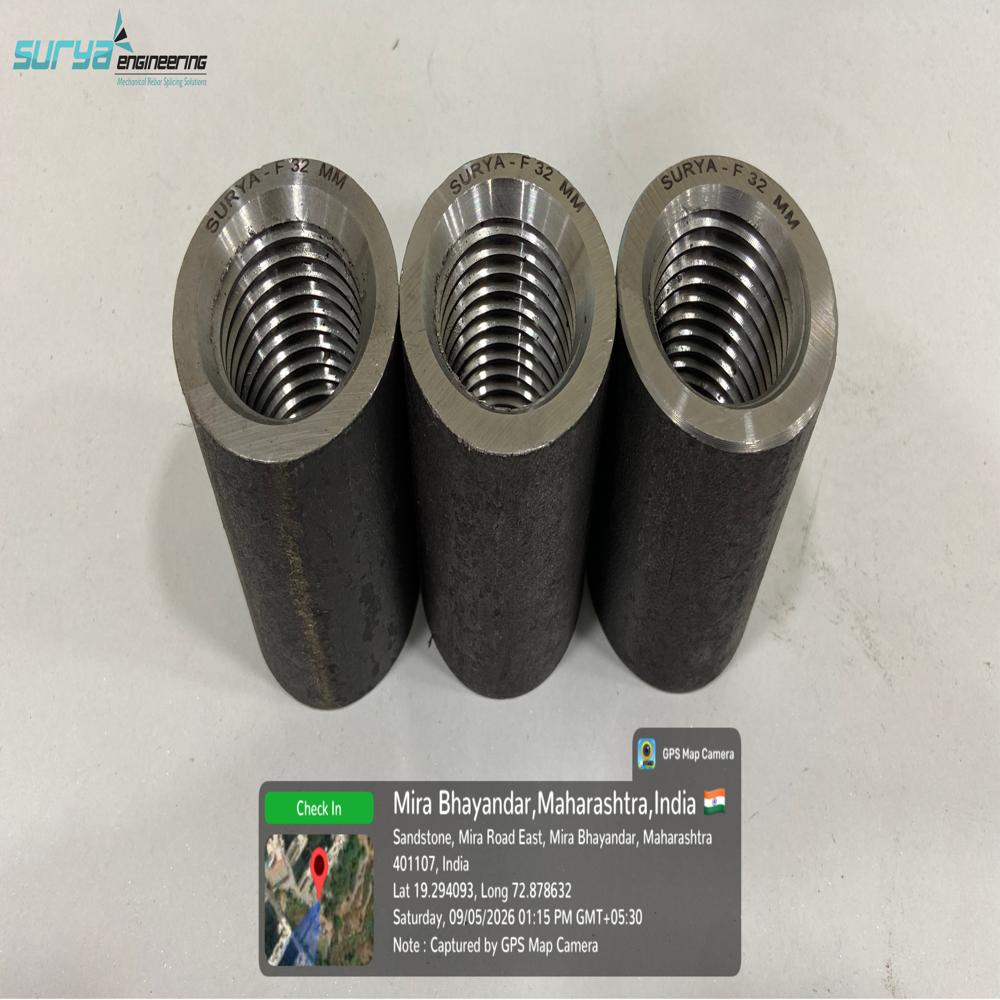
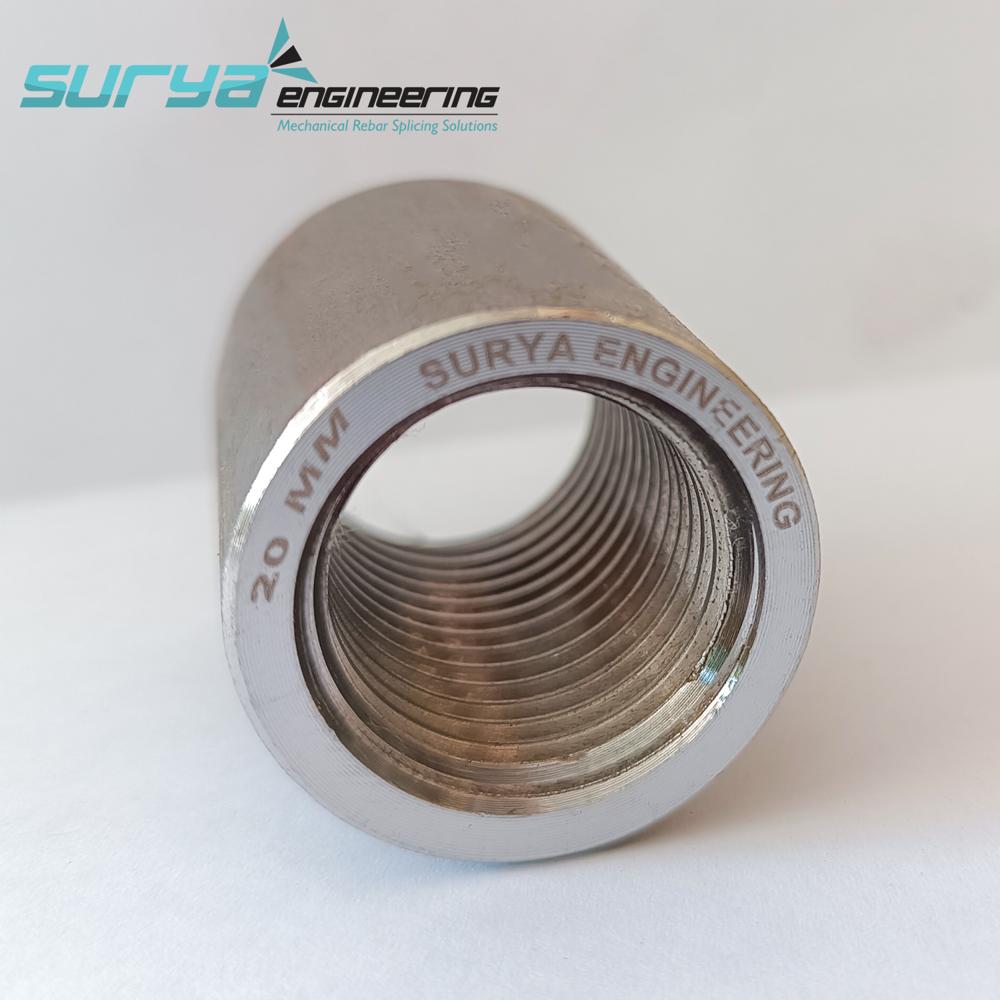
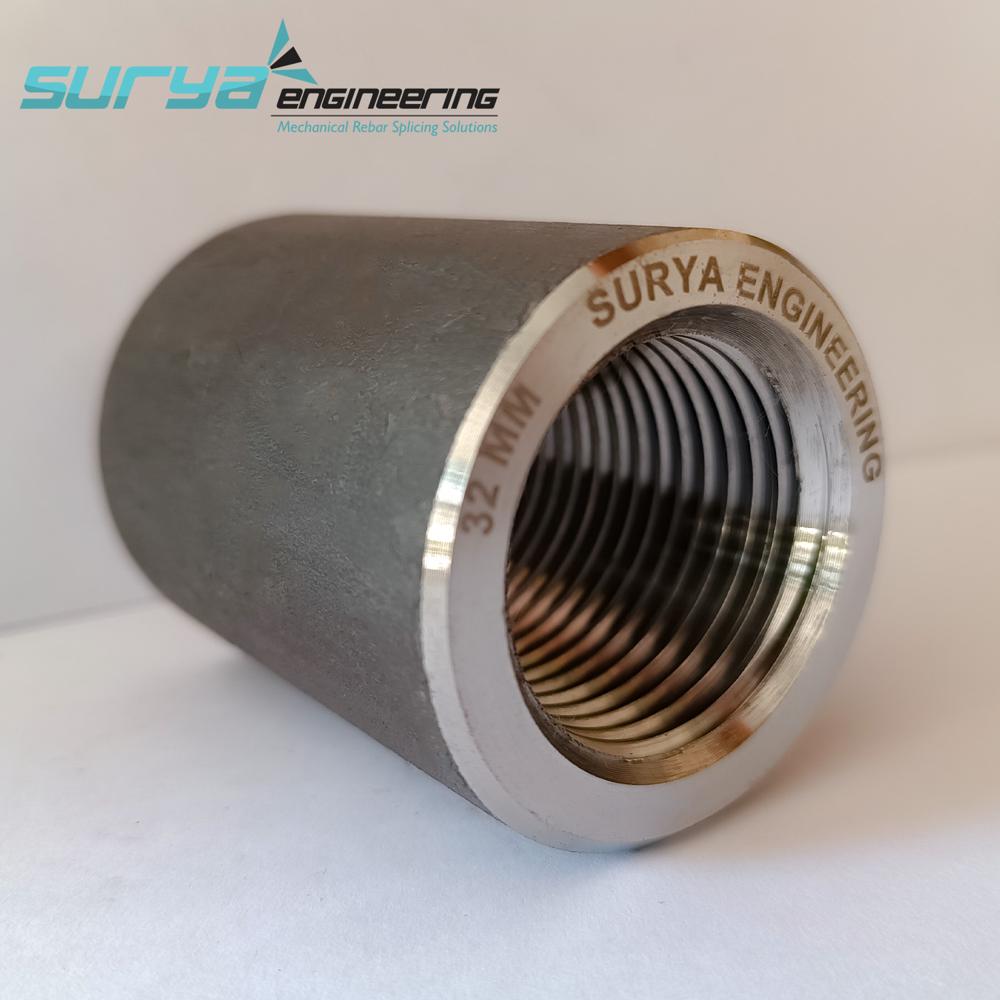
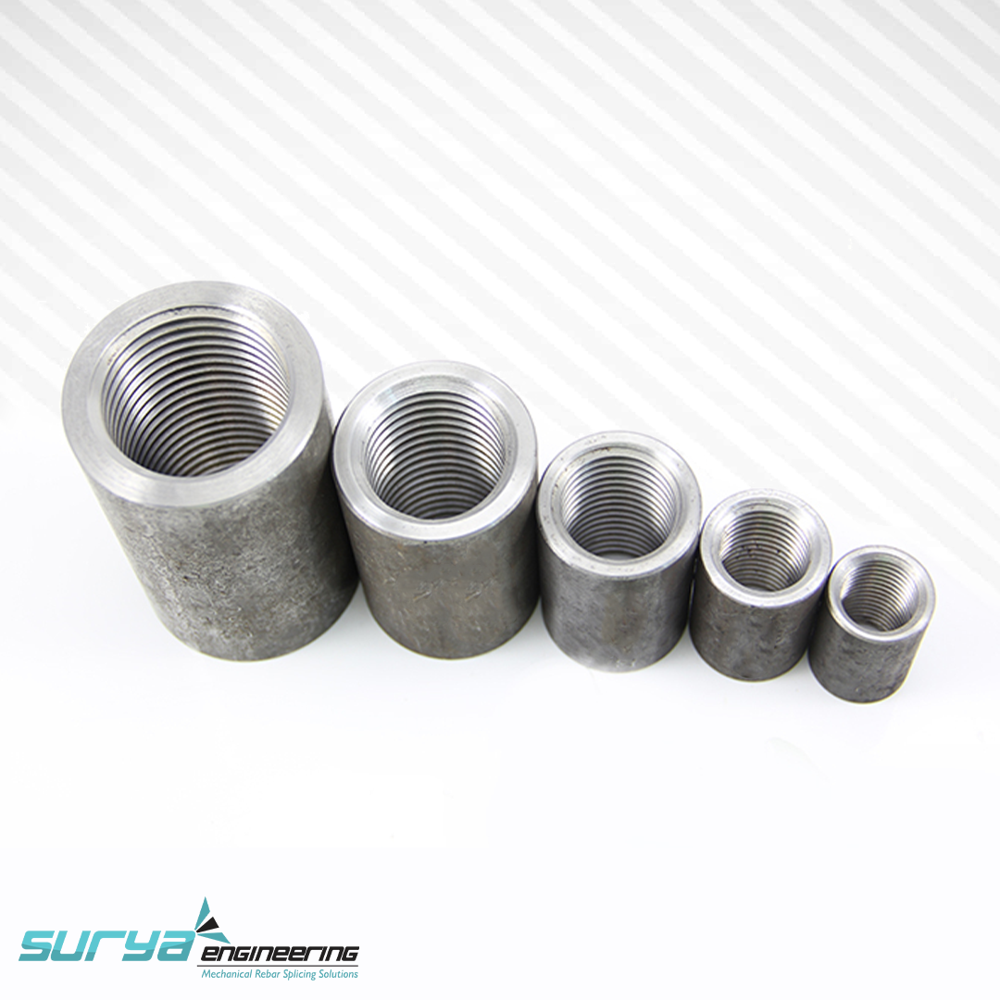
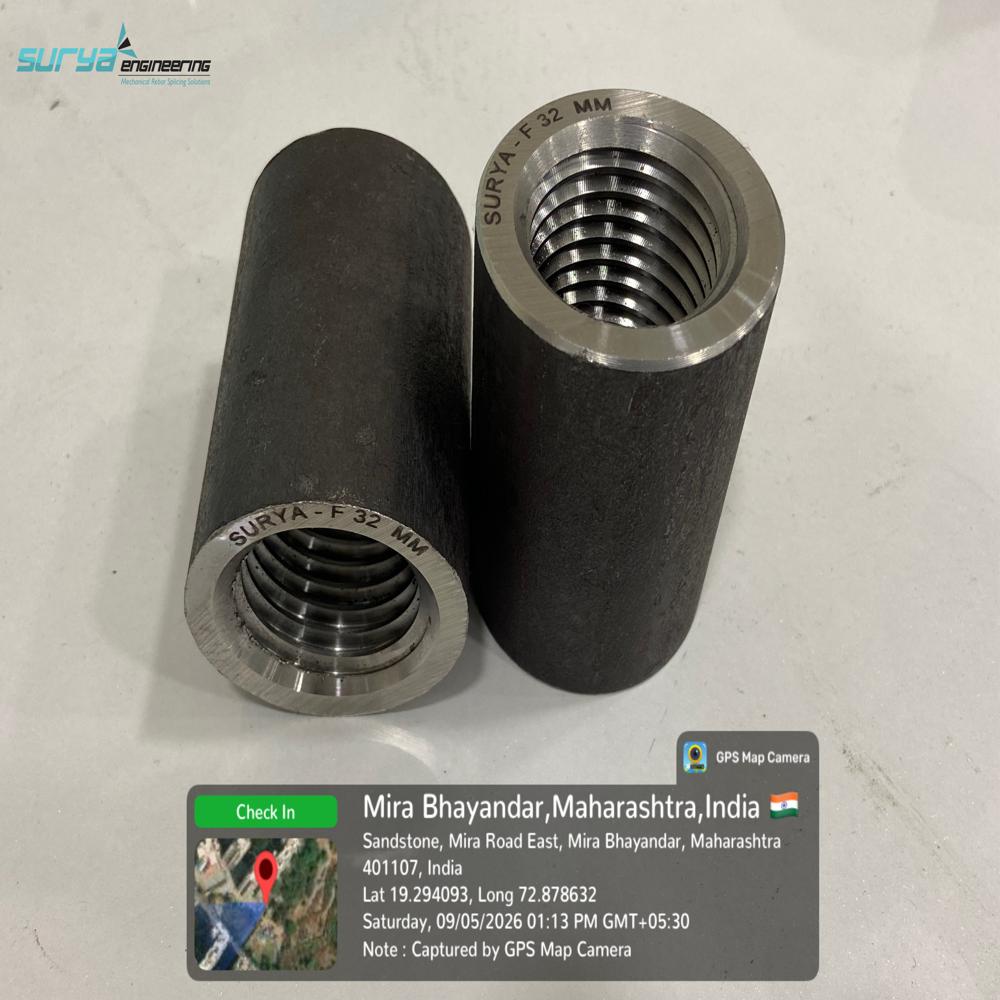
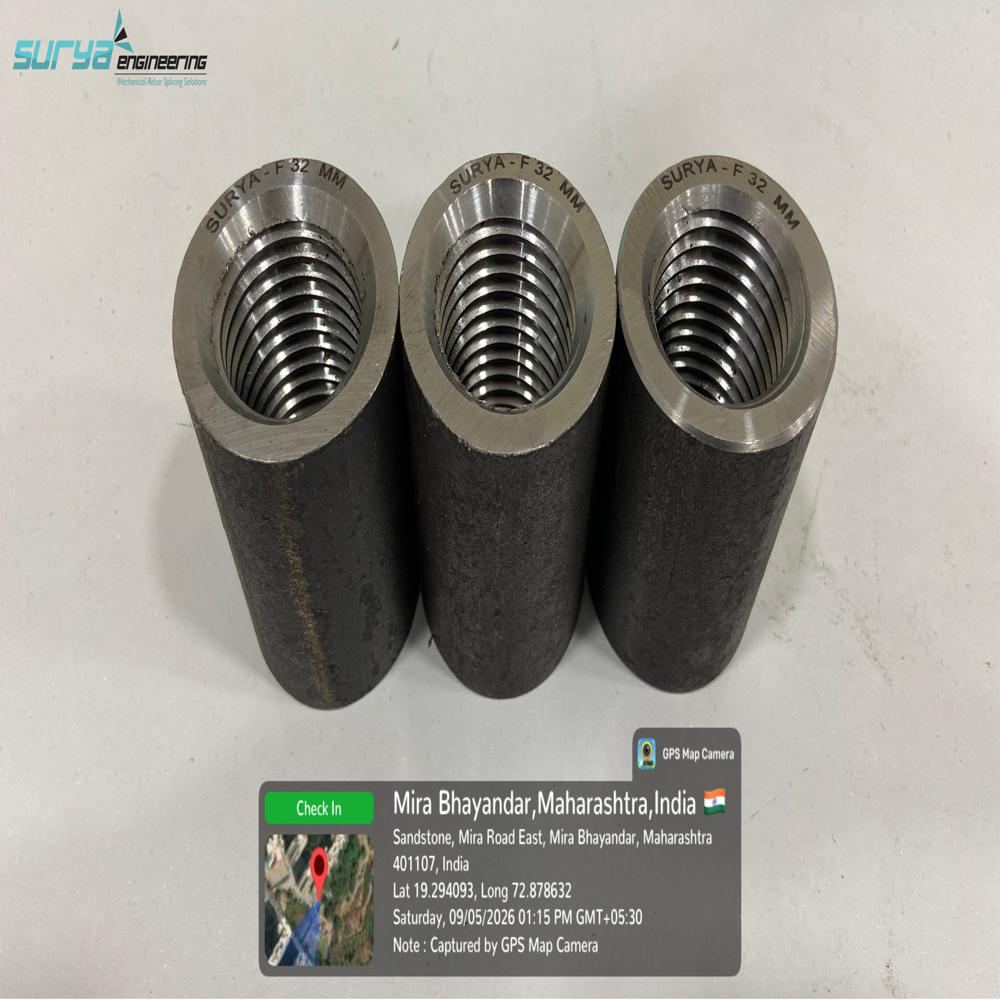
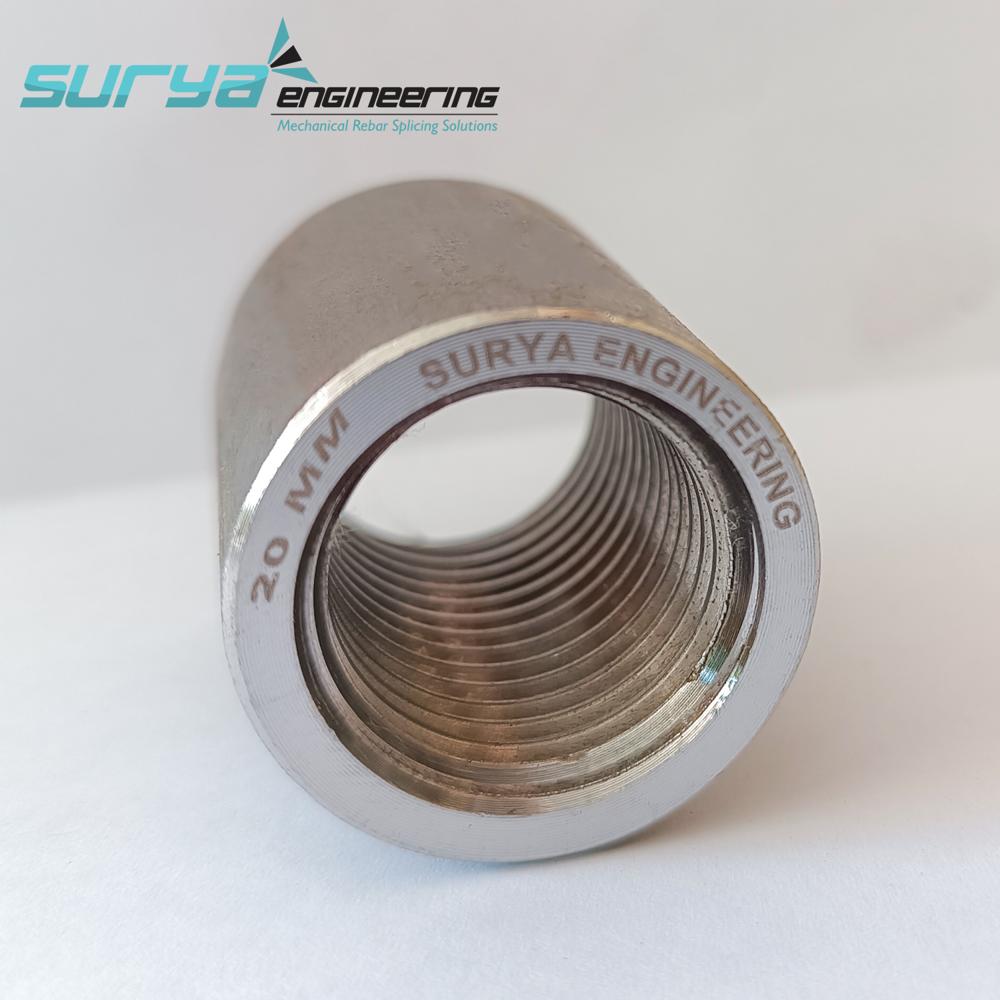
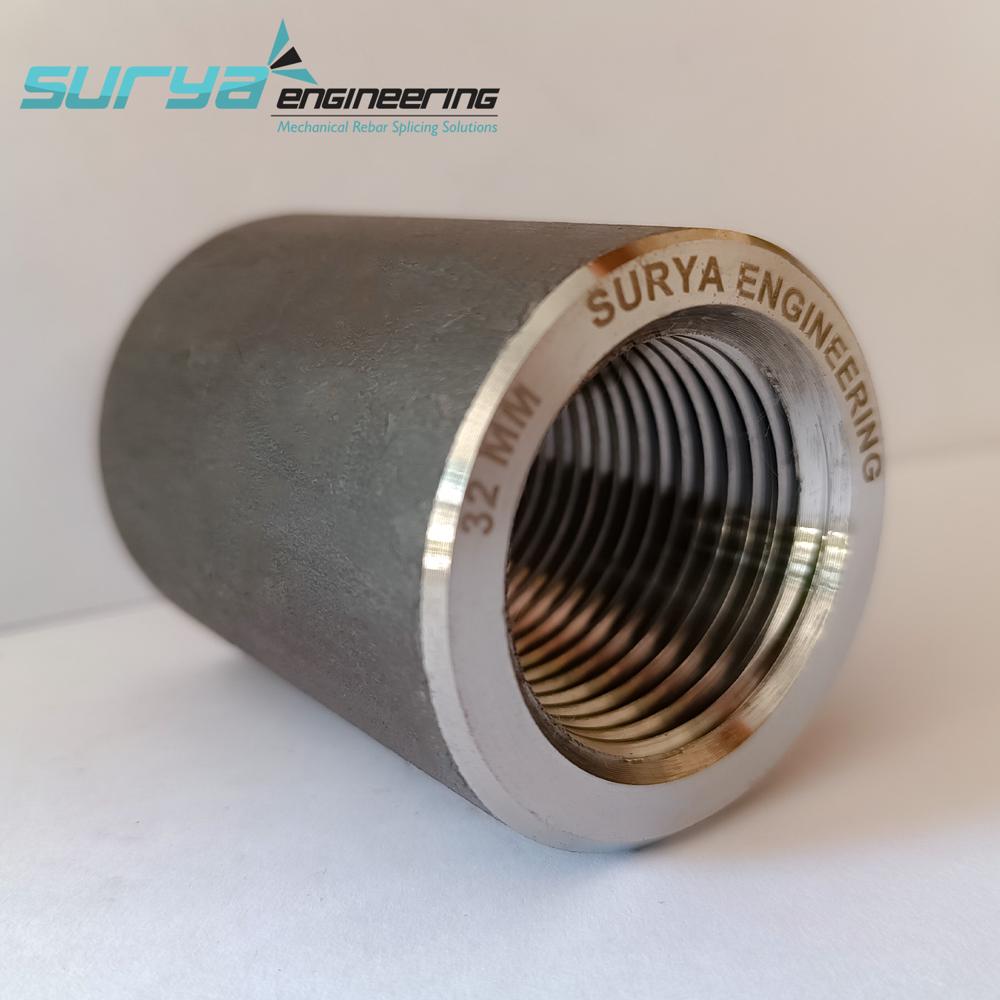
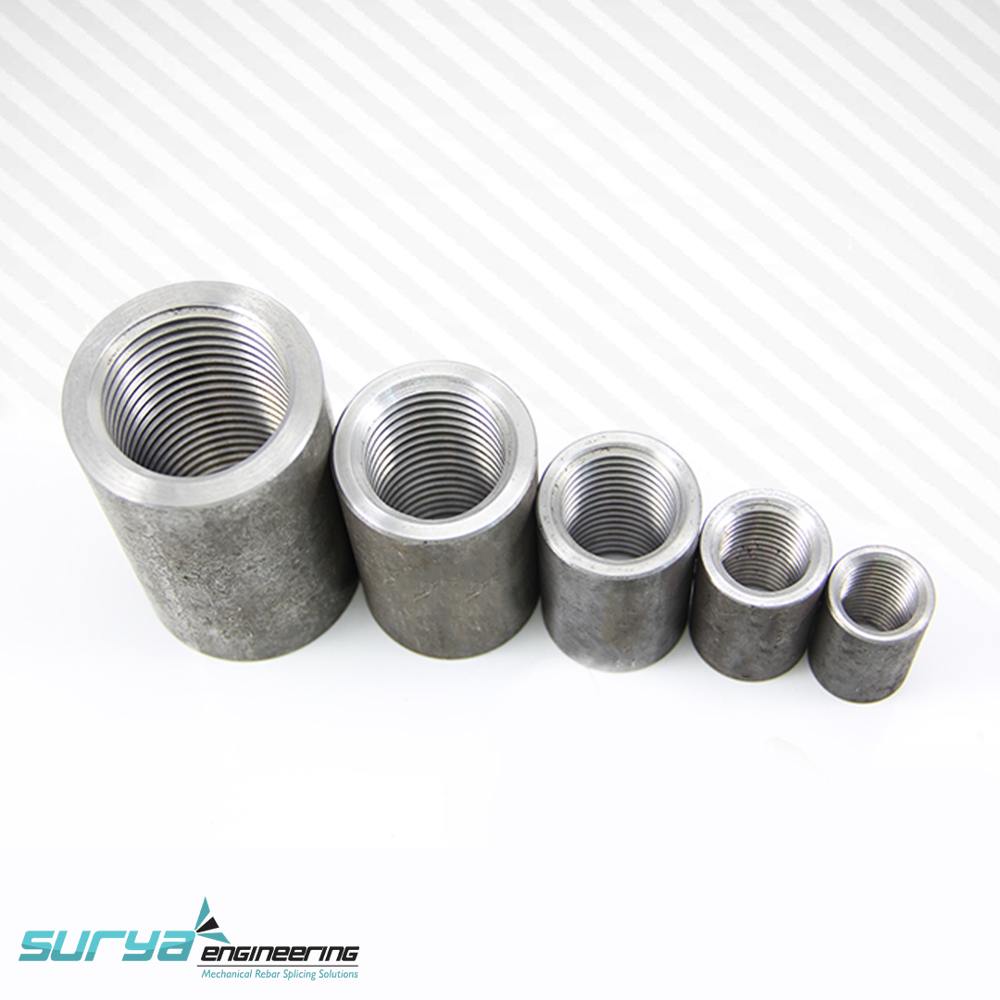
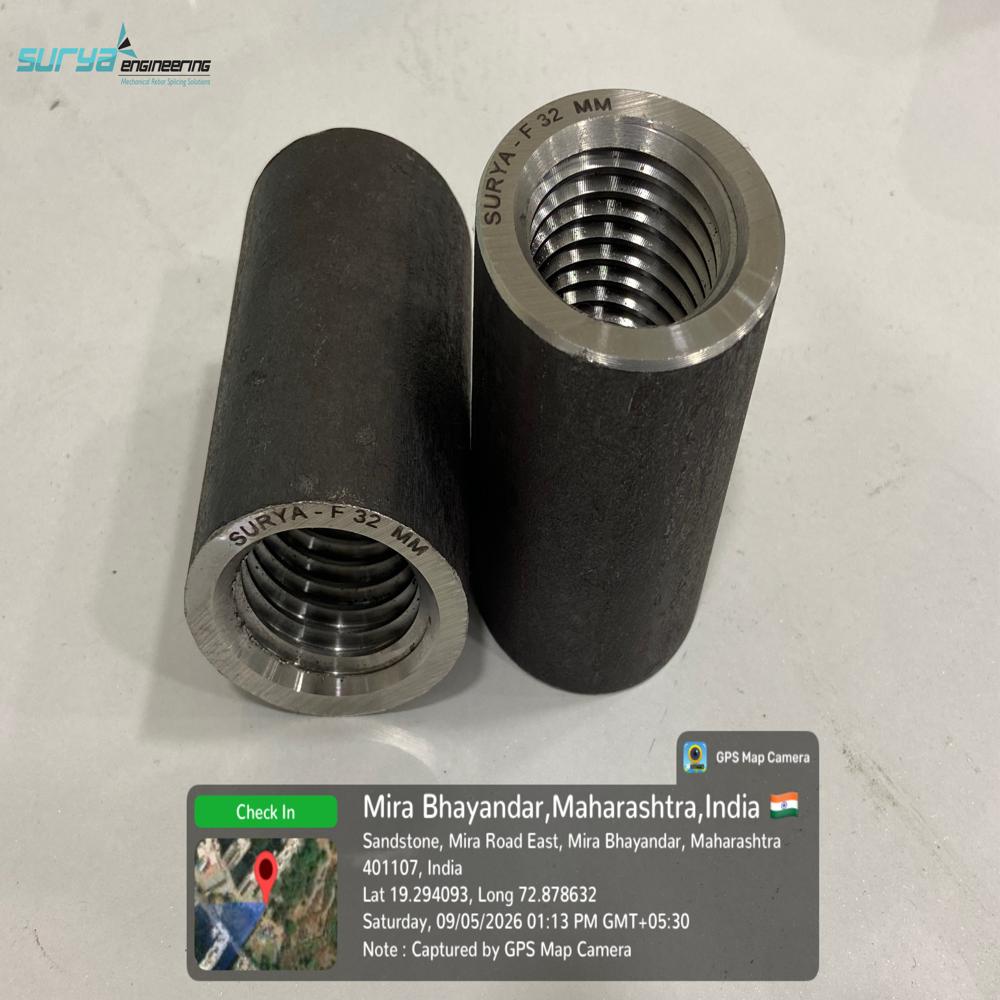

A Mechanical Rebar Coupler is a metal coupling device used to connect steel reinforcement bars in reinforced concrete structures. It acts as a replacement for conventional lap joints by mechanically joining two rebars using threaded or bolt-lock systems.
In simple words, a mechanical coupler works like a connector between two steel bars, ensuring proper load transfer and structural continuity. Since no overlapping length is required, couplers help reduce steel consumption while providing stronger reinforcement connections.
Mechanical rebar couplers are especially useful in modern projects where reinforcement congestion becomes a challenge. In heavily reinforced sections such as columns, beams, pile foundations, and retaining walls, traditional lapping can create spacing issues and affect concrete compaction. Mechanical couplers solve this problem by creating compact, high-strength joints.
The growing use of mechanical rebar couplers in India is mainly due to their efficiency, cost-effectiveness, and structural benefits. Compared to traditional lap splicing, couplers provide a more advanced reinforcement joining method.
Some major reasons for using mechanical rebar couplers include:
Because of these advantages, mechanical couplers are now widely preferred in modern infrastructure projects across India.
Mechanical rebar couplers are available in different types depending on construction requirements and installation conditions.
1. Standard Coupler
This is the most commonly used type of coupler designed to join rebars of the same diameter where one steel bar can rotate during installation.
Used in:
2. Position Coupler
Position couplers are used where neither reinforcement bar can rotate. These couplers are ideal for congested construction areas.
Applications include:
3. Reducer Coupler
Reducer couplers connect rebars of different diameters.
Commonly used in:
4. MBT Coupler (Mechanical Bolt Type Coupler)
MBT couplers are used when threading is not possible. They use locking bolts to join steel bars.
Best suited for:
5. Weldable Coupler
These couplers have one threaded side and one weldable side.
Applications include:
6. Seismic Coupler
Specially designed for structures located in earthquake-prone regions.
Used in:
Choosing the right type of coupler depends on project specifications, reinforcement design, and structural requirements.
Mechanical rebar couplers are widely used in modern construction because they offer stronger and more efficient reinforcement joining solutions.
Some major applications include:
With increasing infrastructure development in India, the demand for mechanical rebar couplers continues to grow rapidly.
Proper installation of a mechanical rebar coupler is important for ensuring maximum performance and structural safety.
Step 1: Bar End Preparation
The steel bars are cut accurately to ensure proper alignment.
Step 2: Threading Process
Threads are created on bar ends using a Rebar Thread Rolling Machine or threading machine.
Step 3: Coupler Installation
The coupler is fixed onto one threaded rebar.
Step 4: Joining of Second Bar
The second reinforcement bar is inserted and tightened securely.
Step 5: Inspection and Quality Check
The joint is inspected to ensure proper alignment and secure connection.
Correct installation ensures the coupler performs efficiently under structural loads.
In India, Mechanical Rebar Couplers are tested according to IS 16172:2023, which specifies standards for reinforcement couplers used in reinforced concrete construction.
This standard ensures couplers meet required strength, durability, and safety parameters.
Important Tests Conducted Under IS 16172:2023
Tensile Strength Test
Checks whether the coupler can withstand required tensile loads without failure.
Slip Test
Measures movement between the rebar and coupler under load.
Fatigue Test
Evaluates long-term performance under repeated loading conditions.
Cyclic Tensile Test
Checks performance under continuous tension and stress.
Thread Engagement Test
Ensures secure thread locking between steel bars and coupler.
These tests help maintain high standards of structural safety and performance.
Mechanical rebar couplers offer several benefits over conventional lap joints.
Major Advantages Include:
Because of these advantages, mechanical couplers are becoming the preferred choice for contractors and engineers.
At Surya Engineering, we manufacture high-quality Mechanical Rebar Couplers in India using premium-grade steel and advanced manufacturing technology. Our couplers are designed for high tensile strength, dimensional accuracy, and long-lasting performance.
We proudly supply Mechanical Rebar Couplers across Mumbai, Pune, Delhi, Ahmedabad, Bengaluru, Hyderabad, Chennai, Kolkata, Jaipur, Lucknow, Patna, Surat, Indore, Chandigarh, and Pan India locations for residential, commercial, and infrastructure projects.

Price:
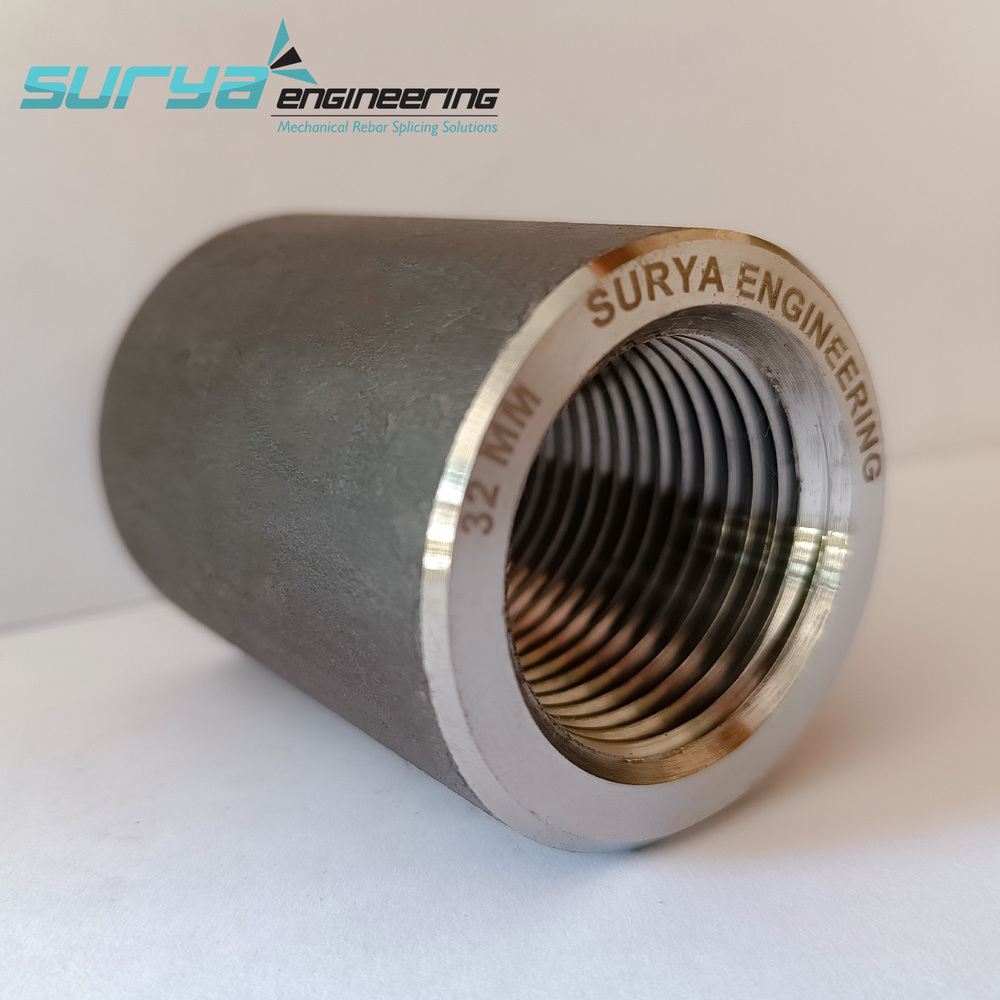
Price 25 INR / Piece
Minimum Order Quantity : 1000000 Pieces
Application : CONSTRUCTION / INDUSTRIAL
Surface Treatment : Galvanized, Zinc Coated
Material : MS STEEL
Color : Grey
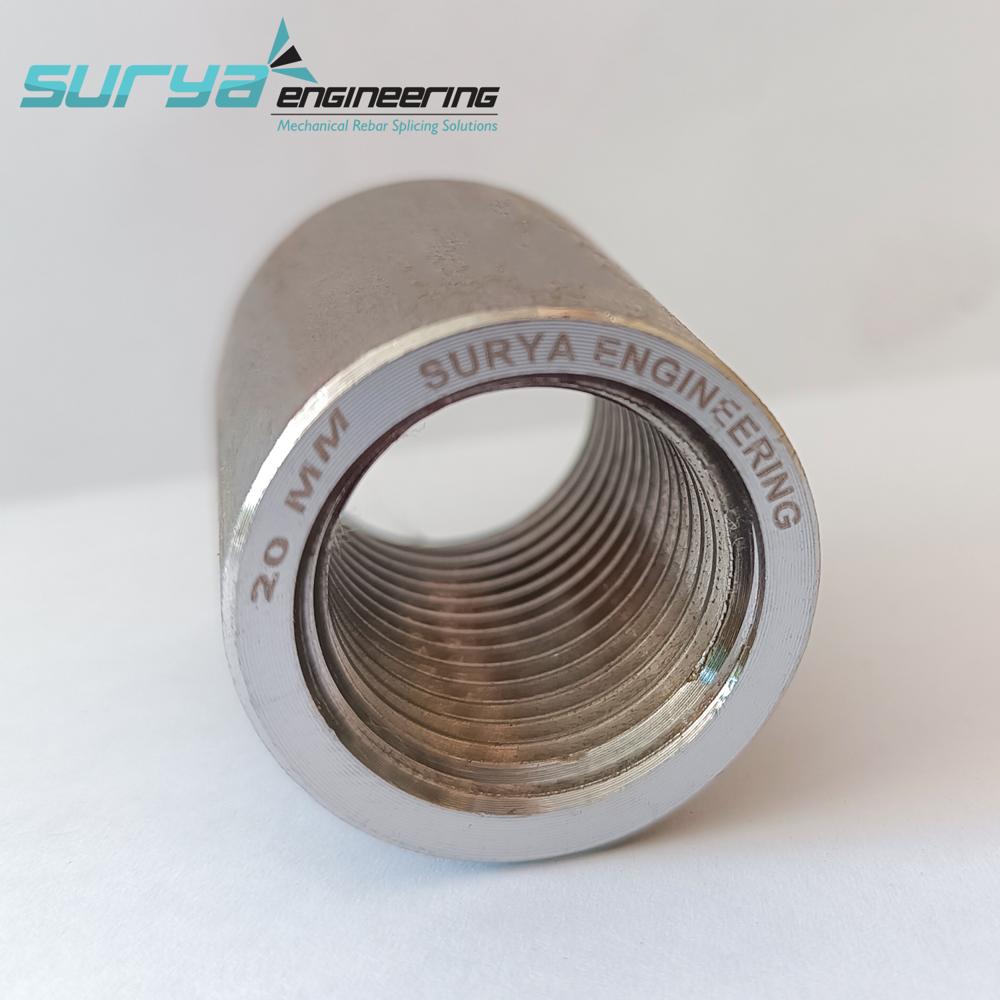
Price 39.0 INR / Piece
Minimum Order Quantity : 500 Pieces
Application : Construction
Surface Treatment : Hot Dipped Galvanized
Material : Mild Steel
Color : Black
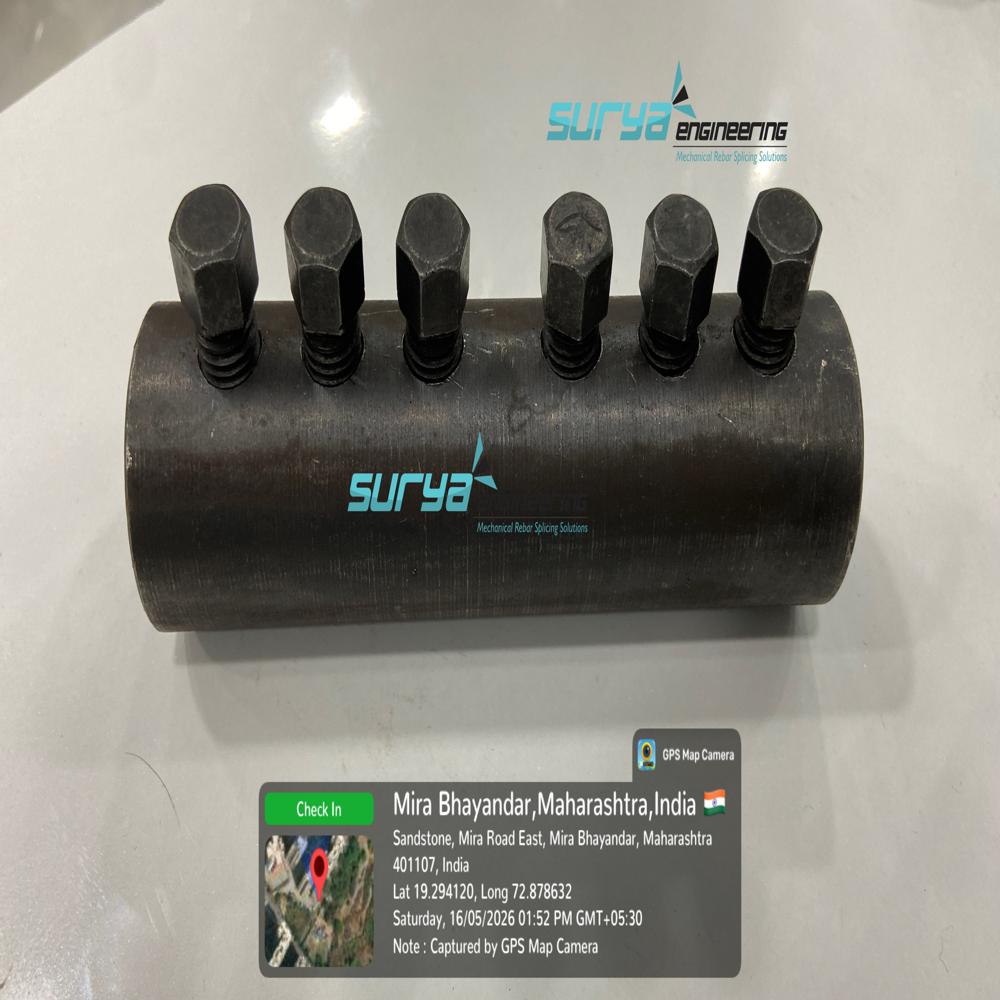
Price 120.0 INR / Piece
Minimum Order Quantity : 100 Pieces
Application : Construction
Surface Treatment : Galvanized
Material : MS
Color : Grey
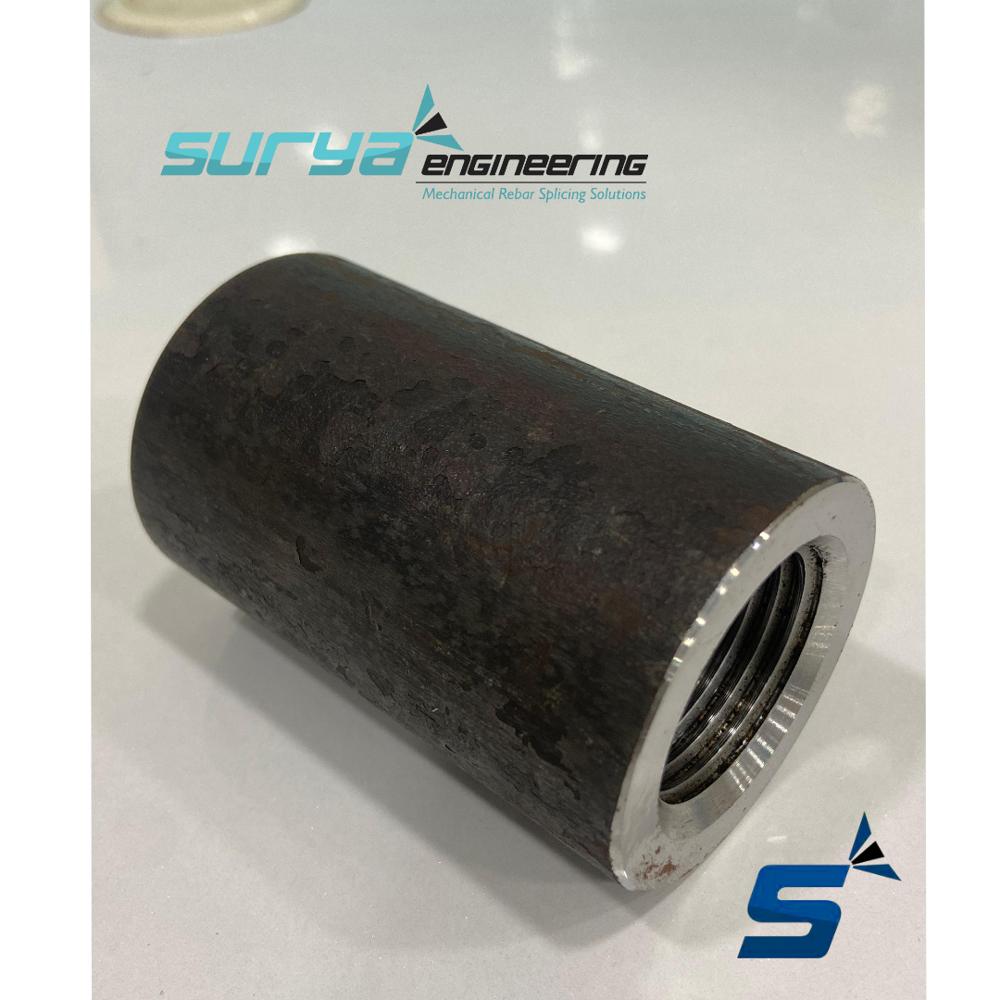
Price 60.0 INR / Piece
Minimum Order Quantity : 10 Pieces
Application : TMT Joint
Surface Treatment : heat Treatment
Material : EN8D
Color : Black





 Send Inquiry
 English
 Spanish
 French
 German
 Italian
 Chinese (Simplified)
 Japanese
 Korean
 Arabic
 Portuguese