REBAR COLD FORGING MACHINE About
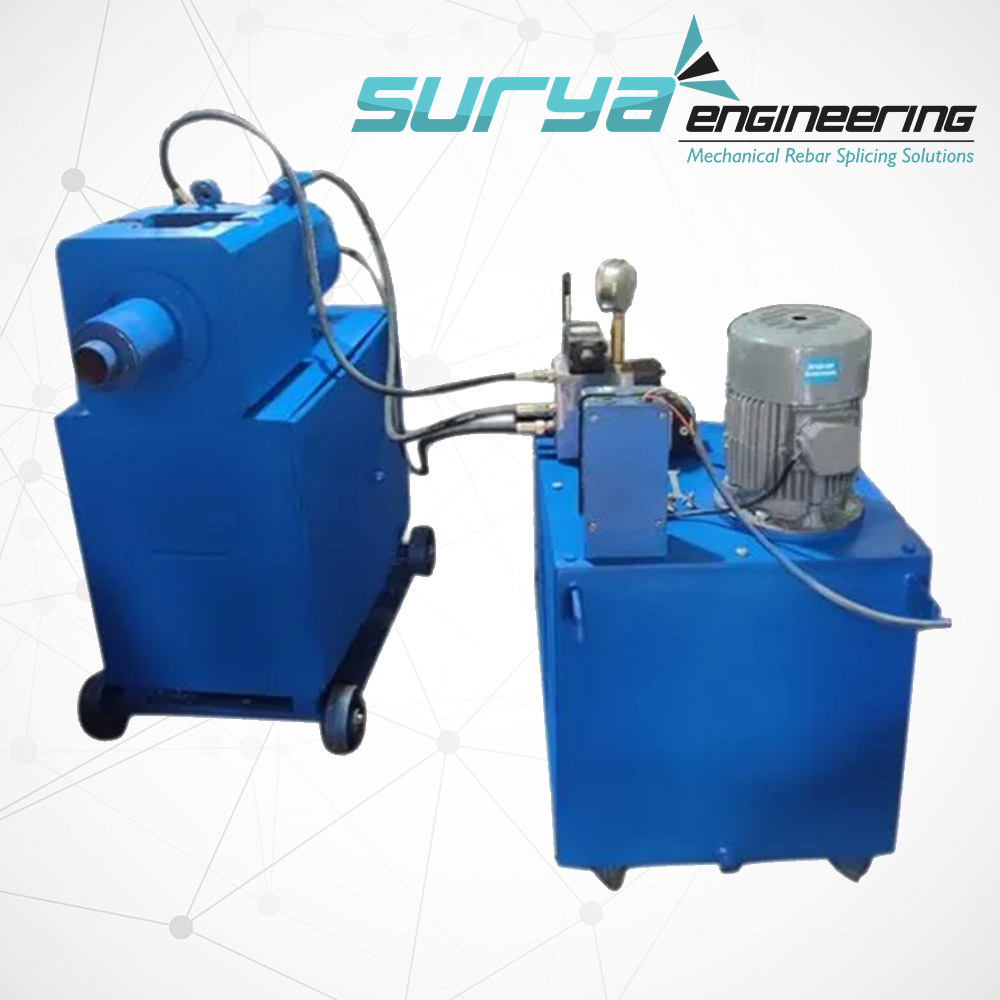
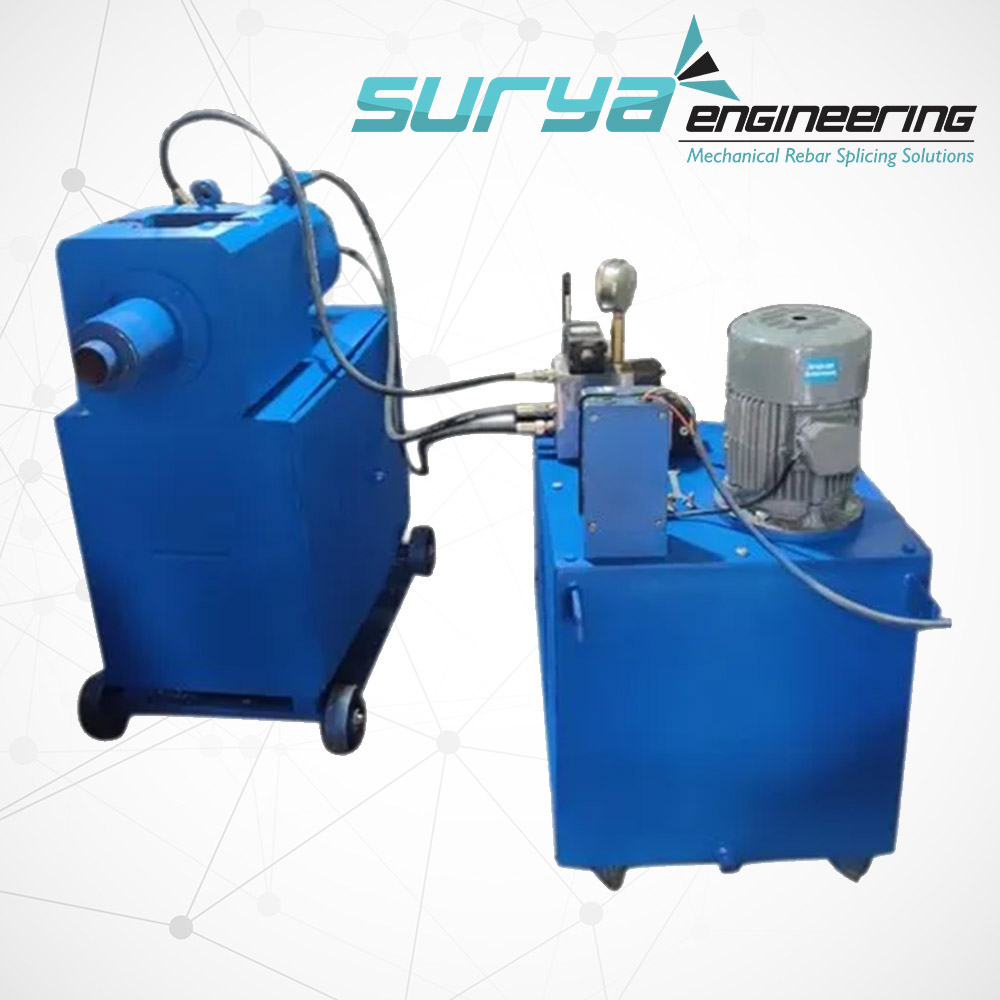
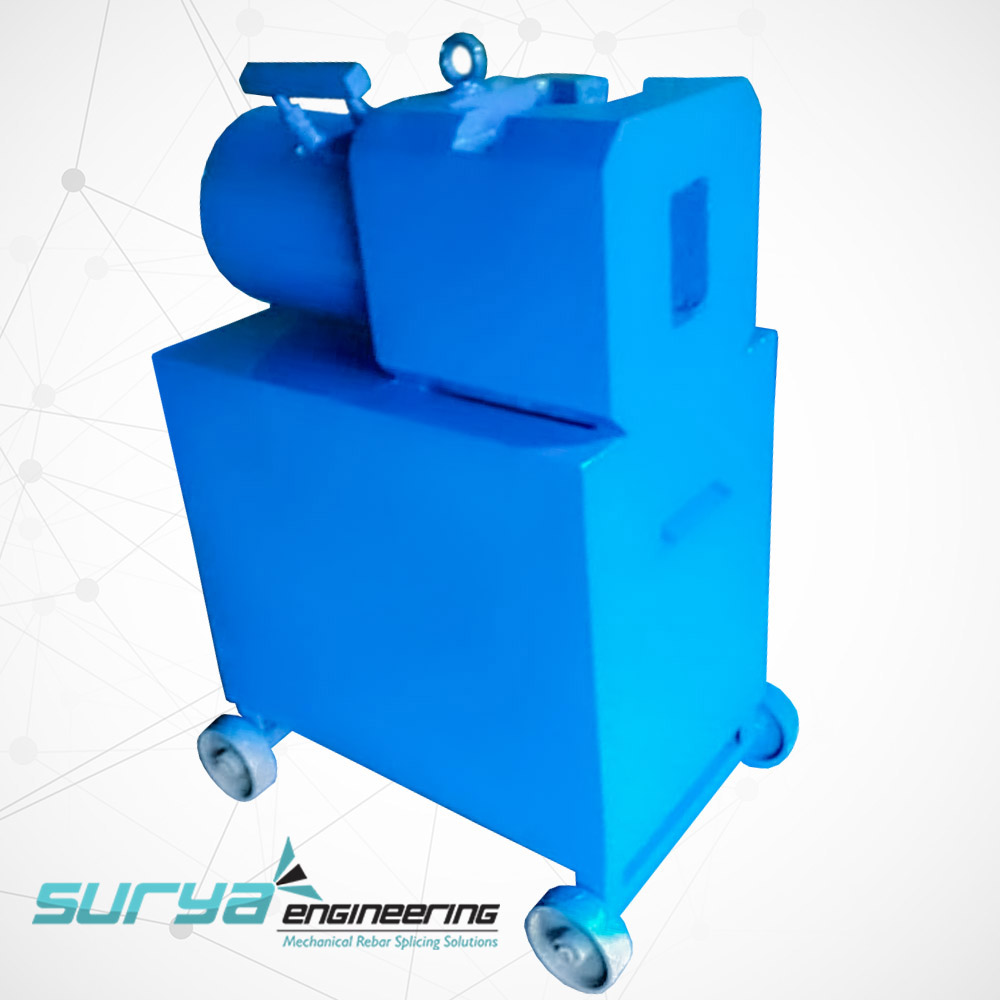
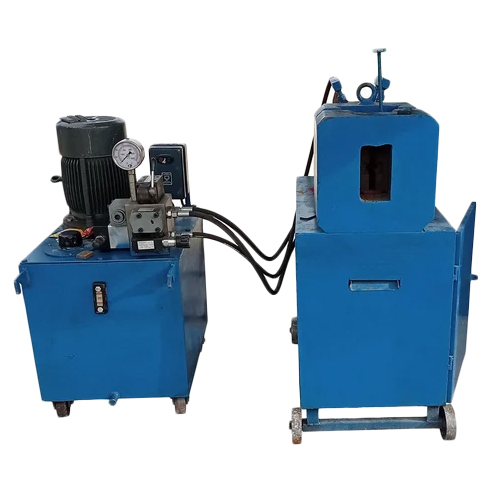
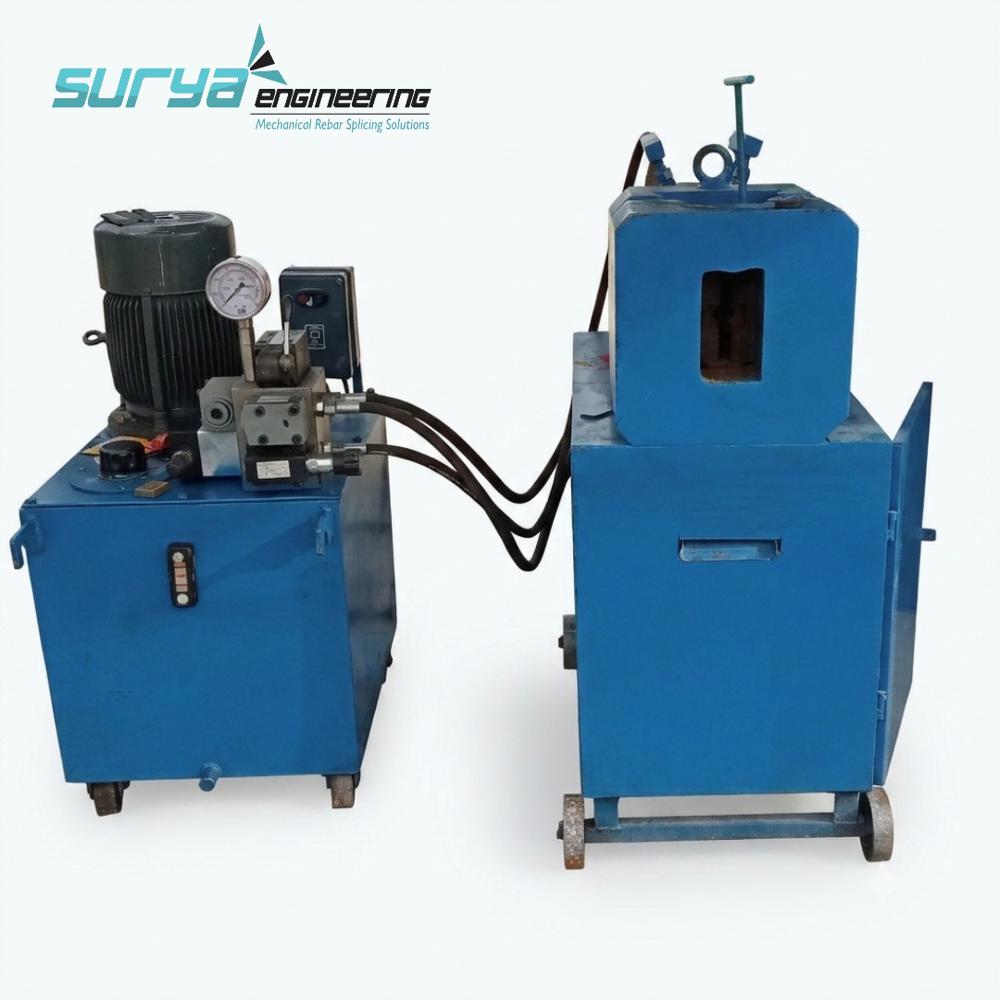
Overview A Cold Forging Machine is an advanced industrial equipment designed to shape metal components at room temperature using high-pressure force, without the need for heating the material. This process ensures superior material strength, precision, and cost-efficiency, making it ideal for mass-producing high-quality metal parts such as bolts, screws, rivets, gears, and automotive components. Cold forging machines are widely used in automotive, aerospace, construction, and electronics industries due to their ability to deliver consistent, high-tolerance results with minimal material waste. ---Key Features 1. High-Pressure Capacity - Engineered to exert extreme force (ranging from 50 to 2,500 tons) for shaping hard metals like steel, aluminum, and alloys. - Ensures precise deformation and uniformity in finished products. 2. Precision Engineering - Equipped with CNC controls or programmable logic controllers (PLCs) for accurate, repeatable operations. - Advanced die systems for complex geometries and tight tolerances (0.01 mm). 3. Durability and Reliability - Robust construction with hardened steel components to withstand high-stress operations. - Low-maintenance design for extended service life. 4. Energy Efficiency - Operates at room temperature, eliminating energy costs associated with heating. - Reduced material waste compared to traditional machining or hot forging. 5. Versatility - Compatible with a wide range of materials (ferrous and non-ferrous metals). - Capable of multi-stage forging processes (heading, extruding, threading, etc.). 7. Safety Features - Emergency stop systems, protective guards, and sensors to ensure operator safety. - Compliance with international safety standards (CE, ISO). ---Applications - Automotive Production of engine components, gears, shafts, and fasteners. - Aerospace High-strength bolts, rivets, and structural parts. - Electronics Precision connectors, pins, and small metal components. - Construction Anchors, nails, and reinforcement fittings. - Consumer Goods Hardware, tools, and decorative metal items. ---Benefits - Cost Savings Reduced material waste and energy consumption. - Enhanced Material Properties Cold forging increases metal density and strength. - High Production Rates Capable of producing thousands of parts per hour. - Sustainability Eco-friendly process with minimal scrap and no emissions. ---Technical Specifications - Tonnage Range 502,500 tons (customizable). - Speed 30150 strokes per minute (SPM). - Material Compatibility Steel, aluminum, copper, brass, titanium, etc. - Power Supply Hydraulic, mechanical, or servo-electric drive systems. - Dimensions Compact to large-scale models, tailored to facility requirements. - Control System Touchscreen HMI, PLC, or CNC interface. - Tooling Options Custom dies and molds for specific part designs. ---Reliable Performance and High ProductivityThis REBAR COLD FORGING MACHINE is specifically built to handle intense workloads, managing up to 40-60 pieces of rebar per hour with a maximum upsetting length of 100 mm. The water-cooled system maintains lower operating temperatures, extending component life and ensuring consistent performance.
Advanced Control and Safety FeaturesOperators benefit from both automatic and manual modes, enhancing usability and safety. The machine's low noise emission, below 80 dB, ensures a more comfortable working environment, while the sturdy steel frame provides high hardness and long-term durability.
FAQ's of REBAR COLD FORGING MACHINE:
Q: How does the REBAR COLD FORGING MACHINE operate?
A: The machine uses a forging process to strengthen and modify rebars by compressing their ends at high pressure-up to 25 MPa-without heating. You can choose between automatic or manual control modes depending on your operational needs.
Q: What is the recommended usage for this cold forging machine?
A: This machine is ideal for industries requiring reinforcement bar processing-such as construction, civil engineering, and manufacturing. It's designed for use with rebars measuring from 16 mm to 40 mm in diameter and can upset lengths up to 100 mm.
Q: When should I use automatic versus manual control on this machine?
A: Automatic mode is best for repetitive, high-volume tasks, maximizing efficiency and production capacity. Manual mode offers greater operator control, which is useful for custom tasks or when working with varying material specifications.
Q: Where is this machine typically installed and used?
A: The machine is suitable for use in production workshops, construction sites, and industrial rebar preparation facilities. As a distributor, exporter, importer, and manufacturer in India, it's widely utilized for both local and international projects.
Q: What maintenance is required for optimal machine performance?
A: Regular checks of the water cooling system and lubrication of moving parts are essential. Ensure the machine remains clean, monitor pressure levels, and follow scheduled inspections to sustain high performance and extend equipment life.
Q: What are the key benefits of using this cold forging machine?
A: It maximizes processing speed, ensures uniform rebar strength, and operates at a low noise level. The automatic/manual control system promotes safety and flexibility while the high hardness and polished steel body offer durability for demanding environments.
Q: How is the surface of the rebar affected by the cold forging process?
A: The cold forging process creates a smooth, uniform, and tightly compacted surface on the rebar ends. This improves mechanical properties, leading to better joint integrity and increased overall structural strength in construction applications.








 Send Inquiry