About PVC Manhole Steps
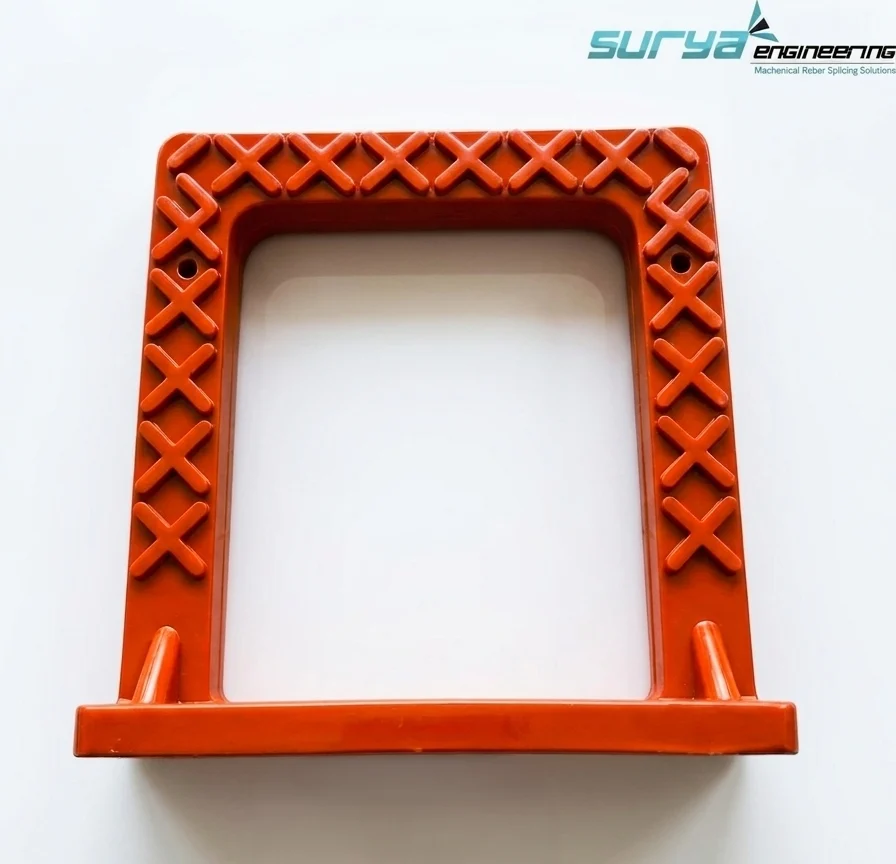
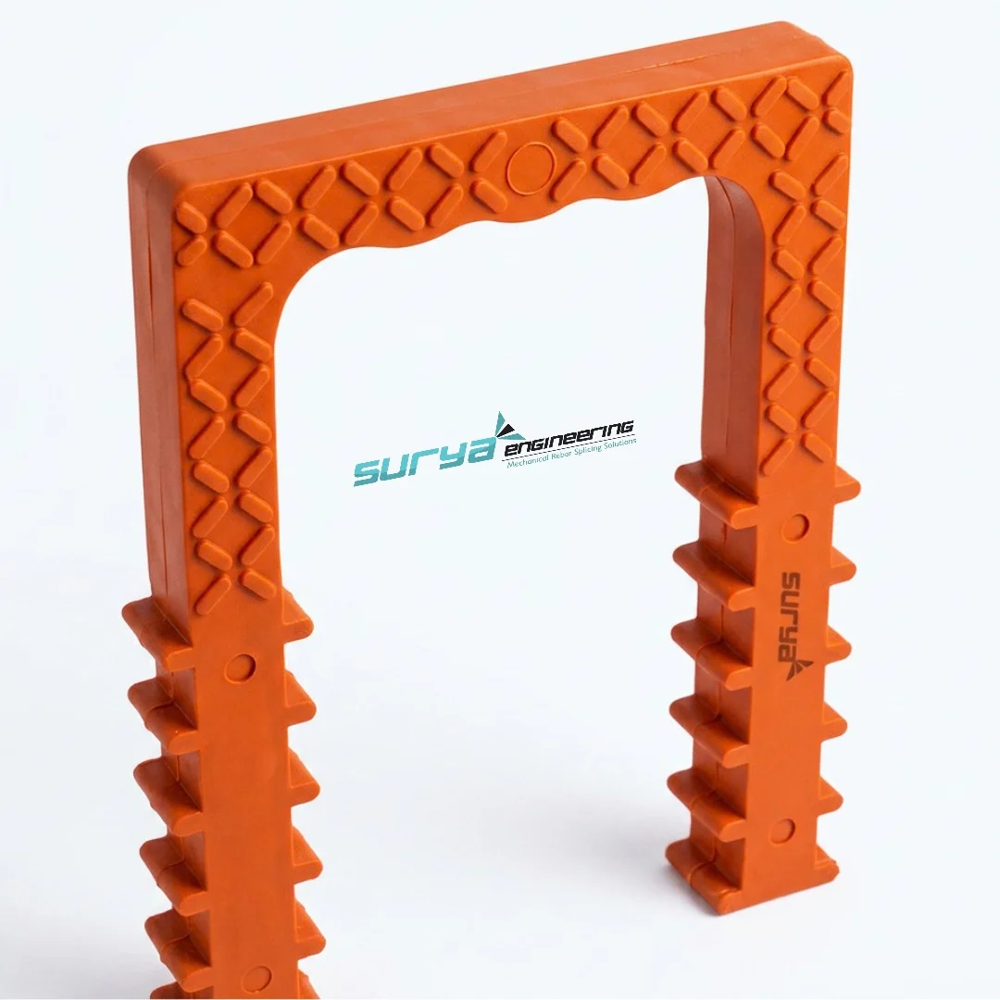
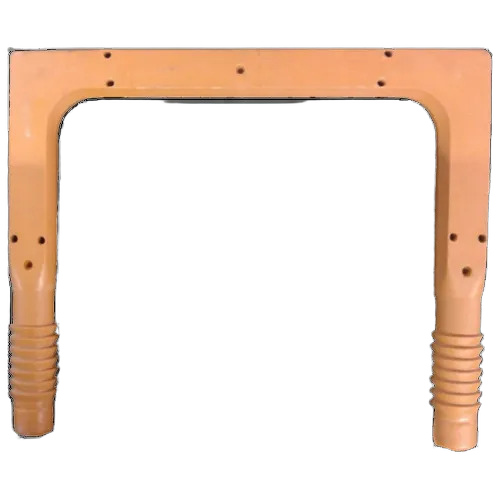
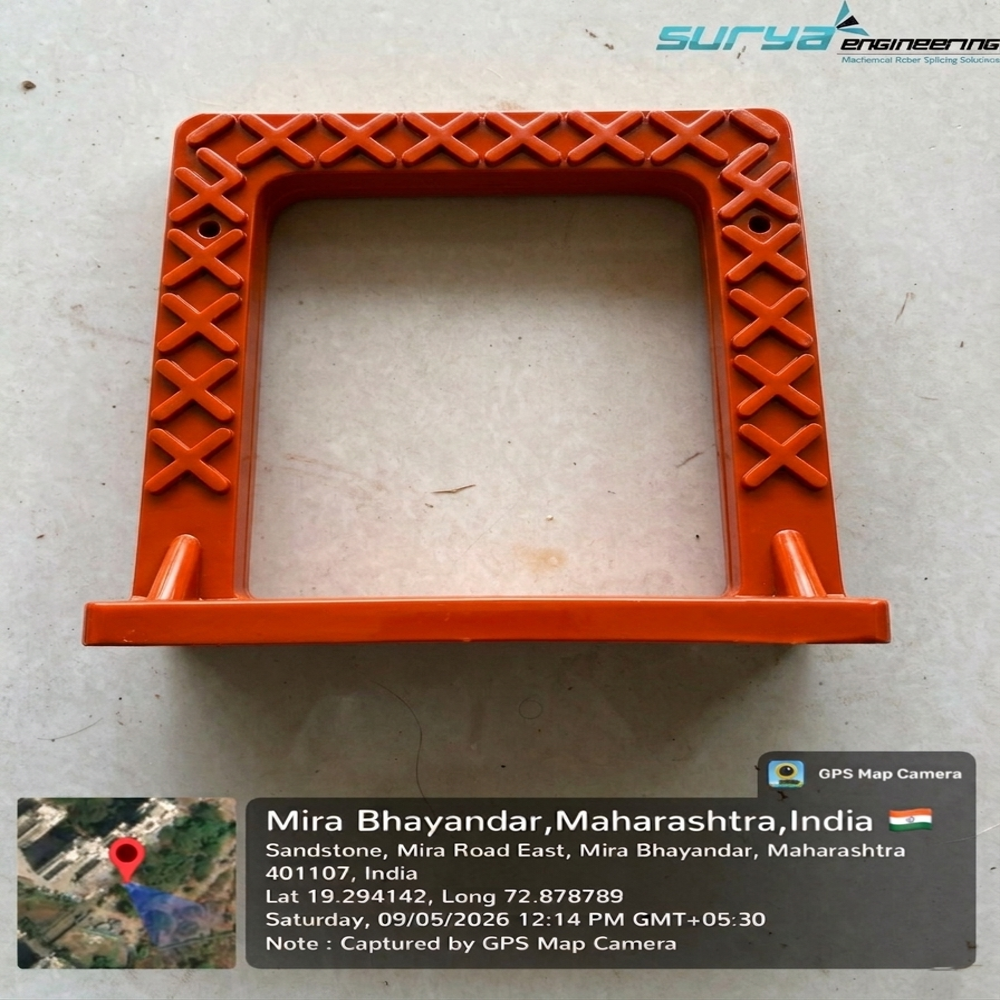
PVC Manhole Footstep
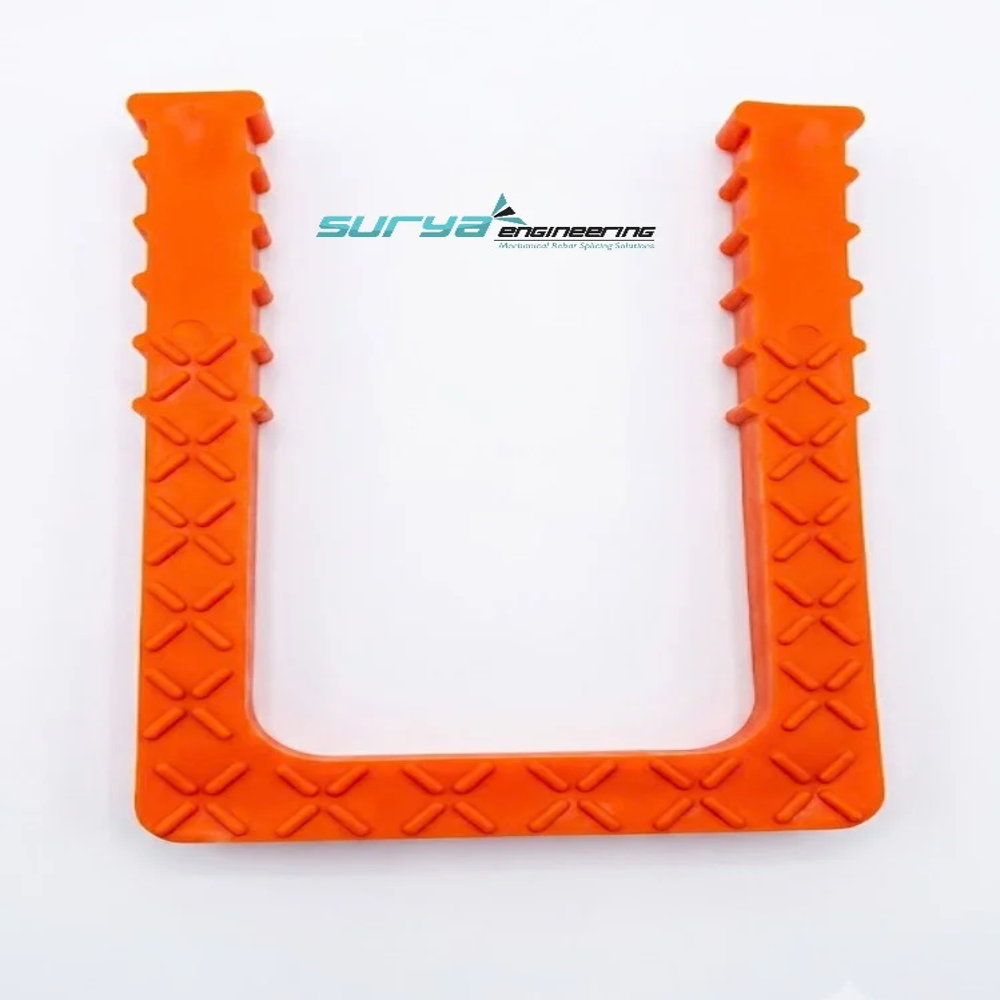
A PVC Manhole Step is a step-shaped component installed inside a manhole, inspection chamber, or underground utility access chamber. Its purpose is to help maintenance workers climb down into and out of the chamber when inspecting drainage systems, sewer lines, or underground infrastructure.
To keep this useful for Surya Engineering, I'll explain the product from a practical engineering and buyer's perspective rather than copying descriptions from Google or other websites. The explanation below is based on general engineering principles, material behavior, and typical product applicationsnot on a verified manufacturer-specific datasheet.
What is a PVC Manhole Step?
A PVC manhole step generally consists of a rigid step body or structural core with a polyvinyl chloride (PVC) outer coating or covering, depending on the product design.
The step is embedded into, or mechanically fixed to, the inner wall of a manhole. Its projecting section provides a foothold, while the embedded or anchored ends transfer the load into the chamber wall.
Important distinction: PVC can refer to the protective outer coating rather than the entire load-bearing structure. A product made entirely from PVC and a steel-core step coated with PVC are different designs, with different load-bearing capabilities.
How does a PVC Manhole Step work?
1. Structural core
The internal steel or other specified reinforcement provides the main structural strength in reinforced designs. Its diameter, material grade, shape, and bending quality influence how the step behaves under load.
2. Protective outer layer
The PVC covering separates the reinforcement from moisture and direct contact with the surrounding environment. Its thickness, bonding, and coverage matter because exposed steel can corrode.
3. Wall anchorage
The ends of the step are embedded or secured in the chamber wall. The installation must resist the downward force and the outward bending moment created when a person steps on it.
The important engineering point is that a strong step is not necessarily a safe installation. The reinforcement, coating, anchorage, concrete quality, and installation method all contribute to overall safety.
Why is PVC used instead of an uncoated metal step?
|
Property
|
Practical benefit
|
|
Corrosion protection
|
Helps prevent moisture and sewage from directly contacting the metal core when the coating remains intact.
|
|
Surface grip
|
A properly textured profile can improve footing in damp conditions.
|
|
Protective covering
|
Reduces direct contact with the underlying metal and protects it from abrasion and environmental exposure.
|
|
Visibility
|
Bright colours, such as orange or yellow, can make steps easier to identify in a dark chamber.
|
|
Reduced maintenance
|
An intact coating can reduce corrosion-related maintenance compared with exposed steel.
|
PVC does not make a product indestructible. Prolonged chemical exposure, heat, impact, UV exposure during storage, poor coating adhesion, and mechanical damage can affect performance. A PVC coating should also not be treated as electrical insulation that guarantees protection against electric shock.
Where are PVC Manhole Steps used?
Sewerage manholes
Provide footholds for authorised personnel inspecting sewer lines, blockages, and chamber walls.
Stormwater drainage chambers
Support access for inspecting sediment accumulation, drainage connections, and structural conditions.
Underground water tanks and utility pits
Can be used where a suitable fixed access system is required and the material is compatible with the water and operating environment.
industrial chambers
May be appropriate for wastewater facilities, provided the PVC formulation, reinforcement, and complete assembly are suitable for the specific chemicals and service conditions.
Technical specifications buyers should understand
PVC Manhole Steps do not have one universal specification. The correct design depends on the chamber, installation method, loading requirements, and applicable project standard.
|
Specification
|
What to check
|
|
Core material
|
Mild steel, specified reinforcing steel, stainless steel, or another designed structural material
|
|
Core diameter
|
Actual diameter and material grade, verified against the design
|
|
Coating material
|
PVC formulation, or polypropylene if the product uses PP instead
|
|
Coating thickness
|
Minimum specified thickness and consistency across the step
|
|
Overall dimensions
|
Width, projection, height, and embedment or anchorage length
|
|
Surface profile
|
Grip pattern and absence of sharp edges or damaged areas
|
|
Load rating
|
Verified test load, test method, and acceptance criteria
|
|
Installation
|
Cast-in, grouted, or approved mechanical anchoring system
|
How much load can a PVC Manhole Step support?
There is no reliable single load rating for every PVC manhole step. The result depends on the reinforcement, geometry, coating, wall anchorage, and test conditions.
For example, a published project specification in Mumbai's municipal engineering documentation describes copolymer-coated steps with a minimum 6 mm PVC coating over 12 mm square steel bars and a 225 kg load test under the referenced standard. This is an example of a particular specification, not a rating that applies to all products.
For purchasing or manufacturing, ask for a documented test report for the exact product design. Do not assume that a claimed load capacity for one model applies to another.
How to check product quality before buying
Use these practical checks when evaluating a sample:
-
Inspect the coating: Look for cracks, pinholes, cuts, uneven coverage, and exposed metal.
-
Check the geometry: Both ends should be correctly formed and the stepping surface should be consistent.
-
Verify the reinforcement: Confirm the actual core diameter, material grade, and shape against the purchase specification.
-
Check the anchorage: Ensure the embedded or fixing portions match the chamber design.
-
Request test evidence: Obtain relevant load-test documentation and confirmation of the applicable standard.
-
Assess the environment: Confirm suitability for the expected wastewater chemicals, temperature, and exposure conditions.
-
Follow safe-entry procedures: Manholes can contain toxic gases, low oxygen, and other confined-space hazards. A step is not a substitute for a proper access and rescue plan.
The key engineering insight
The value of a PVC Manhole Step comes from combining an appropriately designed structural member with a protective, durable stepping surface. The core must carry the load; the coating must remain intact; and the anchorage must transfer the load safely into the chamber structure.
FAQ's of PVC Manhole Steps:
Q: How are PVC Manhole Steps installed?
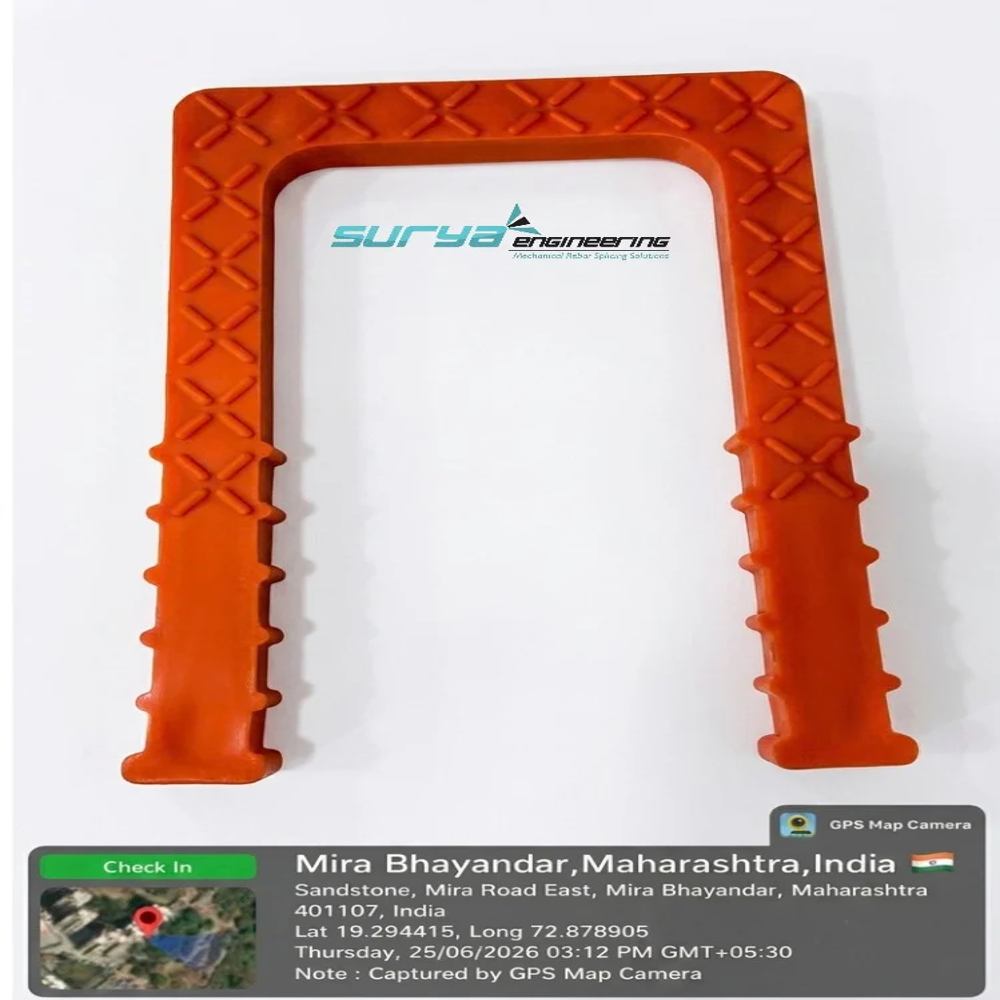
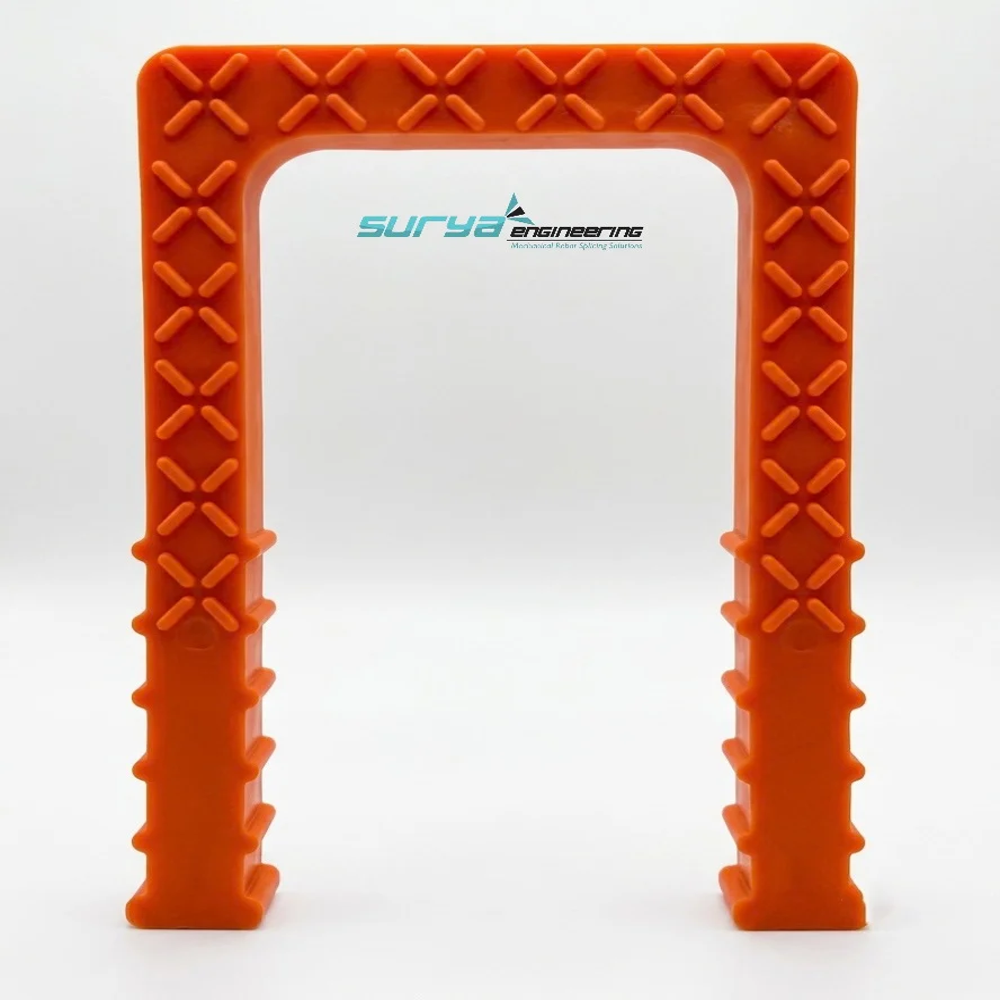
A: PVC Manhole Steps are designed for manual installation. Simply anchor the U-shaped step into the pre-drilled holes on the manhole wall, ensuring a secure fit. Their robust construction and thoughtful design make the installation process straightforward and efficient.
Q: What materials are used in these manhole steps?
A: These steps feature a 12 mm TMT bar core and are encased in an Orange PVC outer layer, with MS (mild steel) at the core for added strength. This combination provides exceptional durability, corrosion resistance, and safety for repeated use.
Q: When should PVC Manhole Steps be used?
A: PVC Manhole Steps are ideal for new construction or the renovation of sewer, drainage, or utility manholes. Their non-slip and corrosion-resistant properties make them suitable for all weather conditions and environments where safety and reliability are paramount.
Q: Where can these manhole steps be utilized?
A: These steps are versatile and installed across municipal, industrial, and private infrastructure projects throughout India. They're suitable for most manhole installations where a secure and durable step is required.
Q: What process is followed in manufacturing these steps?
A: Each step is crafted by embedding high-grade TMT bars in MS and over-molding them with durable Orange PVC. This ensures a seamless bond for longevity and a uniform non-slip surface, meeting Grade PP standards.
Q: How do users benefit from choosing these manhole steps?
A: Users benefit from enhanced safety due to the non-slip surface, easy installation, corrosion resistance, and robust load-bearing capacity of up to 250 kg. Maintenance needs are minimal, making them a cost-effective choice.
Q: What are the main features of these PVC Manhole Steps?
A: Key features include corrosion and chemical resistance, a strong TMT bar core, a non-slip surface, robust 250 kg load capacity, and ease of installation, all available in a compact, multicolor, U-shaped design.


 Send Inquiry




 Send Inquiry

 Send Inquiry
 Send SMS

 English
 Spanish
 French
 German
 Italian
 Chinese (Simplified)
 Japanese
 Korean
 Arabic
 Portuguese
