Material and Construction
The performance of a polypropylene footstep rung depends on its material quality, reinforcement design and manufacturing process.
Polypropylene outer coating: Polypropylene helps protect the underlying structure from moisture and exposure to many common chemicals. Its actual resistance depends on the chemical, concentration, temperature and duration of exposure.
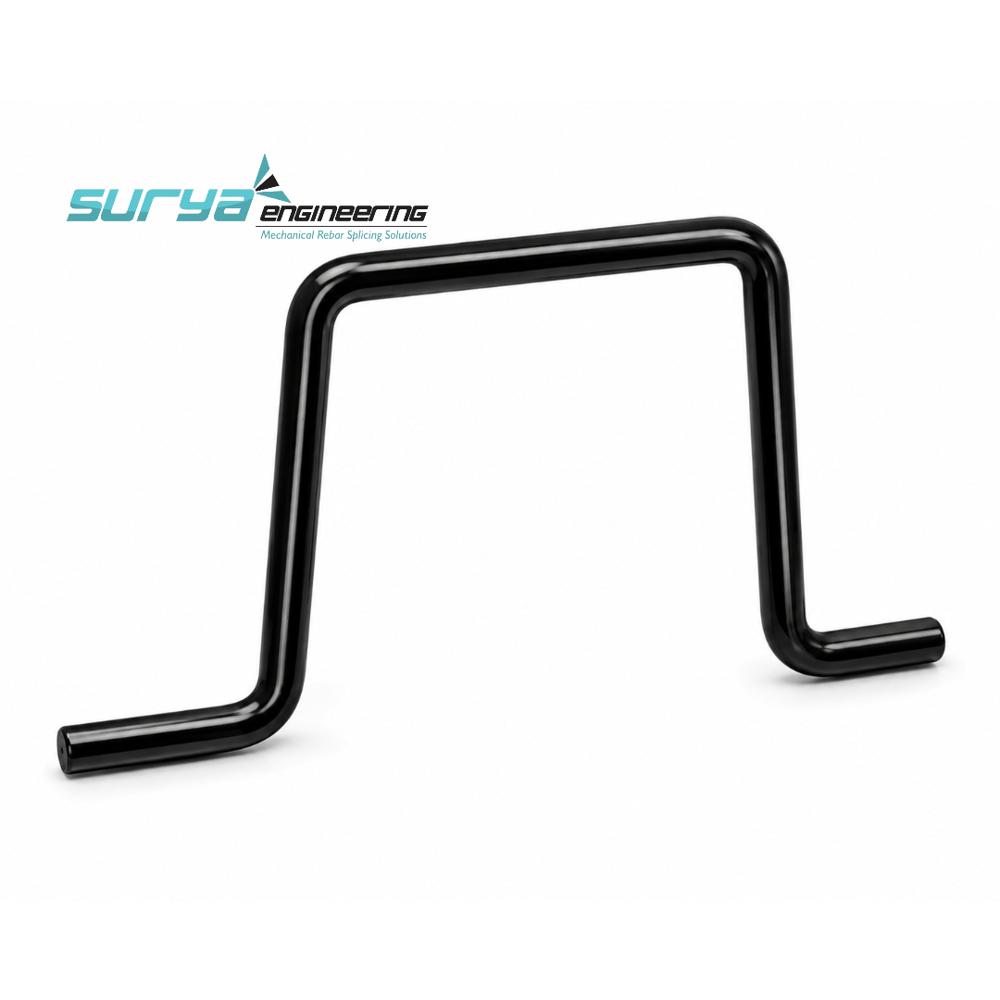
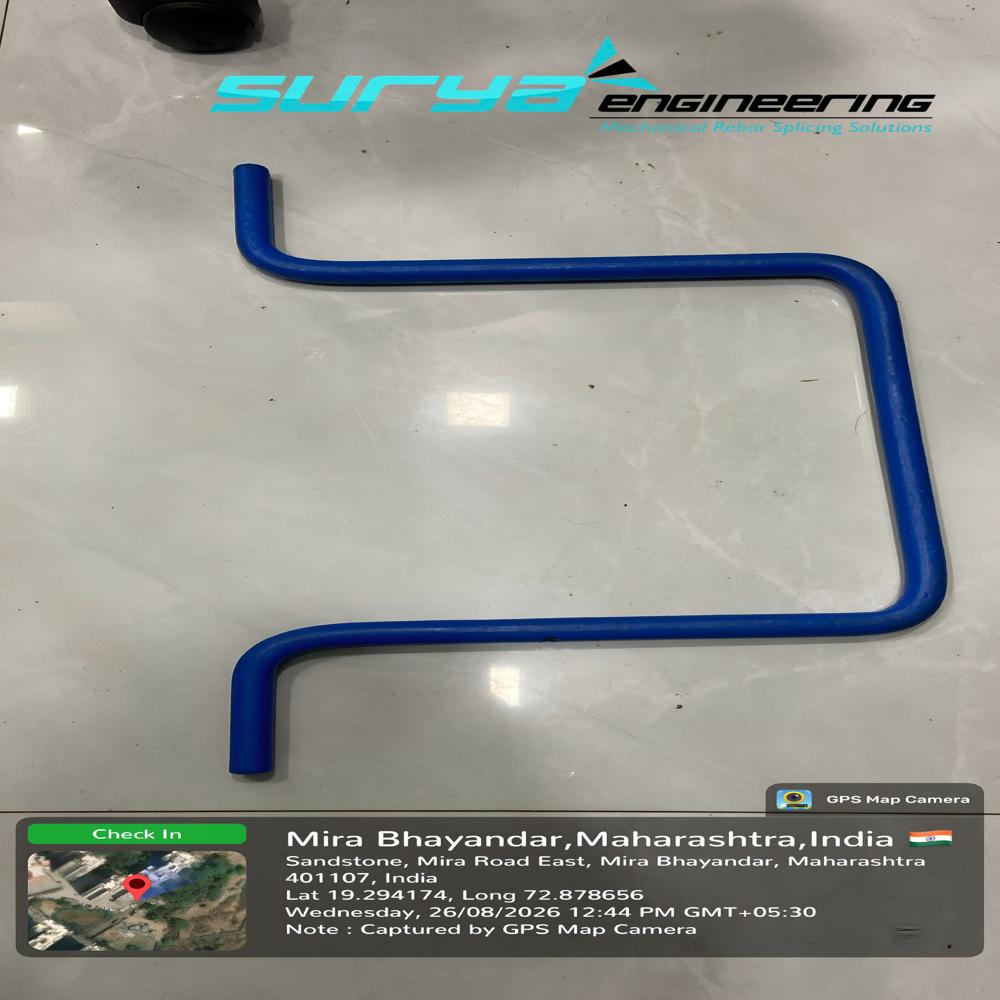
Steel reinforcement: Some models incorporate a steel core to provide structural strength. Buyers should confirm the steel grade, core diameter and reinforcement design for the specific product.
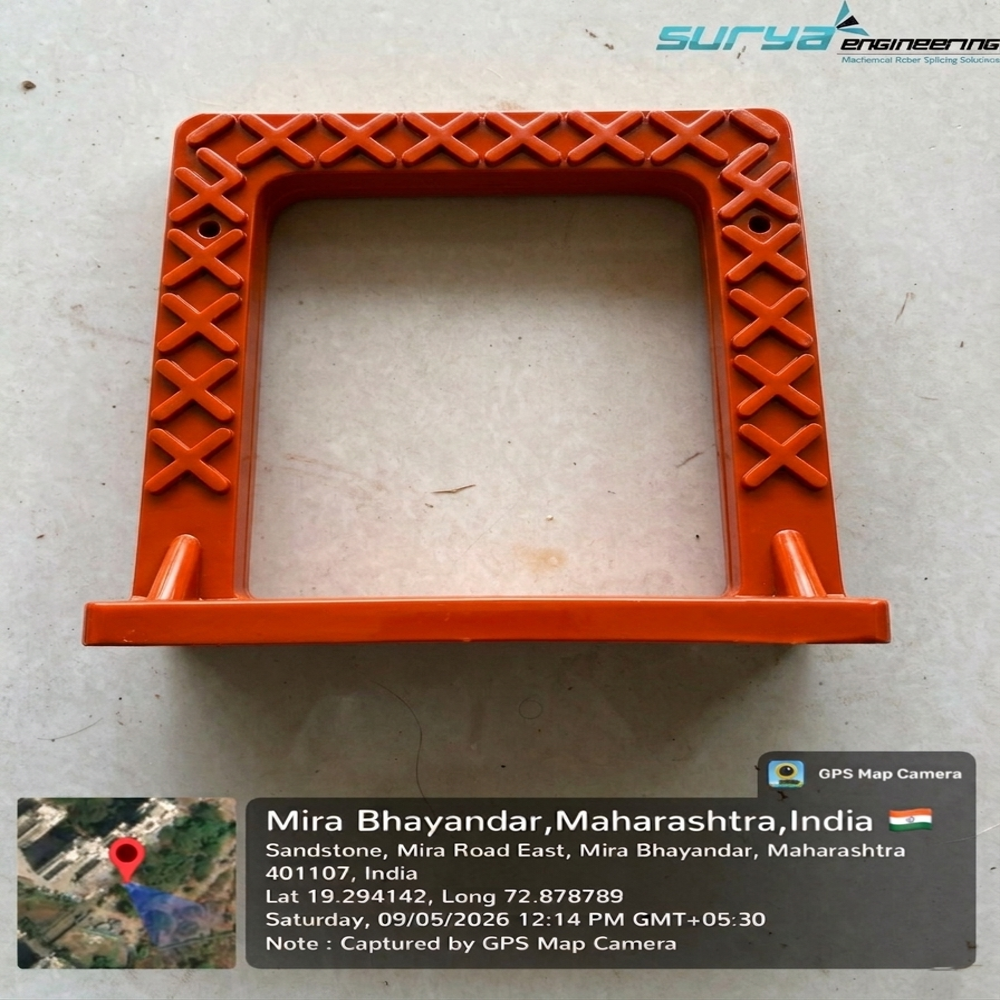
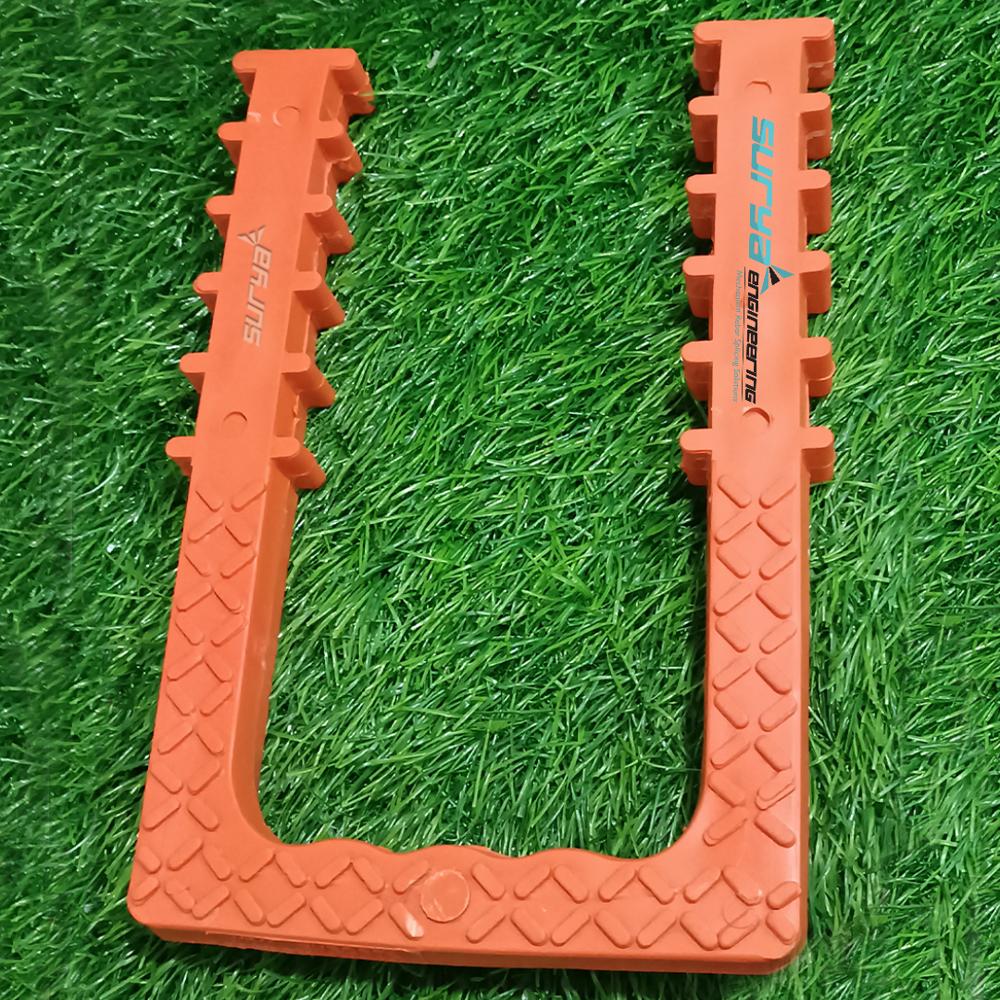
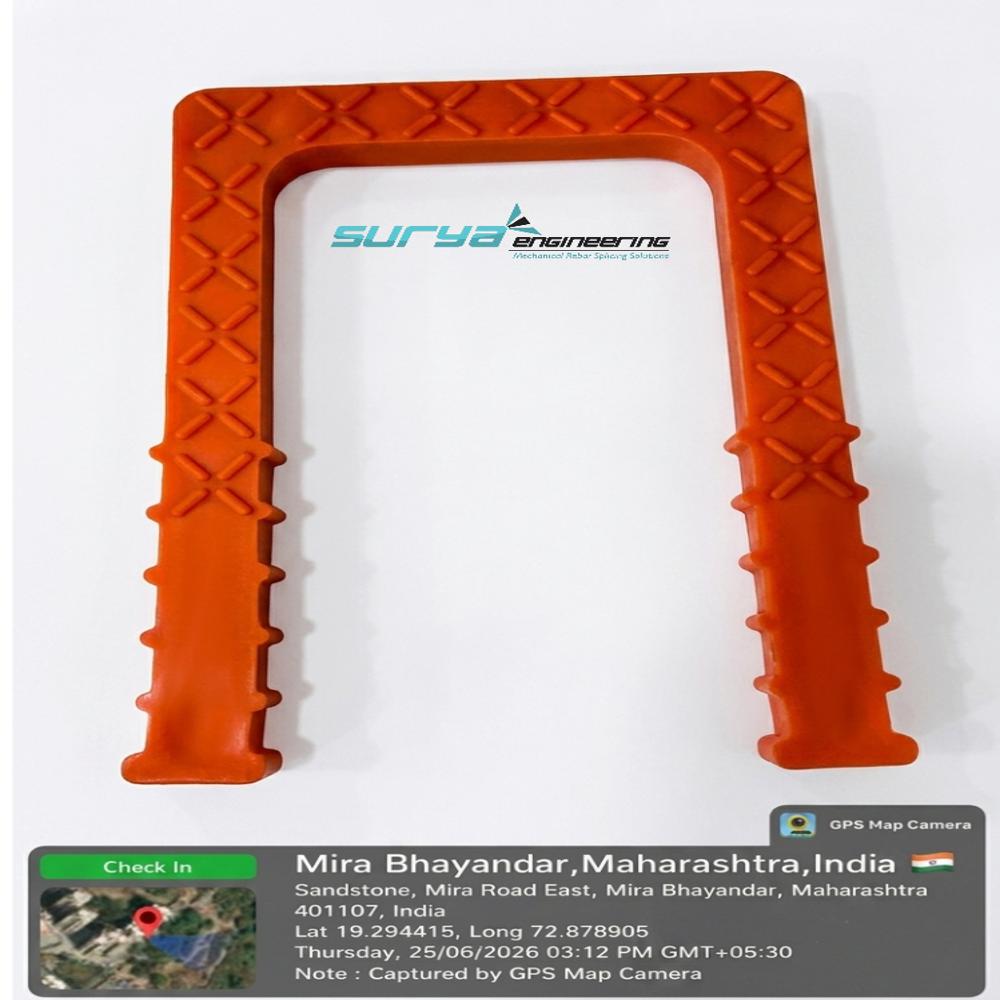
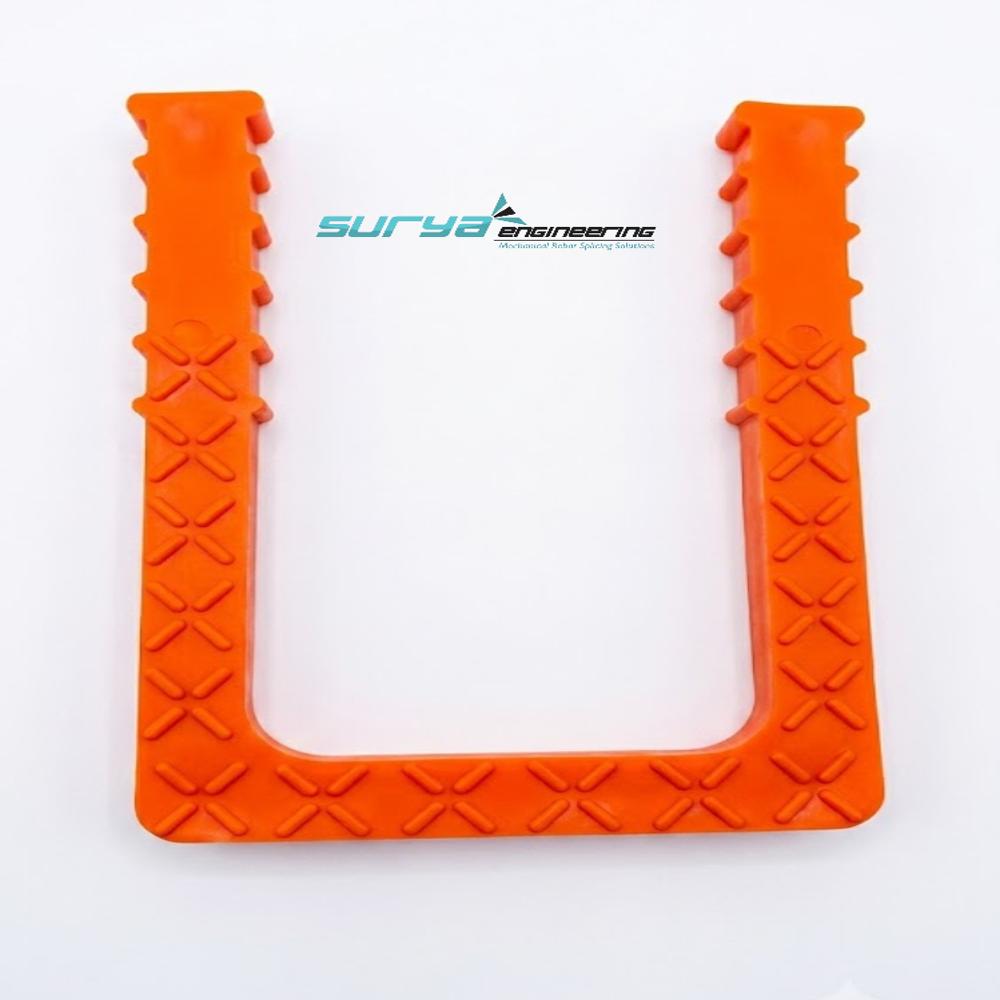
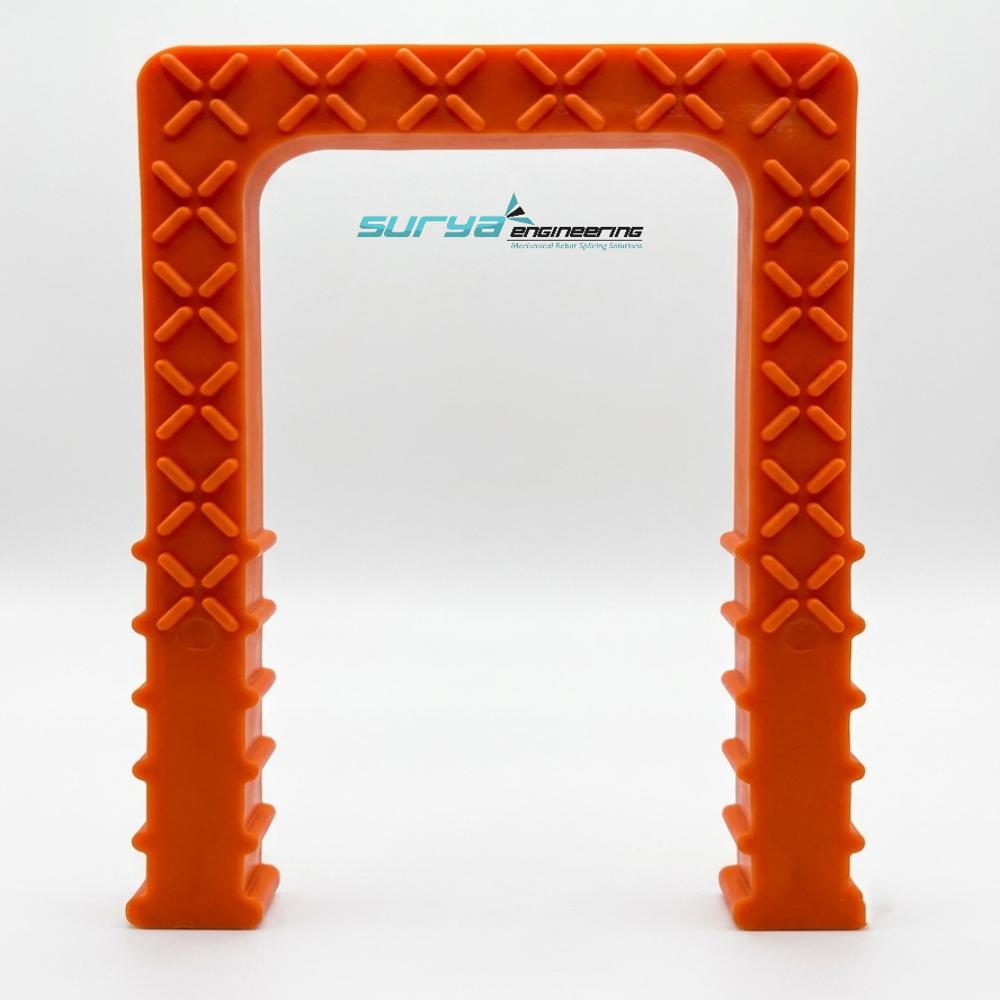
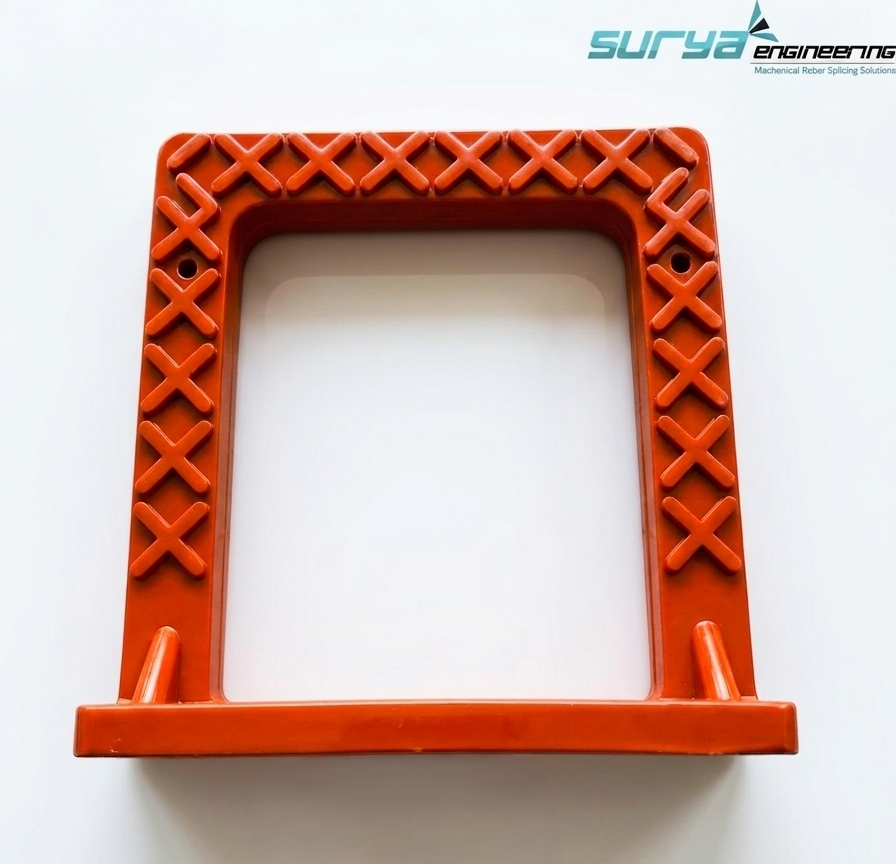
Anti-slip tread: A ribbed, textured or raised-pattern surface helps improve grip during use.
Protective covering: The outer polymer layer helps reduce direct exposure of the steel core to the surrounding environment. The coating should be inspected for cracks, separation and damage.
Manufacturing quality: Consistent dimensions, proper encapsulation and secure anchoring are important for dependable performance.
Before purchasing, confirm whether the selected model is made entirely from polypropylene or uses a steel-reinforced construction.
Applications and Industries
Polypropylene Footstep Rungs are used in a range of civil engineering and infrastructure applications.
Sewer manholes: Provide footholds for authorised personnel accessing underground sewer systems.
Stormwater drainage chambers: Support access for inspection and maintenance of drainage infrastructure.
Inspection chambers: Facilitate access to underground pipework and utility connections.
Sewage treatment plants: May be used in suitable chambers and access structures, subject to chemical exposure and project requirements.
Water infrastructure: Suitable for specified underground water chambers, sumps and related structures.
Industrial utility chambers: Can be installed in appropriate service structures where the rung material, design and load rating meet the operating conditions.
The product must be compatible with the chamber design and intended service environment.
Load Capacity and Quality Testing
Load capacity and manufacturing quality are important considerations when selecting footstep rungs for infrastructure projects.
Vertical load testing: Evaluates the rung's ability to withstand the specified load without unacceptable deformation or failure.
Pull-out resistance testing: Assesses the resistance of the rung or its anchoring arrangement to being pulled from the supporting structure.
Dimensional inspection: Verifies the rung's width, height, projection, thickness and anchoring dimensions against the approved drawing.
Material verification: Confirms the specified polypropylene grade and, where applicable, the steel reinforcement material.
Coating inspection: Checks the outer polymer covering for cracks, voids, separation and exposed reinforcement.
Corrosion assessment: Evaluates the protection provided by the covering and the condition of the reinforcement where required.
Buyers should request relevant test reports and verify the applicable project specifications. A stated load rating should not be treated as a universal rating for every footstep rung.
Installation Method
Correct installation is essential for the safe and reliable use of Polypropylene Footstep Rungs.
Step 1: Check the installation design. Review the approved drawings and confirm rung spacing, alignment, wall thickness and fixing requirements.
Step 2: Prepare the installation location. For cast-in installations, position the rung correctly before the concrete is placed. For post-installed models, prepare the holes and fixing arrangement according to the manufacturer's instructions.
Step 3: Position the rung. Ensure that the tread is level, correctly aligned and projects the required distance from the chamber wall.
Step 4: Secure the anchoring system. Use the specified embedment depth, fixing method and installation materials.
Step 5: Inspect the installation. Check the alignment, anchorage, coating condition and overall stability before the structure is put into service.
Installation must follow the manufacturer's instructions and project requirements. Do not apply an unverified load to test the rung.
Advantages Over Conventional Metal Steps
Polypropylene Footstep Rungs offer several practical characteristics for suitable underground applications.
Corrosion protection: A continuous polypropylene covering helps reduce the exposure of a steel core to moisture and corrosive substances.
Reduced maintenance: The protective coating can help reduce maintenance associated with direct exposure of the reinforcement, provided the coating remains intact.
Improved grip: A textured tread can help users maintain their footing during access.
Material versatility: Polypropylene is lightweight relative to many metal components and can be moulded into different shapes and surface patterns.
Chemical resistance: Polypropylene can resist many chemicals, but its suitability must be verified for the actual exposure conditions.
Application flexibility: Different dimensions and fixing designs can accommodate various chamber configurations.
The choice between polymer-coated, solid-polymer and conventional metal steps should depend on the required load capacity, environmental conditions, service life and project specifications.
8. Pricing, MOQ and Bulk Supply
When purchasing Polypropylene Footstep Rungs for a construction or infrastructure project, buyers should consider the unit price, minimum order quantity, supply capacity and delivery schedule.
Surya Engineering's product listing should be used to confirm current commercial terms before an order is placed.
Important purchasing details include:
-
Price per piece and applicable taxes.
-
Minimum order quantity (MOQ).
-
Available dimensions and colours.
-
Monthly production or supply capacity.
-
Expected dispatch and delivery time.
-
Packaging and transportation arrangements.
-
Availability of technical drawings and test certificates.
-
Bulk-order discounts, if applicable.
For large projects, buyers should share the required quantity, dimensions, intended application and delivery location when requesting a quotation. This helps ensure that the supplied product matches the project requirements.


 Send Inquiry





 Send Inquiry

 Send Inquiry
 Send SMS

 English
 Spanish
 French
 German
 Italian
 Chinese (Simplified)
 Japanese
 Korean
 Arabic
 Portuguese
