
Talk to us
08045811615
Talk to us
08045811615
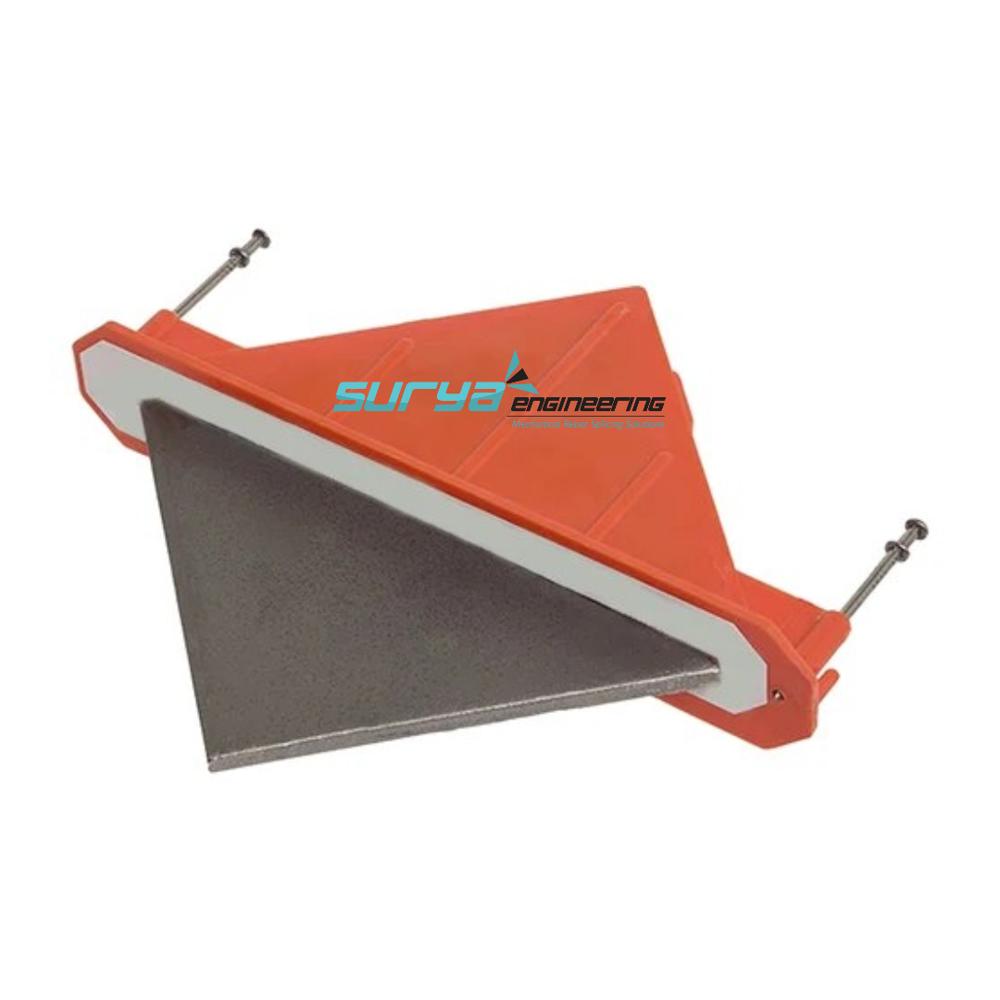
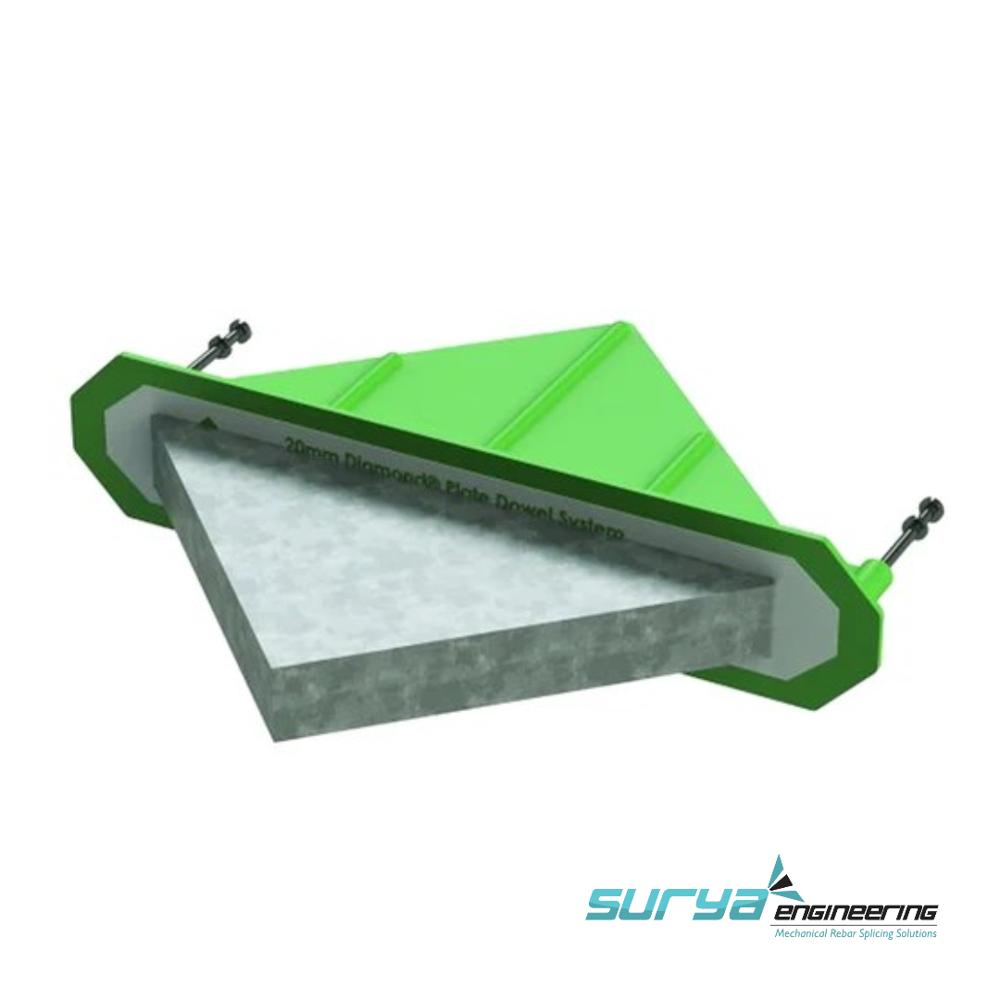
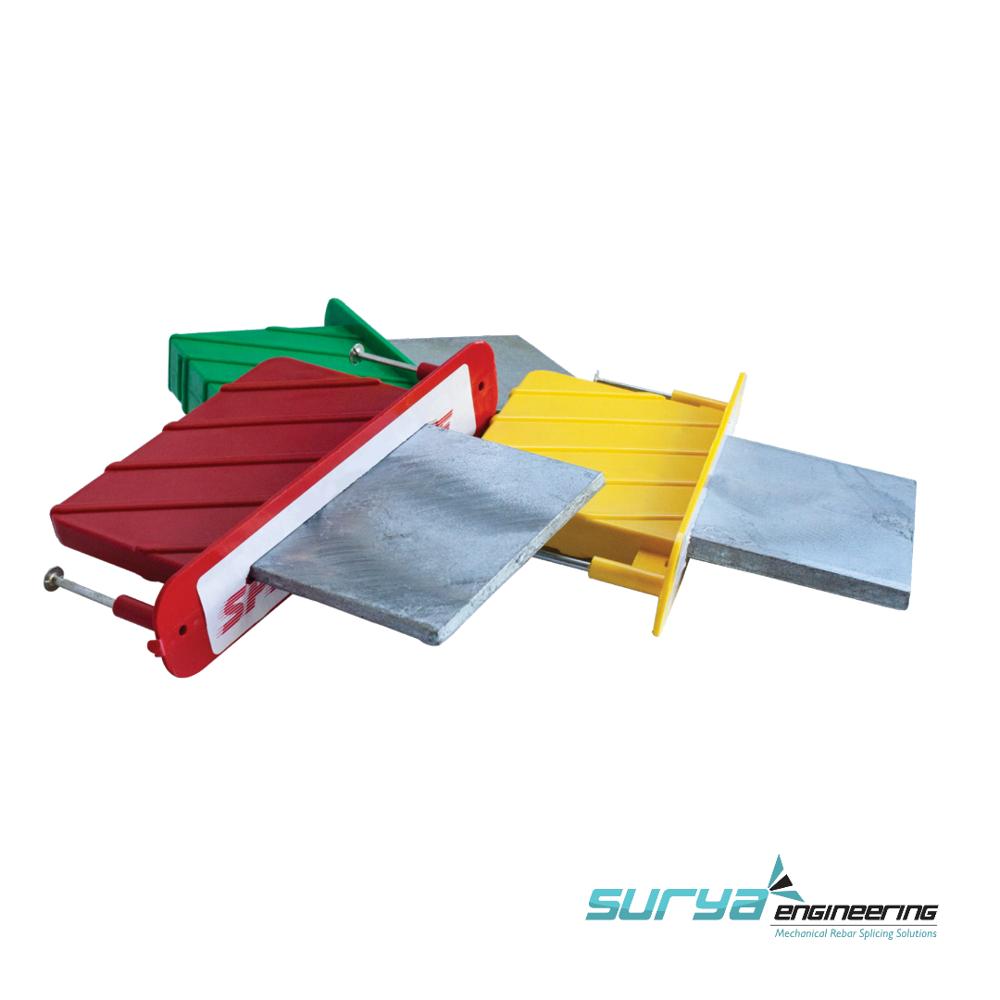
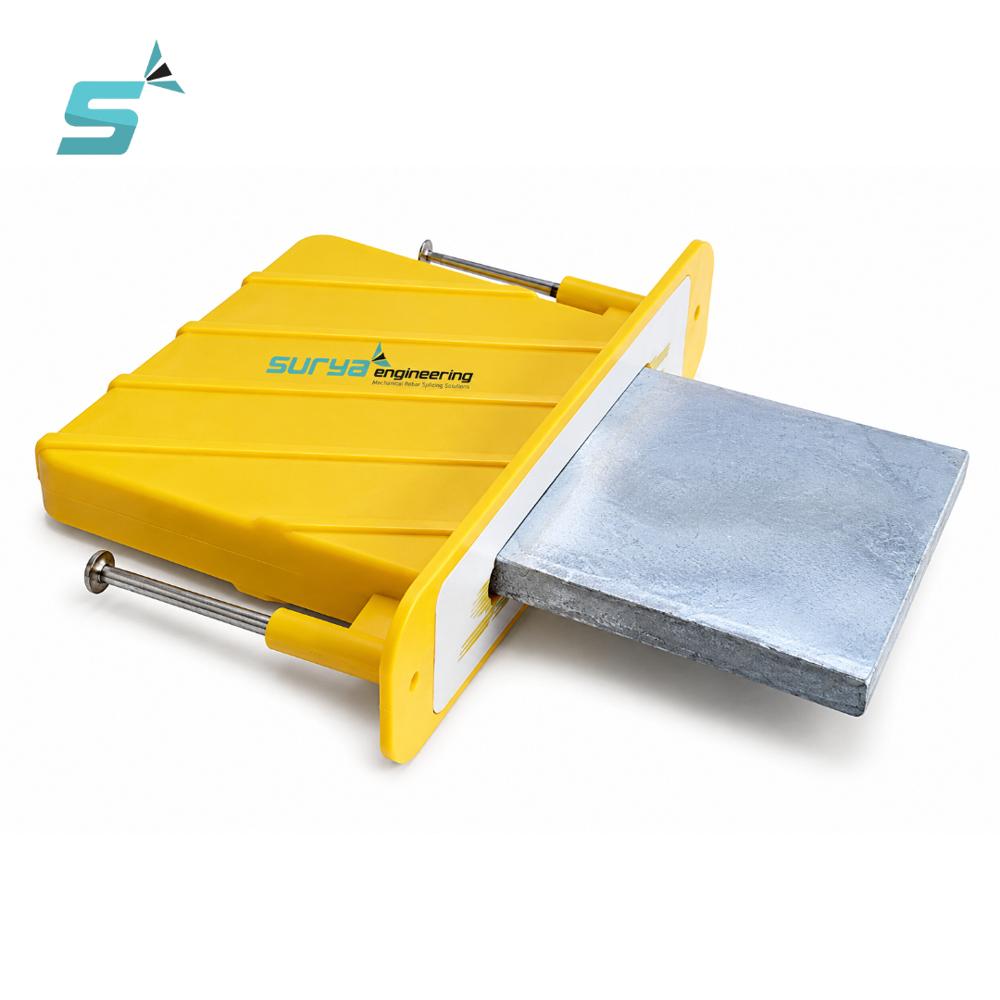
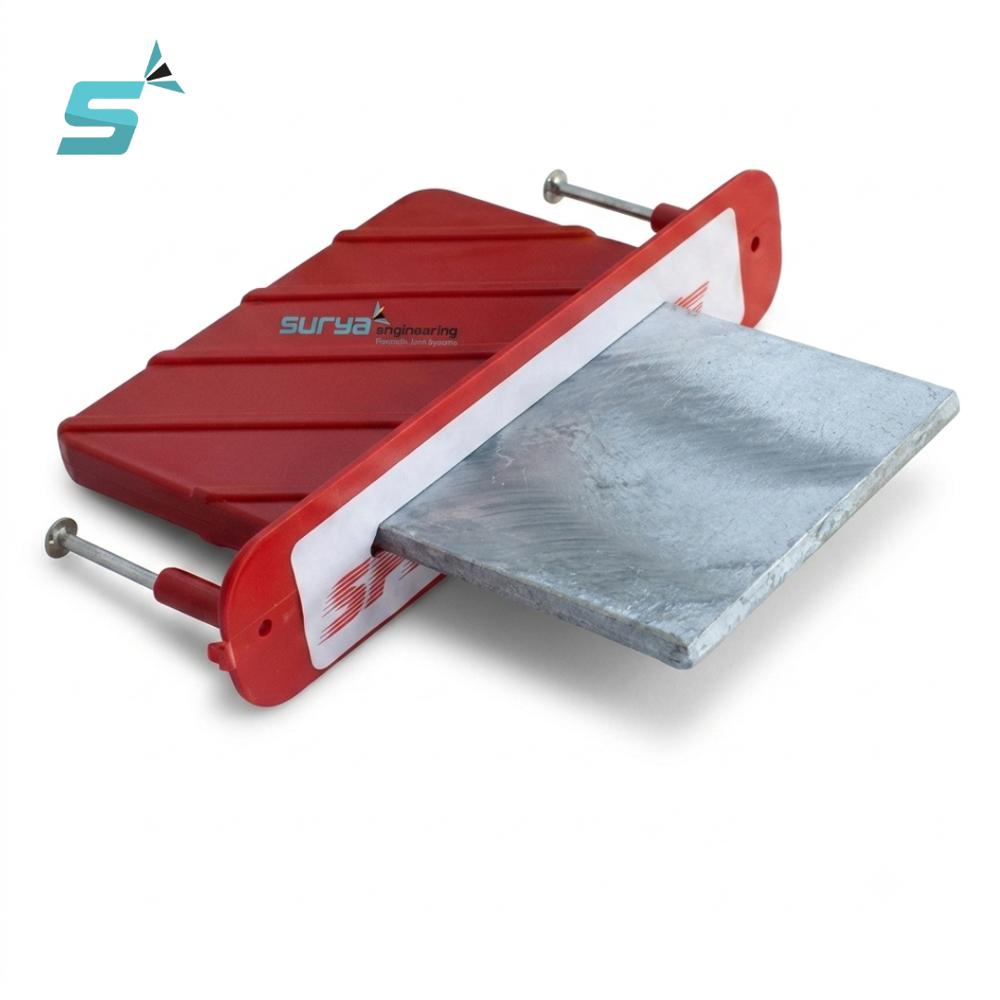
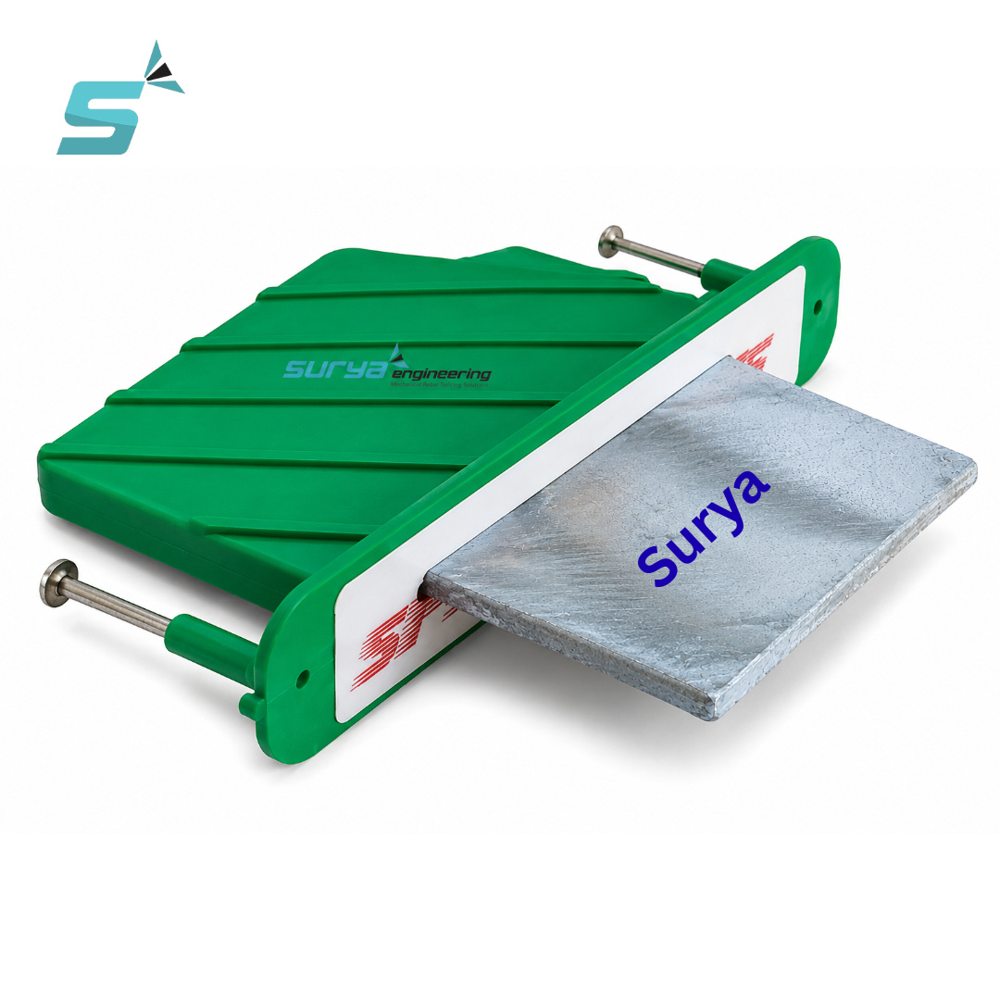

Concrete is a dynamic materialit shrinks as it cures and expands/contracts with the weather. Without a dowel system:
Joint Spalling: The edges of the slabs would crumble under wheel loads.
Differential Settlement: One slab might sink deeper into the subgrade than the other.
Inefficient Load Transfer: The weight of a vehicle would stay 100% on one slab rather than being shared with the next.
Dowel plates are generally classified based on their geometric shape and material:
Plate Geometry:
Square/Rectangular Plates: Provide excellent vertical support but require precise alignment.
Diamond/Tapered Plates: These are the industry favorite. The tapered shape allows for lateral (sideways) movement of the slabs as they shrink, reducing internal stress and preventing "locking" of the joint.
Material/Coating:
Black Steel: Standard for internal, dry environments.
Galvanized Steel: Used for moisture-prone areas to prevent corrosion.
Stainless Steel: For high-corrosive environments like chemical plants or coastal areas.
Dowel plates are essential in high-traffic, heavy-load environments:
Warehouse Flooring: Supporting heavy forklifts and racking systems.
Industrial Plants: Managing vibration and heavy machinery weight.
Parking Lots & Hardstands: Ensuring a smooth transition for vehicles.
Airports: Handling the extreme axial loads of aircraft taxiing.
Step 1: Site Prep & Formwork: Mark joint locations on the formwork. Draw a horizontal line at mid-slab depth and vertical lines at dowel centers for accurate alignment. Position and nail the plastic sleeve bases to the timber or steel edge forms, using nails or clips. Ensure each sleeve is straight and at the correct elevation (often mid-depth of the slab). Maintain a minimum clearance (e.g. 150mm or 6) from slab corners/intersections for all sleeves.
Step 2: First Slab Pour: Place concrete for the first pour normally. Consolidate carefully around the sleeves with internal vibration to avoid voids under the sleeves. Finish the slab surface. No steel dowel should penetrate the form, since the pocket will be cast into the slab (no drilling is required).
Step 3: Remove Forms: After the first slab has gained strength, strip the edge forms. The plastic bases (sleeves) should remain embedded at the slab edge. It is often easiest to pull forms from one end so that bases stay with the slab and can be reused on the form.
Step 4: Insert Dowel Plates: Slide each dowel plate into its corresponding sleeve/pocket, aligning it as needed. The plate should slide fully into place, typically with the sleeve covering the plate by a fixed amount to allow movement. (No pounding is necessary; the plate is a tight fit.) Insert plates promptly (within 24hr) to avoid difficulty in pushing them into hard concrete.
Step 5: Second Pour: Place the concrete for the adjoining slab. Position reinforcement as normal. Pour and compact concrete around the inserted plates. Again, use care with vibration near the sleeves and plates so as not to dislodge them. Finish the joint as usual.
Step 6: Grouting/Finishing: After both pours are done and cured, fill any recess around the plate edges. Many plate-dowel sleeves include tapered tops or caps to seal the joint against slurry. Seal the joint top with compressible filler or joint sealant to prevent debris ingress. Allow adequate curing time before opening slabs to traffic.
| Feature | Dowel Plates (Tapered) | Traditional Round Bars |
| Lateral Movement | Allows sideways movement, preventing stress. | Restricts lateral movement; can cause cracking. |
| Steel Efficiency | More steel at the joint (where it's needed). | Requires more total steel for the same load. |
| Installation | Easier to align via sleeves. | Highly prone to misalignment (tilting). |
| Joint Stability | Superior vertical load transfer. | Moderate load transfer. |
Surya Engineering manufactures specialized dowel plate systems designed to eliminate the common failures of traditional round bars. Their products focus on high load-bearing capacity and joint protection.

Price:
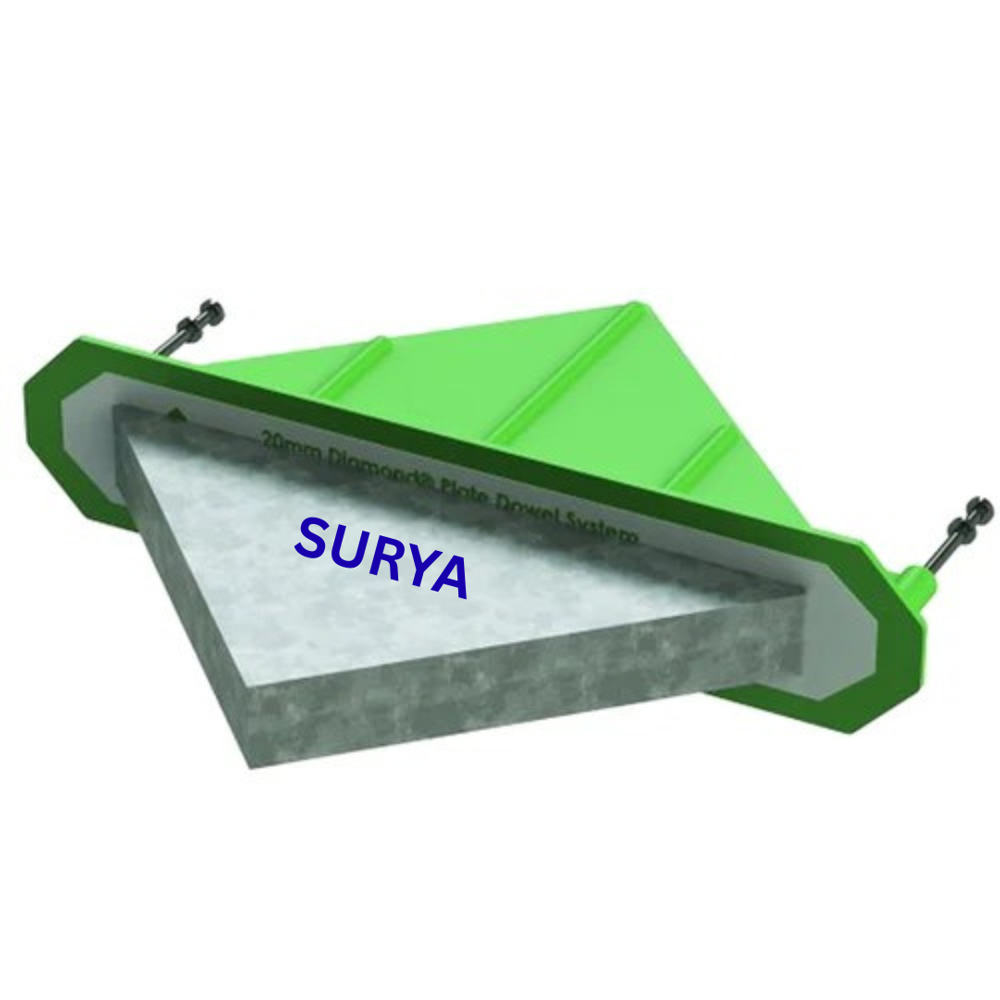
Price 20.0 INR / Piece
Minimum Order Quantity : 100 Pieces
Surface Treatment : Painted
Fasteners Type : Nuts
Feature : strong,Durable
Standard : High Standard
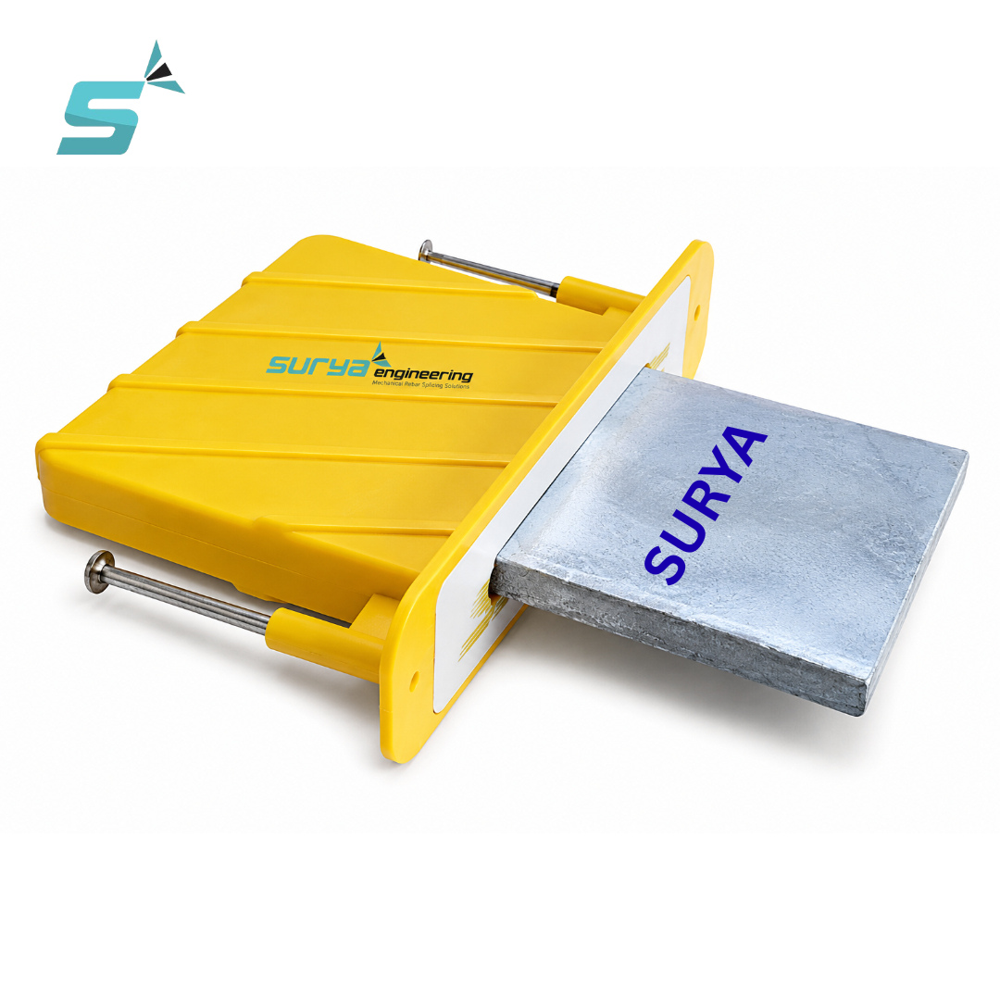
Price 100.0 INR / Piece
Minimum Order Quantity : 10 Pieces
Surface Treatment : Powder Coated
Fasteners Type : Nails
Feature : strong,Durable
Standard : hard
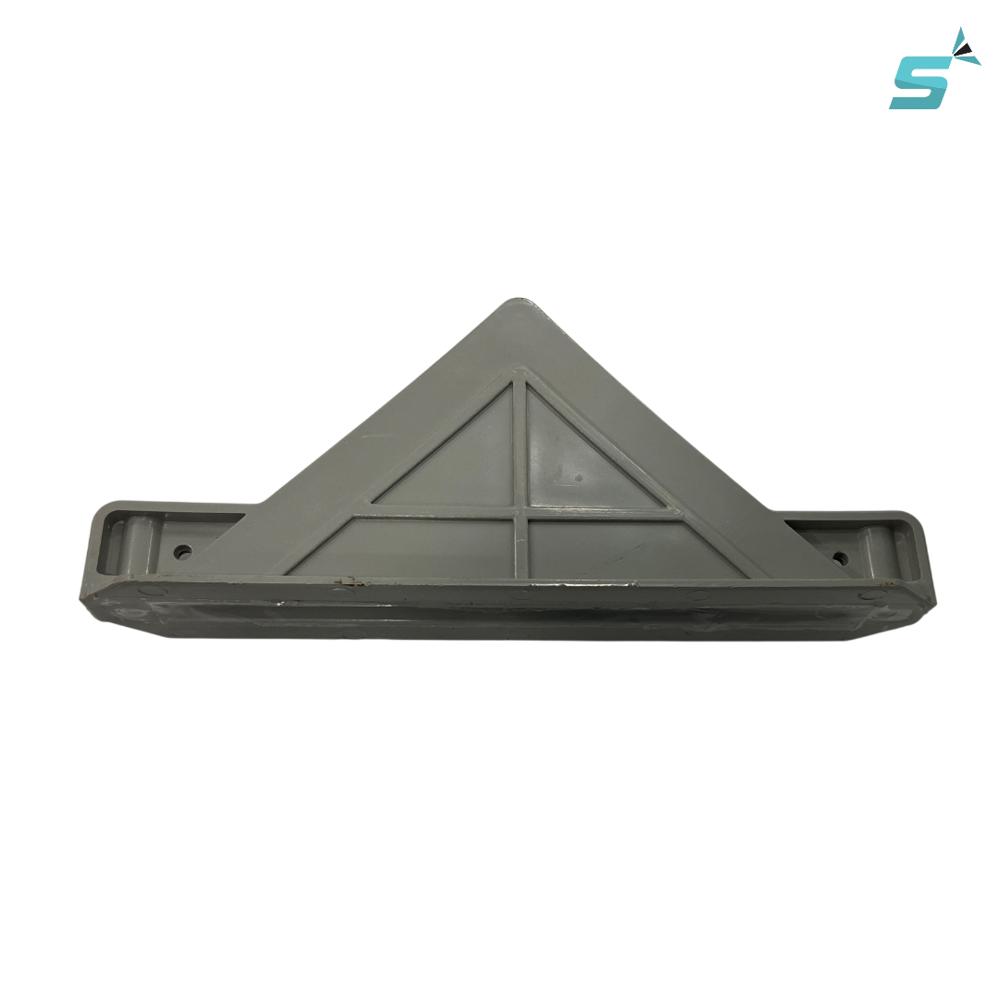
Price 41.0 INR / Piece
Minimum Order Quantity : 10 Pieces
Surface Treatment : Powder Coated, Polishing, Galvanized
Fasteners Type : Nuts
Feature : Twoway load transfer, Allows lateral & longitudinal movement, Prevents slab edge cracking, Sleeved for concrete shrinkage
Standard : Complies with UK Concrete Society TR34 4th Edition, ACI 360, BS 8204 for Industrial Flooring
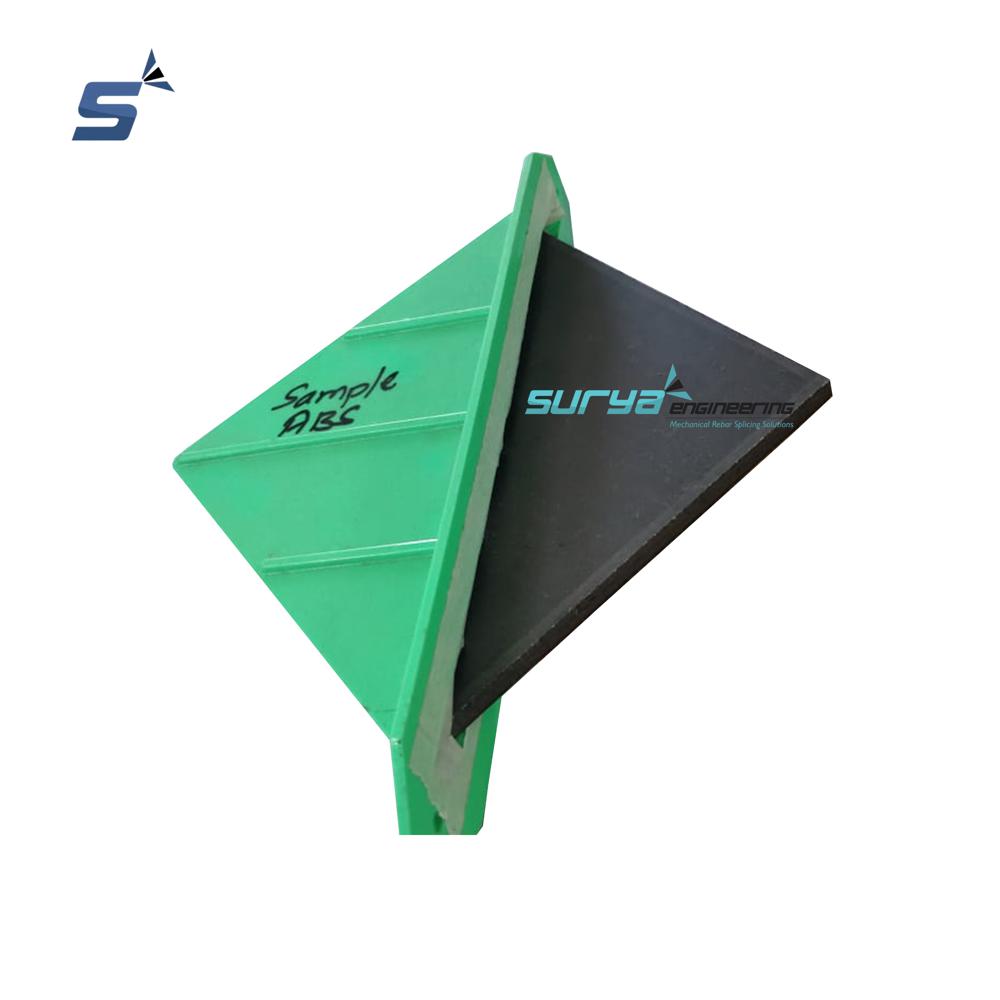
Price 48.0 INR / Piece
Minimum Order Quantity : 10 Pieces
Surface Treatment : zinc Plating, Nickel Plating
Fasteners Type : Bolts
Feature : Holes are machined with a slight (e.g., 6degree) clearance taper on the underside to help the dowel pass through. The top of the hole is straight for a short depth (e.g., .045") to maintain hole size and allow for sharpening . Includes mounting screw holes for permanent attachment to a workbench
Standard : Good Quality






 Send Inquiry