
Talk to us
08045811615
Talk to us
08045811615
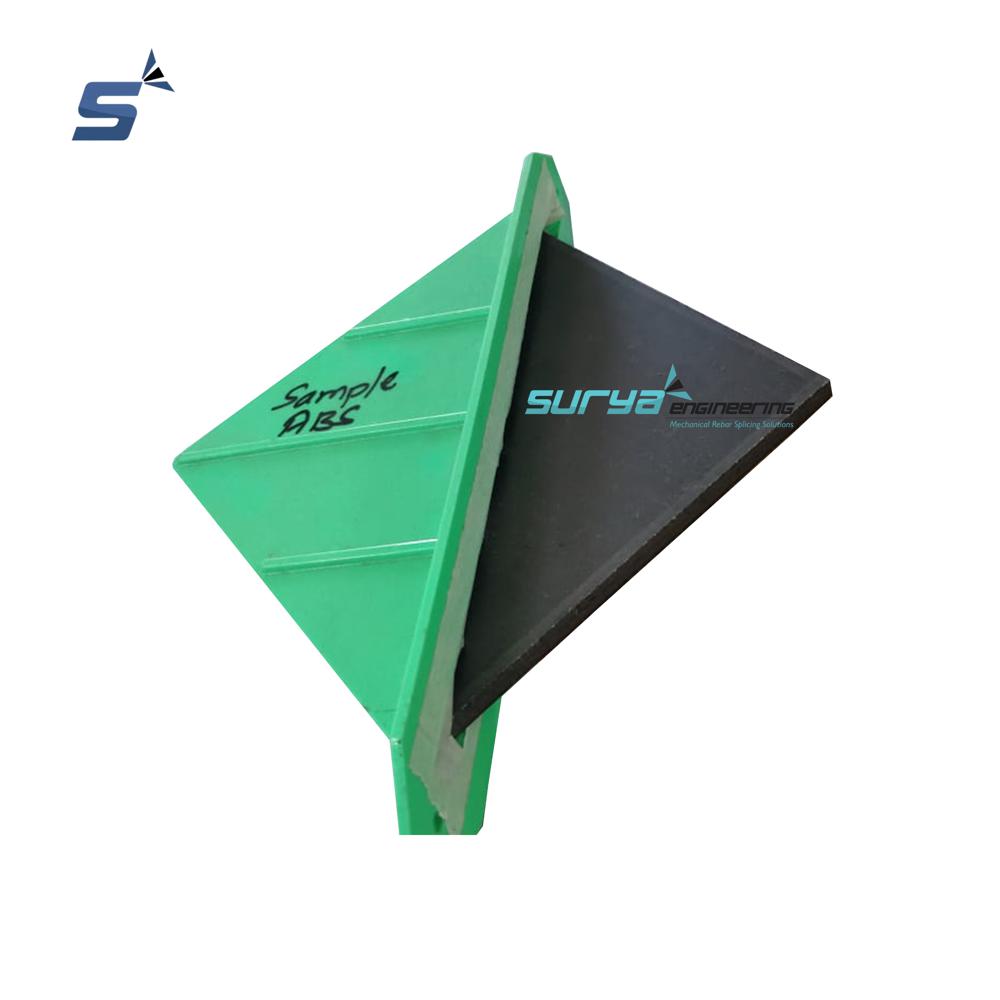
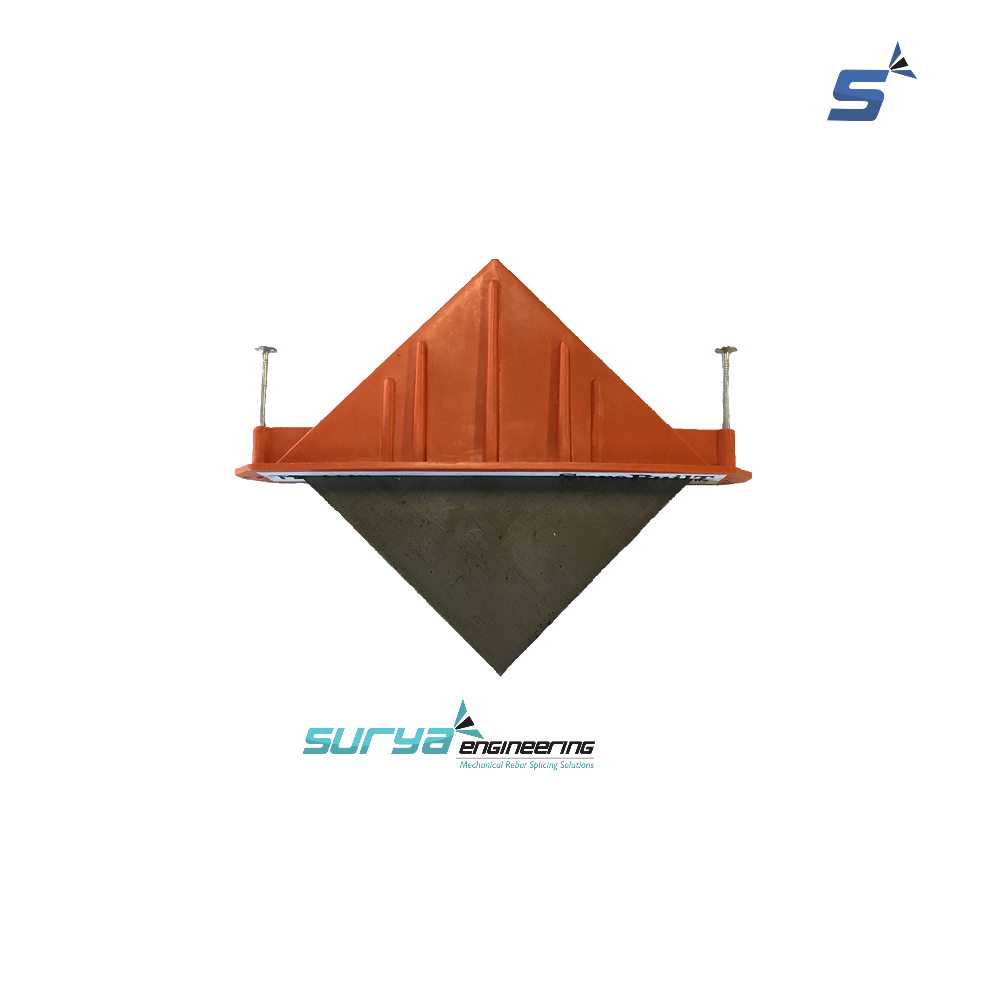
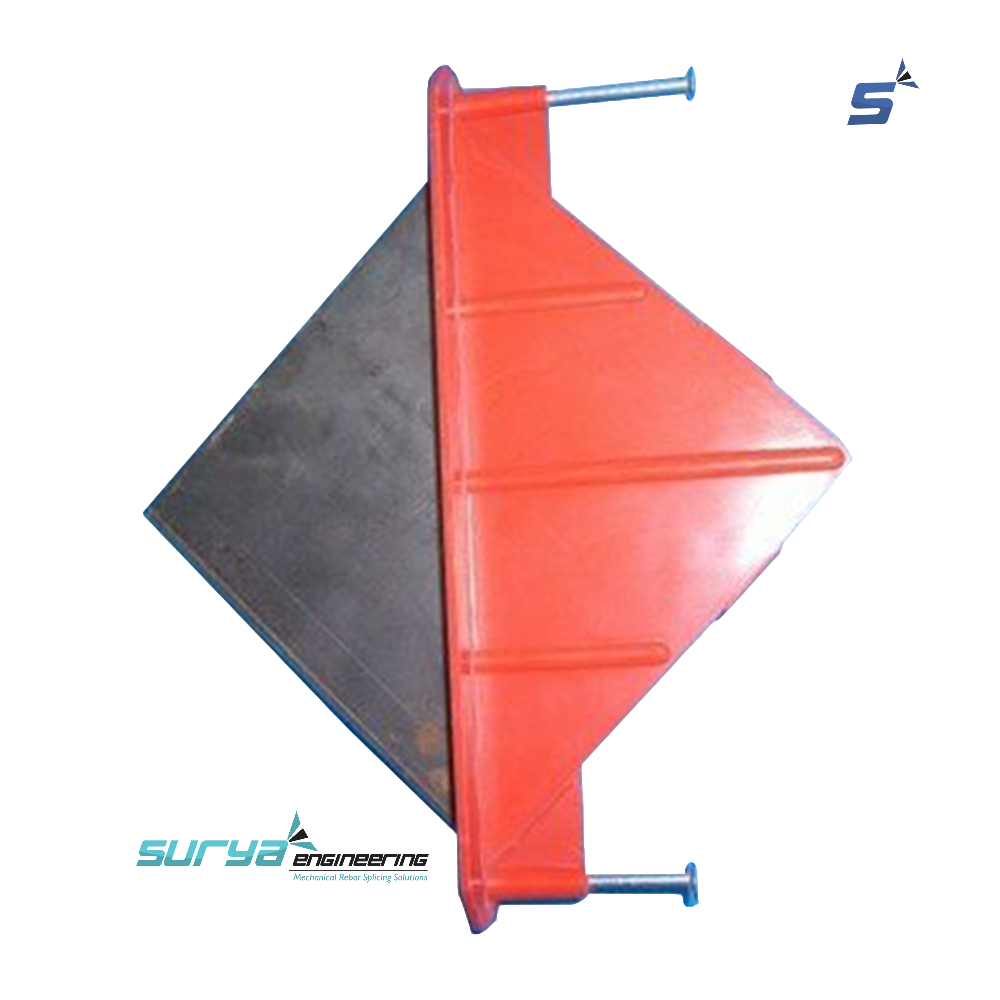
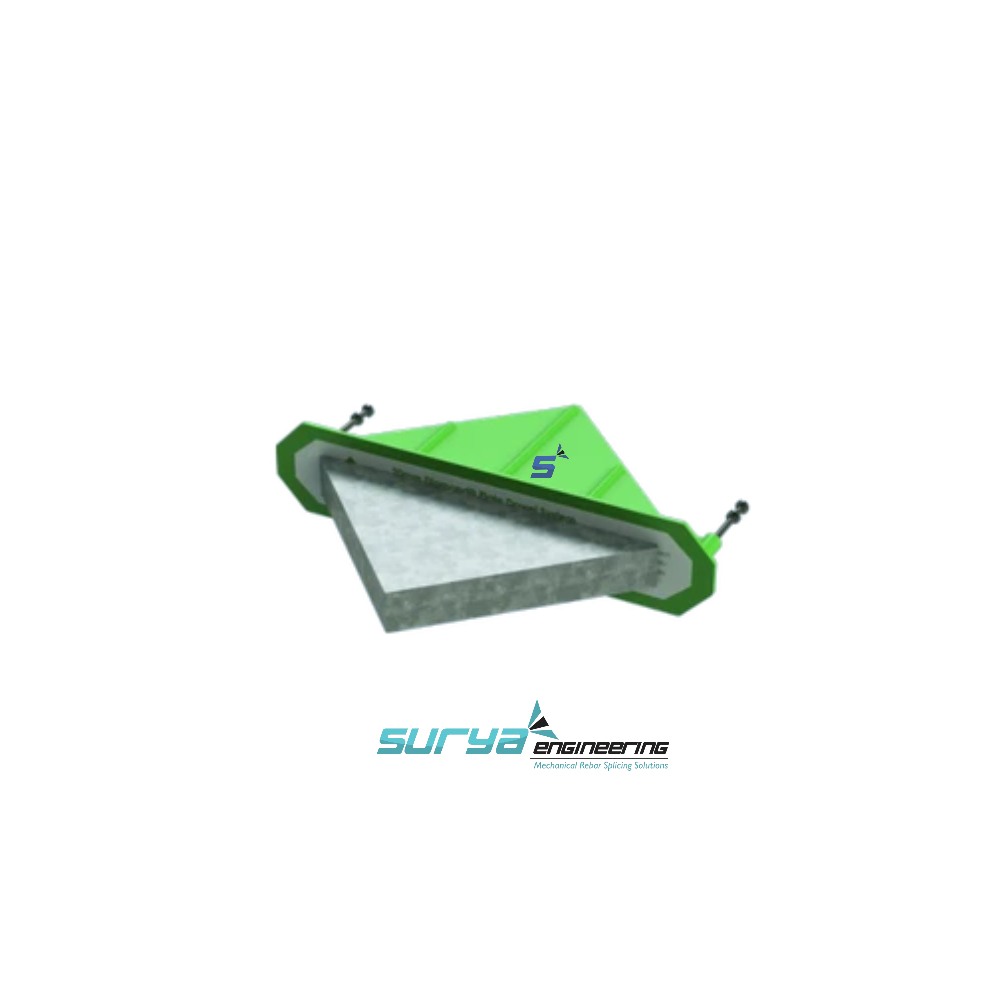
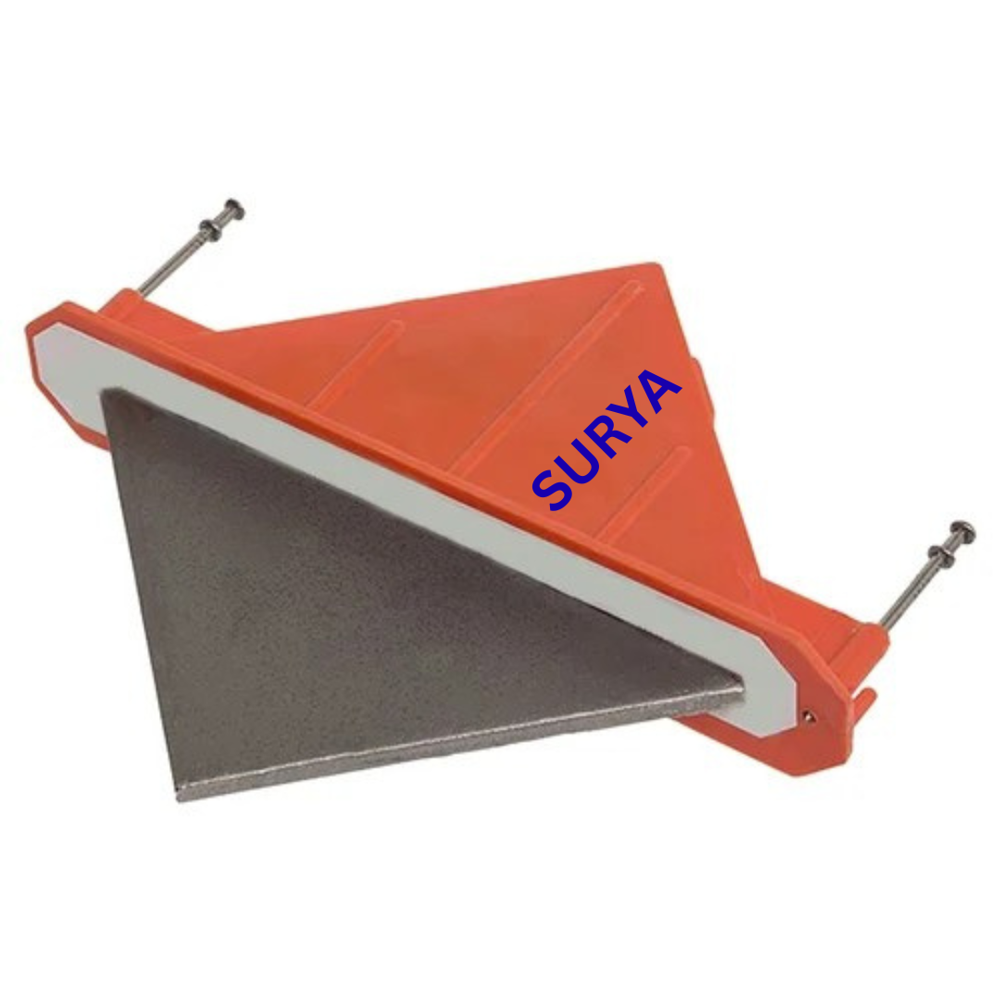
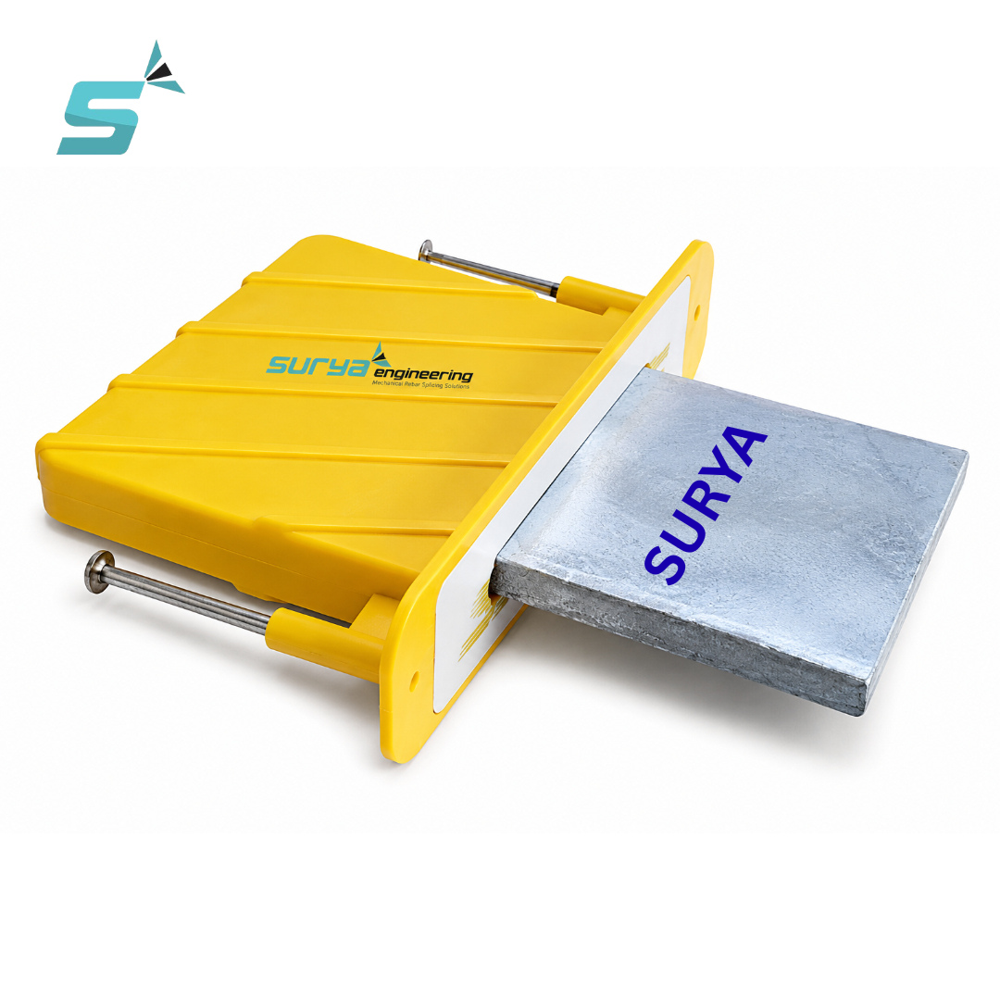

A Plate Dowel System is a high-performance load transfer mechanism consisting of a flat steel plate (rectangular, diamond, or tapered shape) housed within a fitted plastic sleeve or pocket former. Installed directly along construction, contraction, or expansion joints prior to pouring concrete, the flat plate spans the joint gap to distribute vertical loads across adjacent slab panels.
Unlike round dowel bars that concentrate stress into narrow cylindrical points, the flat surface of a plate dowel spreads shear forces over a much wider concrete contact area. The accompanying plastic sleeve creates internal lateral clearance, enabling the slab to contract longitudinally and move sideways without inducing internal tensile stresses.
Concrete floors in warehouses and industrial buildings can experience heavy and repeated traffic every day. Forklifts, pallet trucks, vehicles, and machinery frequently cross construction and movement joints.
Without effective load transfer, one slab can move vertically more than the adjoining slab when a wheel crosses the joint. Over time, this can contribute to joint deterioration, cracking, spalling, and uneven floor surfaces.
A properly designed plate dowel system for concrete floors helps distribute these loads and supports more consistent movement between adjacent slabs.
1. Efficient Load Transfer
The plate transfers loads between adjoining concrete slabs, helping reduce excessive differential movement at the joint.
2. Helps Protect Joint Edges
Better load distribution can reduce the stress placed on concrete edges when heavy traffic crosses the joint.
3. Suitable for Heavy-Duty Floors
Plate dowel systems are commonly used in industrial and commercial floors exposed to repeated vehicle and forklift traffic.
4. Allows Controlled Joint Movement
The system can be designed to allow the horizontal movement required by the concrete floor.
5. Supports Long-Term Floor Performance
Effective joint load transfer can help reduce problems associated with repeated traffic and uneven slab movement.
6. Useful for Large Concrete Floors
Plate dowel systems are particularly useful where large floor areas require carefully designed joints and reliable load transfer.
A plate dowel load transfer system can be used in many concrete flooring applications, including:
Correct installation is essential for achieving reliable load transfer. The dowel needs to be positioned accurately so that it performs as intended when the concrete floor is placed and the joint begins to move.
A typical installation process includes:
Industrial floors are expected to perform reliably for many years while handling repeated traffic. A forklift may cross the same joint several times every day, creating repeated loading at the joint.
A properly designed plate dowel load transfer system for industrial floors helps distribute these loads between adjoining slabs. This can reduce excessive differential movement and help protect the joint from premature deterioration.
The plate dowel should therefore be considered as part of the overall concrete floor design rather than as an isolated component.
Plate dowel systems are often considered in industrial floor designs where TR34 guidance is used. TR34 covers the design and construction of concrete industrial ground floors, including considerations related to loading, joints, flatness, durability, and construction.
Both plate dowels and traditional round dowel bars can be used for load transfer across concrete joints, but their shape and behavior are different.
A traditional dowel bar is generally cylindrical, while a plate dowel has a flat, rectangular or diamond-style geometry depending on the system.
Plate dowels can provide a larger bearing area and are often selected for industrial floor applications where load transfer and joint movement need to be carefully managed.
The correct system should be selected based on the concrete floor design rather than simply choosing one type because it is commonly used.
What is a plate dowel load transfer system?
A plate dowel load transfer system uses a flat steel plate across a concrete joint to transfer loads between adjoining slabs while allowing the joint to accommodate required movement.
What is a plate dowel used for?
It is primarily used to transfer wheel and structural loads across concrete joints and reduce excessive vertical movement between adjacent slabs.
Where are plate dowel systems used?
They are commonly used in warehouses, factories, industrial floors, logistics centers, distribution facilities, loading areas, and other heavy-duty concrete applications.
Are plate dowels suitable for forklift traffic?
Yes. Properly designed plate dowel systems can be used in floors exposed to regular forklift and industrial vehicle traffic.
What is the difference between a plate dowel and a dowel bar?
A dowel bar is generally round, while a plate dowel is flat. Their load-transfer behavior and suitable applications can differ, so the selection should be based on the floor design.
Does a plate dowel allow concrete movement?
A properly designed plate dowel system allows the joint to accommodate the required horizontal movement while transferring loads between adjoining slabs.
Can plate dowels be used in TR34-based floors?
Yes, plate dowel systems can be considered as part of an industrial floor designed using TR34 guidance. However, compliance depends on the complete floor design and construction, not just the dowel component.
Surya Engineering supplies concrete joint and load-transfer products for industrial, commercial, and infrastructure applications. If you are looking for a plate dowel load transfer system for concrete floors, product selection should be based on your slab thickness, expected loading, joint design, traffic conditions, and project requirements.

Price:
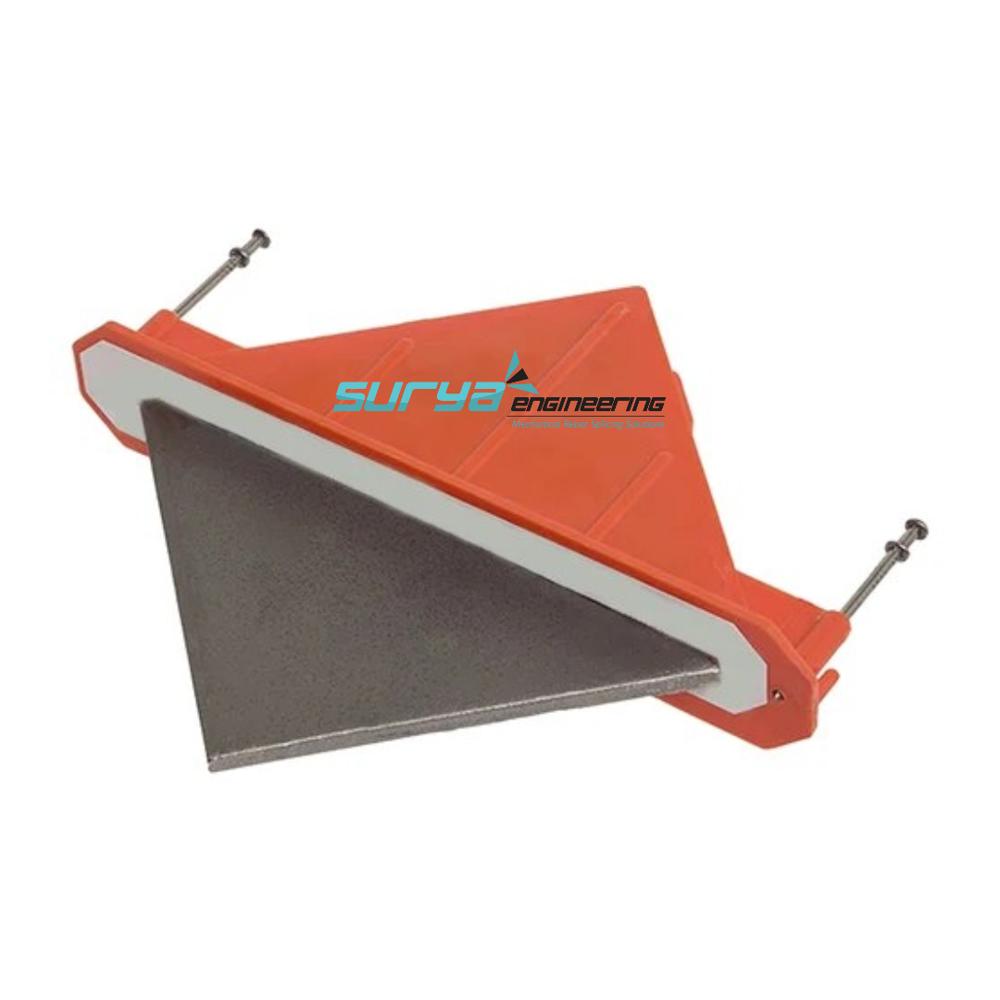
Price 250.0 INR / Number
Minimum Order Quantity : 20
Material : Alloy Steel
Feature : joints
Fasteners Type : Nails
Load Capacity : 1.4 Pound (lb)
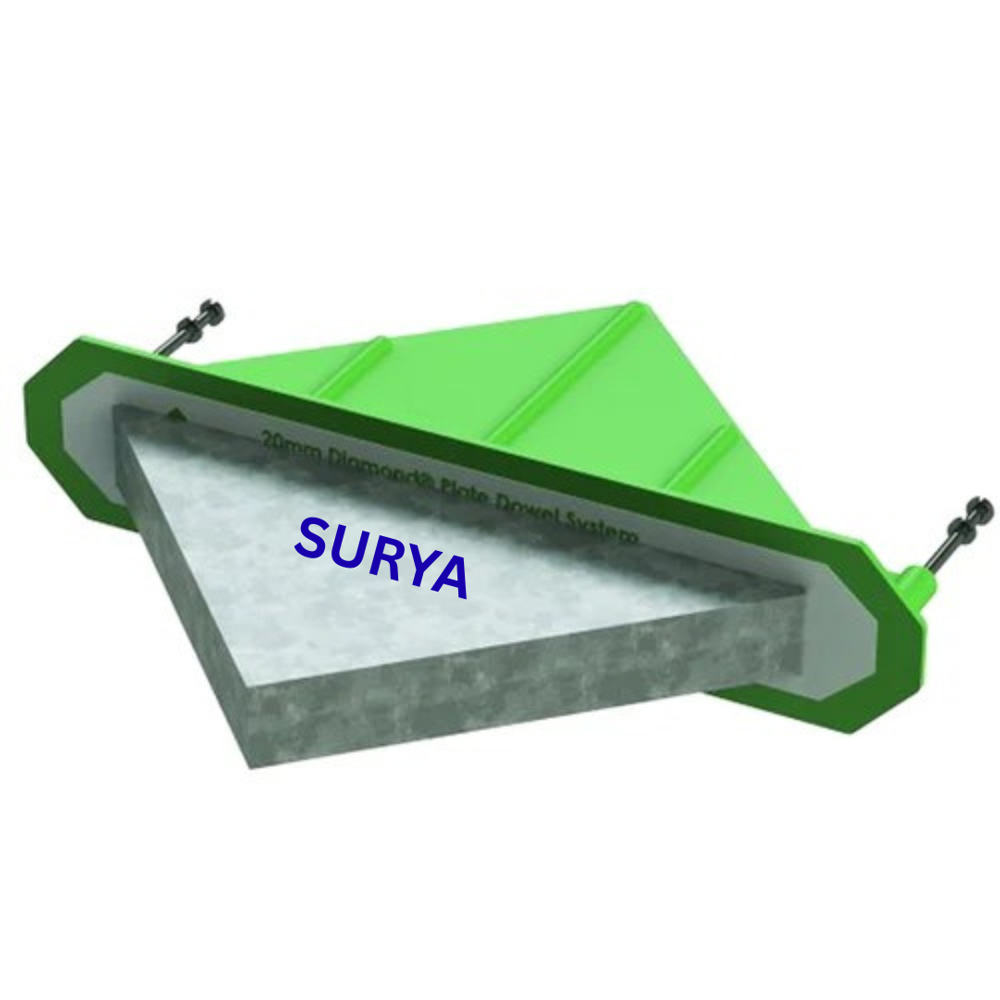
Price 20.0 INR / Piece
Minimum Order Quantity : 100 Pieces
Material : Other
Feature : strong,Durable
Fasteners Type : Nuts
Load Capacity : 220 Kilograms (kg)
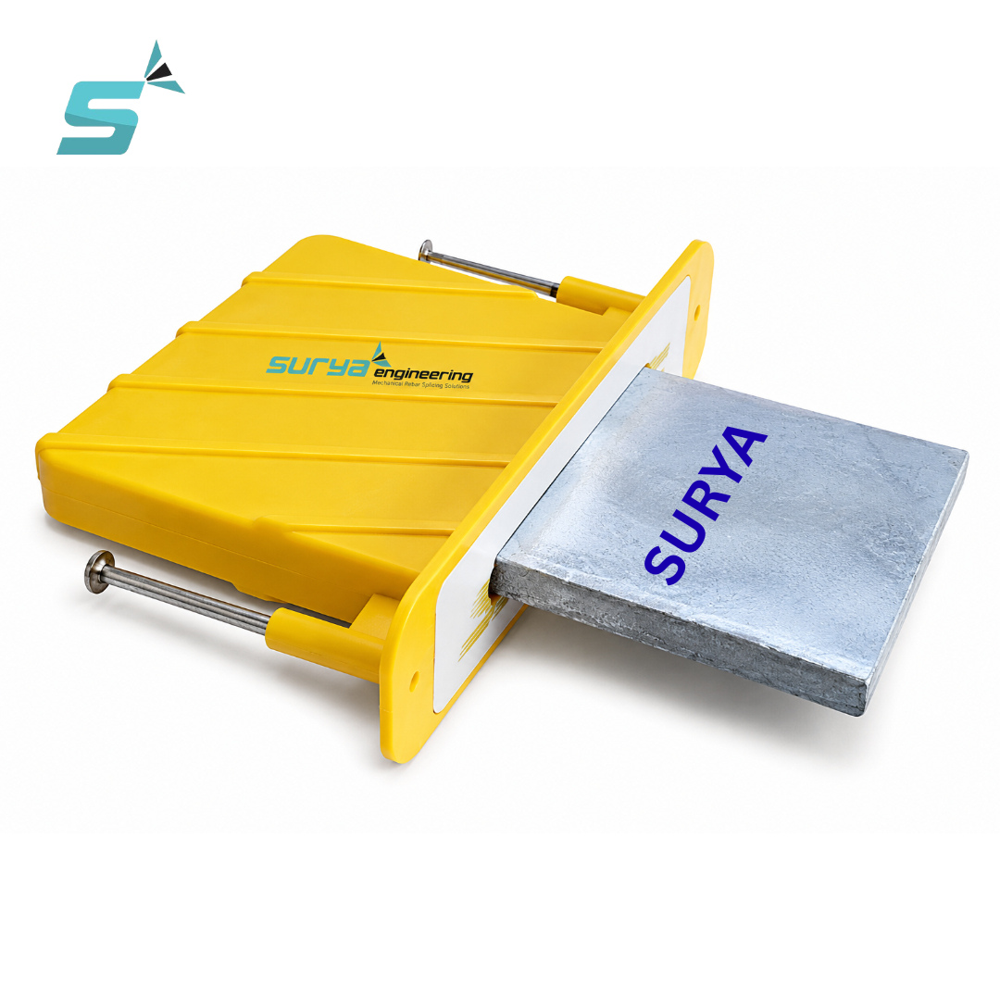
Price 100.0 INR / Piece
Minimum Order Quantity : 10 Pieces
Material : Other
Feature : strong,Durable
Fasteners Type : Nails
Load Capacity : 220 Kilograms (kg)
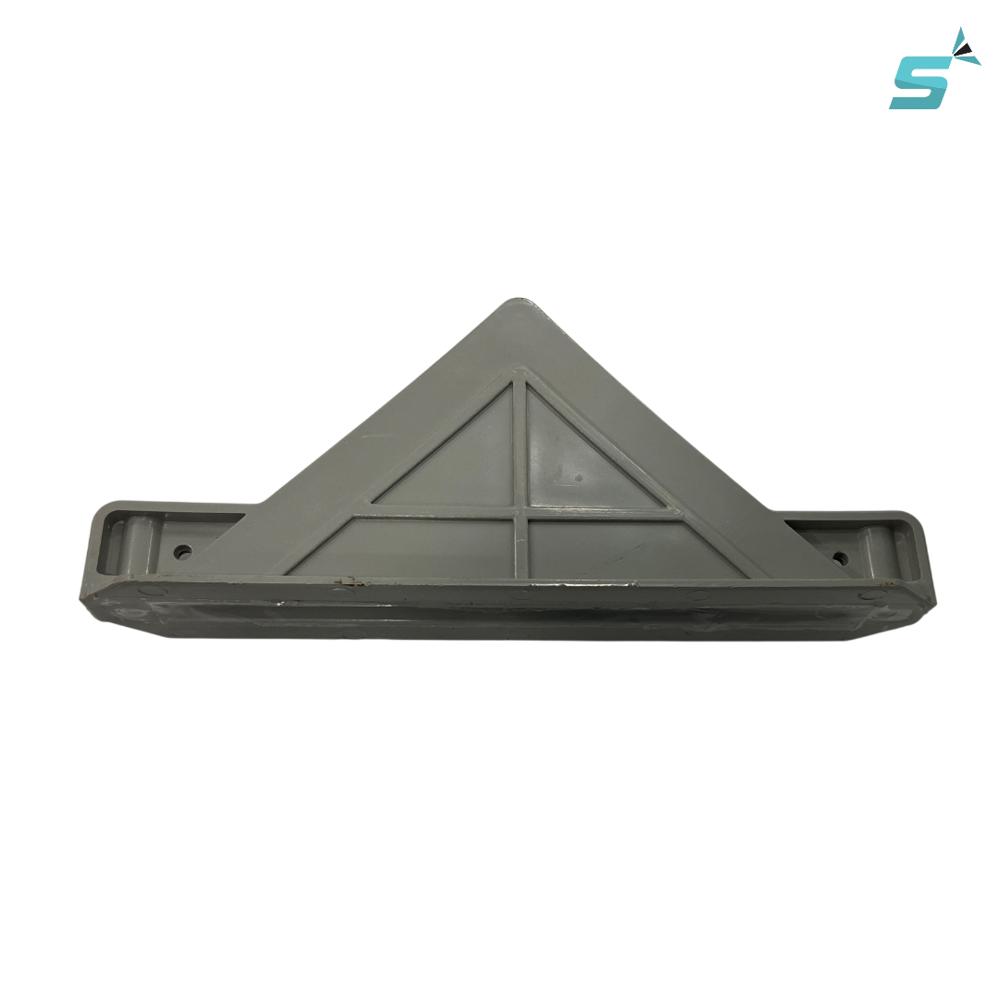
Price 41.0 INR / Piece
Minimum Order Quantity : 10 Pieces
Material : Stainless Steel, Carbon Steel
Feature : Twoway load transfer, Allows lateral & longitudinal movement, Prevents slab edge cracking, Sleeved for concrete shrinkage
Fasteners Type : Nuts
Load Capacity : 15kN (6mm) / 25kN (10mm) as per TR34 design Kilograms (kg)






 Send Inquiry
 English
 Spanish
 French
 German
 Italian
 Chinese (Simplified)
 Japanese
 Korean
 Arabic
 Portuguese