Concrete joint edges can become vulnerable when heavy wheels repeatedly pass over them. Over time, this can result in chipping, cracking, or broken edges. An Armour Joint provides a stronger edge at the joint and helps reduce this type of damage.
In simple terms, it acts as a protective barrier between the concrete joint and the traffic moving across it.
Concrete floors are built to withstand considerable loads, but the edges around joints can experience concentrated impact. This is particularly noticeable in warehouses and industrial facilities where forklifts and other vehicles cross the same joints throughout the day.
It can also help maintain a clean, straight joint line, which is important for both floor performance and finishing quality.
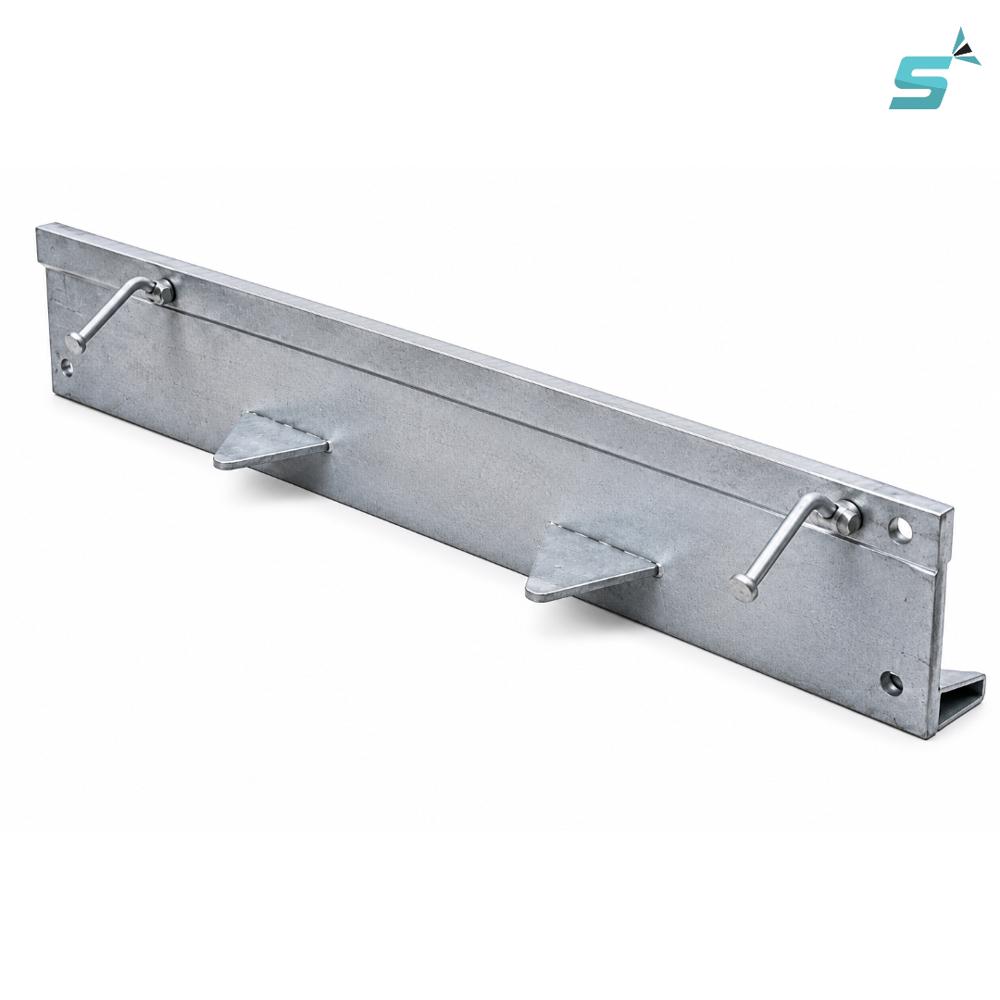
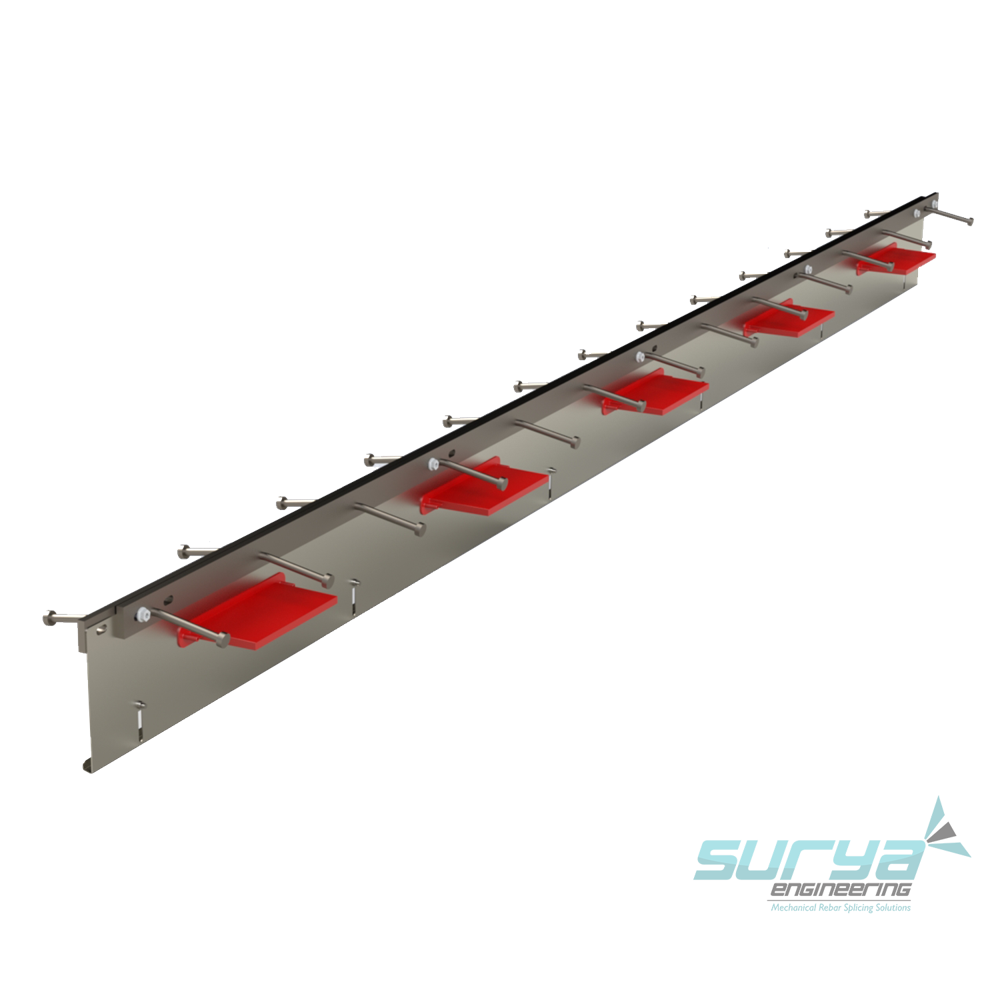
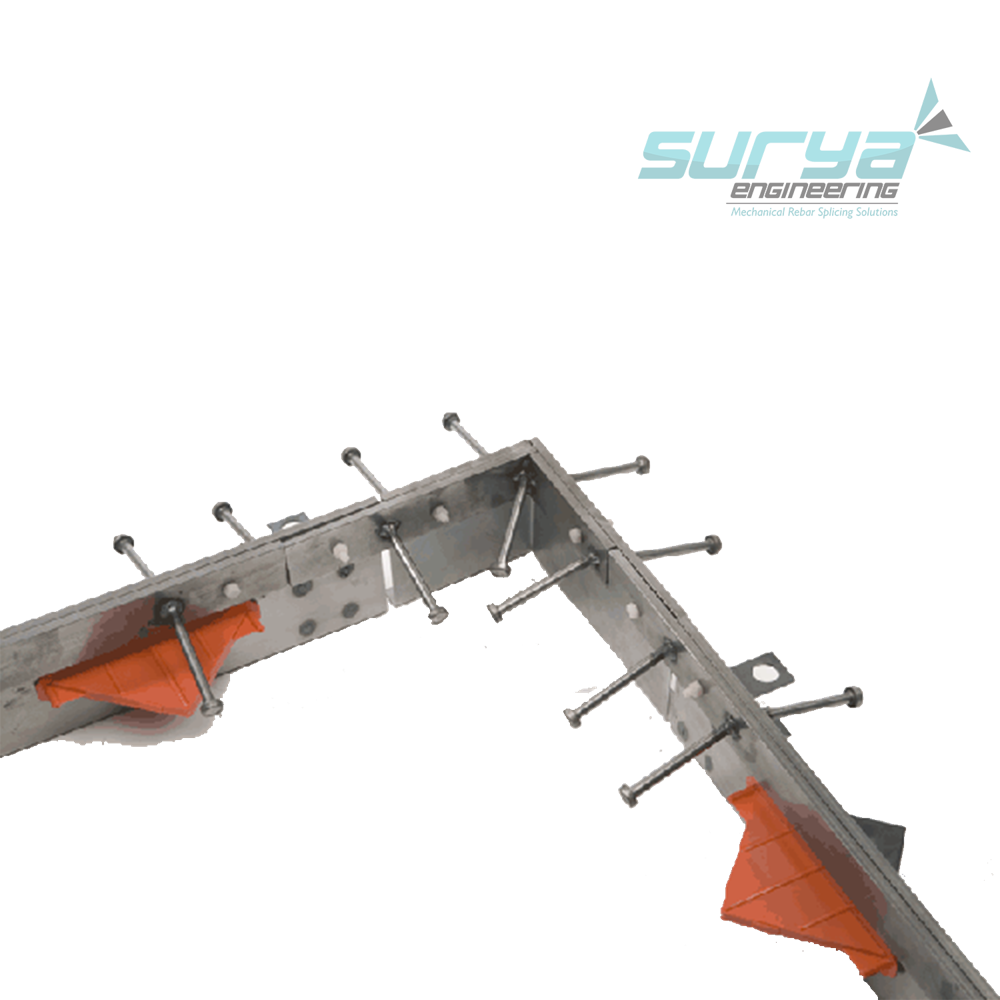
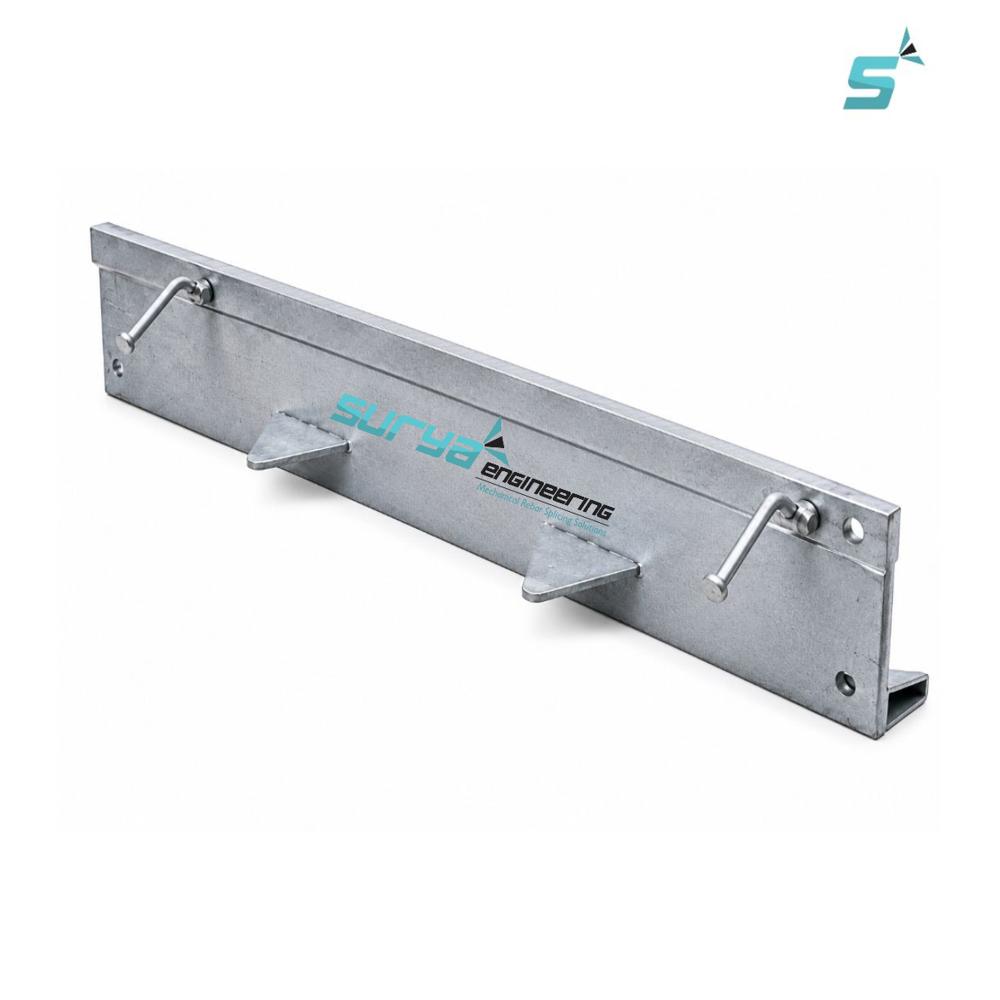
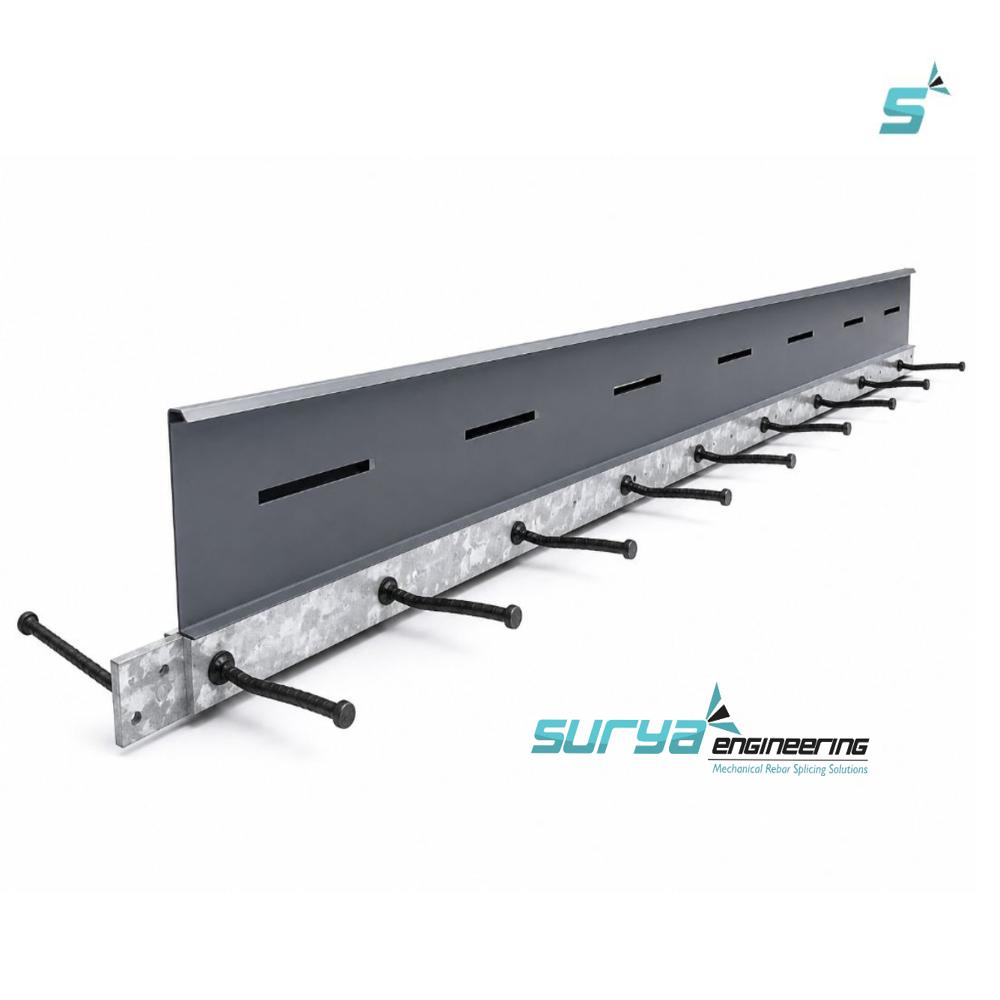
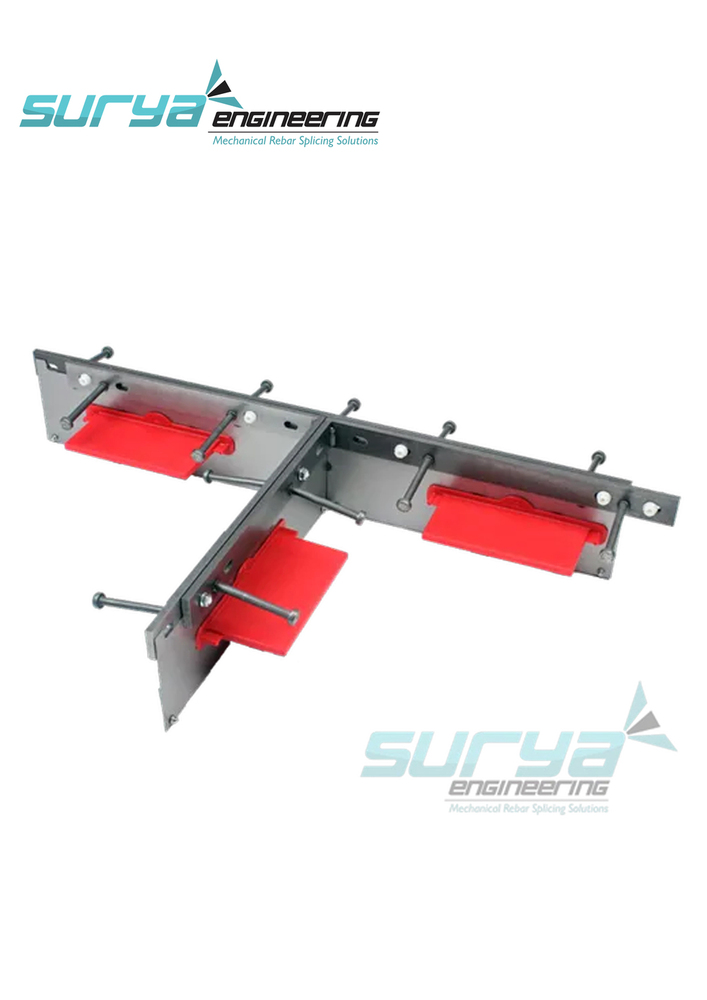
An Armour Joint (also referred to as an armored expansion joint or heavy-duty floor profile) is a permanent, leave-in-place steel joint system installed prior to pouring concrete slabs-on-ground.
As an OEM manufacturer, the production process integrates high-tensile cold-rolled steel top rails with continuous anchor studs and precision plate dowel systems. When the concrete cures and shrinks, the two interlocking steel profiles separate laterally. The heavy steel top edge shields the concrete arris from impact, while internal plate dowels transfer dynamic vertical loads smoothly without vertical stepping.
How Does a Construction Joint Armour Joint Work?
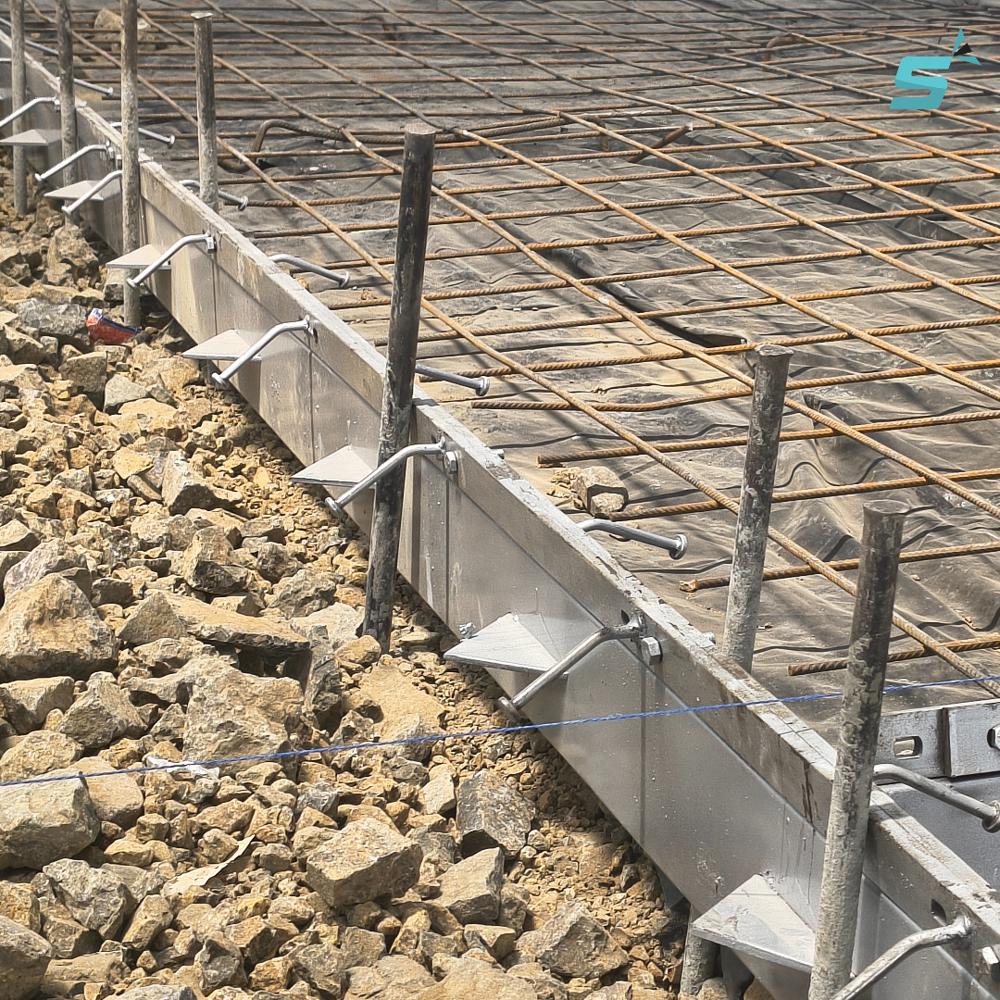
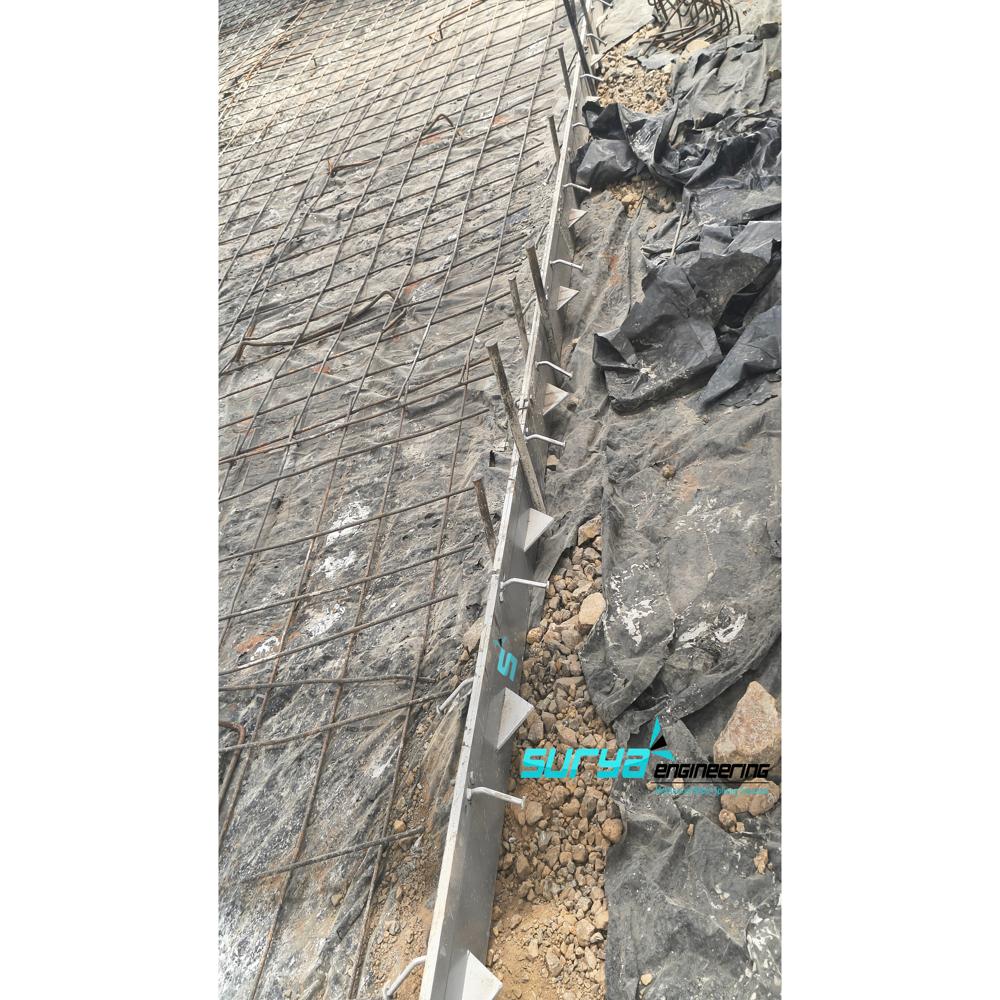
The Armour Joint is positioned along the planned concrete joint and secured in the correct position before the surrounding concrete is placed and finished.
Once the concrete has cured, the Armour Joint provides a reinforced edge along the joint. When a forklift or vehicle crosses the joint, the profile helps protect the concrete edge from direct impact.
This is particularly useful in industrial environments where the same joint may experience thousands of wheel crossings over its service life.
Construction Joint Armour Joint Installation
Correct installation is essential for getting the best performance from an Armour Joint.
A typical installation process includes:
- Mark the required construction joint location.
- Prepare the concrete base and installation area.
- Position the Armour Joint at the required level.
- Check the alignment and straightness of the profile.
- Secure the Armour Joint firmly in place.
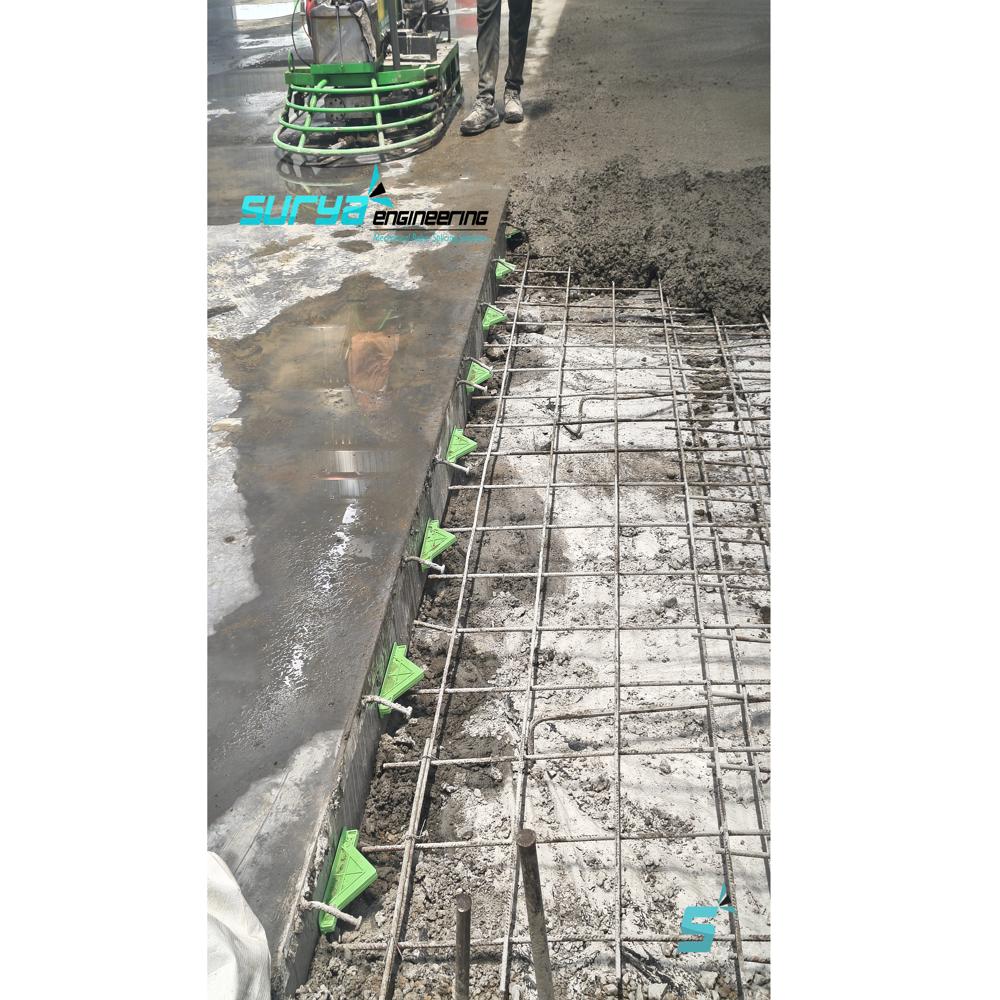
- Place the concrete carefully around the joint.
- Finish the concrete surface while maintaining the correct joint level.
- Inspect the joint after finishing and curing.
The exact installation method depends on the Armour Joint design, concrete thickness, floor layout, and project requirements. Installation should always follow the manufacturer's recommendations.
How to Select the Right Armour Joint?
Not every concrete floor experiences the same type of traffic. A warehouse used mainly by pedestrians has very different requirements from a manufacturing facility where heavy forklifts and machinery operate continuously.
Before selecting a Construction Joint Armour Joint, consider:
- Concrete slab thickness
- Joint dimensions
- Expected vehicle traffic
- Forklift wheel loads
- Machinery movement
- Required joint movement
- Indoor or outdoor application
- Installation conditions
- Material and finish requirements
- Overall floor design
Selecting the product according to actual site conditions helps ensure better performance and durability.
Construction Joint Armour Joint Manufacturer in India
Choosing the right manufacturer is an important part of any concrete flooring project. A reliable Construction Joint Armour Joint manufacturer in India should understand the practical requirements of concrete floors and provide products suitable for the intended application.
Surya Engineering manufactures construction and concrete-related products for industrial, commercial, and infrastructure applications. Our focus is on supplying practical solutions for projects that require reliable joint protection and durable concrete flooring components.
Whether the requirement is for a warehouse, factory, industrial floor, loading area, or another heavy-duty concrete application, the Armour Joint should be selected according to the project's floor design and expected traffic.
Why Choose Surya Engineering?
Surya Engineering focuses on construction products designed around real site requirements. Our approach is not simply about supplying a component; it is about providing a suitable solution for the application.
When selecting an Armour Joint, we can consider factors such as the concrete floor type, joint requirements, expected traffic, and installation conditions to help identify a suitable product.
Frequently Asked Questions
What is a Construction Joint Armour Joint?
A Construction Joint Armour Joint is a protective profile installed at concrete joints to reinforce and protect concrete edges from impact, chipping, and heavy traffic.
What is an Armour Joint used for?
It is mainly used to protect concrete joint edges in areas exposed to forklifts, vehicles, machinery, and repeated mechanical impact.
Where are Armour Joints commonly used?
They are commonly used in warehouses, factories, industrial floors, loading bays, parking areas, workshops, logistics centers, and other high-traffic concrete applications.
Who manufactures Construction Joint Armour Joints in India?
Surya Engineering manufactures construction and concrete joint products for industrial, commercial, and infrastructure applications.
Is an Armour Joint suitable for warehouse flooring?
Yes. Armour Joints are particularly useful in warehouses where forklifts and pallet trucks repeatedly cross concrete joints.
How is an Armour Joint installed?
The joint profile is positioned and aligned at the required location, securely fixed, and then incorporated into the concrete floor according to the manufacturer's installation recommendations.
How do I choose an Armour Joint?
Selection should be based on factors such as concrete thickness, joint dimensions, expected traffic, wheel loads, machinery movement, and project-specific requirements.

 Send Inquiry




 Send Inquiry

 Send Inquiry
 Send SMS

 English
 Spanish
 French
 German
 Italian
 Chinese (Simplified)
 Japanese
 Korean
 Arabic
 Portuguese
