About Flooring Armour Joints
What Is an Armour Joint?
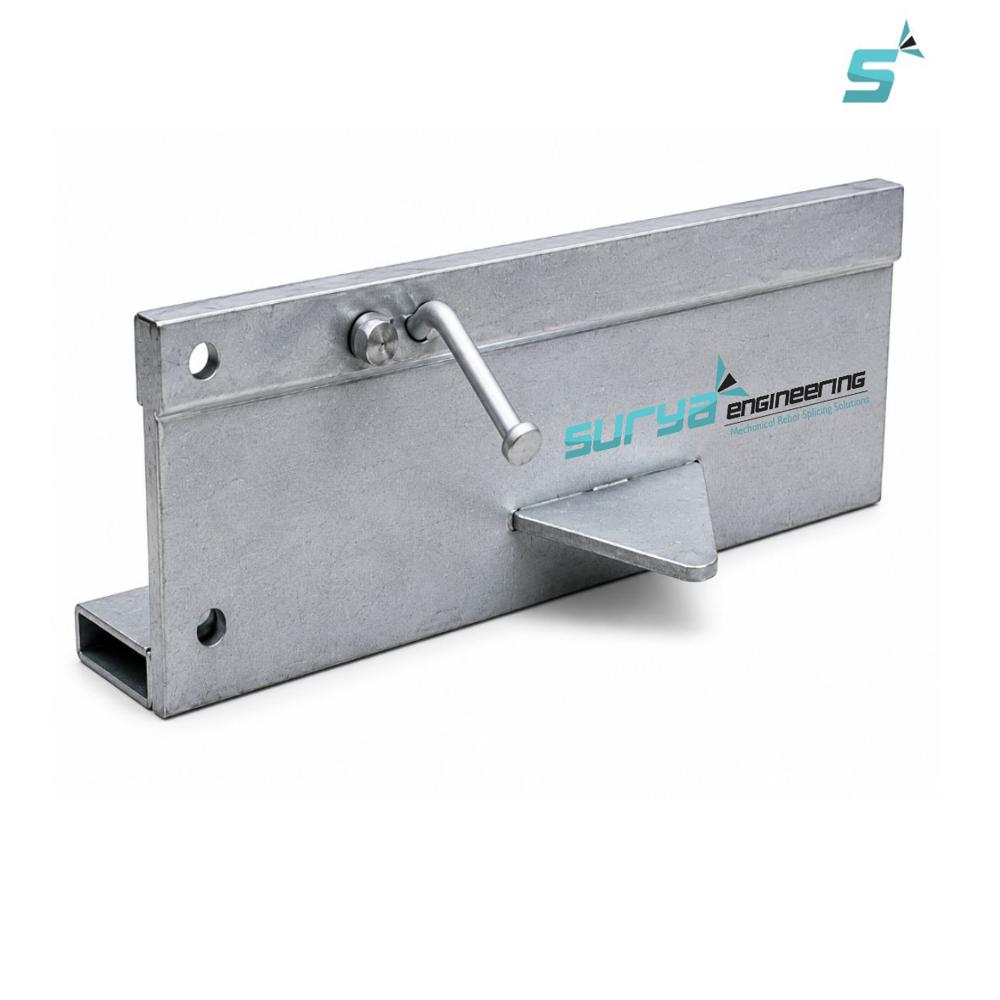
An Armour Joint is a specially designed joint protection system used in concrete flooring, industrial floors, warehouse floors, factory floors, and heavy-duty pavement applications. It is generally installed at construction joints or slab edges to protect the exposed concrete edges from damage caused by heavy traffic, repeated loading, and impact.
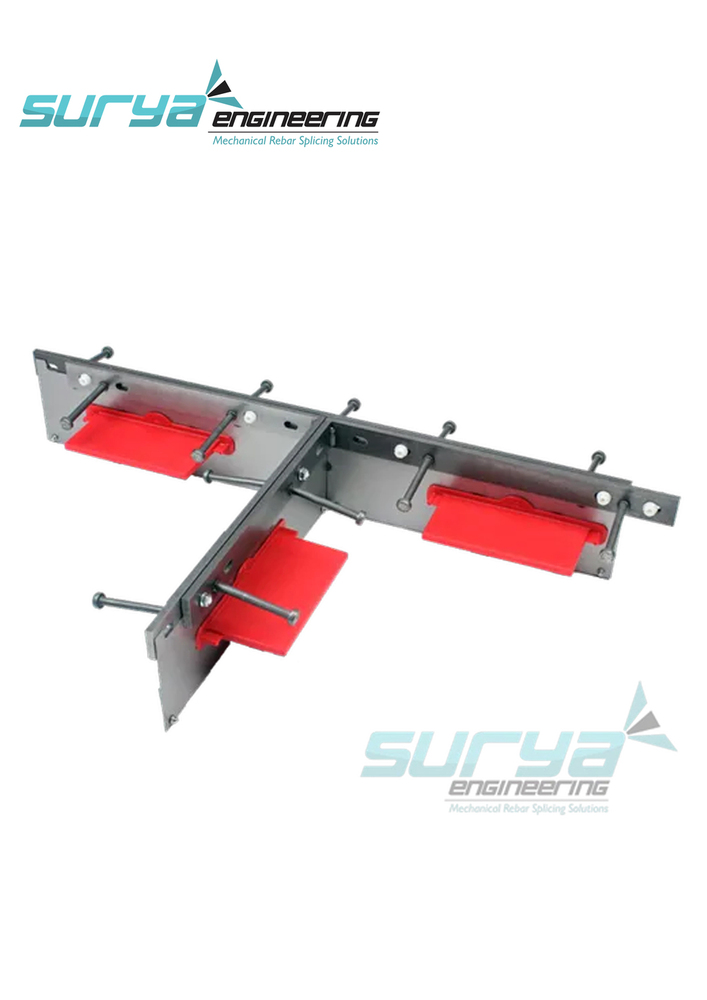
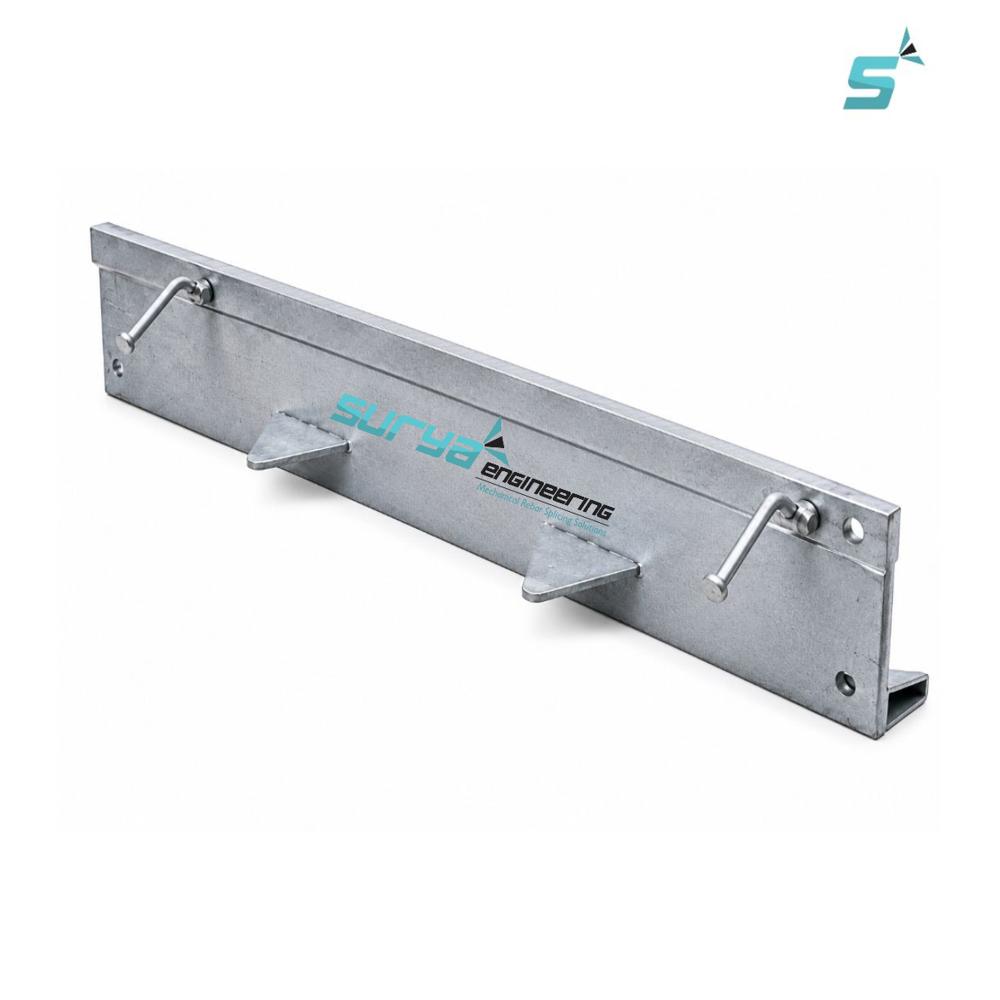
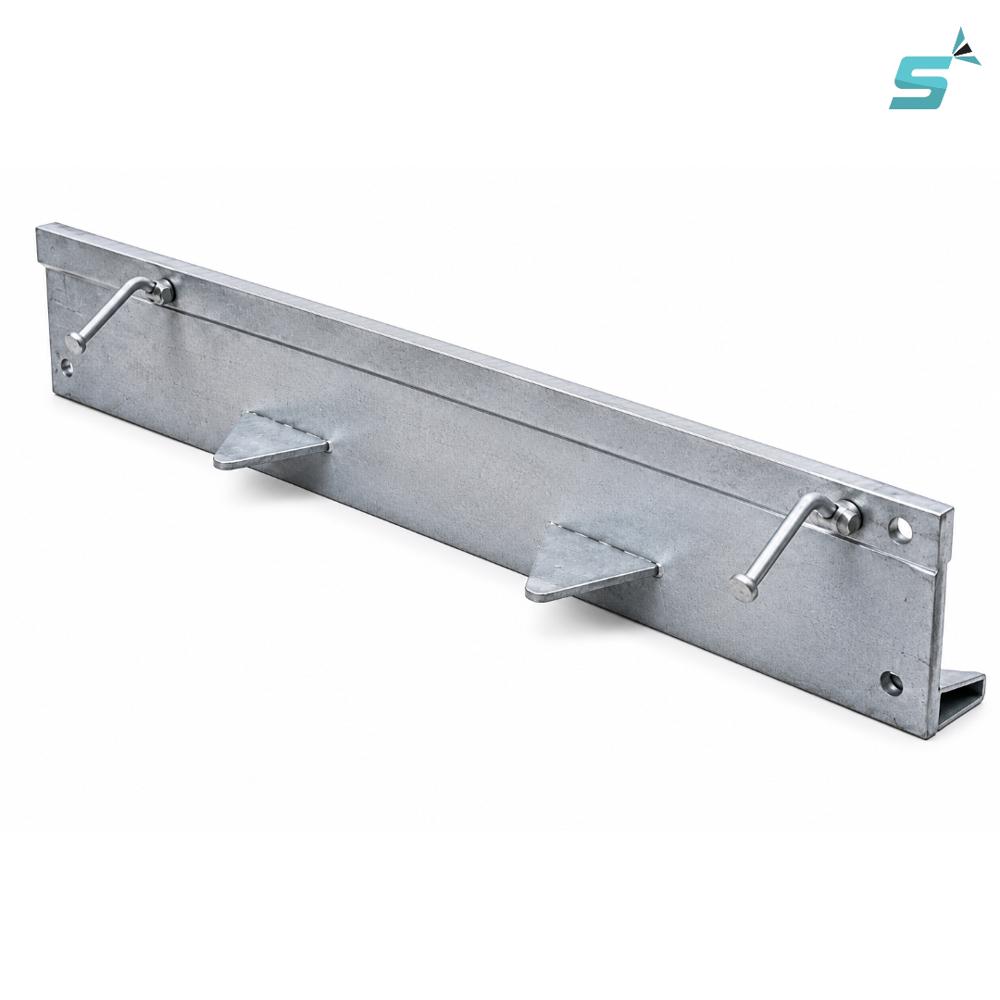
Armour joints commonly consist of steel edge profiles and an integrated load-transfer arrangement, depending on the product design. They help protect concrete edges, maintain joint alignment, and support the transfer of loads between adjacent concrete slabs in applications where the joint system is designed for that purpose.
Armour joints are particularly useful in industrial environments where forklifts, pallet trucks, industrial vehicles, and other wheeled equipment repeatedly cross concrete floor joints.
Purpose of an Armour Joint
The main purpose of an armour joint is to protect concrete slab edges and improve the performance of joints in heavy-duty concrete flooring.
Its key functions include:
-
Concrete Edge Protection: Helps reduce chipping, cracking, and spalling along exposed concrete joint edges.
-
Load Transfer: Certain designs incorporate dowels or other load-transfer components to distribute loads between adjacent slabs.
-
Joint Alignment: Helps maintain the intended geometry and alignment of the joint during concrete placement and service.
-
Heavy-Traffic Performance: Supports joint durability in industrial floors exposed to repeated wheel loads.
-
Joint Movement Accommodation: Appropriate joint designs can accommodate specified slab movement without unnecessarily restraining the concrete.
Main Components of an Armour Joint
The components vary by manufacturer and model, but a typical heavy-duty armour joint system may include the following:
1. Steel Edge Profiles
Steel profiles protect the concrete edges from impact and wear. Their thickness, shape, and steel grade depend on the application and design requirements.
2. Load-Transfer Dowels
Some armour joint systems incorporate dowels that help transfer wheel loads across the joint while allowing the intended joint movement.
3. Dowel Sleeves or Movement Components
Where specified, sleeves or movement components allow dowels to move as required by the joint design and help prevent unwanted restraint.
4. Fixing and Alignment Components
Brackets, anchors, spacers, or other accessories may be provided to maintain the correct position during concrete placement.
5. Joint Former or Joint Gap
The system may define the joint location and geometry between adjacent concrete pours, depending on the product configuration.
Not every armour joint contains all these components. Always confirm the supplied configuration with the manufacturer's technical drawings.
How Does an Armour Joint Work?
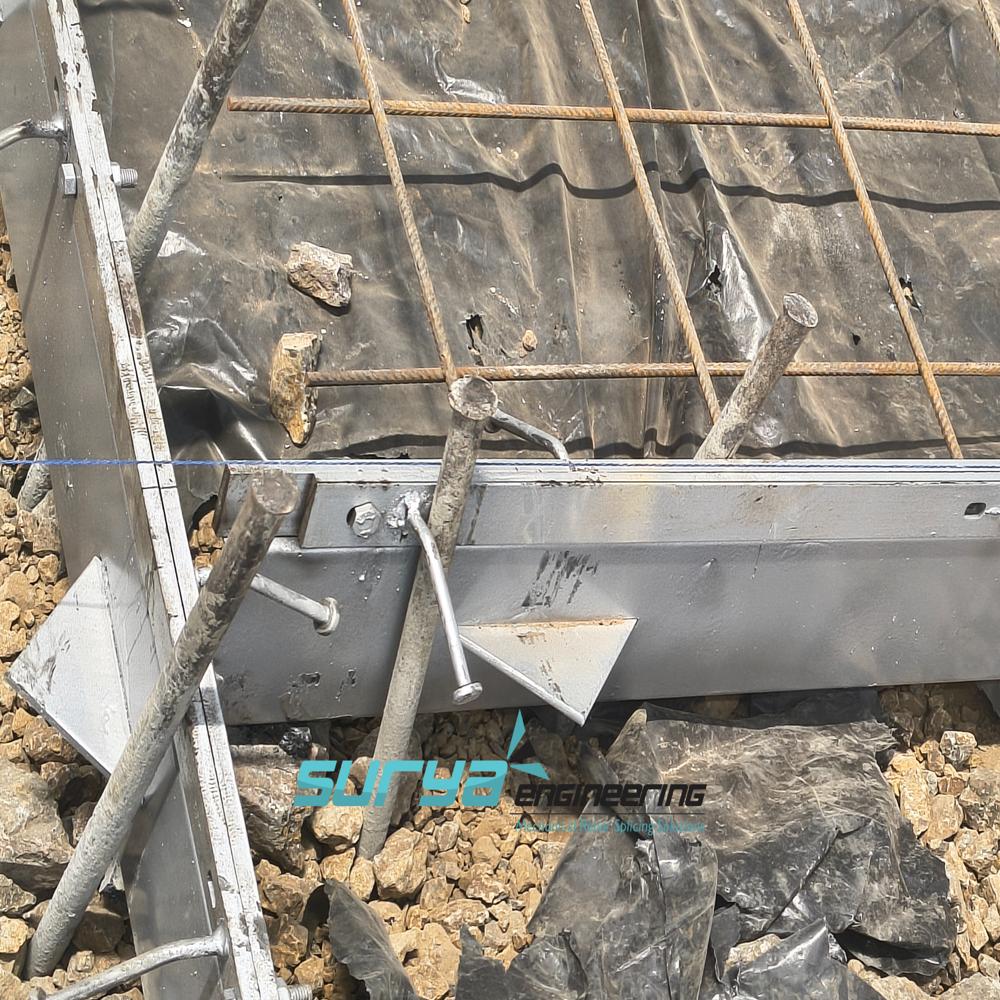
An armour joint is positioned at the specified joint location before or during concrete floor construction.
-
Positioning: The joint assembly is set out according to the floor drawings and required finished-floor level.
-
Alignment: The profiles and any load-transfer components are aligned and secured using the supplied fixing system.
-
Concrete Placement: Concrete is placed around the assembly according to the installation sequence and product instructions.
-
Joint Formation: The system forms or protects the joint between adjacent concrete sections.
-
Service Performance: During operation, the steel profiles protect the concrete edges, while any designed load-transfer components help distribute loads across the joint.
Correct installation is essential. Incorrect elevation, alignment, dowel positioning, or concrete compaction can affect joint performance.
Armour Joint vs. Conventional Concrete Joint
| Feature |
Armour Joint |
Conventional Concrete Joint |
| Edge protection |
Typically uses dedicated protective profiles |
Depends on the joint design and concrete detailing |
| Heavy wheel traffic |
Specially designed models suit demanding traffic |
Performance depends on the joint detail |
| Load transfer |
May include integrated dowels or other components |
May use separate dowels or another designed system |
| Installation |
Requires accurate positioning of the assembly |
Depends on the selected joint construction method |
| Maintenance |
Edge protection can reduce certain types of damage |
May require repairs if edges deteriorate |
Installation Considerations
Before installing an armour joint, check the slab thickness, floor loading requirements, joint layout, finished-floor level, and required movement allowance.
Ensure that the assembly is properly supported and aligned before concrete placement. Position any dowels, sleeves, and fixing components according to the manufacturer's drawings. Concrete should be placed and compacted carefully around the assembly to avoid voids and weak edges.
The joint system should be selected and installed in coordination with the structural engineer, flooring contractor, and project specifications.
Disadvantages of Armour Joint
An Armour Joint used in industrial concrete flooring provides edge protection and can support load transfer, depending on its design. However, it also has some disadvantages that should be considered before installation.
- Higher Initial Cost
- Complex Installation
- Risk of Corrosion
- Difficult Repairs
- Requires Proper Design
Why are dowel plates used with an Armour Joint?
1. Load transfer: Dowel plates help transfer wheel loads between adjacent concrete slabs, reducing differential movement at the joint when properly designed.
2. Reduced joint damage: Appropriate load transfer helps reduce stress concentrations and the risk of concrete edge damage caused by repeated forklift or industrial vehicle traffic.
3. Controlled slab movement: Specially designed dowel plate systems can transfer vertical loads while allowing the intended horizontal slab movement.
4. Improved floor performance: A compatible system can help maintain a more even joint under repeated loading.
Armour Joint with vs. without Dowel Plates
|
Feature
|
With dowel plates
|
Without dowel plates
|
|
Load transfer
|
Provided when properly designed
|
Depends on the alternative joint design
|
|
Differential slab movement
|
Can be reduced
|
May be greater under certain loading conditions
|
|
Heavy forklift traffic
|
Often beneficial
|
Suitability depends on floor design
|
|
Installation
|
Requires correct positioning
|
May be simpler, depending on the system
|
|
Suitability
|
Depends on loading and joint requirements
|
Depends on loading and joint requirements
|
Are dowel plates compulsory?
-
Heavy-duty industrial floors: Dowel plates or another engineered load-transfer system are often important.
-
Light-duty floors: They may not be necessary if the floor design does not require them.
-
Armour joints with integrated load transfer: Additional dowel plates may be unnecessary or incompatible.
Maintenance of Armour Joints
Armour joints generally require routine inspection rather than frequent specialised maintenance.
-
Inspect steel profiles for deformation, loosening, and corrosion.
-
Check concrete edges for chipping, cracking, or spalling.
-
Inspect joint movement and load-transfer areas for visible deterioration.
-
Repair damaged joint components according to the manufacturer's recommendations.
-
Keep the joint area clean and address damage before it develops into a larger problem.
Inspection frequency should reflect traffic intensity, environmental conditions, and the floor's maintenance programme.
Why Choose Surya Engineering Armour Joint?
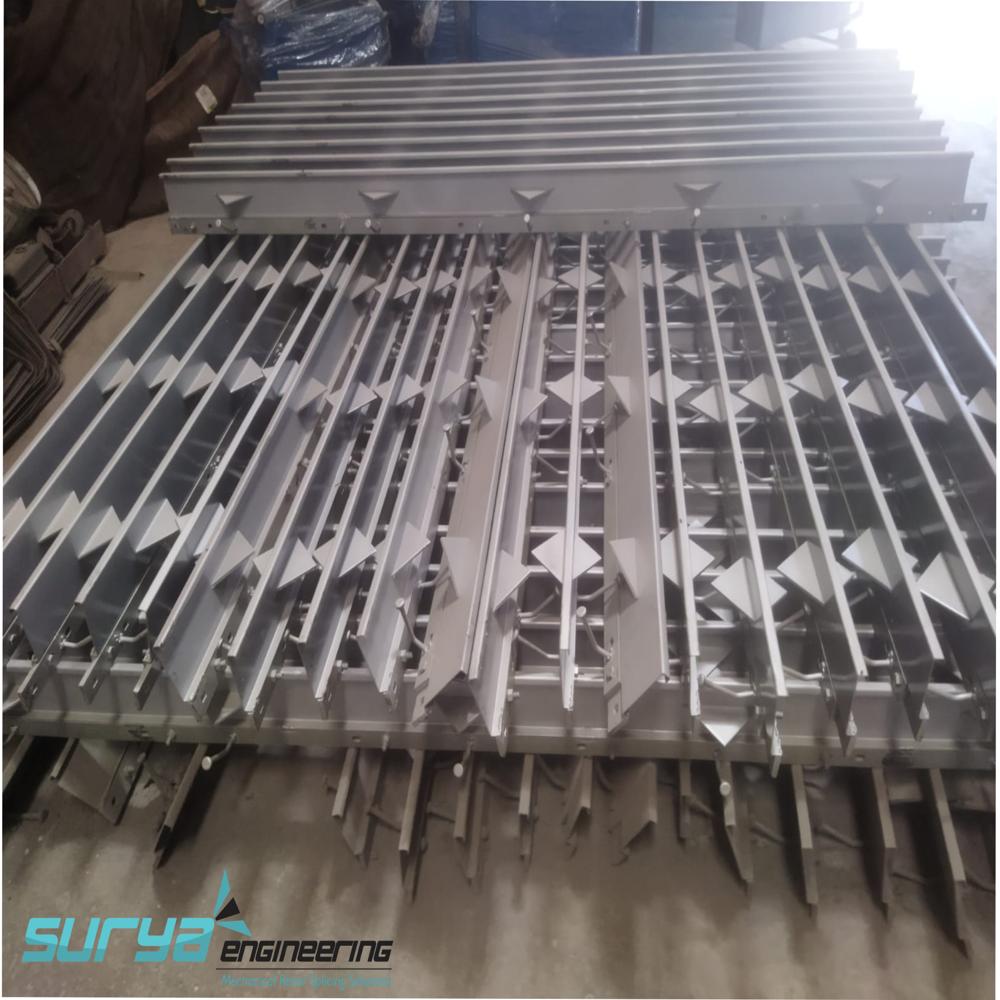
Surya Engineering Armour Joint is designed for industrial concrete flooring applications that require reliable concrete edge protection and effective joint performance. Manufactured using steel profiles and offered with an integrated dowel plate system in the specified configuration, it helps protect vulnerable slab edges and supports load transfer between adjacent concrete panels.
With custom sizing and multiple surface-finish options, Surya Engineering Armour Joints can be selected to suit different slab thicknesses, loading requirements, and project environments. They are suitable for consideration in warehouses, factories, logistics facilities, and heavy-duty industrial floors.
Choose Surya Engineering for application-specific Armour Joint solutions designed around your flooring requirements.
FAQ's of FLOORING ARMOUR JOINTS:
Q: How are Flooring Armour Joints manufactured to ensure durability?
A: Flooring Armour Joints are manufactured using advanced forging techniques, which compress and shape high-grade stainless steel under intense pressure. This process aligns the metal's internal structure, significantly improving strength, toughness, and durability compared to conventional methods.
Q: What industrial applications are suitable for these armour joints?
A: These armour joints are ideal for heavy-duty industrial flooring such as factories, warehouses, logistics centers, and production facilities. Their robust construction ensures stable support and protection in high-traffic and load-intensive environments.
Q: When should you consider installing stainless steel flooring armour joints?
A: You should consider installing these joints during the construction or renovation of industrial floors, especially when anticipating heavy machinery movement, frequent vehicular traffic, or the need for enhanced structural integrity.
Q: Where can I source Flooring Armour Joints in India?
A: As a leading distributor, exporter, importer, and manufacturer based in India, we supply Flooring Armour Joints nationwide. For international clients, we also export our products, ensuring reliable access regardless of your location.
Q: What is the process of integrating these joints into industrial flooring?
A: The integration process involves placing the joints at predetermined floor expansion points during the concrete casting stage. These joints accommodate thermal movement and prevent surface cracking, resulting in a longer-lasting and more even floor surface.
Q: How can using forged stainless steel flooring joints benefit my facility?
A: Forged stainless steel joints provide increased resistance to impact, corrosion, and wear. This leads to lower maintenance costs, improved floor longevity, and enhanced safety for personnel and equipment in your industrial facility.



 Send Inquiry




 Send Inquiry

 Send Inquiry
 Send SMS

 English
 Spanish
 French
 German
 Italian
 Chinese (Simplified)
 Japanese
 Korean
 Arabic
 Portuguese
