
Talk to us
08045811615
Talk to us
08045811615
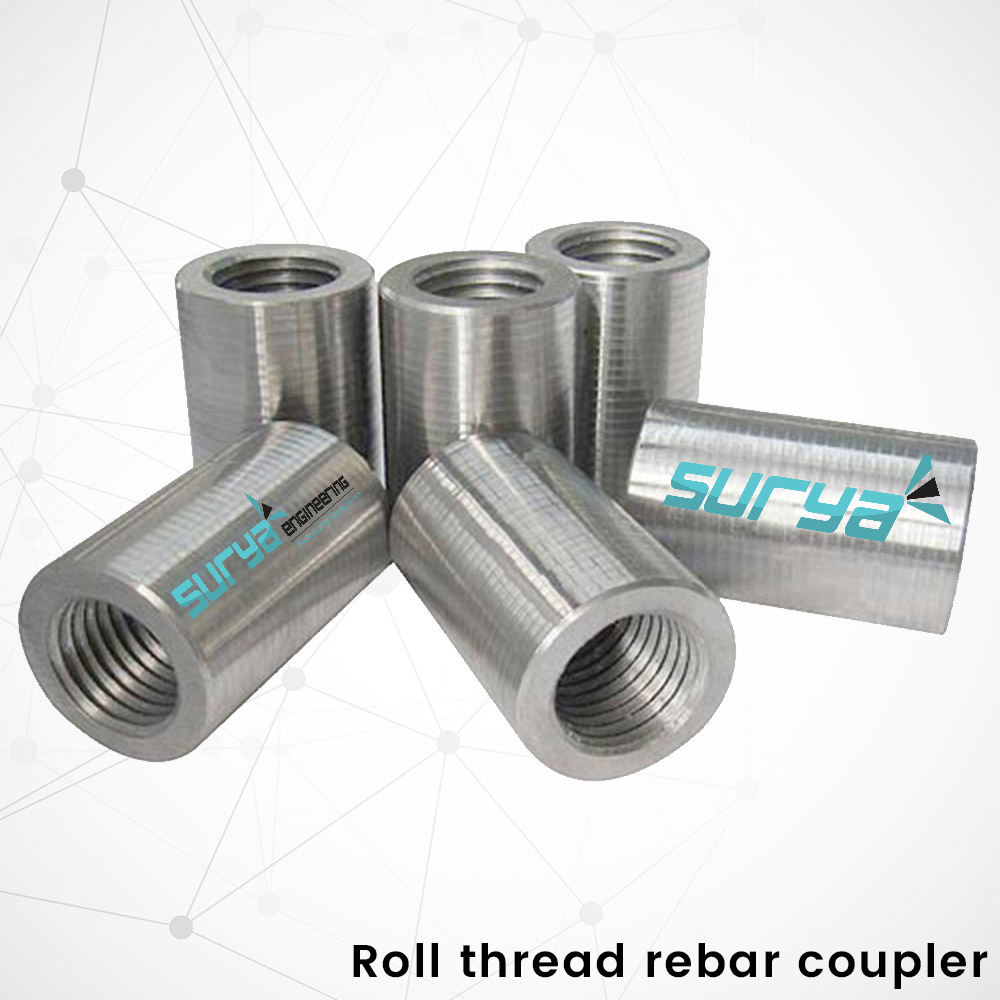
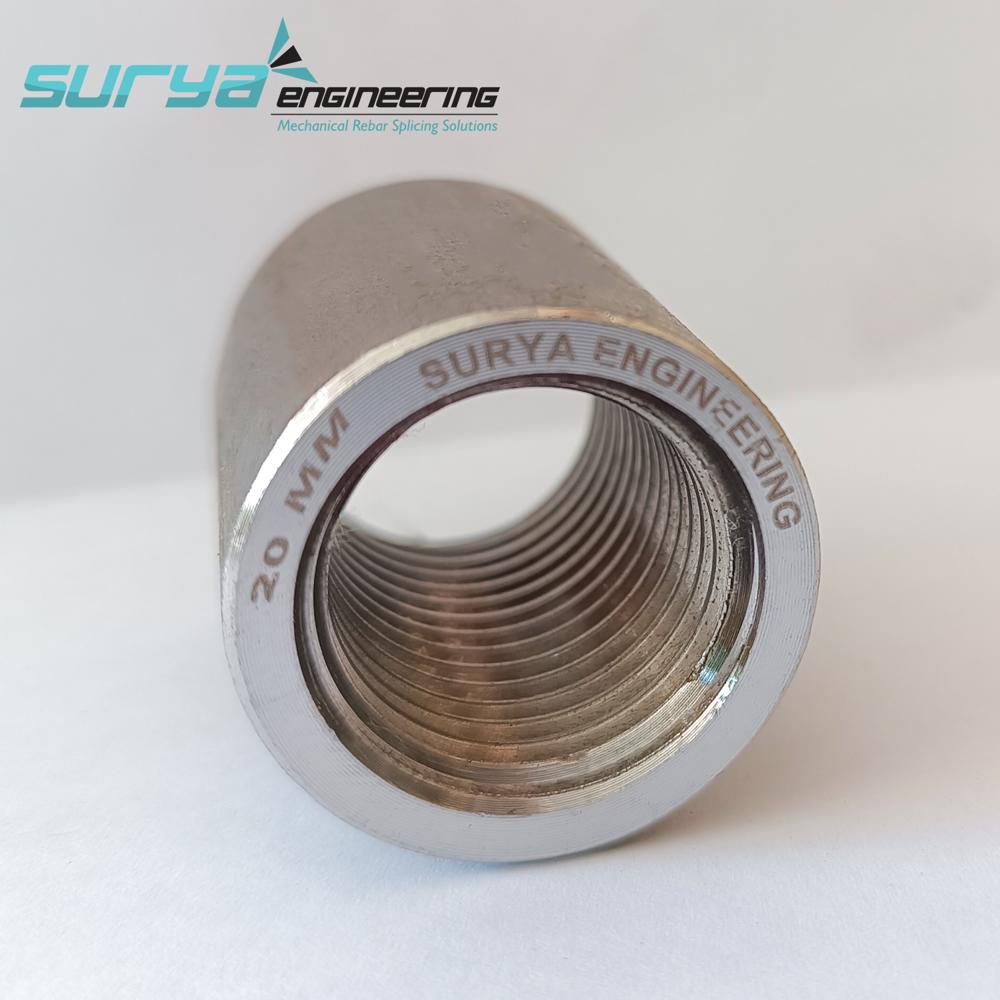
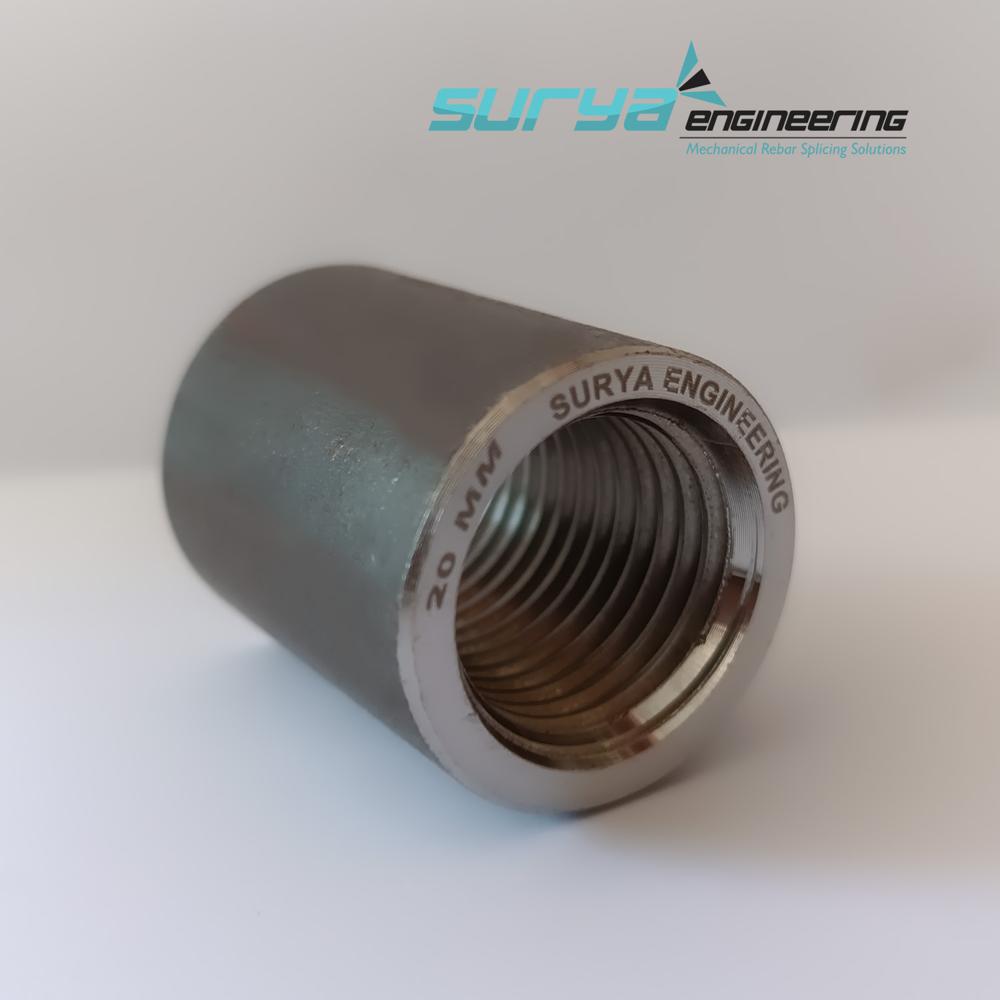
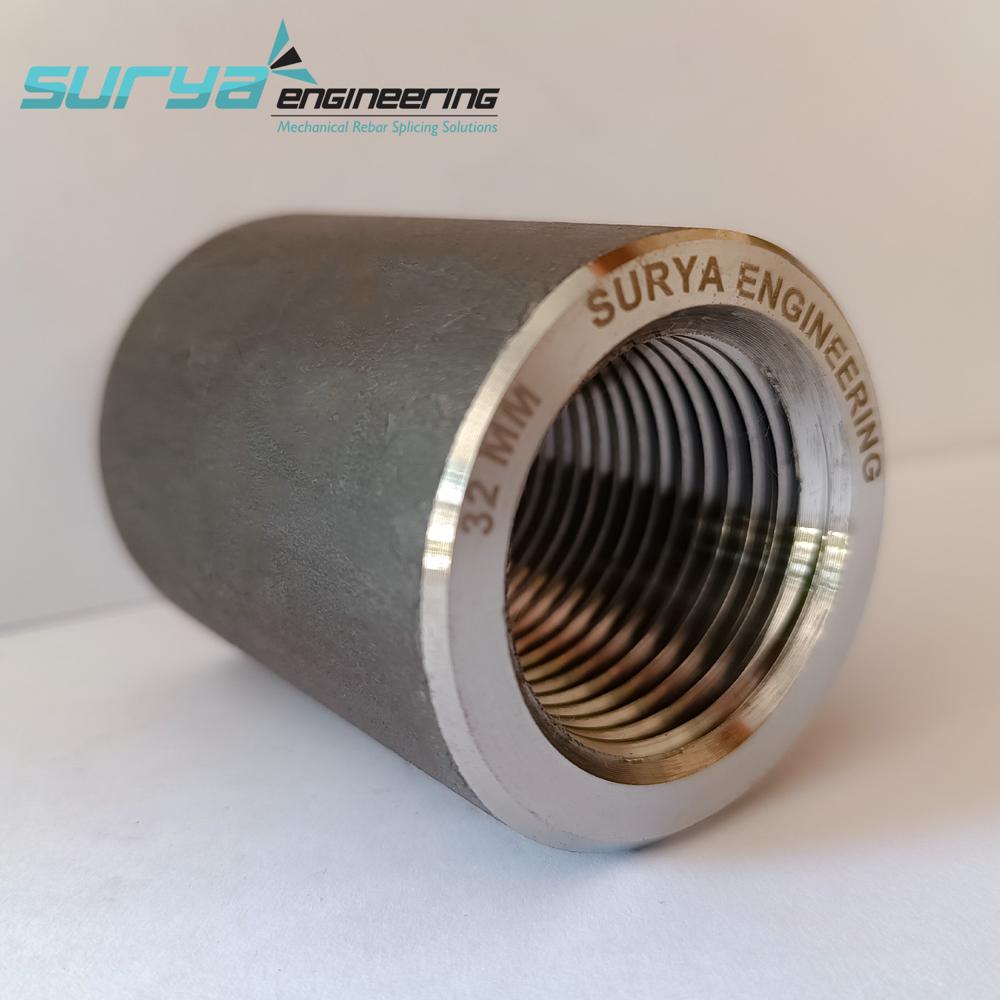
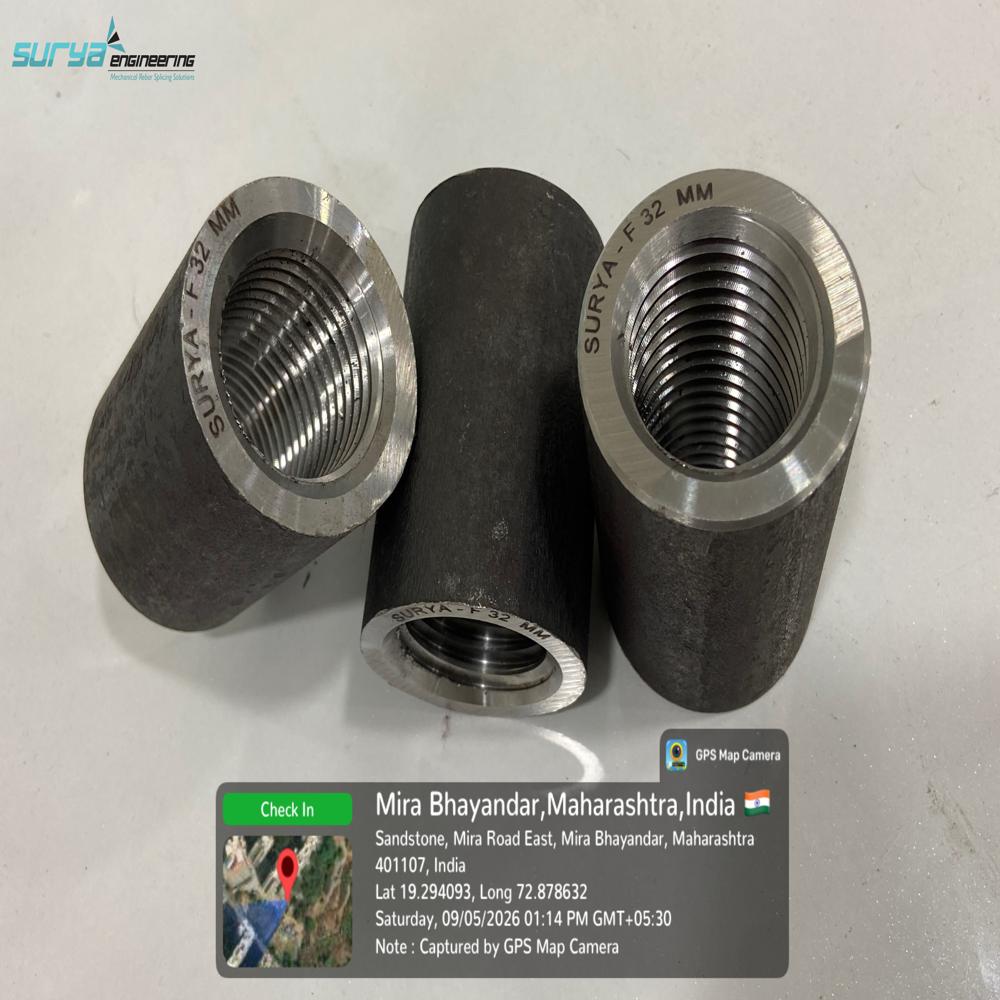
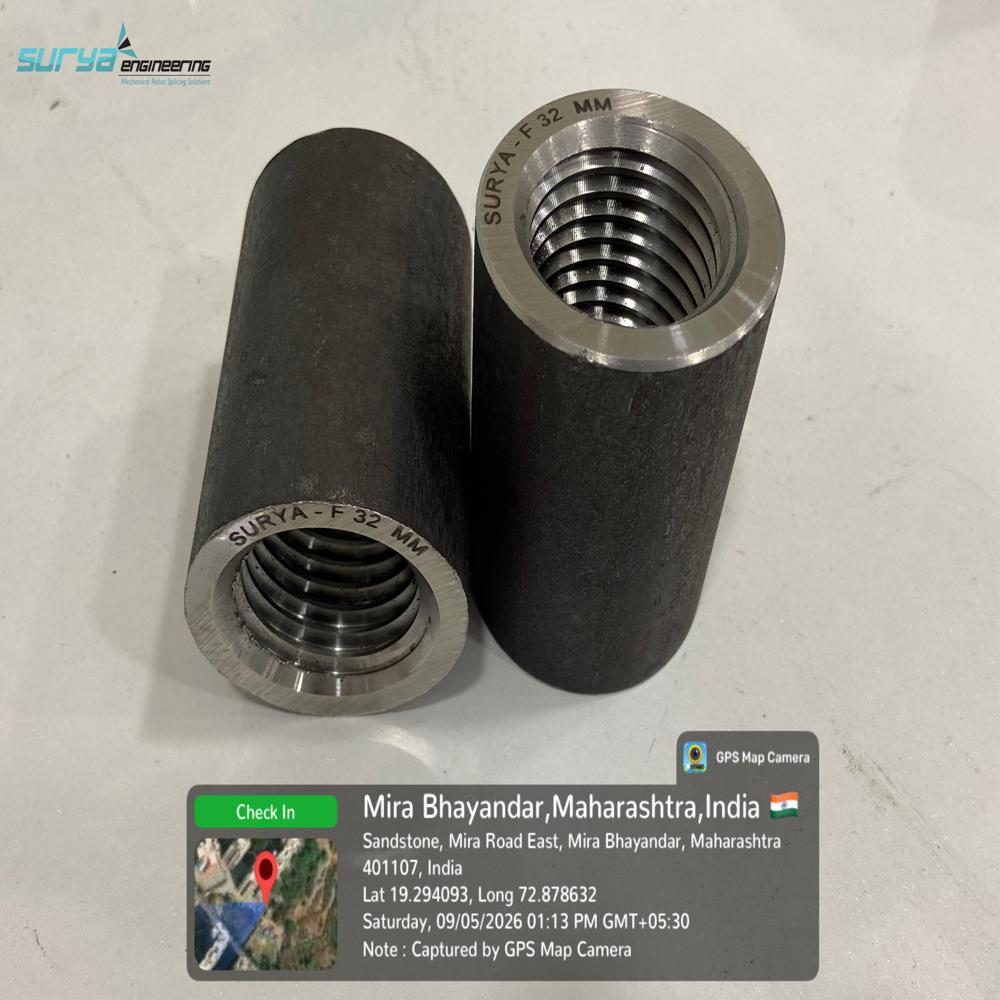
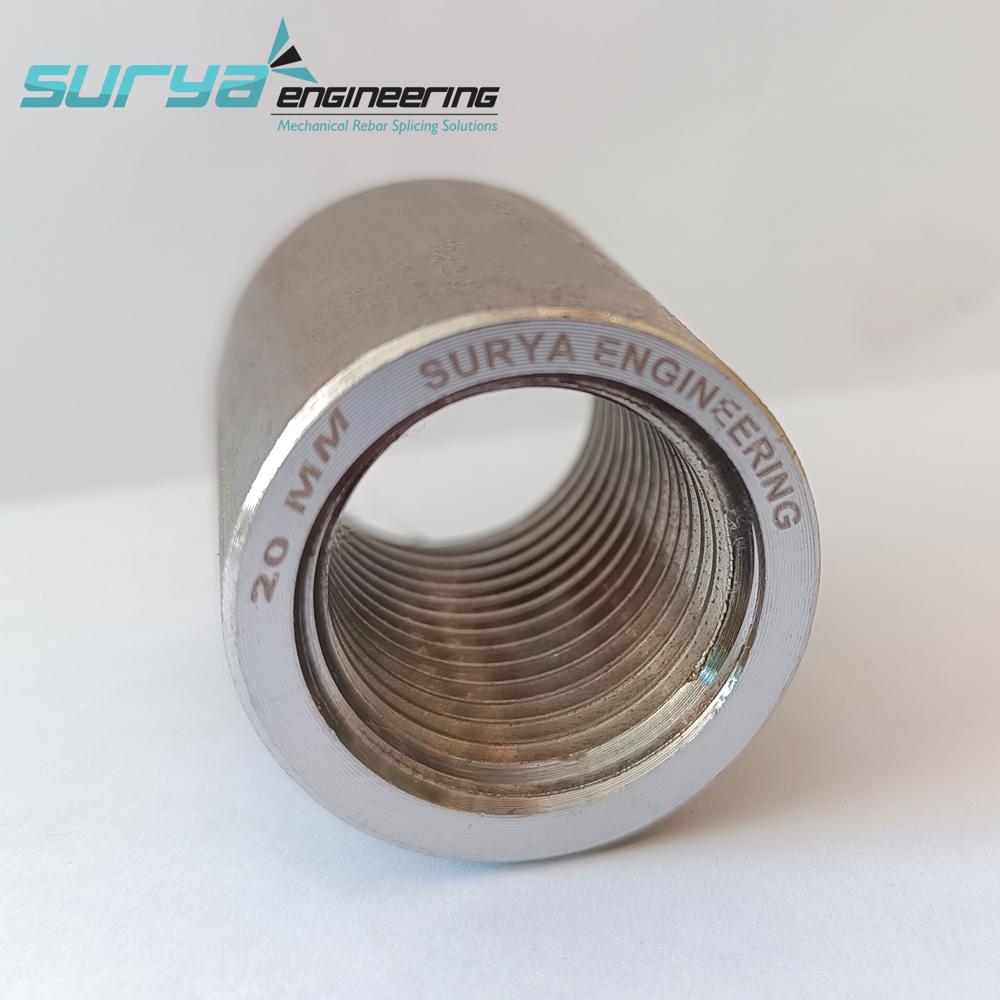
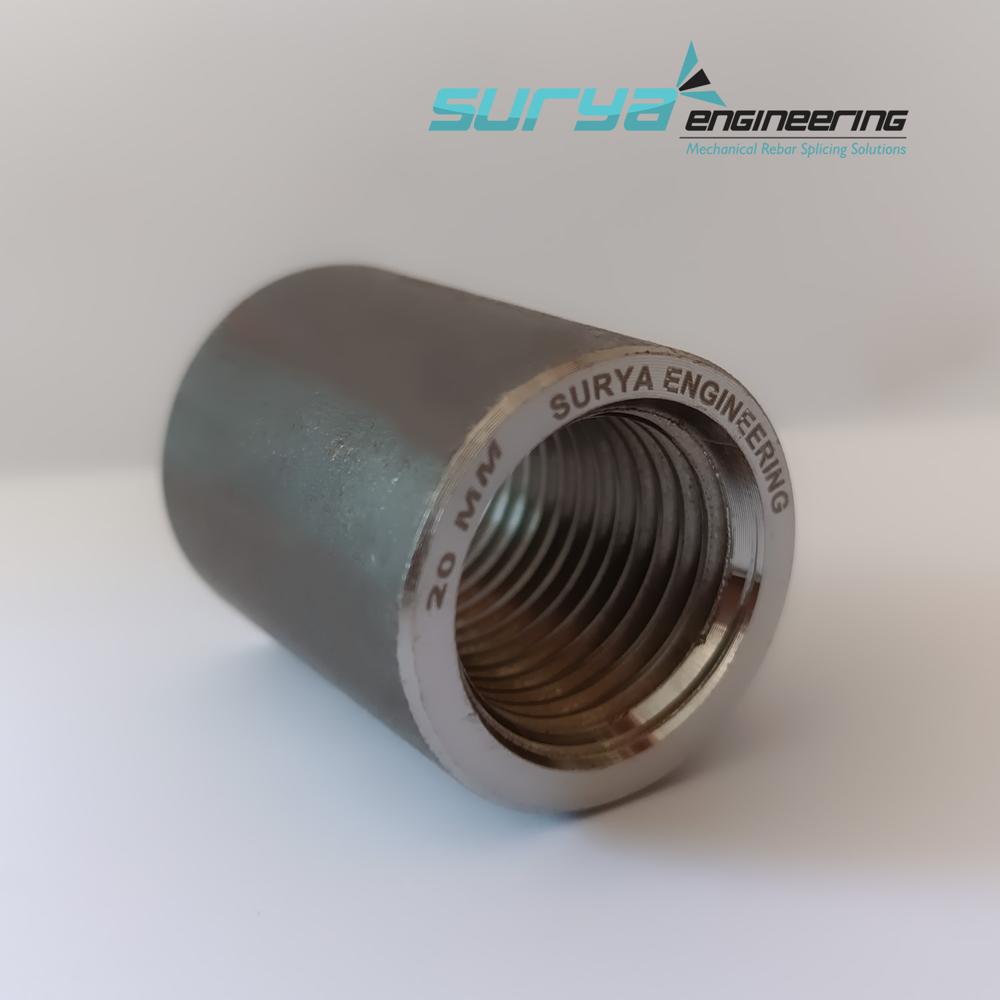
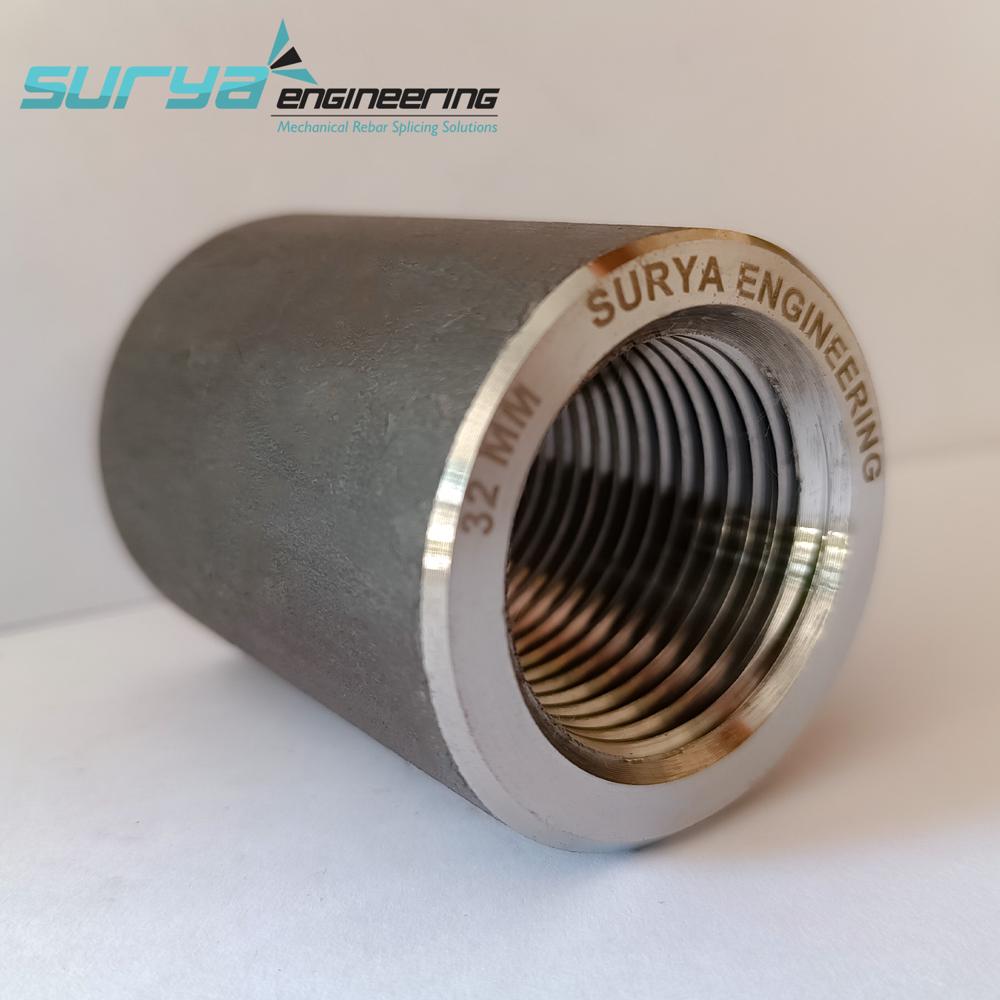
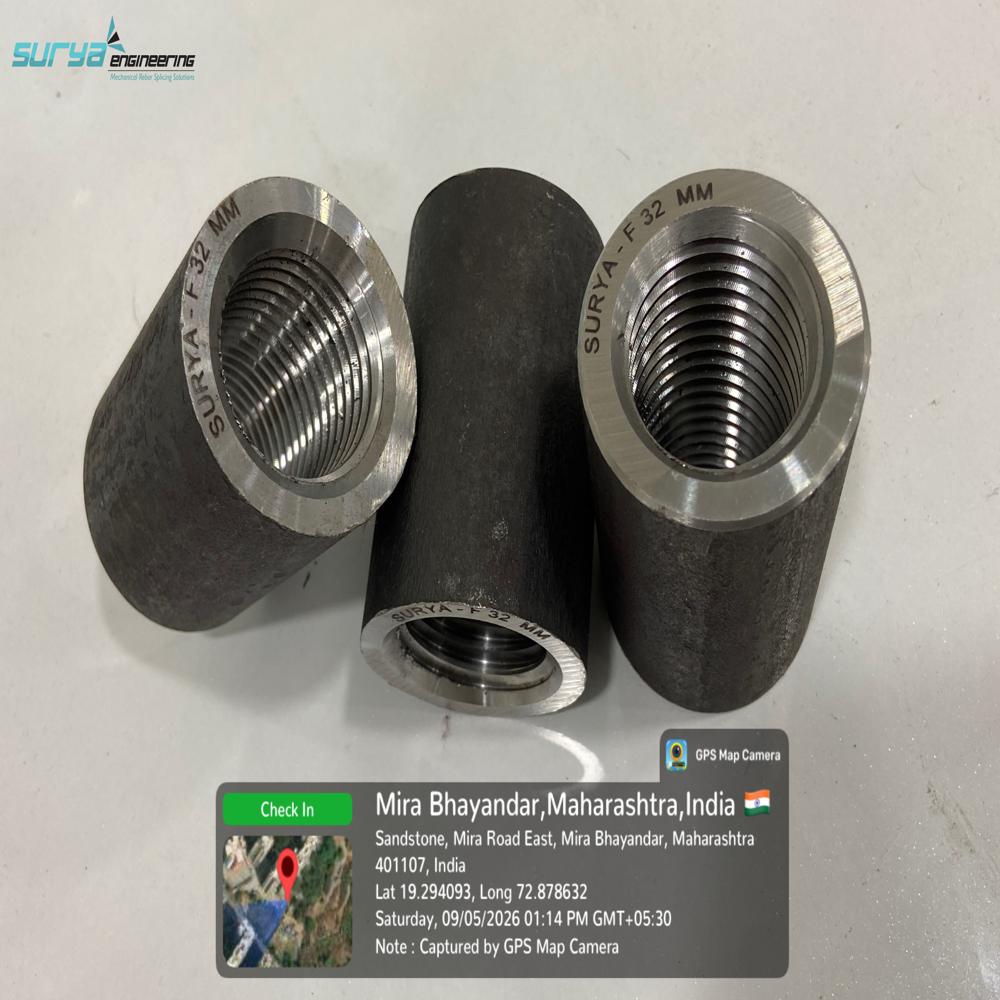
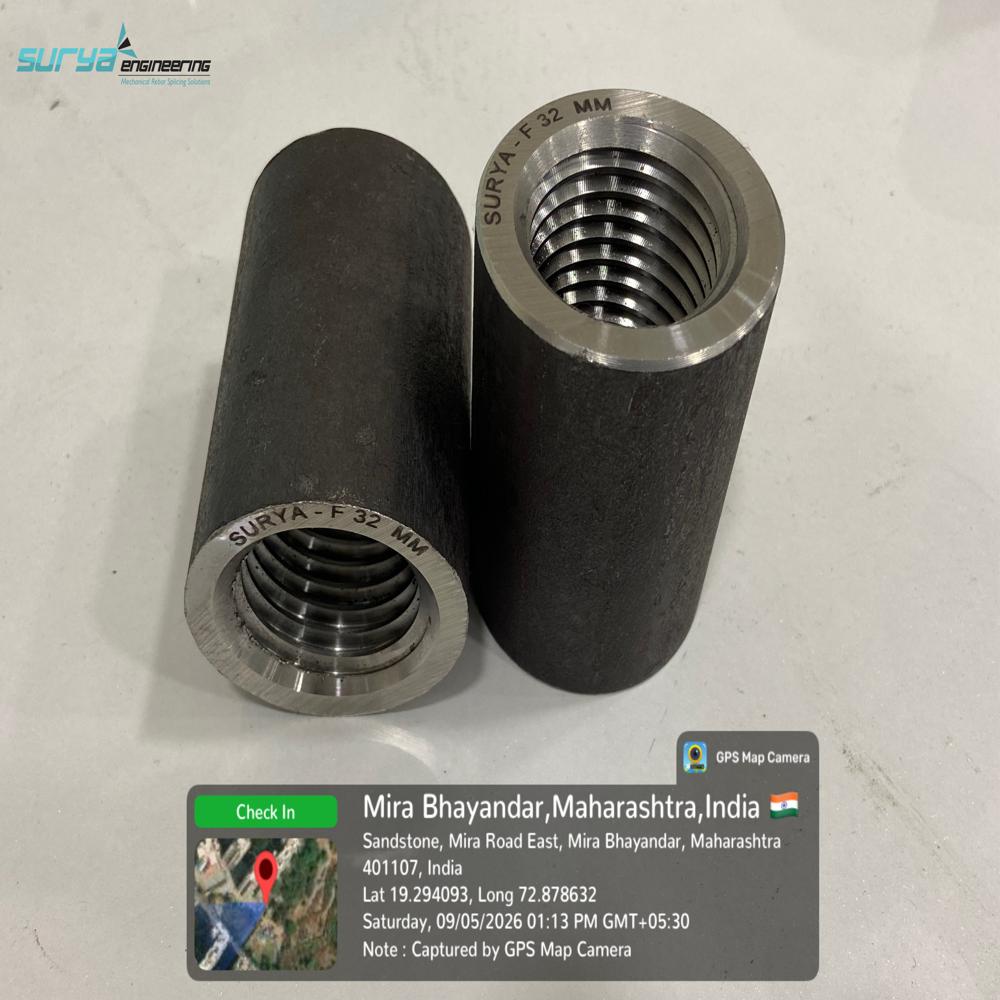

A TMT Rebar Coupler is a threaded mechanical device that connects reinforcement bars in reinforced concrete structures. Instead of overlapping steel bars like traditional lap splicing, the coupler joins two rebars directly through threading or mechanical locking systems.
In simple words, a rebar coupler acts as a connector between two steel bars, helping transfer load effectively from one bar to another while maintaining structural continuity. Because of its strong mechanical bond, it has become a preferred solution in construction projects that demand high strength and efficiency.
TMT rebar couplers are commonly used in structures where reinforcement congestion can become a problem, especially in columns, beams, foundations, and heavily reinforced areas.
The increasing demand for faster, safer, and cost-effective construction has made TMT rebar couplers highly popular. Unlike traditional joining methods, couplers provide a more efficient and reliable reinforcement system.
Here are some major reasons why TMT rebar couplers are used:
For large infrastructure projects such as bridges and metro systems, rebar couplers help improve both productivity and structural reliability.
Different projects require different types of couplers depending on reinforcement conditions and installation requirements. Below are some commonly used TMT rebar couplers in construction:
This is the most commonly used coupler for joining bars of the same diameter when one steel bar can rotate freely during installation.
Commonly used in:
Position couplers are used where neither reinforcement bar can rotate. These are specially designed for difficult construction conditions.
Best suited for:
Reducer couplers are used to join steel bars of different diameters.
Applications include:
These couplers do not require threading and are connected using locking bolts.
Mostly used for:
This type of coupler has one threaded side and one weldable side for steel connections.
Used in:
Choosing the right coupler depends on project requirements, reinforcement design, and site conditions.
Today, TMT rebar couplers are widely used in almost every major construction sector because of their strength and efficiency.
Some major applications include:
As infrastructure development increases in India, the use of rebar couplers is also growing rapidly.
The installation of a TMT rebar coupler is simple, but proper execution is important for achieving maximum strength.
The steel bars are cut properly to ensure accurate alignment.
The bar ends are threaded using a Rebar Thread Rolling Machine to create precise threads.
The coupler is fixed onto one threaded steel bar.
The second bar is inserted into the coupler and tightened securely.
Proper tightening ensures load transfer, and the joint is inspected for quality assurance.
Correct installation helps ensure long-lasting structural performance.
Quality testing plays an important role in ensuring the performance of rebar couplers. In India, TMT Rebar Couplers are tested according to IS 16172:2023, which specifies standards for mechanical splicing systems used in reinforced concrete construction.
Some important tests conducted under this standard include:
This test checks whether the coupler can handle high tensile load without failure.
It measures movement between the reinforcement bar and coupler under stress.
This test checks the couplers durability under repeated loading conditions.
It evaluates the couplers performance under continuous tensile stress.
Ensures proper thread locking and secure connection between rebars.
These tests ensure that couplers meet safety and performance standards required for critical construction projects.
There are several reasons why contractors, engineers, and builders prefer TMT rebar couplers over traditional lap joints.
These benefits make TMT rebar couplers one of the most practical reinforcement joining solutions in modern construction.
At Surya Engineering, we understand the importance of strong and reliable reinforcement systems. That is why we manufacture high-quality TMT Rebar Couplers in India using premium-grade materials and advanced machining technology.
Pan Location IN India
Surya Engineering supplies premium-quality TMT Rebar Couplers across Pan India, including Maharashtra, (Gujarat), Delhi NCR, Karnataka, Tamil Nadu, Telangana, Uttar Pradesh, Rajasthan, Madhya Pradesh, Bihar, West Bengal, Odisha, Punjab, and other major states in India.

Price:
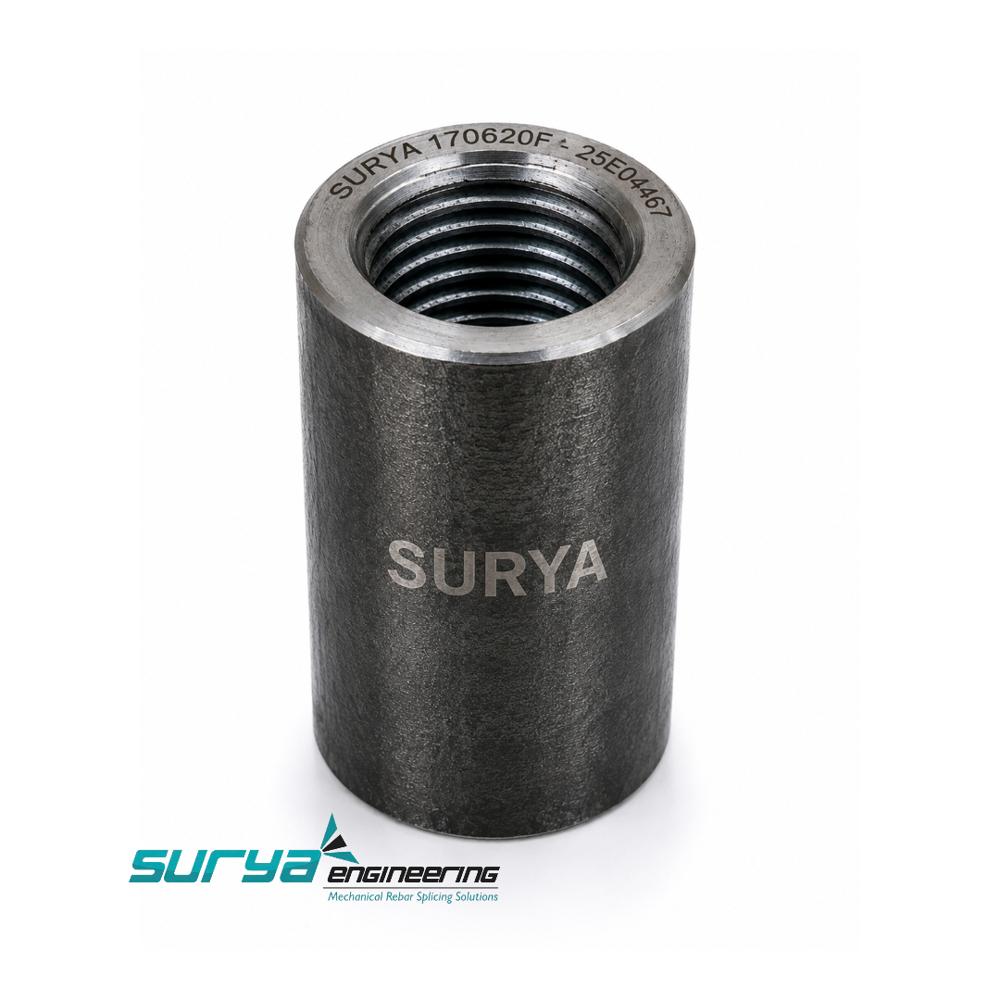
Price 30.00 INR / Piece
Minimum Order Quantity : 99 Pieces
Diameter : 11*5*11 Millimeter (mm)
Color : Black
Material : EN8D
Surface Treatment : heat Threatment

Price 60.0 INR / Piece
Minimum Order Quantity : 12 Pieces
Diameter : 12*6*4 Millimeter (mm)
Color : Black
Material : EN8D
Surface Treatment : heat Treatment
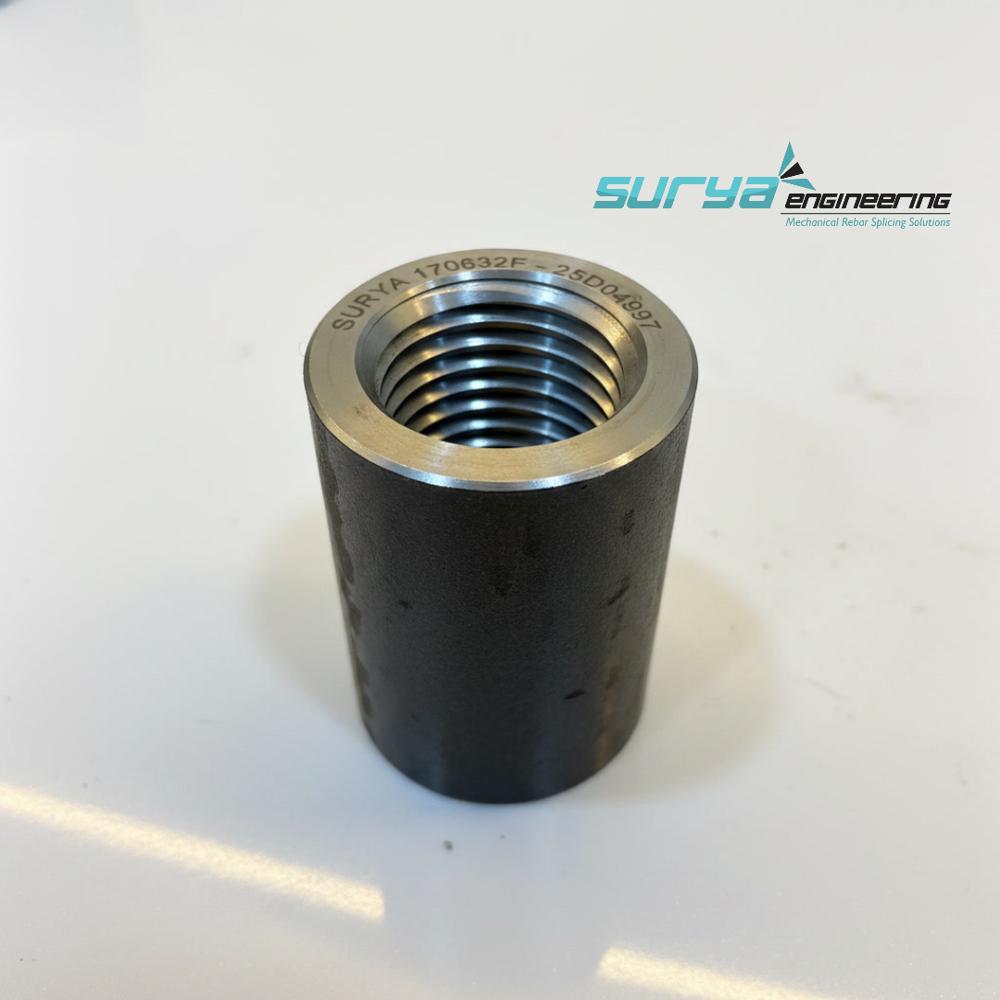
Price 50.0 INR / Piece
Minimum Order Quantity : 10 Pieces
Diameter : 12*112*49 Millimeter (mm)
Color : Black
Material : EN8D
Surface Treatment : head Threatment
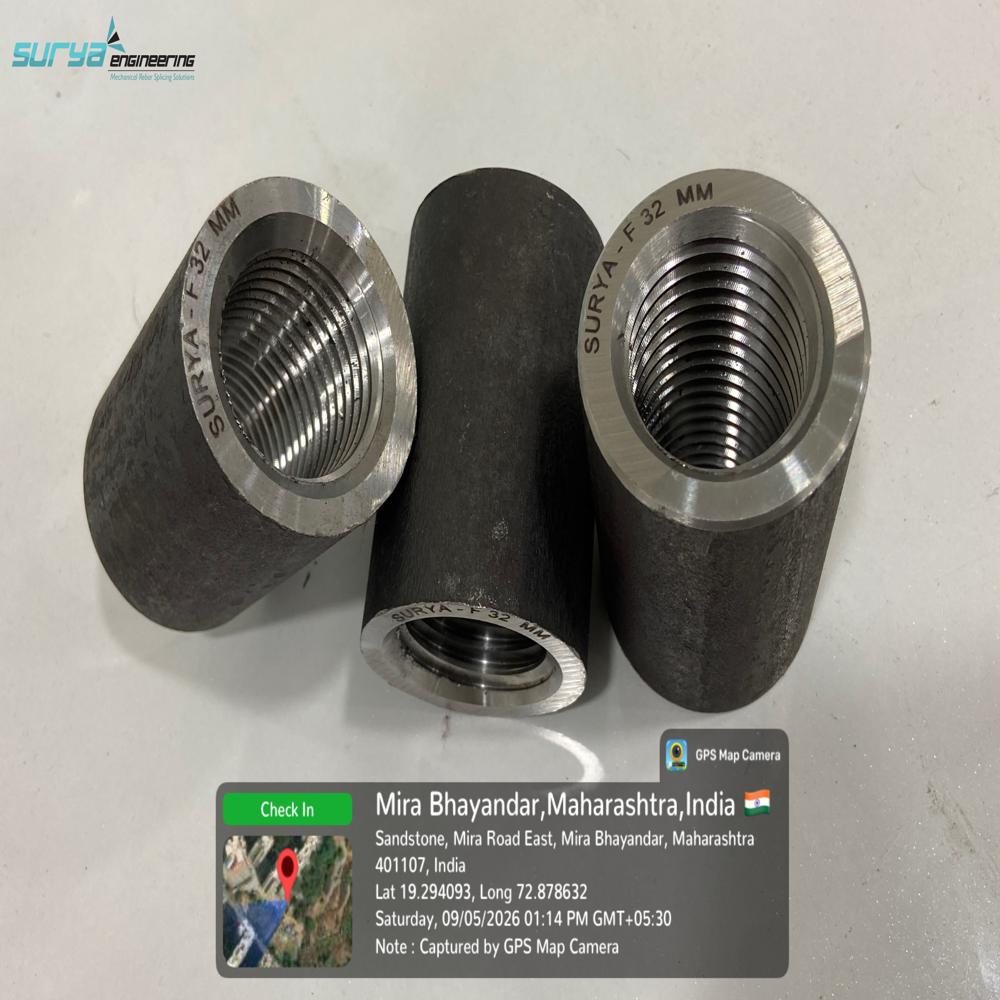
Price 75.0 INR / Set
Minimum Order Quantity : 10 Pieces
Diameter : 12*4*12 Millimeter (mm)
Color : Black
Material : EN8D
Surface Treatment : heat Treatment






 Send Inquiry
 English
 Spanish
 French
 German
 Italian
 Chinese (Simplified)
 Japanese
 Korean
 Arabic
 Portuguese