
Talk to us
08045811615
Talk to us
08045811615
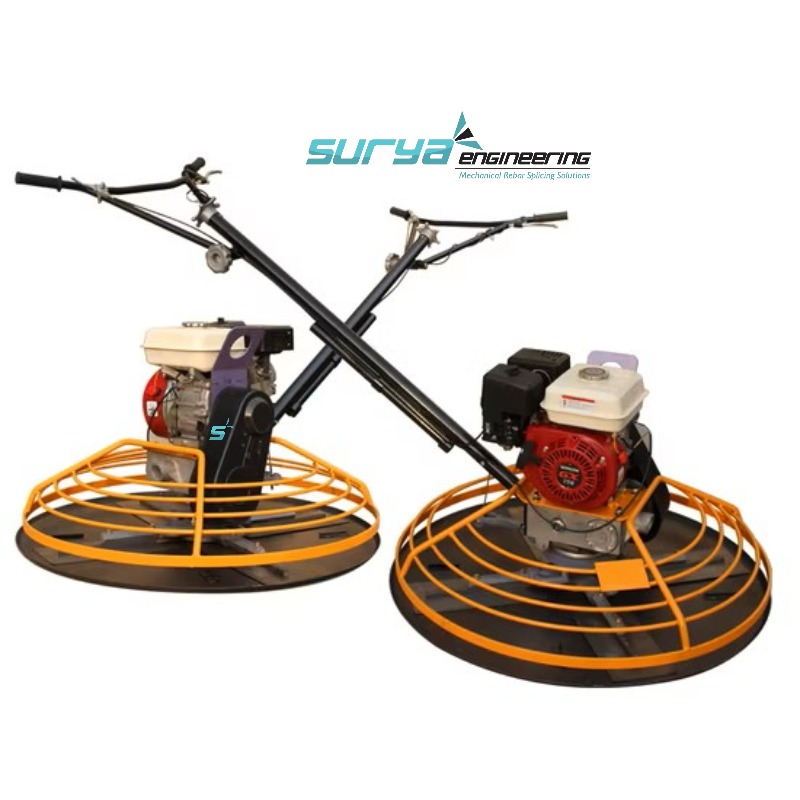
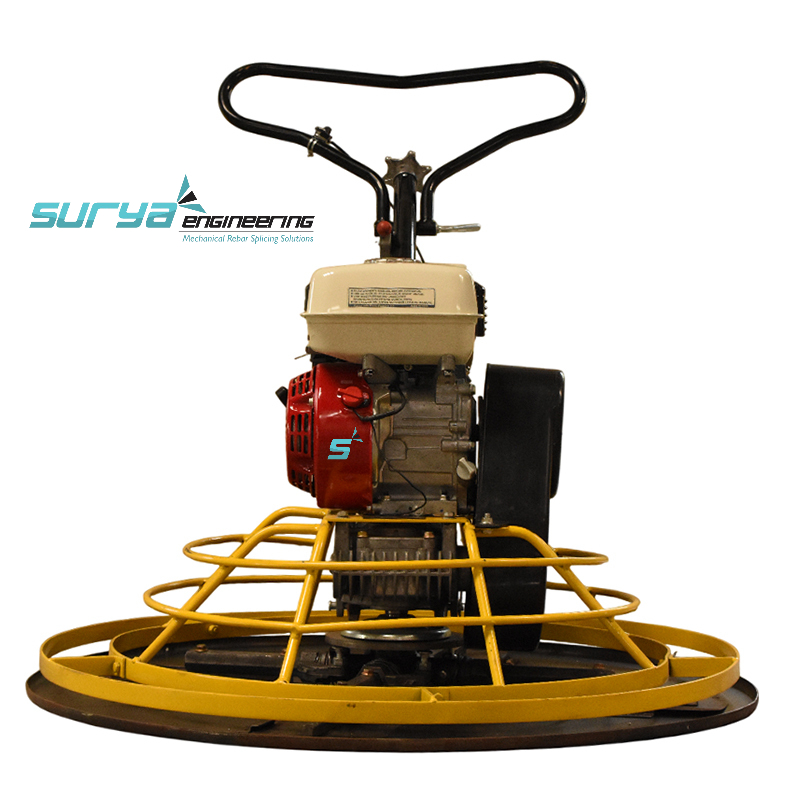
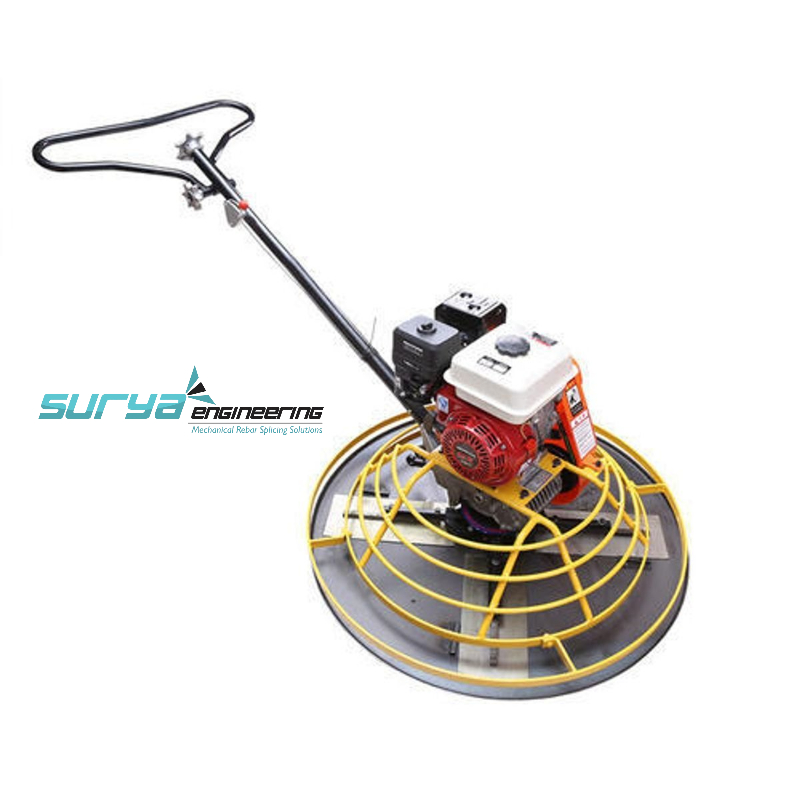
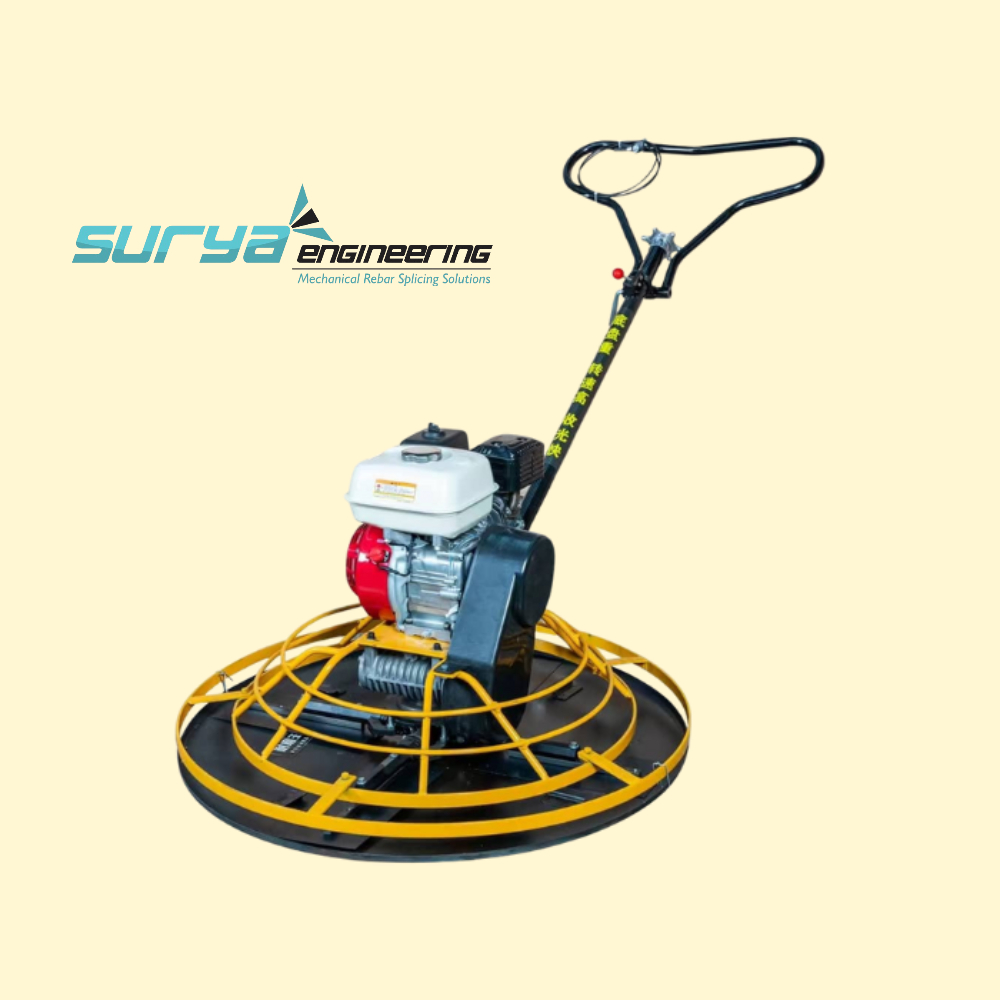
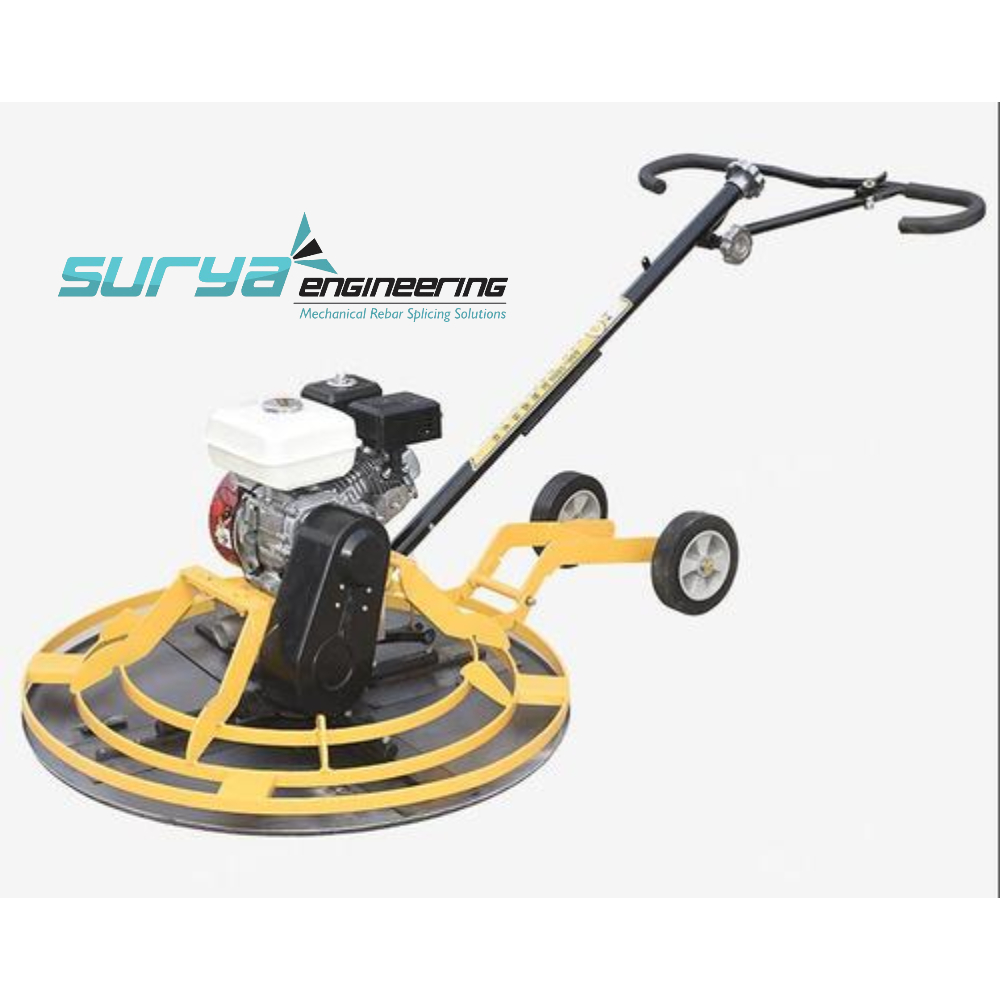

Float Pan / Float Disc: Big round disc that clips under the blades. Used first to float.
Float Blades: Wide, flat blades. For first pass, embedding.
Finish Blades: Narrower, slightly upturned edge. For second and final polishing passes.
Combination Blades: Can do both floating and finishing. Good if you want to save cost.
Rule: Start with float pan at low pitch, finish with finish blades at high pitch.
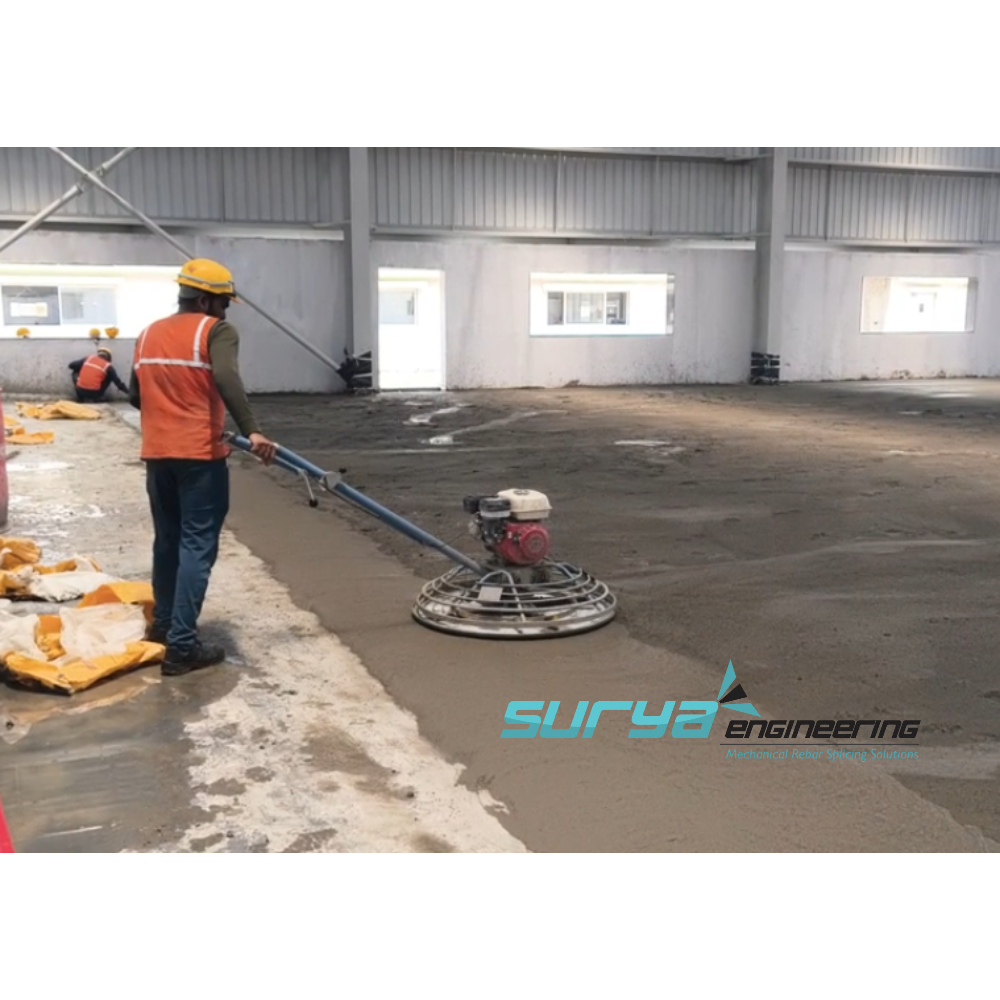
Operating a power trowel requires practice, as the machine can be difficult to control if you are inexperienced. Here are the general steps:
Preparation: Ensure the concrete has stiffened enough to walk on but is still workable. Place the trowel on the concrete and start the engine
Starting and Speed: Slowly increase the engine RPM by pulling the throttle lever towards you.
Steering (Walk-Behind): You steer by tilting the handle. Lifting up slightly on the handle steers the machine to the left, and pushing down steers it to the right.
Blade Pitch: The angle of the blades controls the finish. Start with the blades flat for "floating" (compressing the surface) and gradually increase the pitch for "troweling" (creating a smooth, hard finish)
Perimeter Work: Remember that a power trowel cannot finish flush against forms, get into corners, or finish around drains. These areas must be completed by hand.
| Component | Function / Feature |
| Engine / Motor | Powered by petrol (e.g., Honda GX series, 5.5 HP to 13 HP for walk-behind), diesel, or electric motors. |
| Blade Assembly | Features 4 rotating arms mounted with combination, float, or finish blades. |
| Pitch Control | Manual knob or hydraulic lever adjusting blade angle from flat (0 for floating) to angled (up to 1530 for burnishing/finishing). |
| Safety System | Dead-man switch (centrifugal kill switch) on the handle that automatically stops rotation if the operator loses control. |
| Safety Cage | Heavy-duty steel ring surrounding the spinning blades to prevent site hazards and wall damage. |
For your business / rental:
Floating Pass (Pan / Flat Blades): Conducted when the concrete is firm enough to support an operator's footprint (leaving 35 mm depth). Attach a float pan or keep blades flat to bring fine aggregate to the surface and level high spots.
Finishing Pass (Finish Blades): Performed as the concrete hardens. Pitch the blades at an angle to consolidate the surface, produce a dense wear layer, and increase abrasion resistance.
Burnishing (Optional): High-speed pass with steeply pitched steel blades to produce a glossy, ultra-smooth hard-troweled finish.
Clean After Use: Wash the trowel with water immediately after use so concrete does not dry on the machine. Take care not to get the engine or electrical controls wet.
Inspect Regularly: Test all safety switches before every use and ensure all guards and safety devices are attached and in place.
Follow the Manual: Always refer to the manufacturer's operation and maintenance manual for specific schedules and procedures.
Surya Engineering provides construction equipment designed for practical site requirements, reliable operation, and efficient concrete finishing. Our Power Trowel range is suitable for contractors, builders, infrastructure companies, and construction professionals looking for efficient concrete surface-finishing equipment.
1. What is a Power Trowel used for?
A Power Trowel is used for floating, smoothing, leveling, and finishing freshly laid concrete surfaces.
2. Where is a Power Trowel commonly used?
It is commonly used on industrial floors, warehouses, factories, parking areas, commercial buildings, and large concrete slabs.
3. Can a Power Trowel be used for large floor areas?
Yes. It is particularly useful for finishing large concrete surfaces more efficiently than manual methods.
4. Does a Power Trowel reduce manual labor?
Yes. It mechanizes the concrete finishing process and can significantly reduce manual finishing work.
5. Is the Power Trowel suitable for RCC floors?
Yes, provided the concrete has reached the appropriate stage for trowel finishing.

Price:
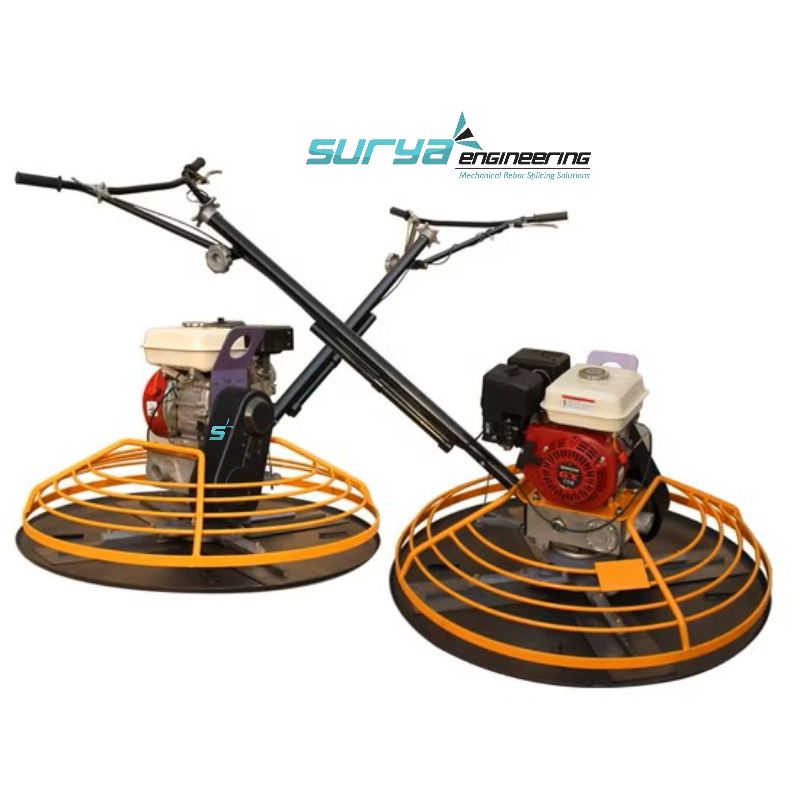
Price 35000.0 INR / Piece
Minimum Order Quantity : 10 Pieces
Control System : Manual
Feature : Adjustable Blade Pitch, Foldable Handle, Safety Guard Ring, DeadMan Switch, Powder Coated
Material : Steel
Color : Orange





 Send Inquiry