
Talk to us
08045811615
Talk to us
08045811615
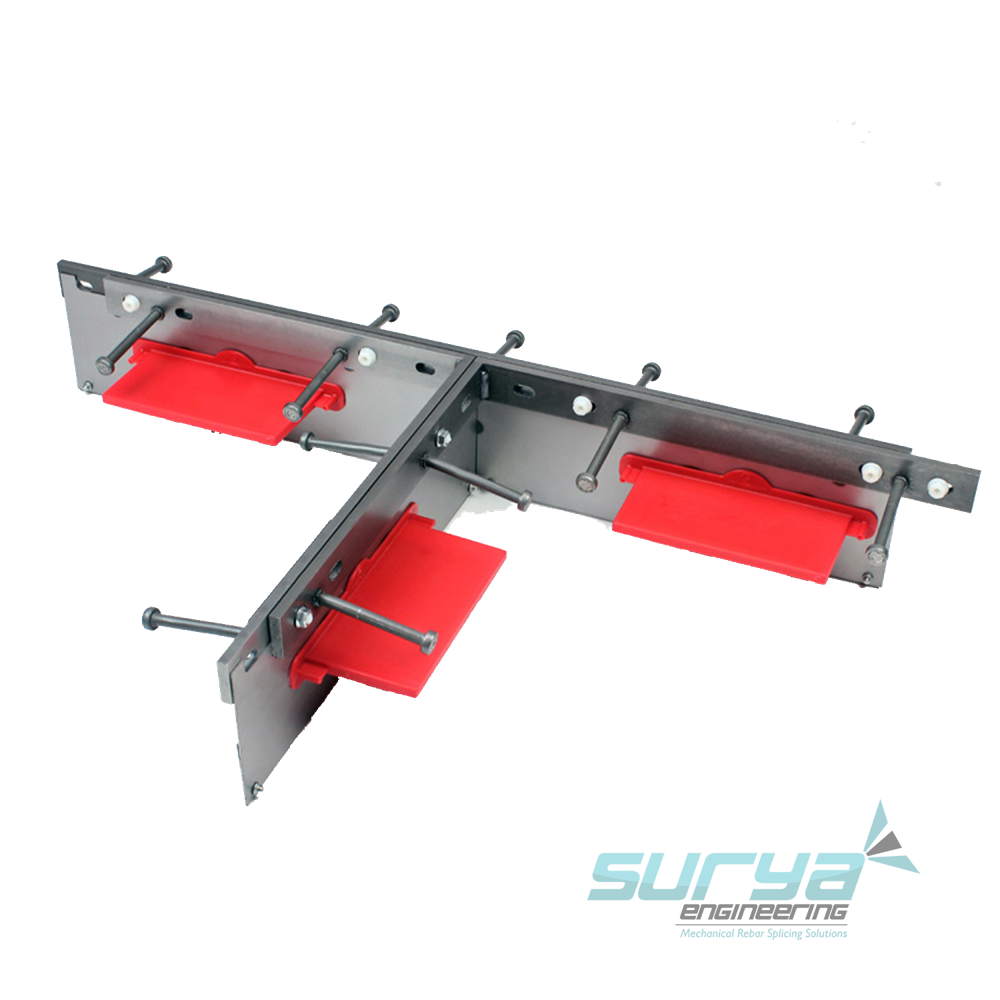
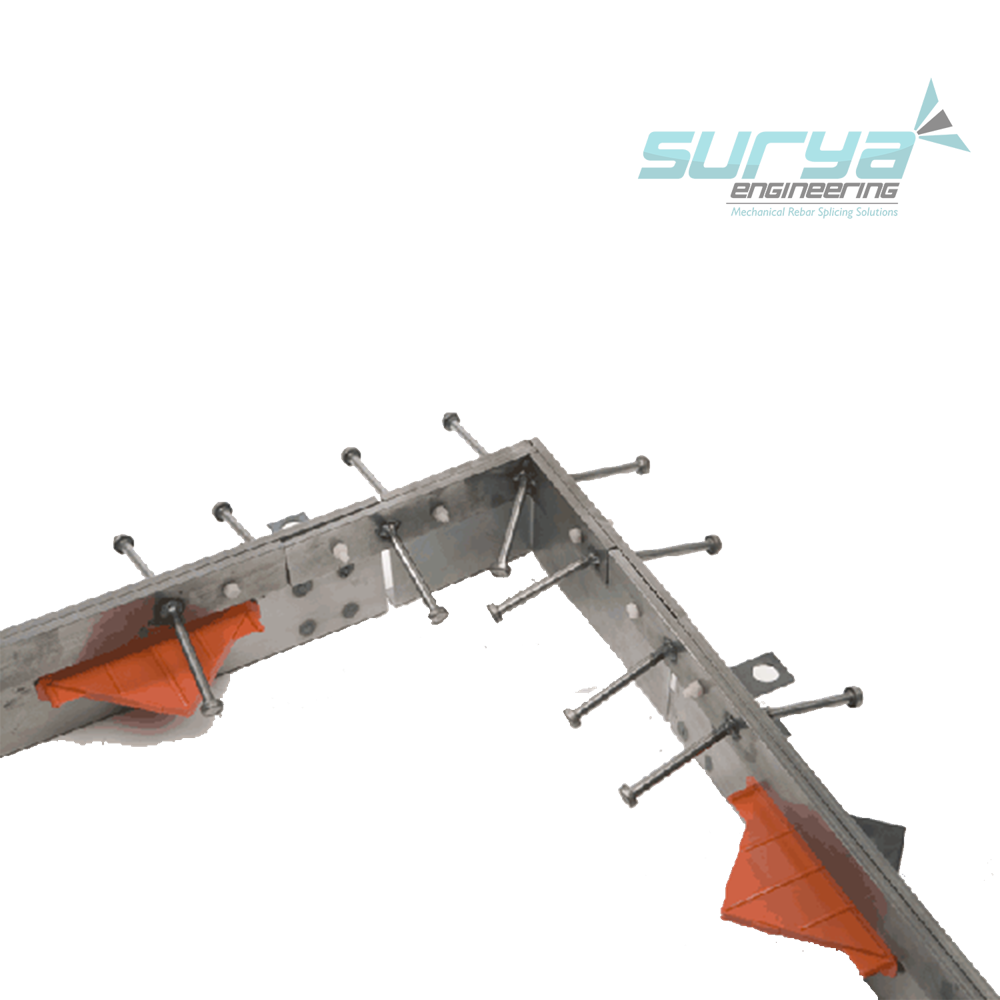
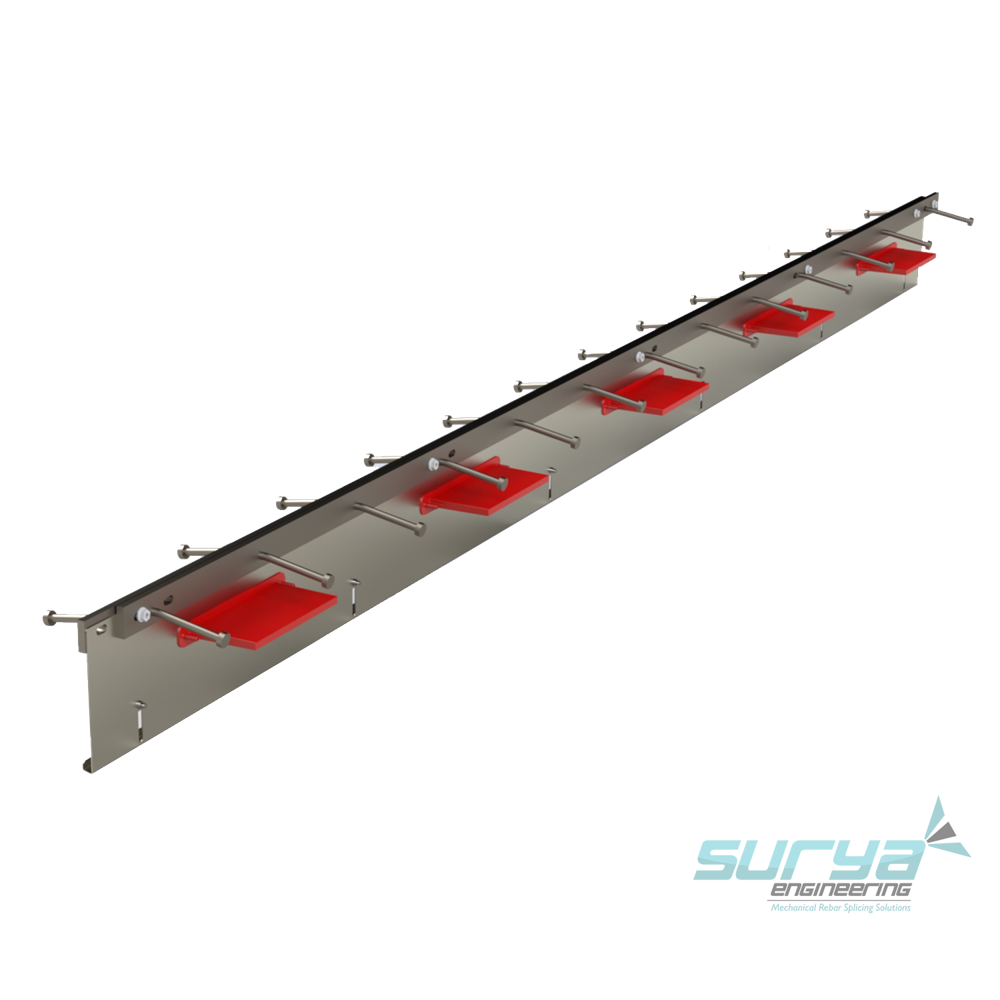
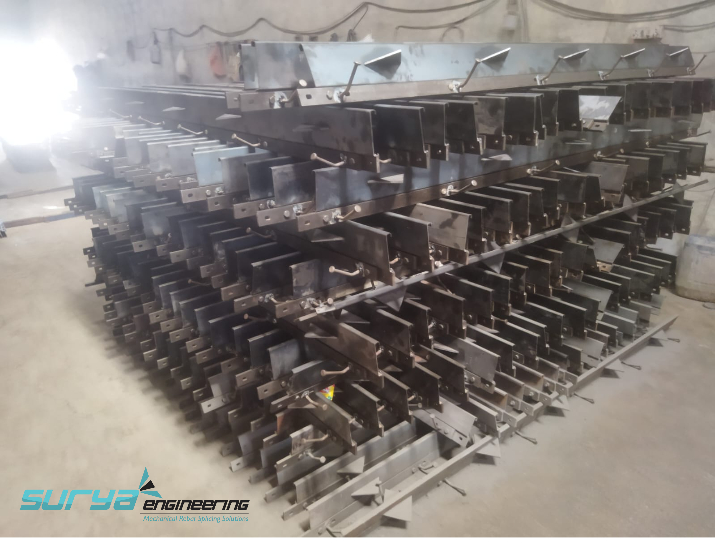
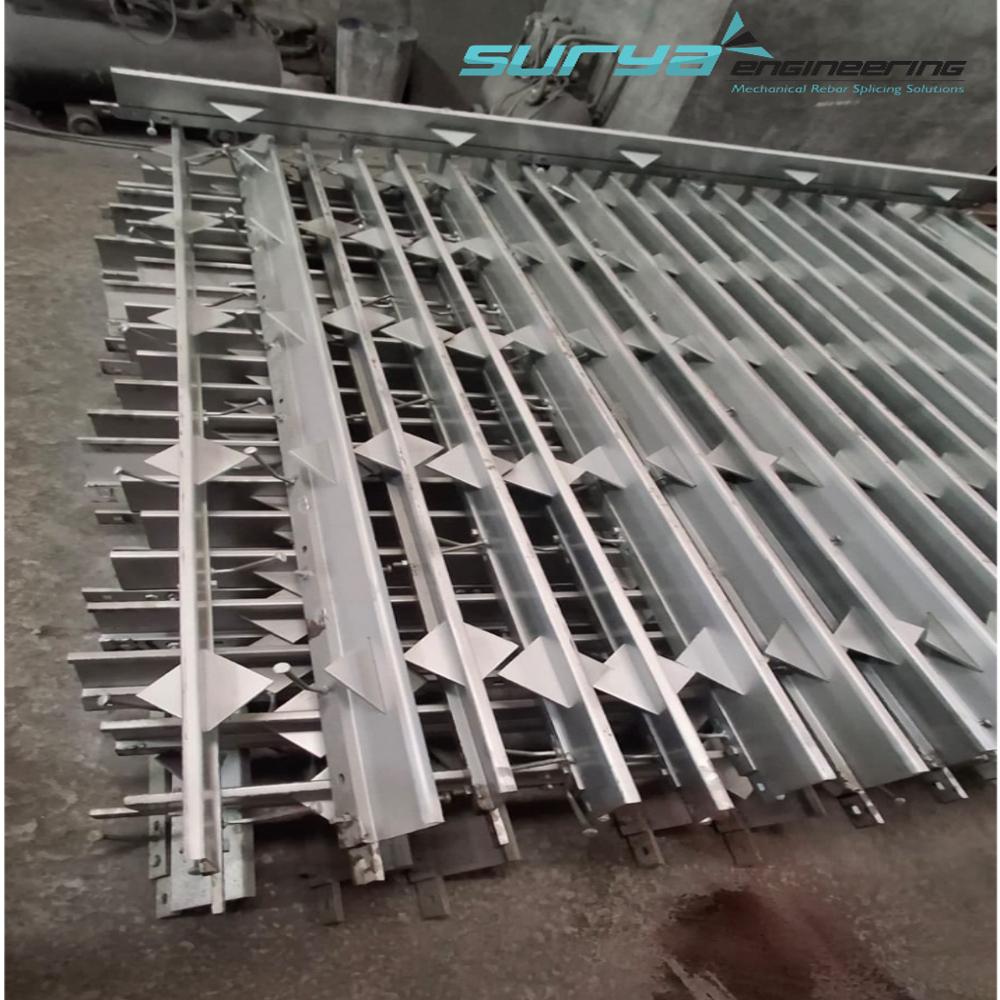
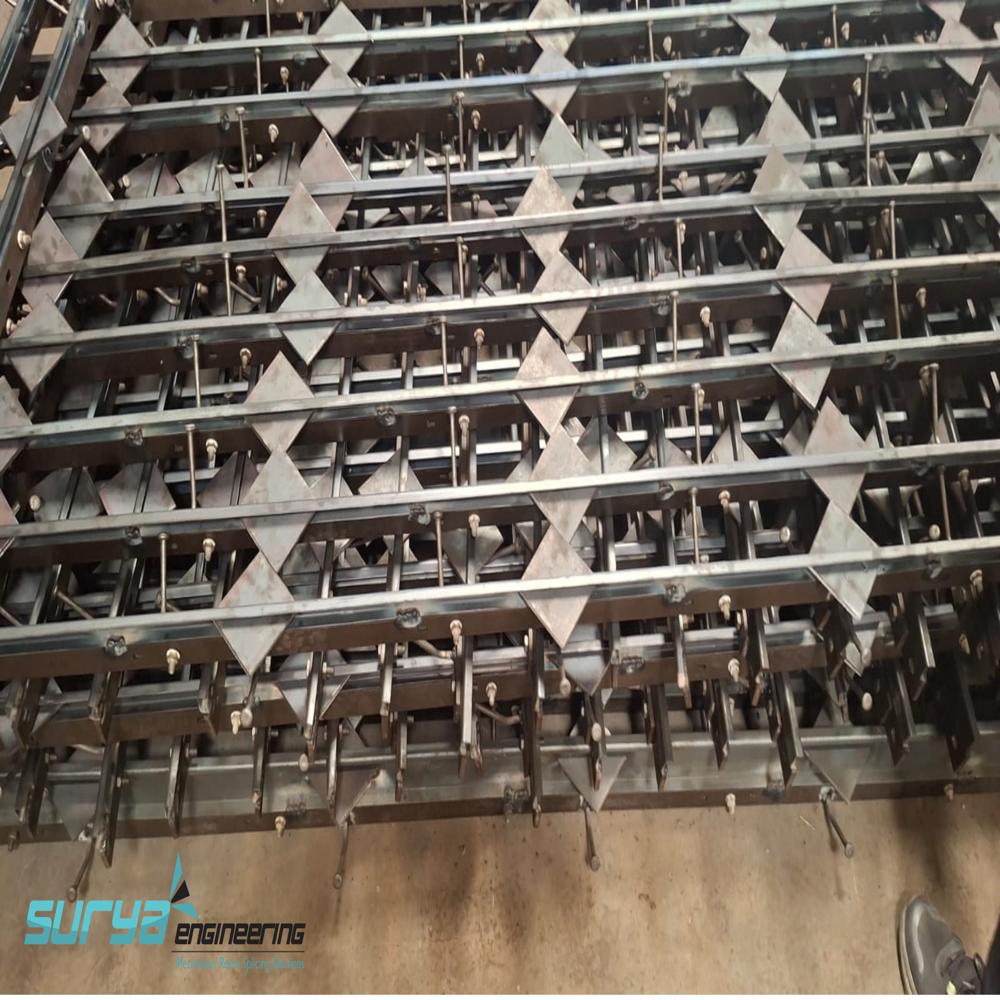
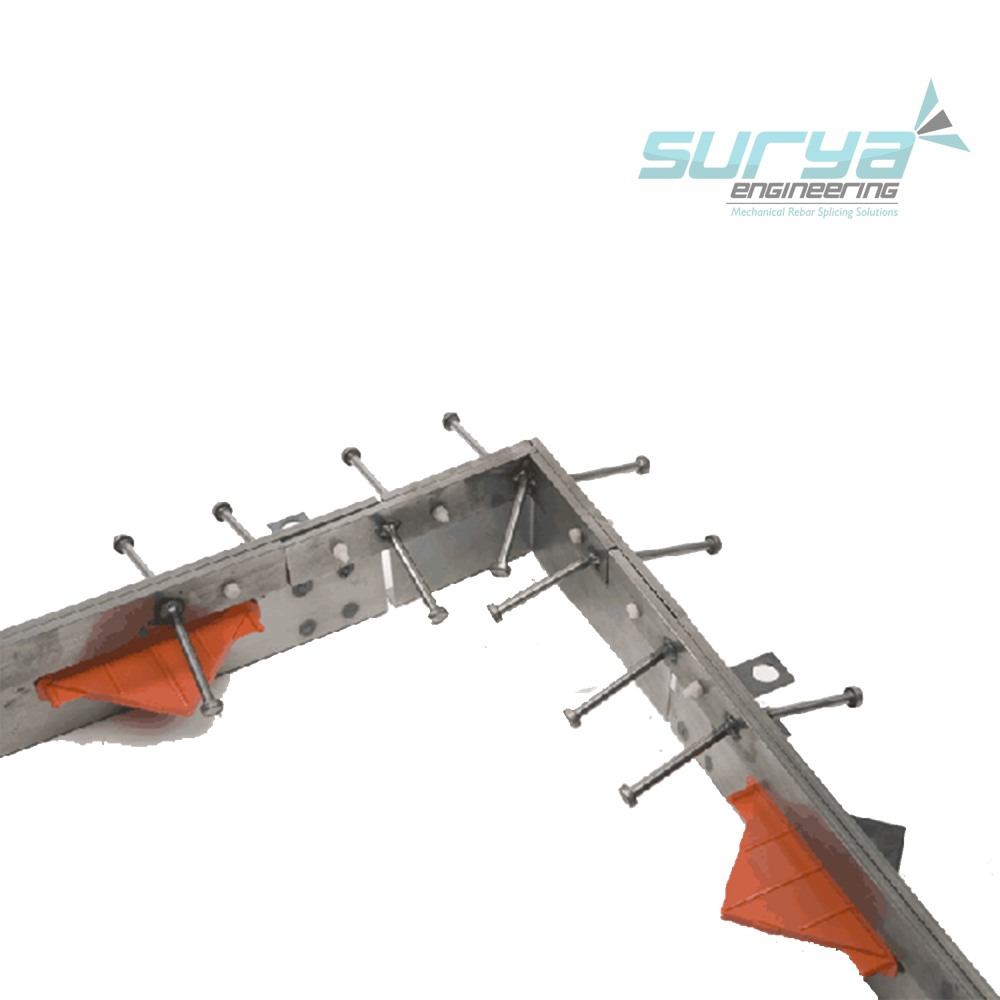
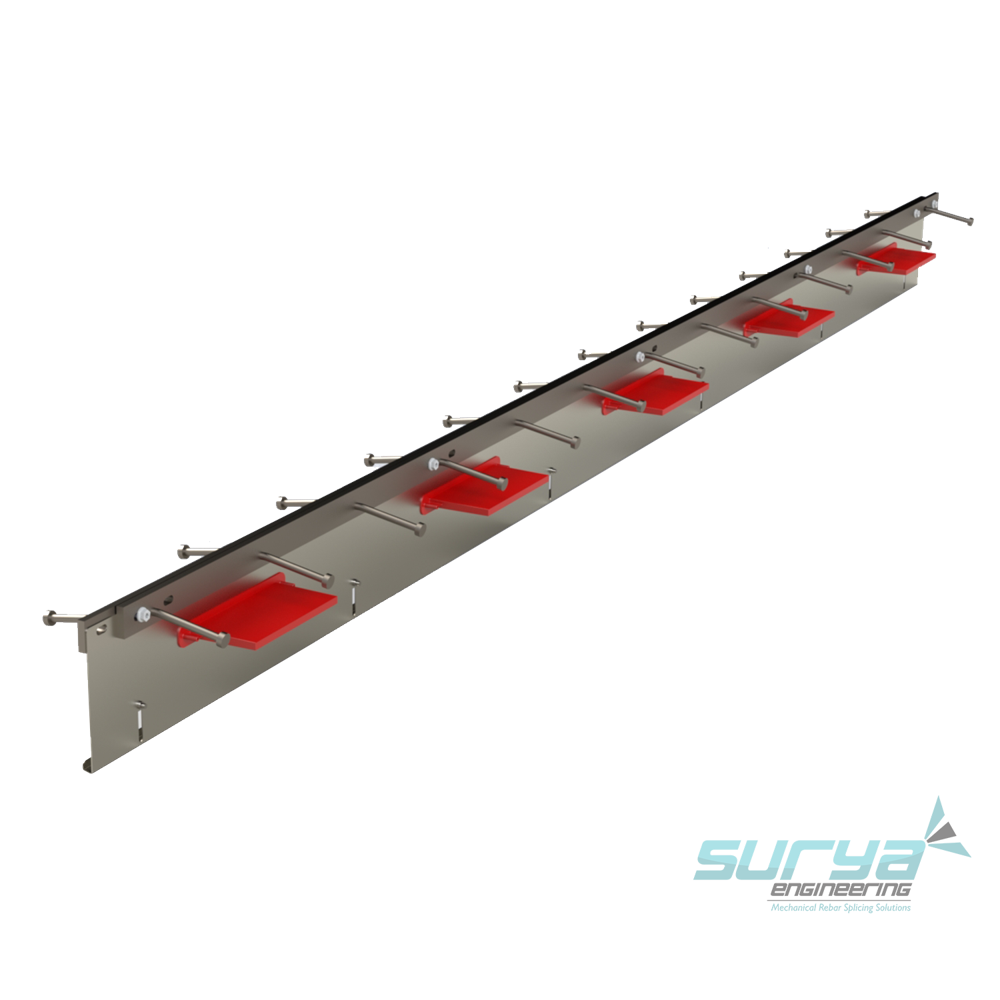
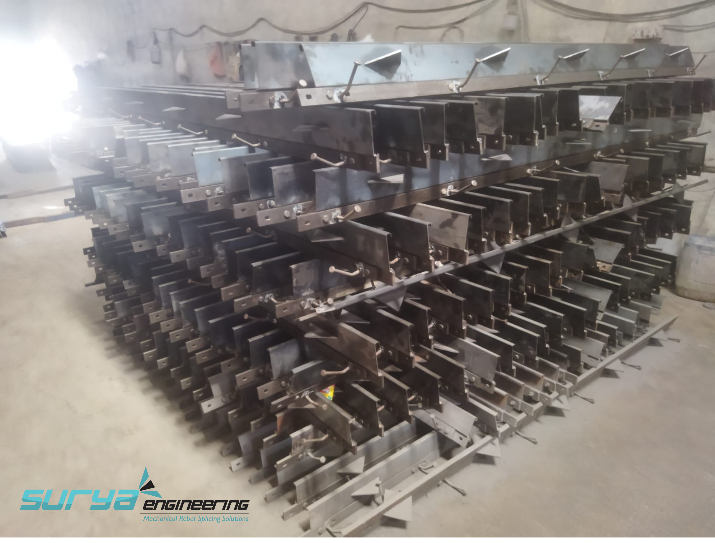
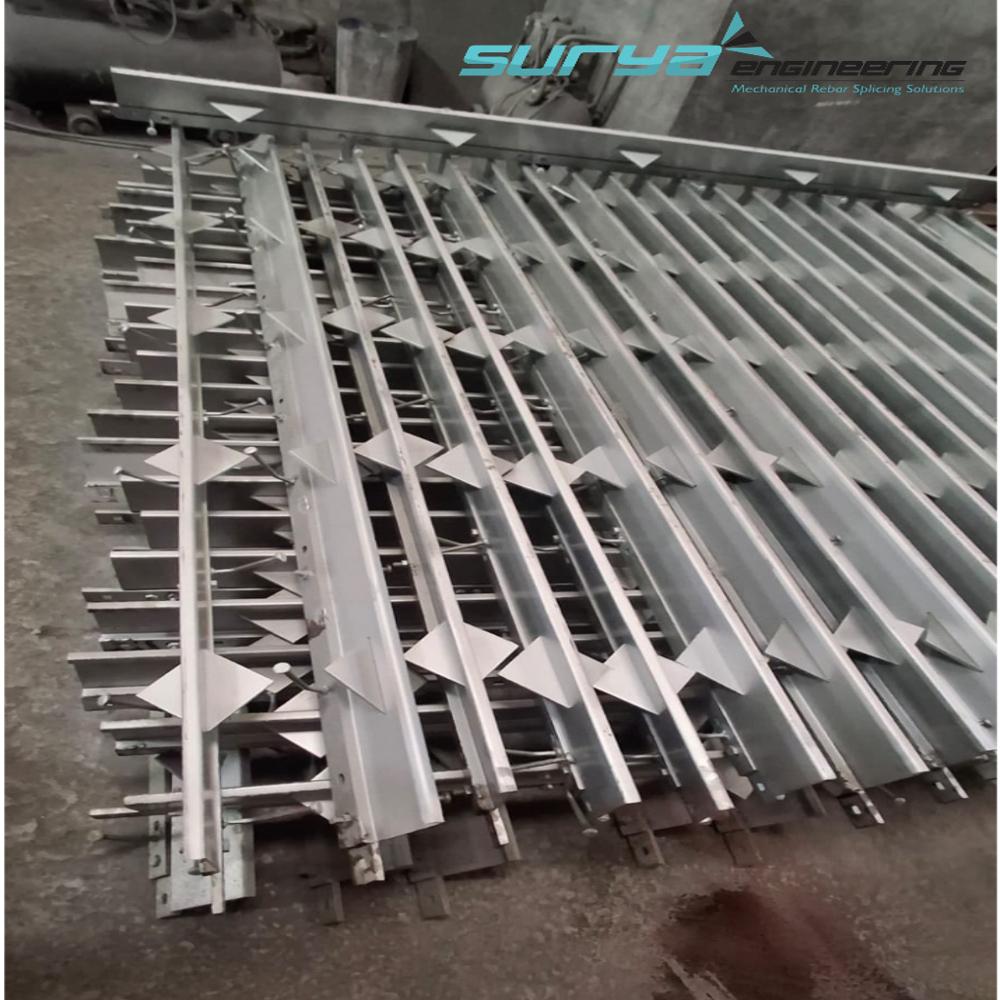
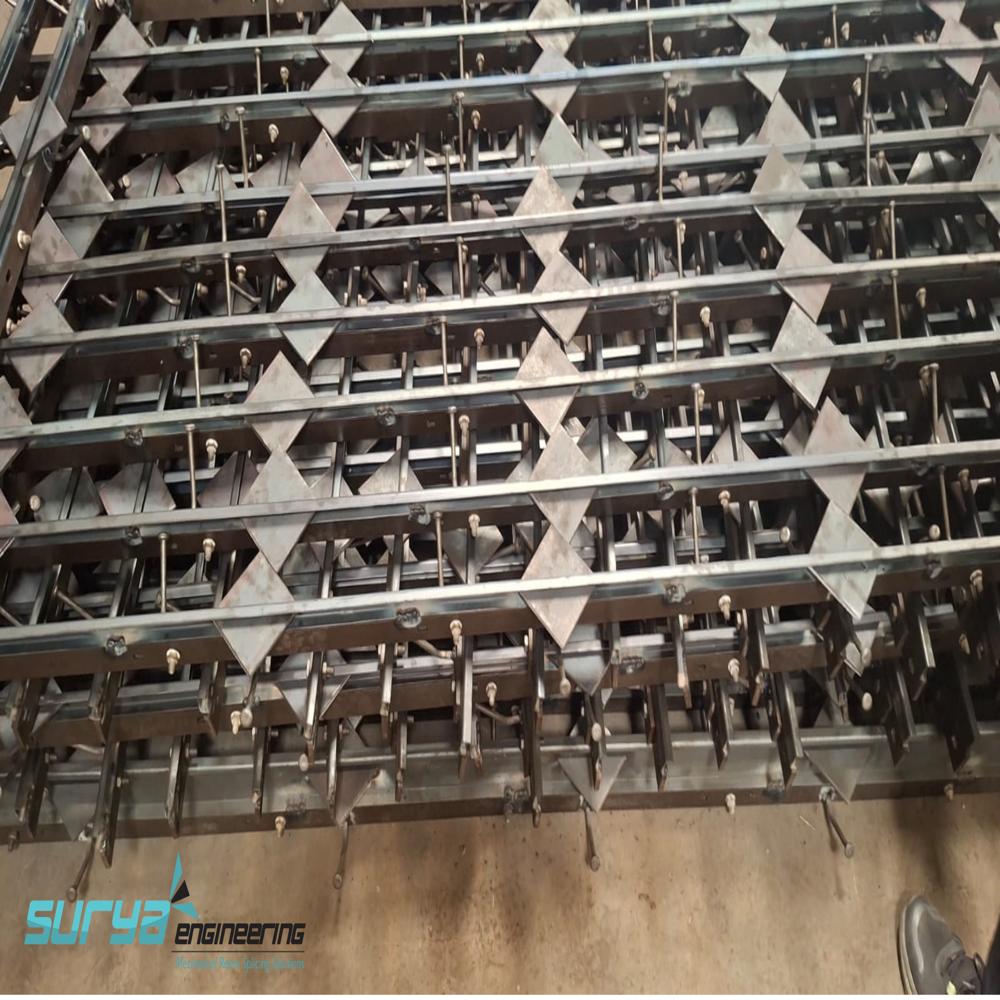

An Armour Joint Coupler is a mechanical device used to join two reinforcing steel bars (rebars) end-to-end, creating a continuous, full-strength reinforcement length within concrete structures. Unlike conventional lap splicing, which relies on overlapping bars tied with wire, the Armour Joint Coupler forms a direct mechanical connection through threaded engagement or bolted mechanisms.
Traditional lap splicing has been the conventional method for joining rebars for decades. However, this approach comes with several inherent limitations that Armour Joint Couplers effectively overcome
Armour Joint Couplers are classified based on their thread design and manufacturing method. Understanding these classifications helps engineers select the right coupler for specific project requirements.
Based on Thread Design:
|
Type |
Description |
Key Characteristics |
|
Parallel Thread Couplers |
Utilise a parallel-thread system for precise engagement |
Requires prior preparation of rebar ends; provides superior strength; ideal for high-tensile applications |
|
Taper Thread Couplers |
Employ a tapered thread profile for self-alignment |
Does not require prior preparation of rebar ends; offers fast installation; excellent gripping strength |
Based on Manufacturing Method:
|
Type |
Description |
|
Cold Forged Couplers |
Rebar ends are expanded using cold forging and then threaded with high accuracy; best suited for compression, tension, cyclic, and fatigue loads |
|
Roll Thread Couplers |
Threads are rolled onto the rebar without removing material; maintains the original cross-sectional area of the bar |
Based on Functional Design:
|
Type |
Description |
|
Standard Couplers |
Basic design for joining two bars in straight alignment |
|
Position Couplers (Left-Right Thread) |
Allows splicing of bars that cannot be rotated; turning the coupler draws both bars inward |
|
Reducer Couplers |
Joins bars of different diameters (e.g., 20mm to 25mm) while maintaining full strength |
|
Weldable Couplers |
Used to connect reinforcing bars to structural steel sections or plates |
|
Cramping Couplers |
Suitable for repair or reform projects; works with any rebar ends that are cold cut; no reduction in cross-sectional area of rebar |
Surya Engineering manufactures a comprehensive range of these coupler types, ensuring that every construction requirementwhether for new builds, repairs, or specialised applicationsis met with precision-engineered solutions.
Armour Joint Couplers are deployed across a wide spectrum of infrastructure and building projects throughout India. Their versatility and reliability make them indispensable in critical construction scenarios.
|
Application Area |
Specific Uses |
|
High-Rise Buildings |
Vertical column splices and floor slabs; allows continuous reinforcement through multiple floors without protruding bars |
|
Bridges & Flyovers |
Piers, abutments, and precast segments; handles heavy load transfer and dynamic forces |
|
Metro Rail Systems |
Viaducts, station boxes, and underground tunnels; ensures structural continuity in confined spaces |
|
Dams & Hydroelectric Projects |
Heavy foundations and spillway structures; withstands extreme hydraulic pressures |
|
Nuclear & Thermal Power Plants |
Critical safety-related structures where absolute reliability is mandatory |
|
Industrial Foundations |
Heavy machinery bases and crane runways; handles vibration and cyclic loading |
|
Seismic Zones |
Earthquake-resistant structures requiring ductile, fatigue-resistant joints |
|
Precast Concrete Construction |
Connecting reinforcement bars between precast concrete elements in modular construction |
|
Repair & Retrofit Projects |
Cramping couplers for rehabilitating existing structures without reducing bar cross-section |
Proper installation is essential to achieve 100% splice efficiency. Follow this step-by-step guide for installing Armour Joint Couplers on your construction site.
Required Tools and Materials:
Armour Joint Couplers of the correct diameter and type
Rebar threading machine with appropriate dies
Calibrated torque wrench
Rebar cutter (abrasive saw or shear cutter)
Wire brush for cleaning
Thread ring gauge (go/no-go gauge)
Cutting oil
Safety gloves and glasses
Step-by-Step Installation Process:
Step 1: Bar Preparation
Step 2: Threading the Rebar End
Step 3: Thread Inspection
Step 4: Coupler Placement
Step 5: Aligning the Second Bar
Step 6: Tightening the Coupler
Step 7: Final Verification
Step 8: Concrete Placement
TR34 standard is widely used in India, especially in industrial flooring, warehouses, logistics parks, factories, airports, and large commercial projects where Armour Joints are installed.
Although TR34 is a UK standard/guideline, many Indian EPC contractors, flooring consultants, and MNC projects adopt it because India does not have a dedicated Indian Standard specifically for industrial floor armour joints.
TR34-based armour joint specifications are commonly used in:
Related Testing Standards you can find out more on Surya Engineering
website:- suryaengineering net
Armour Joint Couplers offer a comprehensive range of benefits that make them the preferred choice over traditional lap splicing.
1. Structural Superiority
100% Bar-Break Strength: The coupler is stronger than the rebar itselfthe bar will fail before the coupler does
Consistent Performance: Eliminates the variability associated with manual lap splicing
Superior Load Transfer: Direct mechanical connection transfers forces efficiently
2. Seismic Resistance
Excellent ductility and fatigue resistance under cyclic loading
Tested under reverse cyclic conditions to withstand dynamic forces
Suitable for seismic zones (Zones IV and V) where lap splices are restricted
Properly designed couplers undergo plastic deformation similar to the rebar, preventing brittle failure
3. Economic Benefits
Steel Savings: Reduces steel consumption by 20-30% by eliminating overlapping requirements
Labour Reduction: Faster installation reduces on-site labour costs
Lower Overall Project Cost: Despite the unit cost of couplers, total project costs decrease significantly
Facilitates "Greener" Structures: Reduced steel consumption means lower carbon footprint
4. Construction Efficiency
Rapid Installation: Threading and tightening takes only seconds per joint
No Curing Time: Joint is ready for concrete placement immediately
Reduced Formwork Requirements: No protruding bars simplifies formwork
Eliminates Concrete Congestion: Compact joints allow proper concrete flow and compaction
5. Technical Advantages
Available for rebar diameters ranging from 16mm to 40mm
Material strength: EN8D carbon steel with tensile strength of 650-750 MPa
Corrosion-resistant options (hot-dipped galvanised available)
Suitable for all rebar grades (Fe415, Fe500, Fe550D)
6. Quality Assurance
Manufactured to IS 16172 standards
Tested for tensile strength, slip resistance, and high/low cycle fatigue performance
Eliminates risks associated with traditional lap splicing, such as steel congestion and inconsistent strength
Surya Engineering is a trusted engineering solutions provider specializing in industrial machinery, construction equipment, dust control systems, and fabrication machinery. The company focuses on delivering high-performance and durable industrial equipment designed for modern construction and manufacturing industries.
Maharashtra: Mumbai (HQ), Pune, Nagpur, Nashik, Aurangabad, Thane.
Gujarat
Goa
Delhi NCR
Haryana.
Punjab
Rajasthan
Uttar Pradesh
South India
Karnataka
Tamil Nadu
Telangana
Andhra Pradesh
East India
West Bengal
Bihar
Jharkhand
Odisha
Chhattisgarh
Central India
Madhya Pradesh:

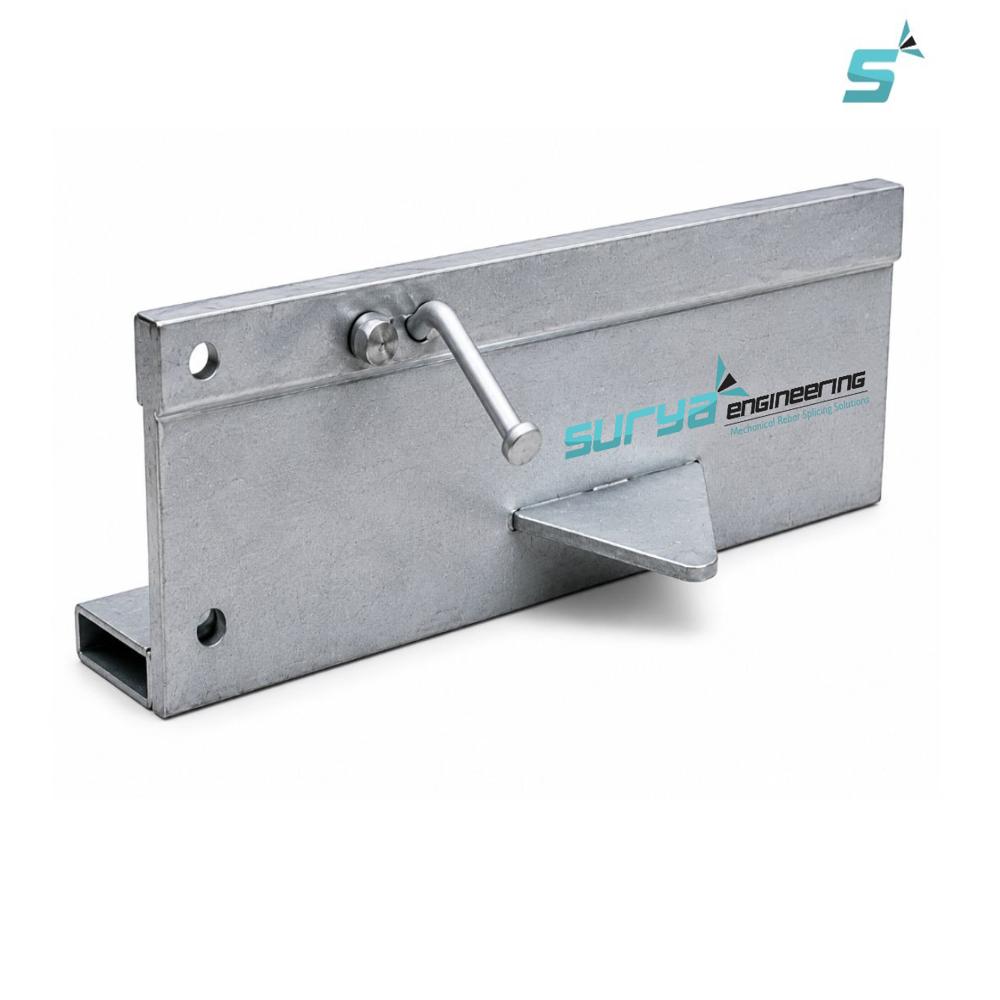
Price:
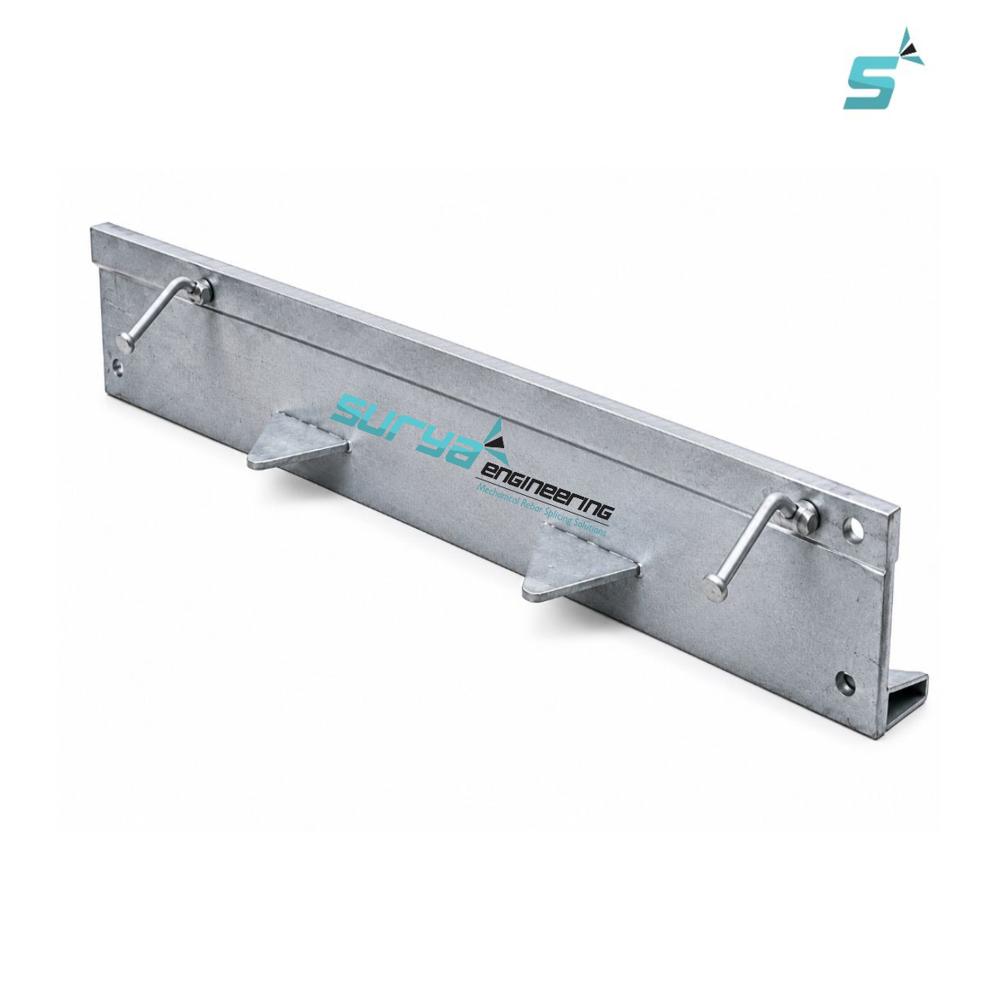
Price 1500.0 INR / Piece
Minimum Order Quantity : 10 Pieces
Size : Custom Sizes Available
Color : Silver / Metallic Grey / Black
Surface Treatment : Galvanized, Plating, Powder Coated
Technique : Others
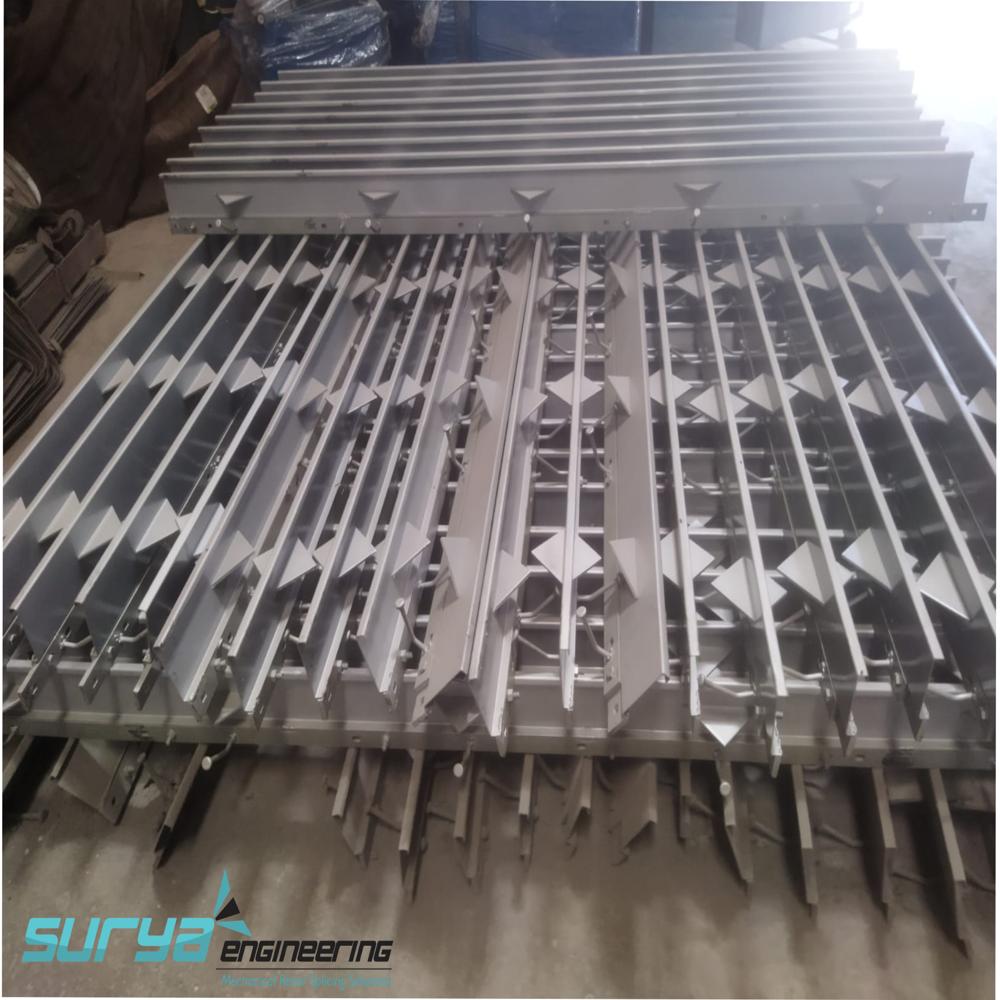
Price 2000.0 INR / Piece
Minimum Order Quantity : 10 Pieces
Size : Custom Sizes Available
Color : Silver / Metallic Grey / Black (Powder Coated)
Surface Treatment : Plating, Powder Coated, Galvanized
Technique : Others
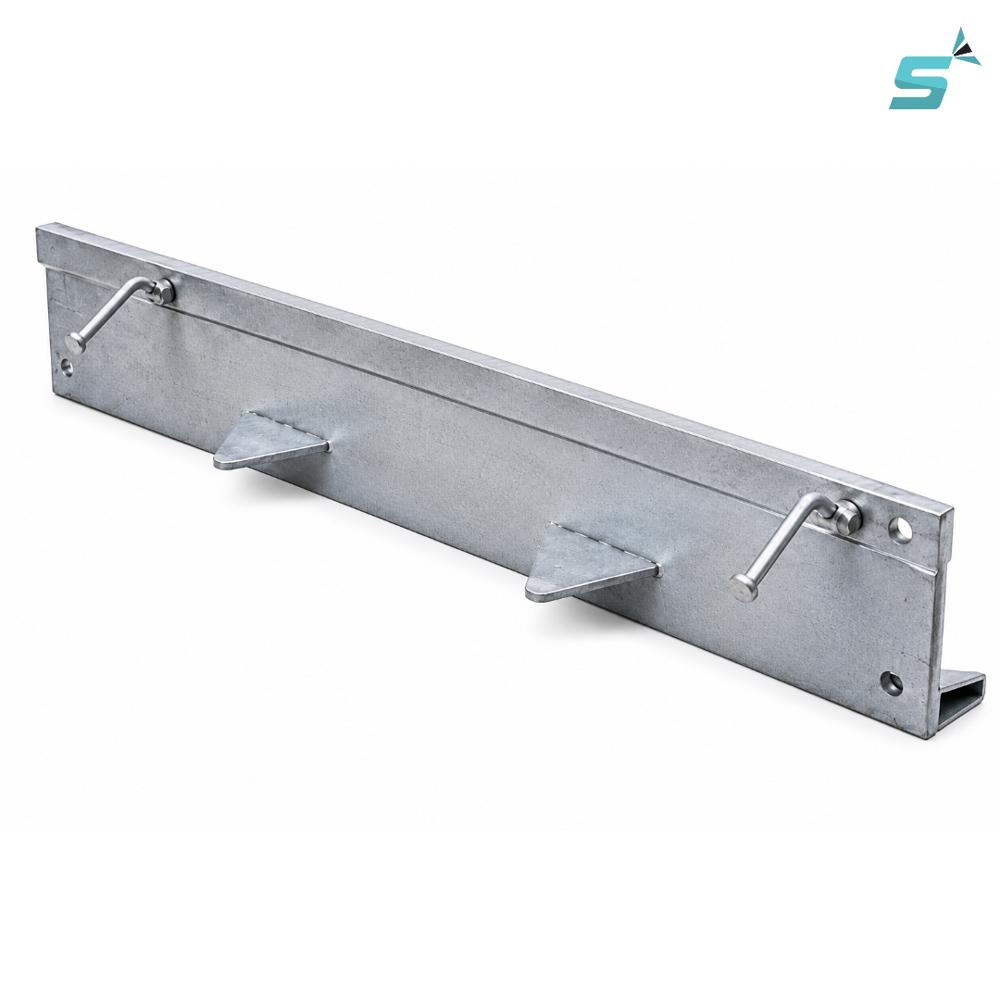
Price 1000.0 INR / Piece
Minimum Order Quantity : 999 Pieces
Size : 3000mm*150mm
Color : Sliver
Surface Treatment : Powder Coated, Polish, Galvanized
Technique : Others
Price 1500.0 INR / Piece
Minimum Order Quantity : 10 Pieces
Size : 16 40
Color : Sliver
Surface Treatment : Polish, Galvanized, Plating
Technique : Forging





 Send Inquiry