
Talk to us
08045811615
Talk to us
08045811615
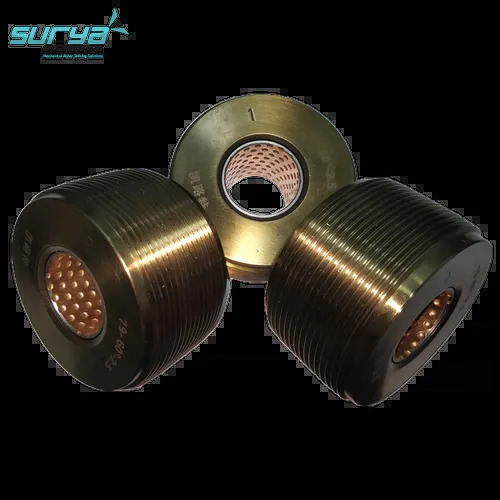
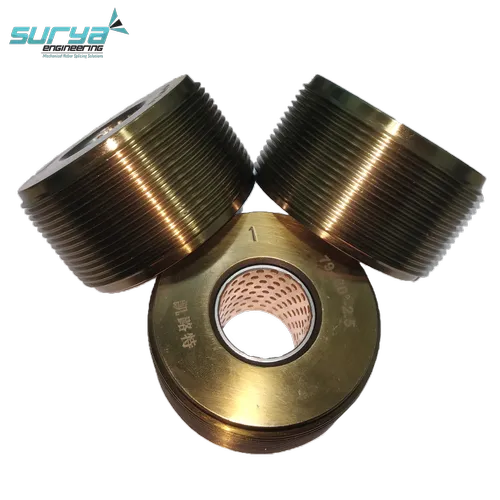
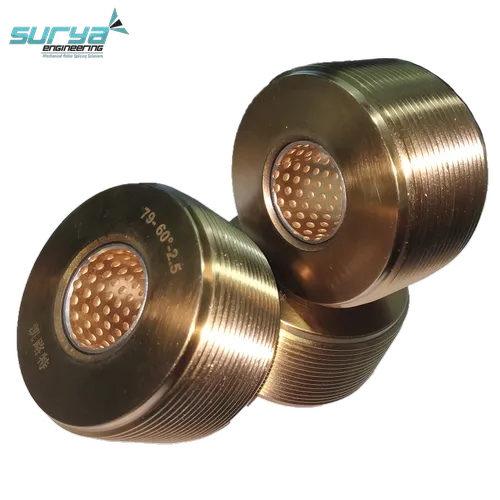
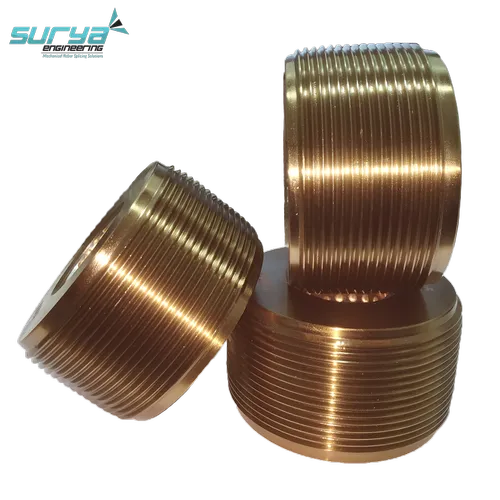
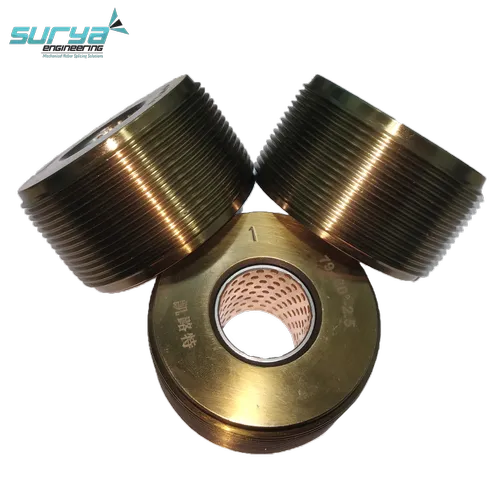

Material Grain Preservation: It does not cut the metal fibers; it compresses them, making the thread 30% stronger than cut threads.
Surface Finish: Produces a mirror-like, smooth finish which reduces friction in rebar couplers.
Speed: It is significantly faster than traditional lathe threading.
| Feature | Standard Specification |
| Rebar Diameter Range | 12 mm to 50 mm |
| Motor Power | 3 kW to 7.5 kW (4 HP to 10 HP) |
| Threading Speed | 40 to 62 RPM |
| Thread Pitch | 2.0 mm, 2.5 mm, 3.0 mm, or 4.0 mm |
| Threading Length | Up to 150 mm or 300 mm (depending on model) |
| Die Hardness | Typically 60 HRC |
| Machine Weight | 400 kg to 850 kg |
High-Rise Buildings: Used for vertical reinforcement in core walls and columns to maintain continuous structural strength floor by floor.
Bridges and Flyovers: Employed to prepare high-strength joints for piers, decks, and girders capable of handling heavy dynamic loads.
Metro and Railway Tunnels: Applied for on-site processing of threads for reinforced concrete segments and tunnel linings.
Dams and Power Plants: Used in massive hydro projects where pressure-resistant and leak-proof joints are necessary for safety.
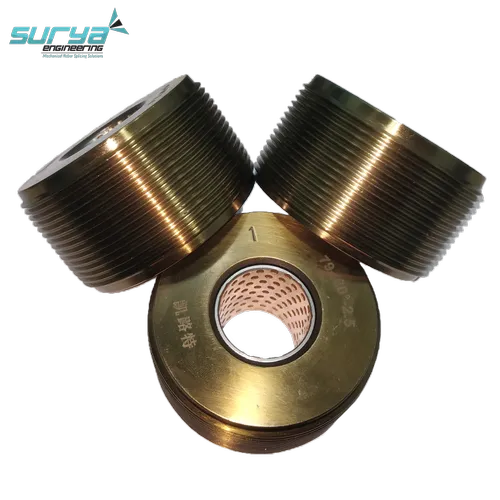
Circular Dies: Used in two-roll or three-roll cylindrical machines (common for rebar).
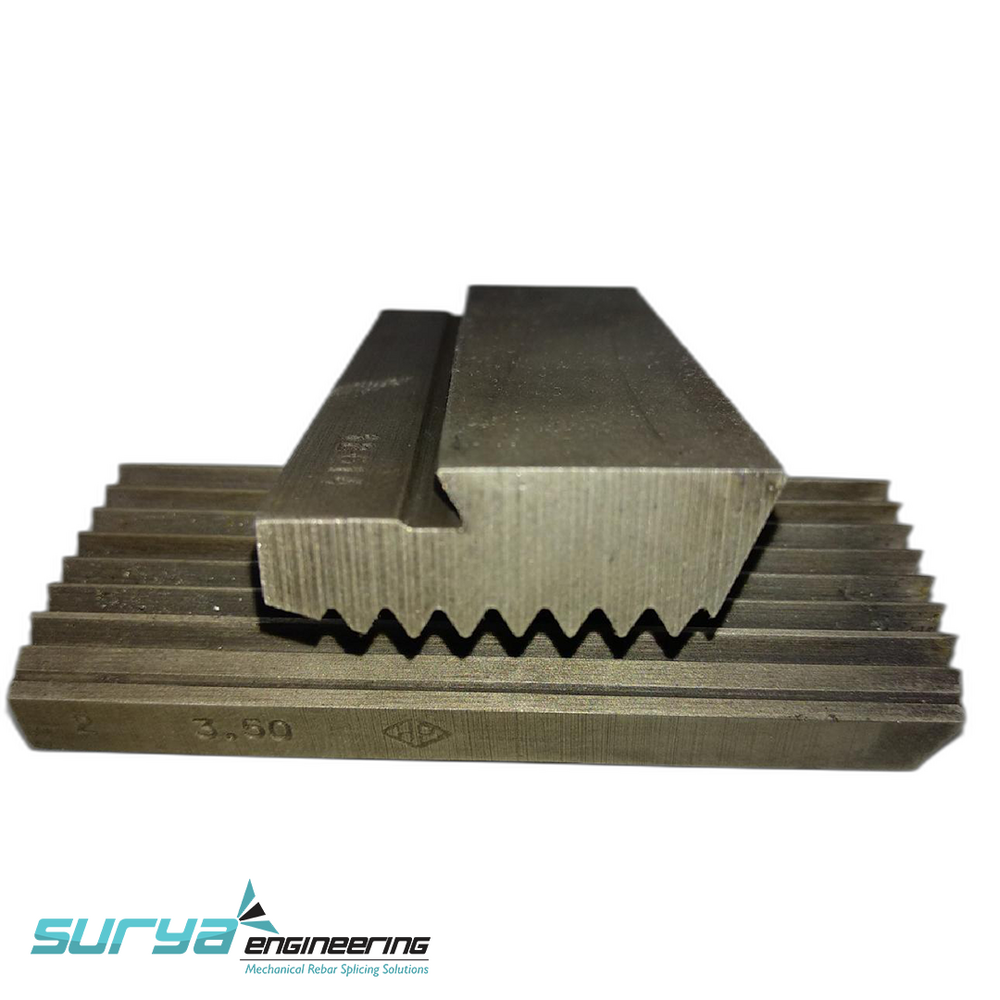
Flat Dies: Used in reciprocating machines for bolts and screws.
Planetary Dies: For high-speed mass production of fasteners.
Manufacturing Parallel Thread Rebar Couplers.
Production of Foundation Bolts and Anchor Bolts.
Fastener manufacturing for the automotive and aerospace industries.
Sleeve Fixation: The plastic sleeve is nailed to the wooden formwork at the mid-depth of the slab.
First Pour: Concrete is poured around the sleeve.
Formwork Removal: The formwork is removed, exposing the sleeve opening.
Plate Insertion: The steel plate is slid into the sleeve before the second slab is poured.
Under IS 16172, while the code focuses on mechanical splices (couplers), the Roll Threading Dies used to create the threads and the Dowel Plates used for load transfer must meet specific mechanical requirements:
Tensile Strength: Must match or exceed the parent bar's strength.
Yield Strength: Ensuring no permanent deformation under peak loads.
Hardness Testing: Dies must maintain hardness (usually 58-62 HRC) to withstand repeated rolling.

Price:
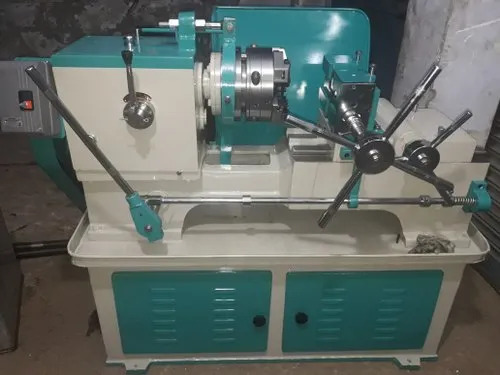
Price 213000.0 INR / Piece
Minimum Order Quantity : 1 Piece
Standard : NPT/BSP
Material : EN 27
Dimensions : Size: 40 mm Millimeter (mm)
Diameter : 50 mm Millimeter (mm)
Minimum Order Quantity : 100 Pieces
Standard : IS 4224 / DIN
Material : High Speed Steel (HSS), Alloy Steel, Carbon Steel
Dimensions : As per customer requirements
Diameter : 25 mm to 600 mm
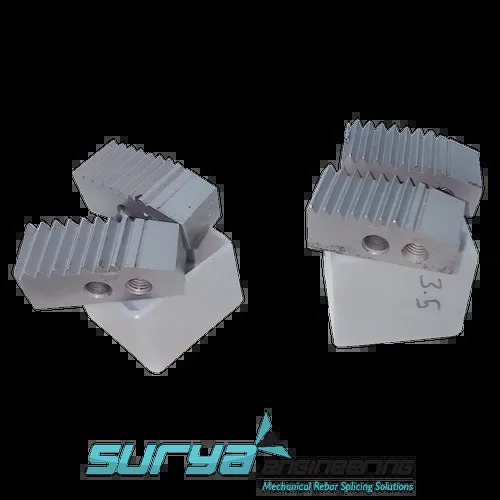
Price 3500 INR / Set
Minimum Order Quantity : 5 Sets
Standard : D2 Grade
Material : D2
Dimensions : Rectangular
Diameter : 3 inch
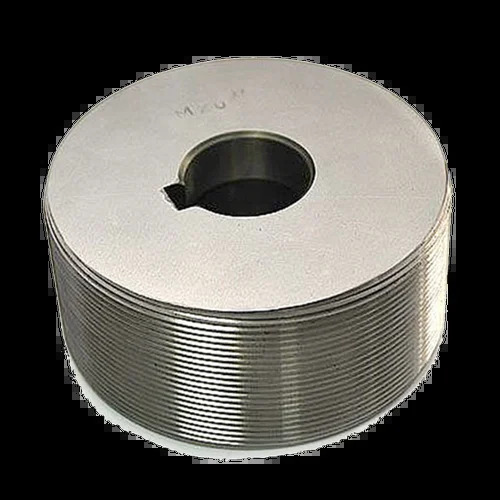
Price 4720 INR / Piece
Minimum Order Quantity : 2 Pieces
Standard : ADS40
Material : MS
Diameter : 5 mm





 Send Inquiry