What is a Rebar Coupler?
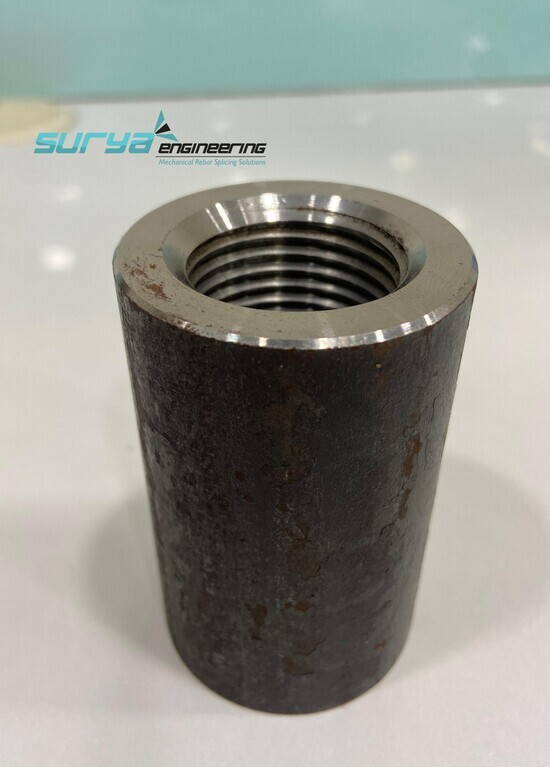
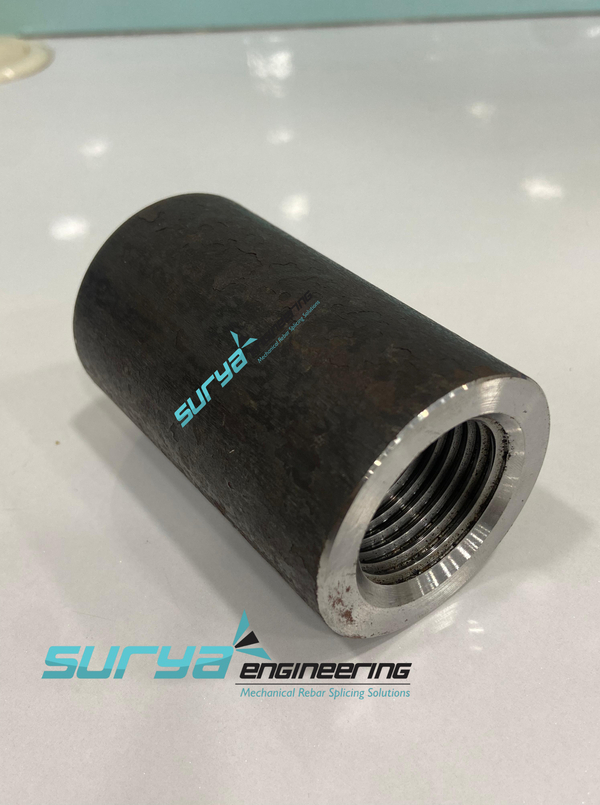
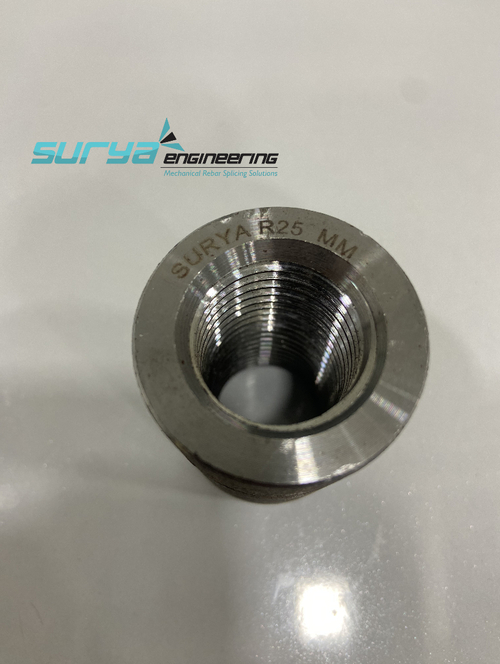
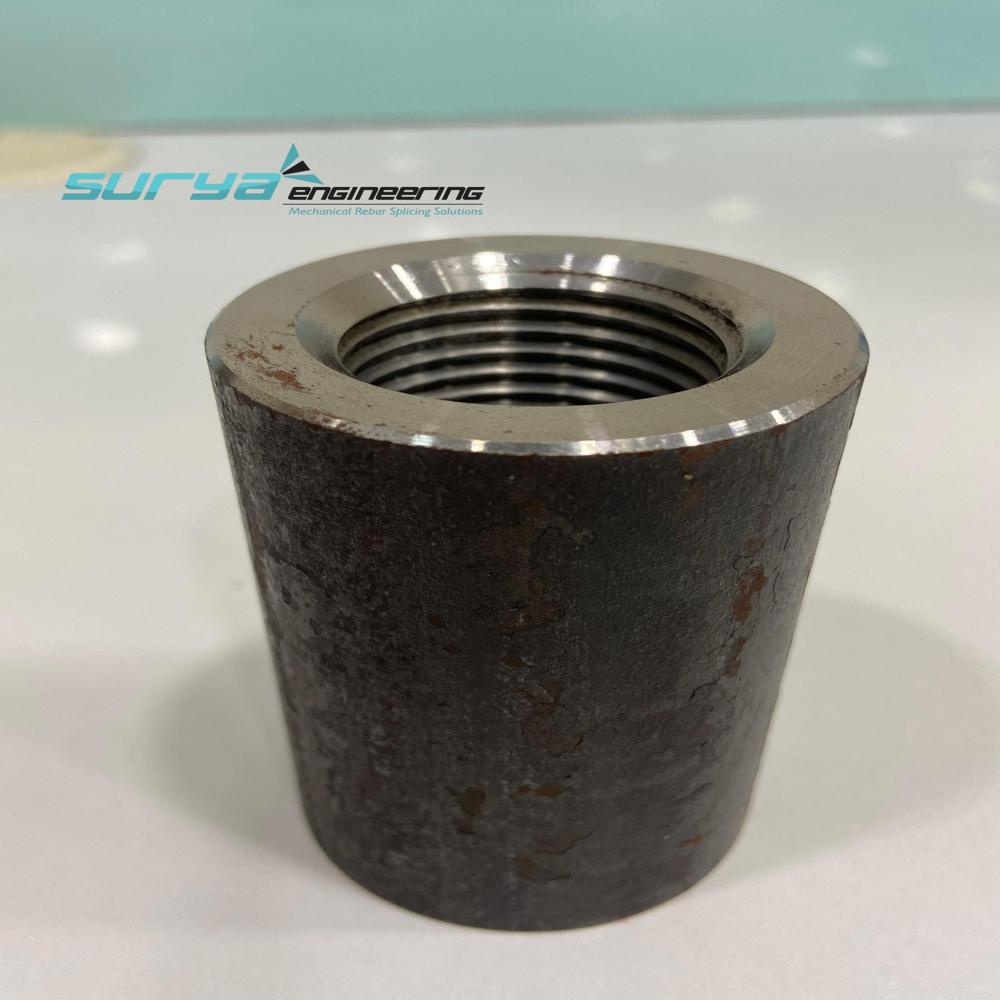
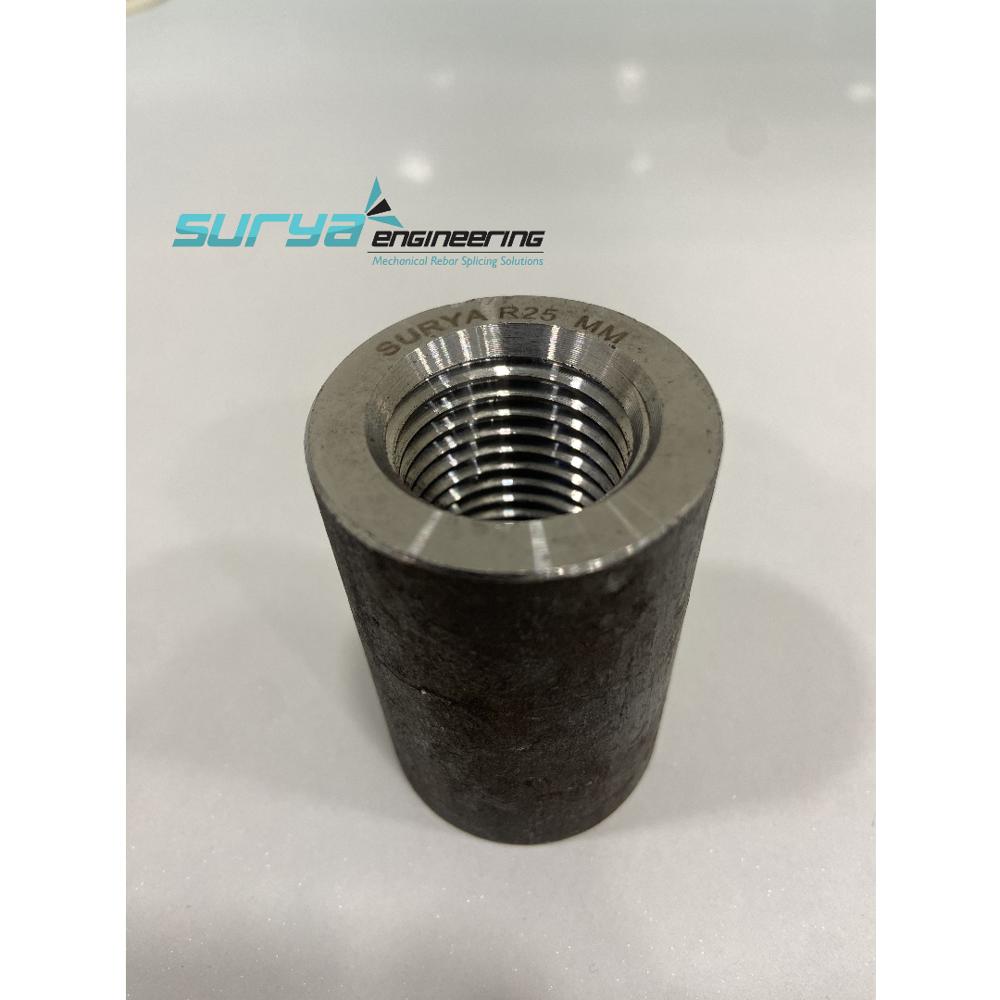
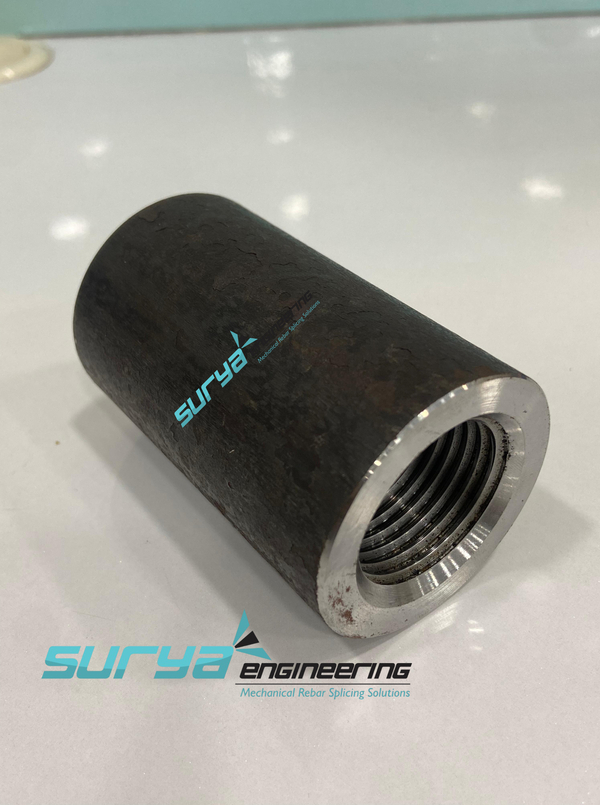
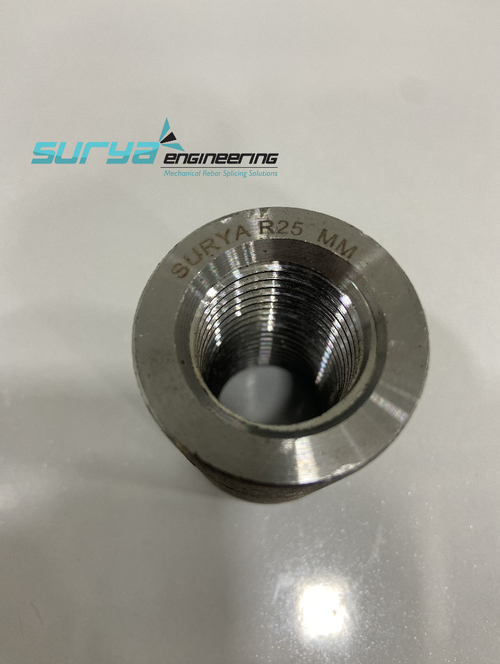
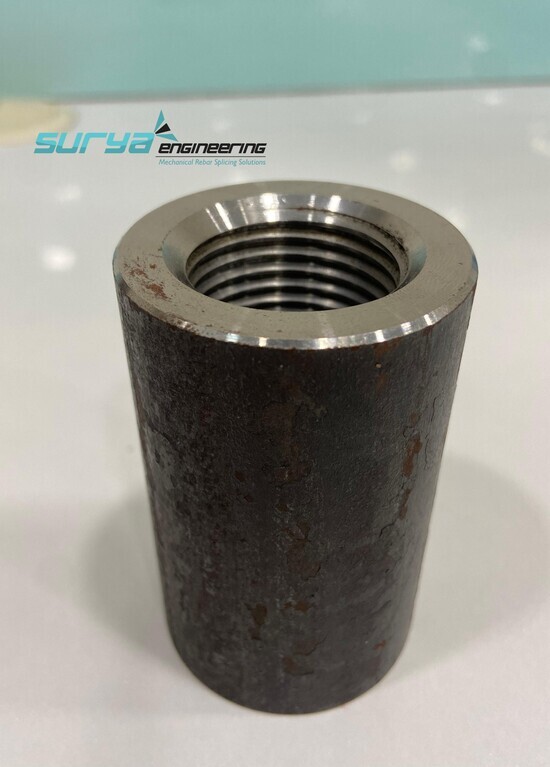
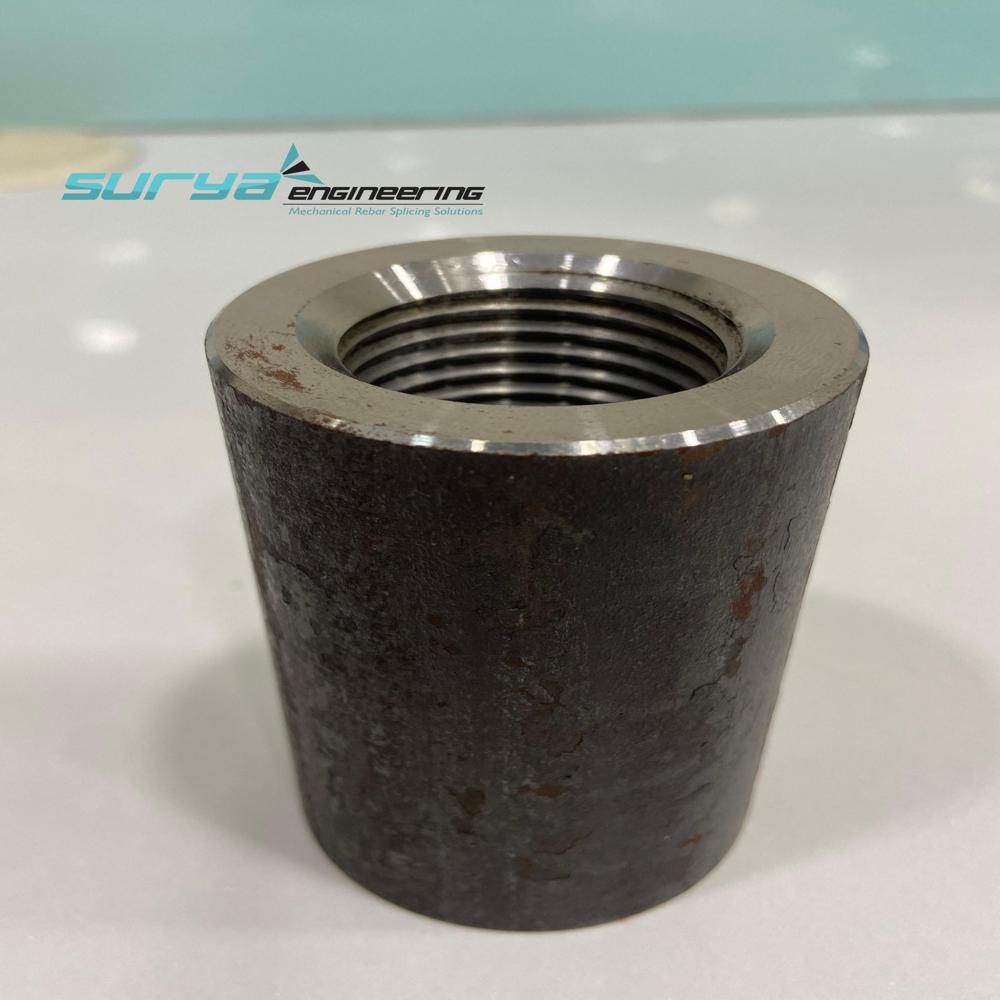
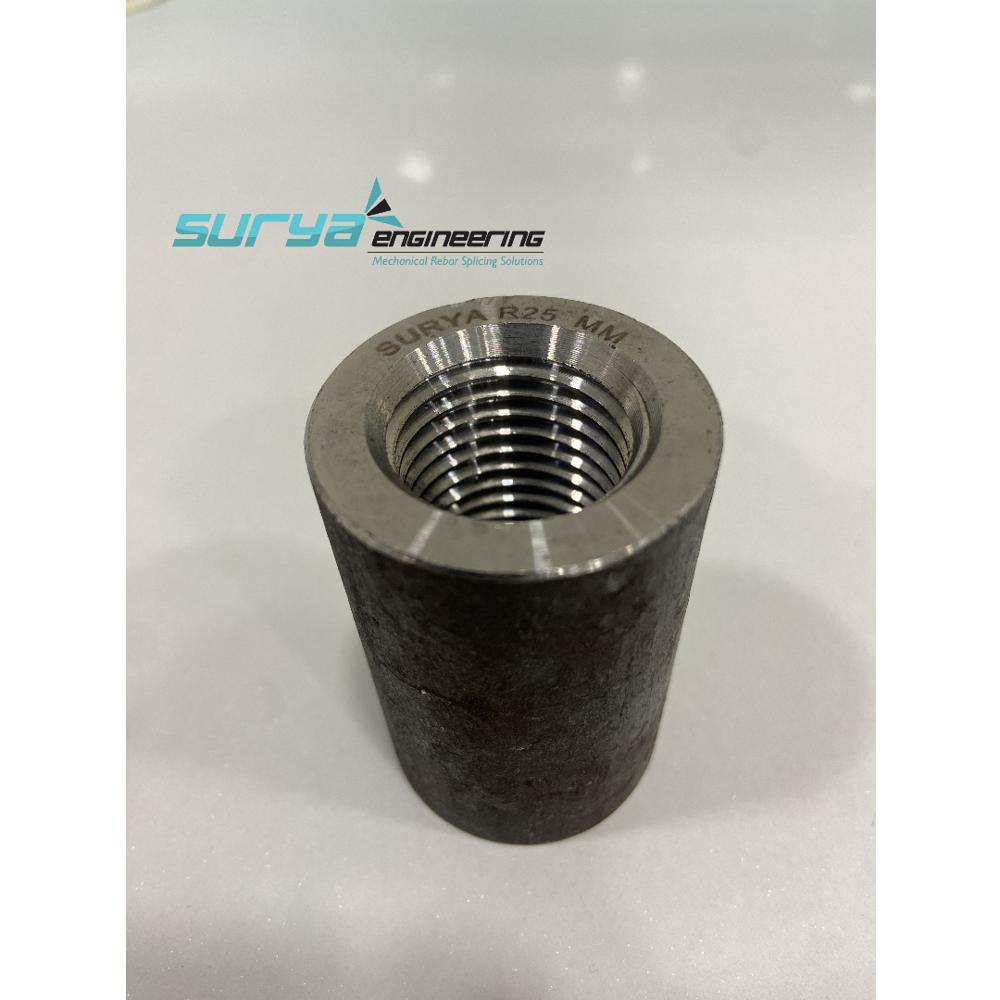
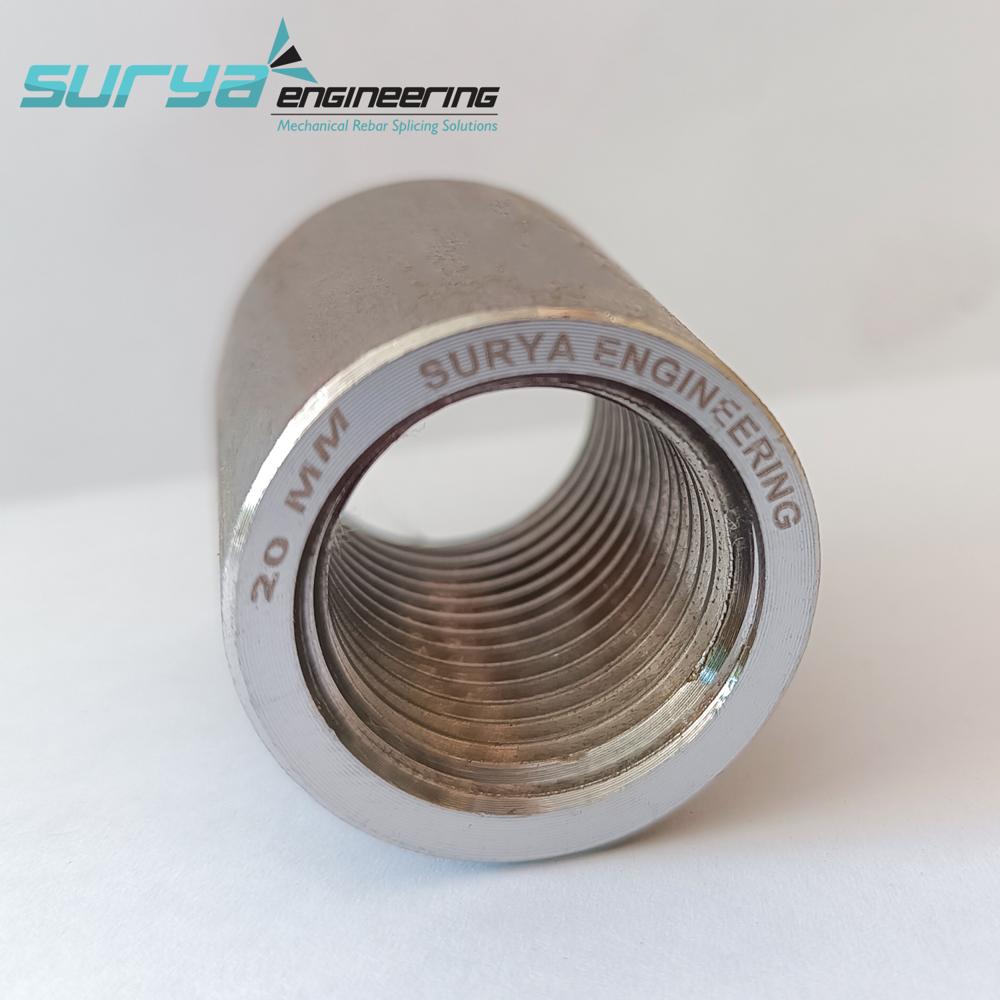
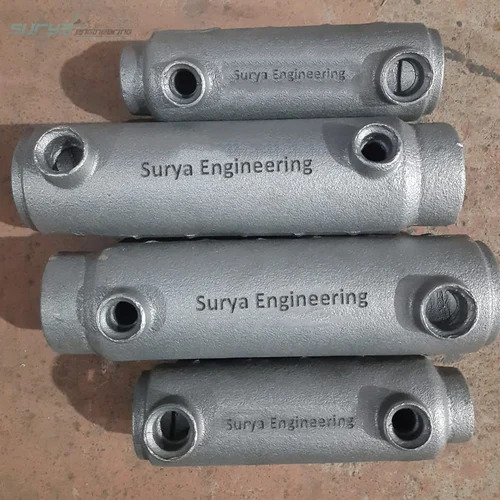
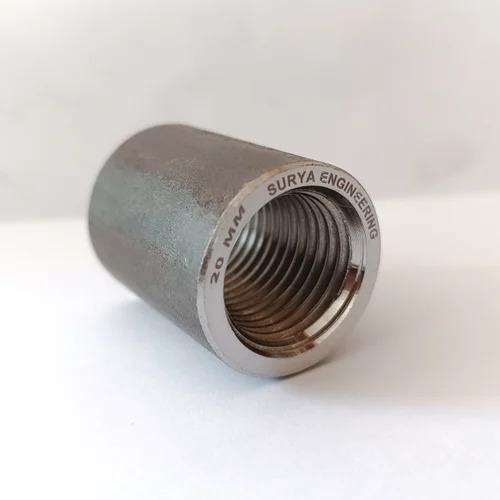
A Rebar Coupler is a mechanical connector used to join two reinforcing steel bars (rebars) in reinforced concrete structures. It provides a strong and reliable connection without overlapping the bars, making construction faster, safer, and more economical.
Rebar couplers are widely used in modern infrastructure projects such as bridges, highways, metro rail projects, high-rise buildings, dams, industrial plants, and commercial structures across India.
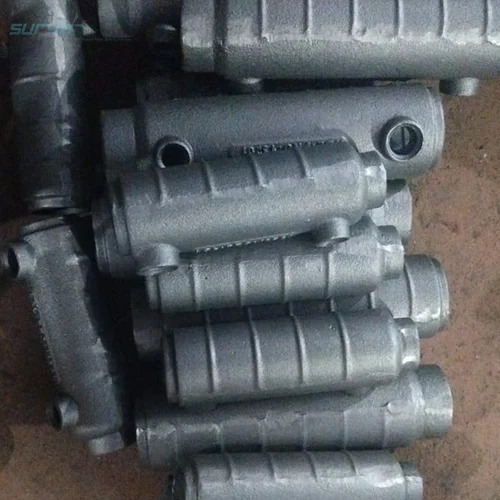
Surya Engineering, Mumbai, is a trusted manufacturer and supplier of high-quality rebar couplers designed to meet the demanding requirements of the Indian construction industry.
Why are Rebar Couplers Used?
Traditional lap splicing requires extra steel and creates congestion in reinforced concrete structures. Rebar couplers eliminate these challenges by providing a direct mechanical connection.
Main Reasons for Using Rebar Couplers
- Reduces steel wastage
- Eliminates long lap lengths
- Increases structural strength
- Saves construction time
- Improves concrete flow around reinforcement
- Suitable for earthquake-resistant structures
- Provides consistent load transfer
- Reduces reinforcement congestion
Classification of Rebar Couplers
1. Threaded Rebar Coupler
The most commonly used coupler where threaded rebars are joined together.
Applications:
- Buildings
- Bridges
- Flyovers
- Industrial projects
2. Parallel Thread Coupler
Uses parallel threading on both rebars for precise and strong connections.
Benefits:
- High tensile strength
- Easy installation
- Reliable performance
3. Taper Thread Coupler
Features tapered threads for secure locking and quick assembly.
Applications:
- Heavy infrastructure projects
- Large RCC structures
4. Transition Coupler
Used to connect rebars of different diameters.
Applications:
- Structural modifications
- Expansion projects
5. Position Coupler
Designed for situations where one bar cannot rotate.
Applications:
- Columns
- Beams
- Congested reinforcement areas
6. Weldable Coupler
One side is welded while the other side is mechanically connected.
Applications:
- Steel-to-rebar connections
- Industrial structures
Applications of Rebar Couplers in India
Rebar couplers are widely used across various construction sectors:
Residential Projects
- High-rise apartments
- Housing complexes
- Township developments
Commercial Buildings
- Shopping malls
- Office towers
- Hotels
Infrastructure Projects
- Metro rail networks
- Bridges
- Flyovers
- Expressways
Industrial Projects
- Factories
- Warehouses
- Power plants
Government Projects
- Smart city developments
- Railway projects
- Airport construction
Water Structures
- Dams
- Water treatment plants
- Reservoirs
Rebar Coupler Installation Process
Step 1: Rebar End Preparation
Cut the reinforcement bars square and clean the ends.
Step 2: Threading
Create threads on the rebar using a threading machine.
Step 3: Inspection
Check thread dimensions and quality.
Step 4: Coupler Installation
Screw the coupler onto one rebar.
Step 5: Bar Connection
Insert the second rebar and tighten properly.
Step 6: Final Checking
Ensure full engagement and alignment.
Step 7: Quality Testing
Perform required mechanical tests before concrete placement.
IS Testing Standards for Rebar Couplers
In India, rebar couplers are tested according to various standards and project specifications.
Relevant Standards
- IS 1786 High Strength Deformed Steel Bars and Wires
- IS 456:2000 Plain and Reinforced Concrete Code
- IS 16172 Mechanical Splices for Reinforcement Bars
- Project-specific requirements from:
- Metro Rail Authorities
- NHAI
- Railway Projects
- Government Infrastructure Departments
Common Tests
Tensile Strength Test
Checks ultimate load-carrying capacity.
Slip Test
Measures movement between connected rebars.
Fatigue Test
Evaluates performance under repeated loading.
Cyclic Loading Test
Important for seismic-resistant structures.
Elongation Test
Measures ductility and flexibility.
Visual Inspection
Checks threading quality and dimensional accuracy.
Advantages of Rebar Couplers
1. Saves Steel Consumption
Eliminates unnecessary lap lengths.
2. Faster Construction
Quick installation improves project speed.
3. Better Structural Performance
Provides efficient load transfer.
4. Reduced Congestion
Improves reinforcement arrangement.
5. Earthquake Resistance
Suitable for seismic zones across India.
6. Cost Effective
Reduces material and labor costs.
7. High Strength Connection
Can achieve strength equal to or greater than the parent bar.
8. Improved Concrete Quality
Allows better concrete compaction.
9. Suitable for Large Projects
Ideal for infrastructure and mega construction projects.
10. Environment Friendly
Reduces steel wastage and supports sustainable construction.
Why Choose Surya Engineering Rebar Couplers?
Surya Engineering is a reputed manufacturer and supplier of premium-quality rebar couplers in Mumbai serving customers across India.
Our Key Features
- Precision manufacturing
- High-strength materials
- Strict quality control
- Corrosion-resistant finish
- Easy installation
- Custom sizes available
- Competitive pricing
- Pan India supply network
- Technical support and guidance
Rebar Coupler Market Demand in India
With rapid growth in infrastructure development, the demand for rebar couplers is increasing significantly across:
- Mumbai
- Pune
- Delhi NCR
- Bangalore
- Hyderabad
- Chennai
- Ahmedabad
- Kolkata
- Surat
- Nagpur
- Lucknow
- Jaipur
- Kochi
- Bhubaneswar
- Indore
Government investments in highways, metro rail systems, smart cities, airports, and industrial corridors are driving the adoption of mechanical rebar splicing solutions throughout India.
Rebar Coupler Manufacturer India, Rebar Coupler Supplier Mumbai, Mechanical Rebar Coupler, Rebar Splicing System, Threaded Rebar Coupler, Parallel Thread Coupler India, TMT Bar Coupler Manufacturer, Reinforcement Coupler Supplier, Construction Equipment Manufacturer Mumbai, Rebar Coupler Price India, Rebar Connection System, Surya Engineering Mumbai, Rebar Coupler for Metro Projects, High Strength Rebar Coupler India, Mechanical Splice Coupler Manufacturer.








 Send Inquiry