About PVC Encapsulated Footsteps Rungs
PVC Encapsulated Footsteps Rungs are specially designed access steps used inside manholes, sewer chambers, underground water tanks, drainage systems and other infrastructure structures. They provide a stable stepping surface that helps workers enter and exit underground chambers during inspection, cleaning, repair and maintenance activities.
What Are PVC Encapsulated Footsteps Rungs?
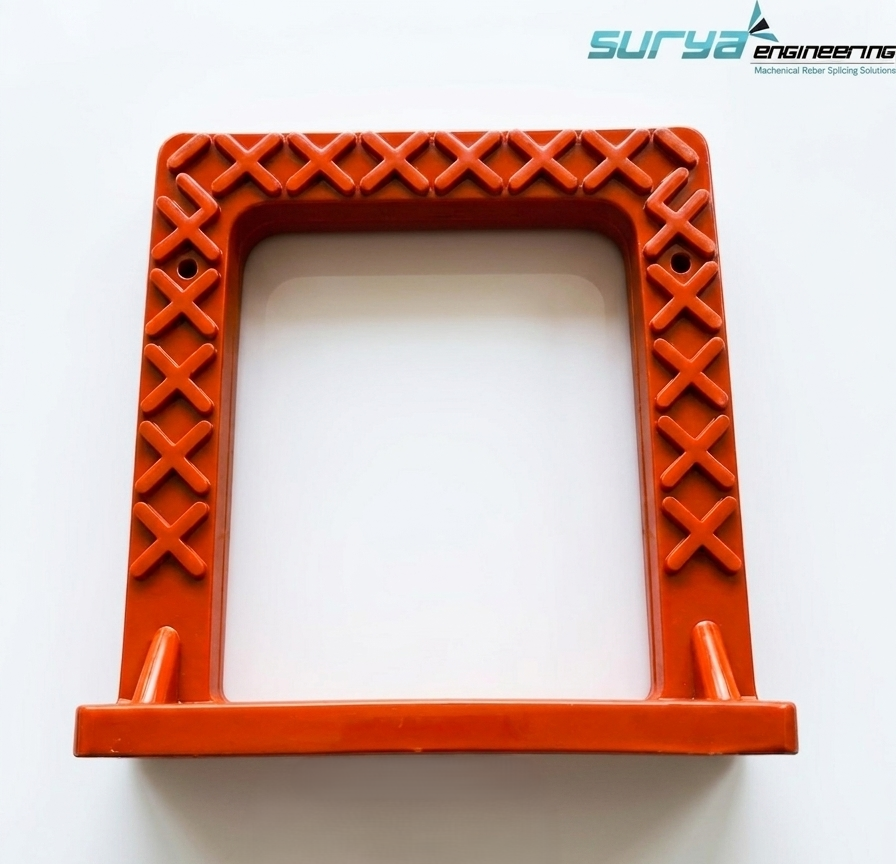
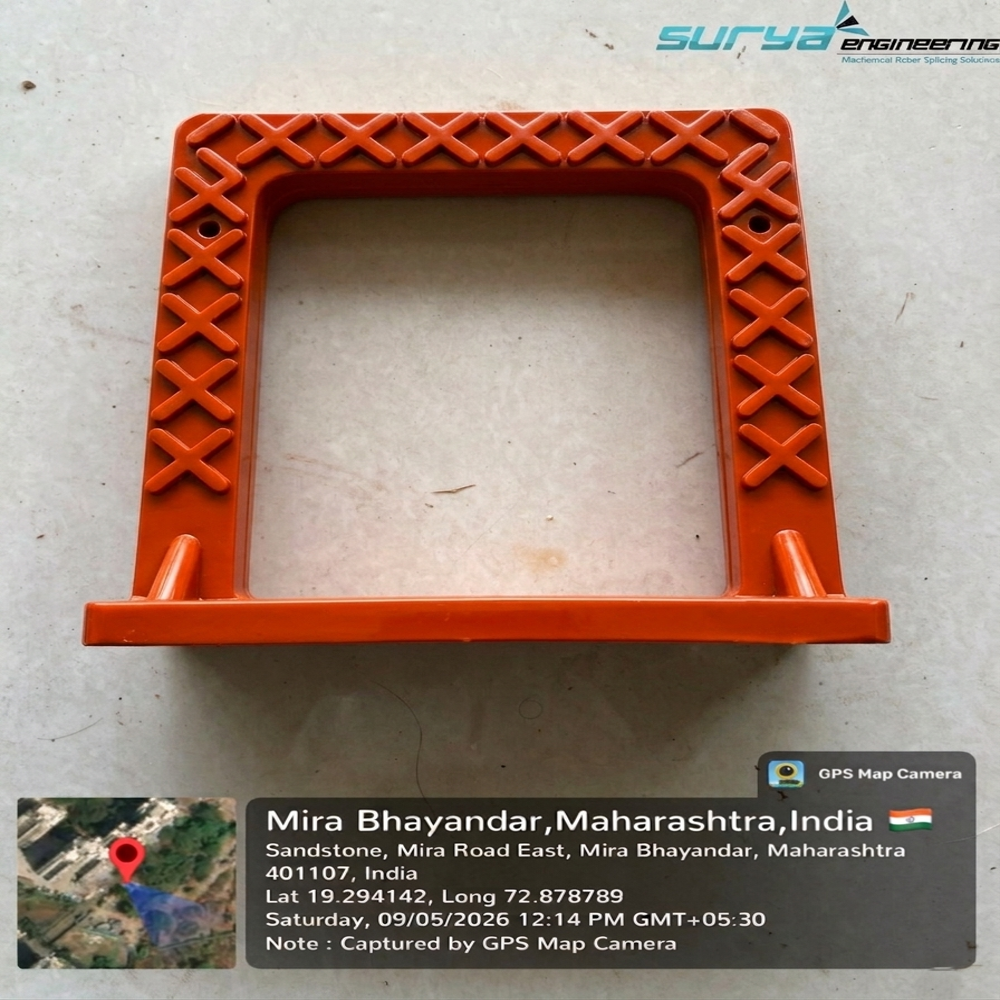
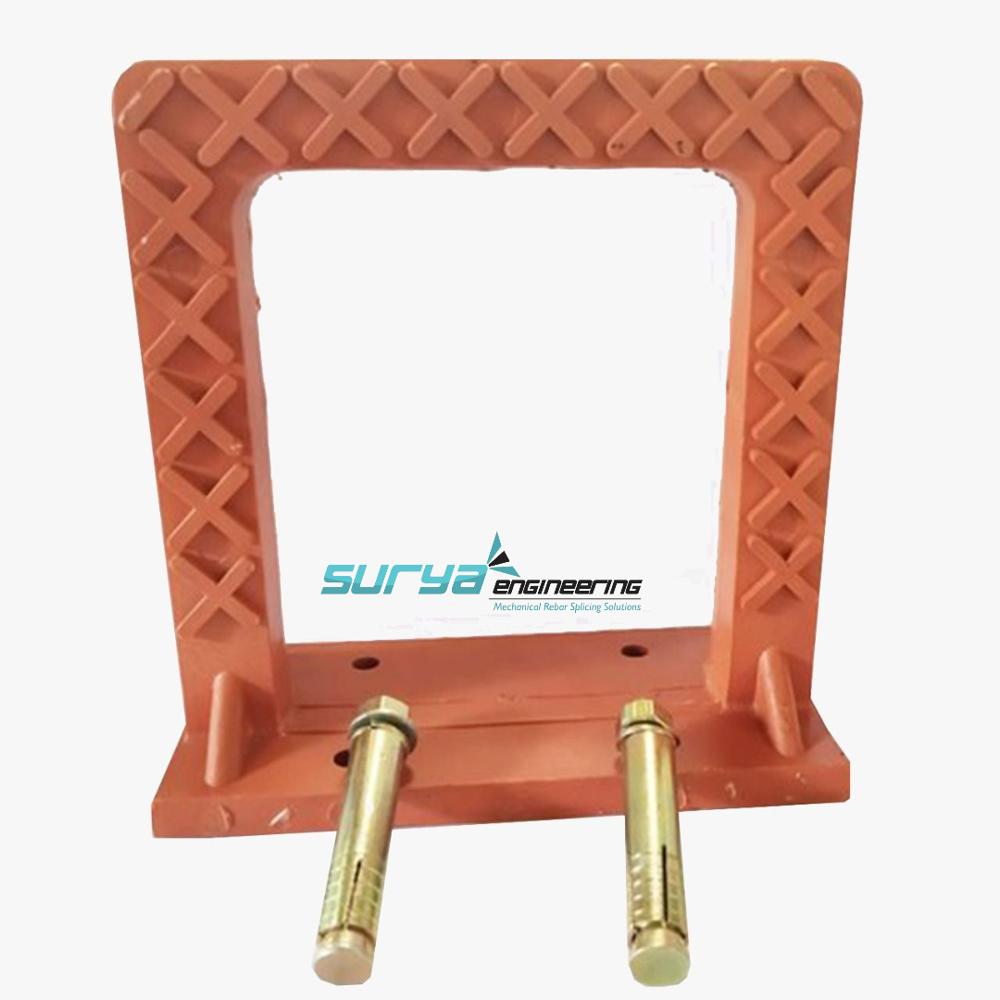
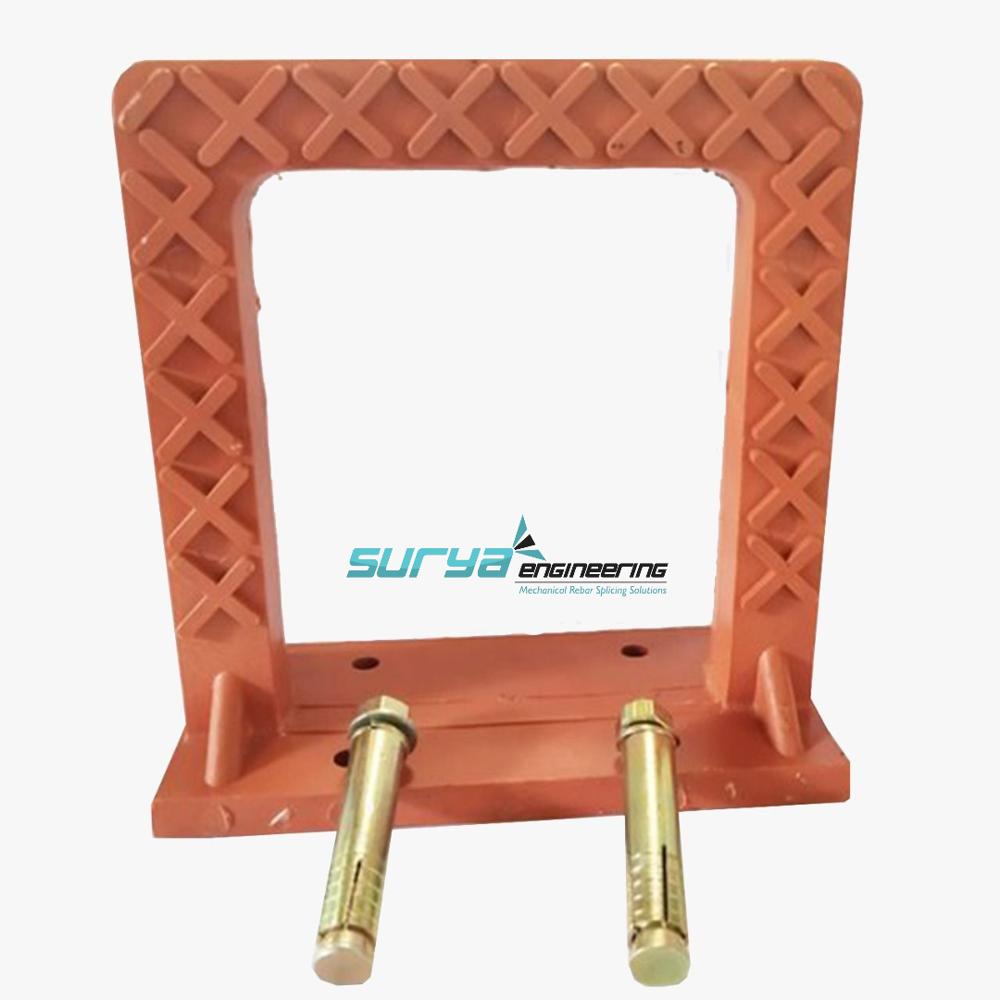
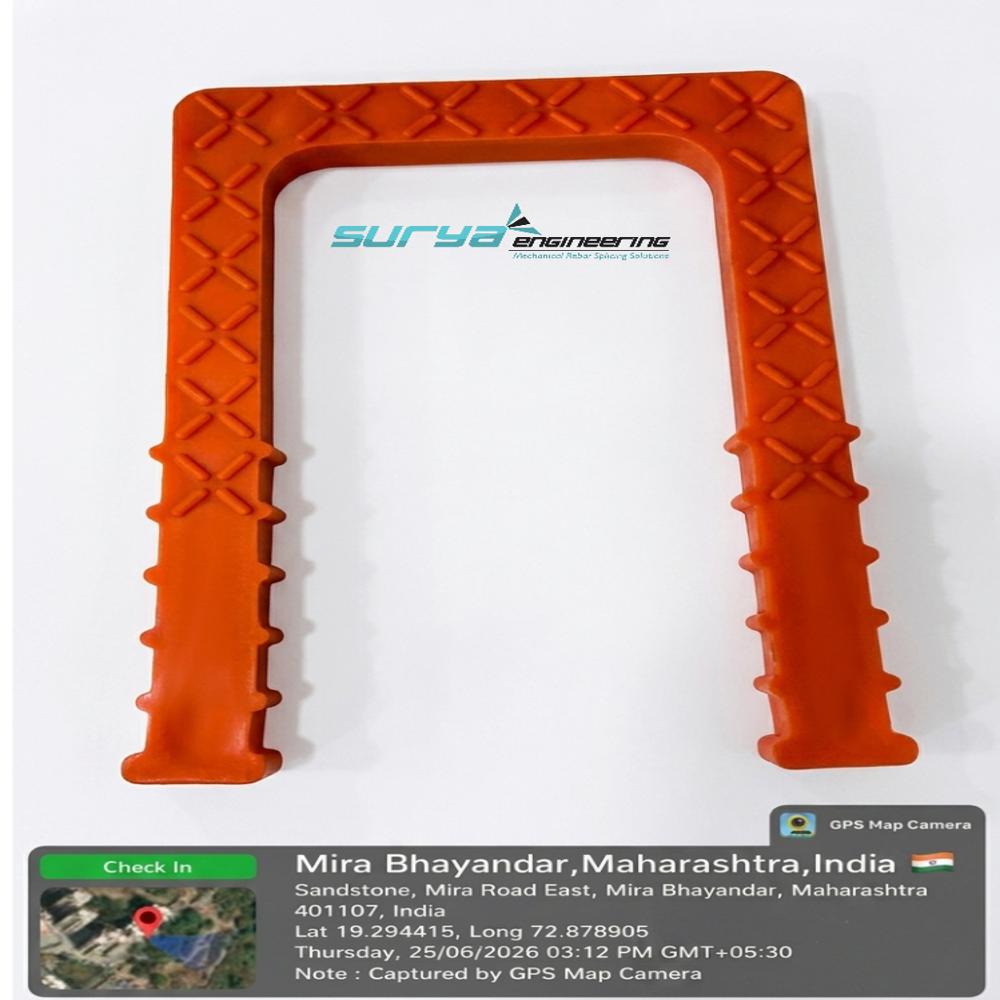
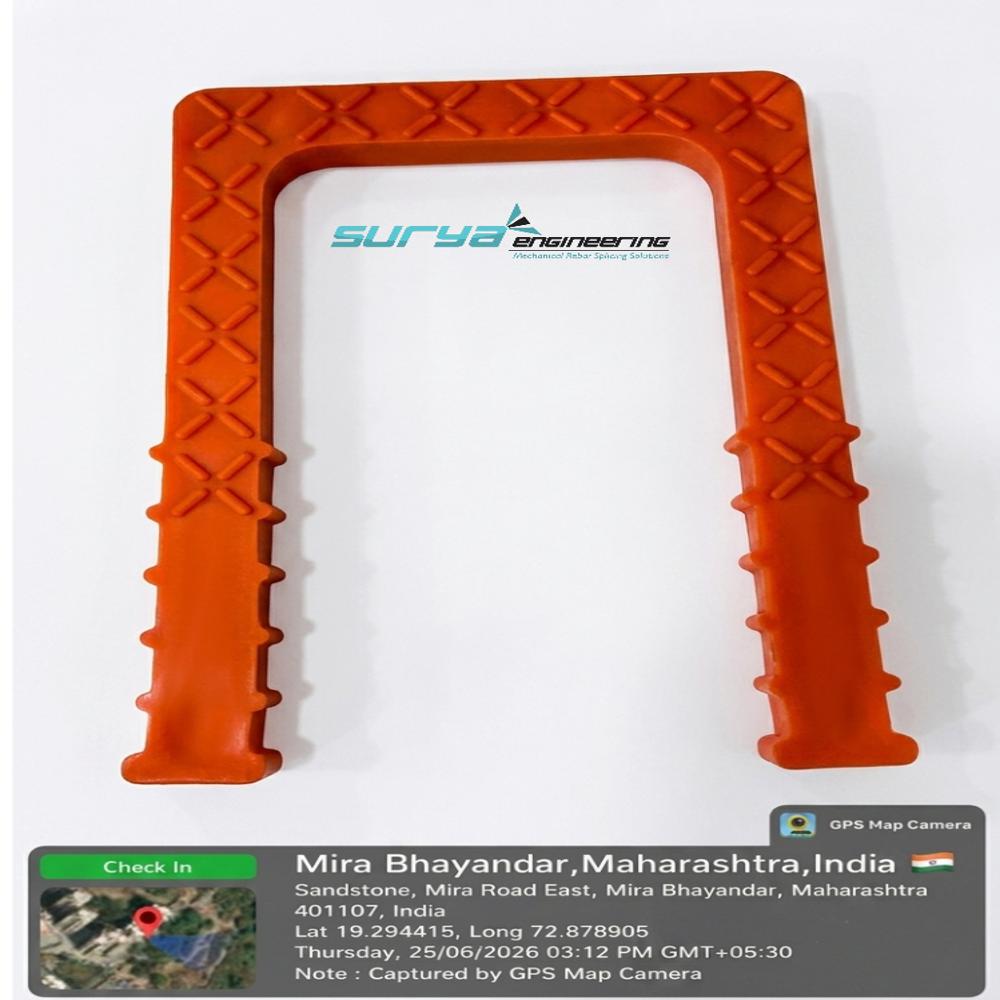
PVC Encapsulated Footsteps, also known as PVC Manhole Steps, PVC Coated Rungs, Plastic Encapsulated Footrests and Manhole Safety Steps, are U-shaped or rung-shaped components installed along the inner walls of underground structures.
They are designed to form individual steps, allowing maintenance personnel to climb up and down safely when the chamber is accessible and suitable for entry.
The product combines two important materials:
-
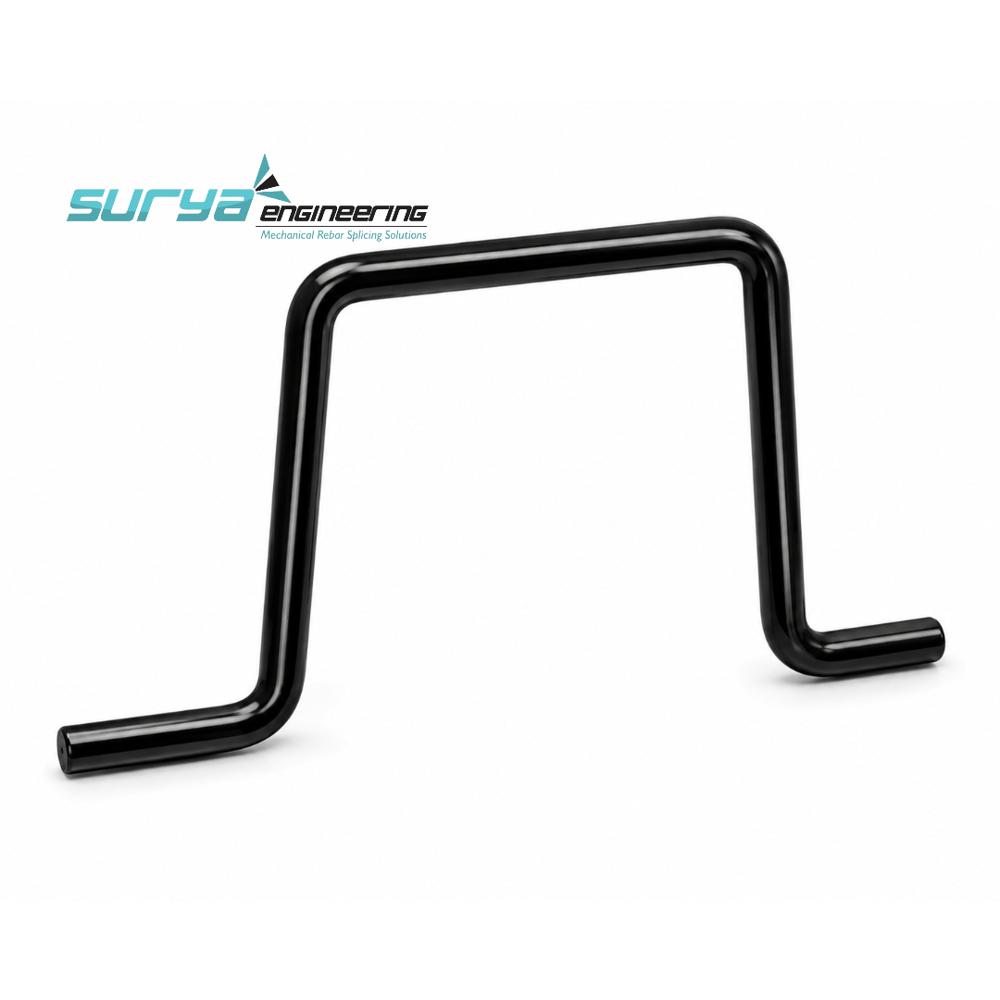
Internal Steel Reinforcement: An MS or TMT steel core provides the strength required to support the user's weight during climbing and maintenance activities.
-
External PVC Encapsulation: A thick PVC covering surrounds the steel reinforcement, protecting it from direct exposure to water, moisture and corrosive substances.
The outer surface generally features a textured or ribbed anti-slip pattern to improve foot grip, especially in damp working environments.
The combination of steel reinforcement and PVC protection makes these rungs suitable for demanding underground applications.
Construction and Material of PVC Encapsulated Footsteps
The quality and performance of a PVC encapsulated footstep depend on its internal reinforcement, outer coating and overall construction.
A. Steel Reinforcement Core
The internal MS or TMT steel reinforcement acts as the load-bearing element. It provides the strength and structural support needed when a person places their foot on the rung.
The reinforcement diameter and grade should be selected according to the required load capacity and project specifications.
B. PVC Protective Coating
The outer PVC layer completely covers the steel core. It works as a protective barrier against moisture, water and many substances encountered in sewage and drainage environments.
Proper encapsulation also helps reduce direct contact between the steel and the surrounding environment.
C. Anti-Slip Surface Design
The upper surface is generally provided with raised patterns, ribs or textured grooves. These features help improve grip and provide a more stable foot placement when workers climb inside the chamber.
D. Reinforced Fixing Ends
The ends of the rung are designed to fit securely into the designated holes or fixing arrangements in the concrete wall. Depending on the product design, the ends may have ribs or anchoring projections to improve grip within the fixing material.
Key Features of PVC Encapsulated Footsteps Rungs
1. Complete PVC Protection: The steel reinforcement is enclosed within a PVC covering that helps protect it from moisture and corrosion.
2. Strong Internal Reinforcement: The steel core provides structural support for regular climbing and maintenance access.
3. Anti-Slip Surface: The textured upper surface helps provide a firm grip for workers entering and exiting underground chambers.
4. Moisture Resistance: PVC encapsulation helps prevent direct exposure of the steel reinforcement to water and damp conditions.
5. Chemical Resistance: Suitable PVC compounds can resist many substances commonly encountered in sewage and wastewater environments.
6. Electrical Insulating Properties: PVC is an electrical insulating material, although the rung should not be treated as certified electrical protection.
7. Durable Construction: The combination of internal reinforcement and external PVC coating is designed for long-term infrastructure applications.
8. Easy Identification: Products are commonly available in bright colours such as orange and black, helping make the steps more visible.
9. Multiple Size Options: Available dimensions and reinforcement diameters can be selected according to the chamber design and project requirements.
Applications of PVC Encapsulated Footsteps Rungs
PVC encapsulated footsteps are widely used wherever regular access is required inside underground or enclosed infrastructure structures.
|
Application
|
Purpose
|
|
Sewage Manholes
|
Provides climbing access for inspection and maintenance personnel.
|
|
Underground Drainage Chambers
|
Helps workers enter drainage systems for cleaning and repairs.
|
|
Water Storage Tanks
|
Provides access for tank inspection and maintenance.
|
|
Stormwater Chambers
|
Supports access for drainage inspection and cleaning.
|
|
STP Plants
|
Used in sewage treatment plant inspection chambers.
|
|
WTP Plants
|
Provides access inside water treatment infrastructure.
|
|
Utility Chambers
|
Used in underground utility access structures.
|
|
Industrial Structures
|
Supports maintenance access in suitable industrial chambers.
|
|
Inspection Pits
|
Provides climbing steps for inspection and servicing activities.
|
|
Municipal Infrastructure
|
Used in public drainage, sewerage and water supply projects.
|
5. Advantages of PVC Encapsulated Footsteps Over Conventional Metal Steps
PVC encapsulated footsteps combine the strength of a reinforced core with the protective properties of PVC. This construction offers several advantages over conventional uncoated metal footsteps.
|
PVC Encapsulated Footsteps
|
Conventional Uncoated Metal Steps
|
|
Protective PVC layer covers the reinforcement.
|
Metal remains directly exposed.
|
|
Better protection against moisture-related corrosion.
|
More vulnerable to rust in wet environments.
|
|
Textured surface can improve foot grip.
|
Grip depends on the metal surface design.
|
|
PVC provides a protective outer layer.
|
Requires suitable protective treatment where necessary.
|
|
Suitable for many underground applications.
|
Performance depends on the metal grade and corrosion protection.
|
|
Available in high-visibility colours.
|
Generally requires separate finishing or coating.
|
Why does this matter?
Manholes and underground chambers are frequently exposed to dampness, wastewater and corrosive conditions. Using an appropriately manufactured PVC encapsulated rung helps protect the internal reinforcement and can reduce maintenance associated with exposed steel corrosion.
The actual service life still depends on PVC quality, encapsulation integrity, installation and environmental exposure.
Technical Specifications of PVC Encapsulated Footsteps Rungs
The following table is a suggested specification format for your Surya Engineer product page.
|
Specification
|
Product Details
|
|
Product Name
|
PVC Encapsulated Footsteps Rungs
|
|
Product Type
|
Manhole Footstep / Safety Rung
|
|
Core Material
|
Mild Steel / TMT Steel
|
|
Outer Material
|
PVC Encapsulation
|
|
Shape
|
U-Shaped / Rung Type
|
|
Surface
|
Textured Anti-Slip Finish
|
|
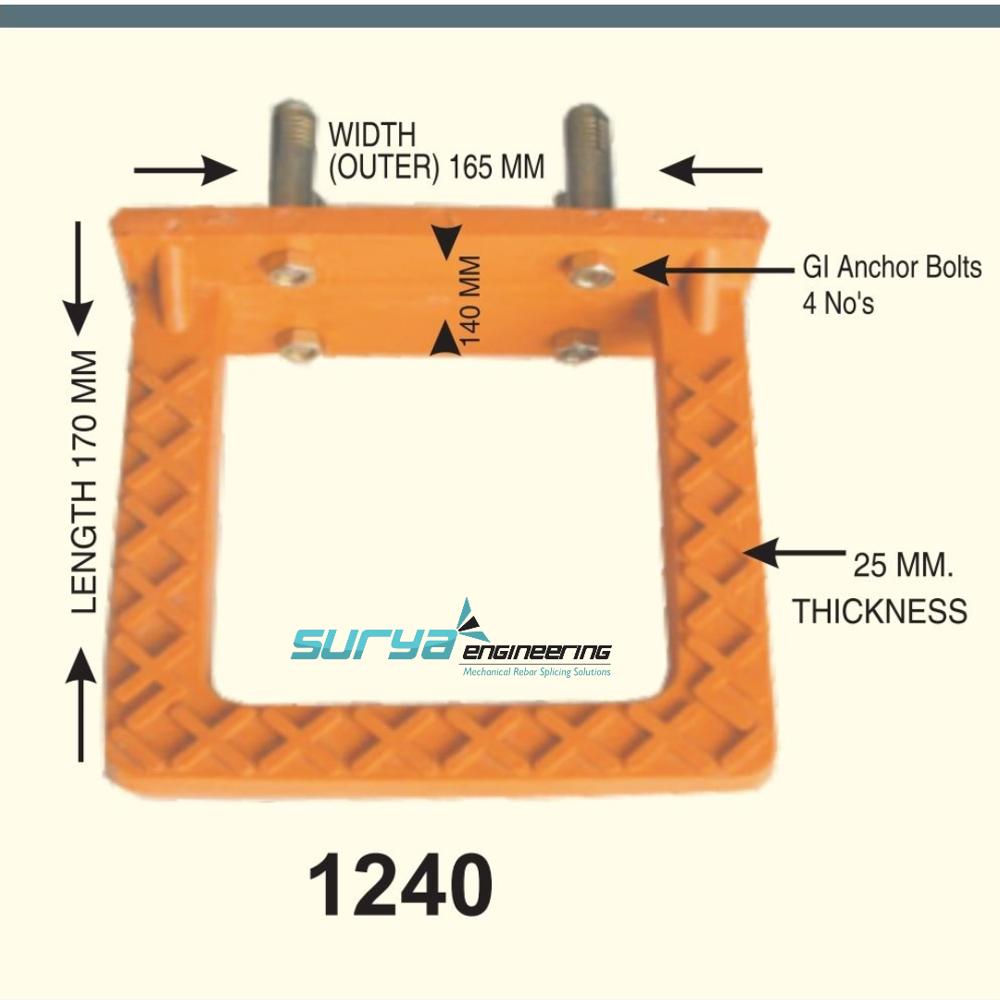
Common Dimension
|
Approximately 265 165 25 mm
|
|
Steel Reinforcement
|
Available as per model
|
|
Colour
|
Orange / Black (as available)
|
|
Corrosion Resistance
|
Protective PVC Encapsulation
|
|
Water Resistance
|
Yes, subject to coating integrity
|
|
Installation
|
Embedded / Approved Push-Fit Installation
|
|
Application
|
Manholes, Sewage Chambers, Water Tanks and Utility Chambers
|
Important technical note: Dimensions of approximately 265 165 25 mm are a common footstep format, not a universal specification. Different manufacturers offer different dimensions and reinforcement sizes. Confirm the actual product drawing before publishing the final specifications.
Installation Process of PVC Encapsulated Footsteps
Correct installation is important because the safety of the footstep depends not only on its material but also on how firmly it is fixed to the concrete structure.
Step 1 Mark the Installation Positions
Identify the required positions for each footstep on the inside wall of the manhole or chamber. Maintain consistent alignment and spacing according to the approved construction drawing.
Step 2 Prepare the Fixing Holes
Prepare the required holes using the specified drilling equipment. Hole diameter, depth and distance must match the footstep design and approved installation instructions.
Step 3 Check the Footsteps
Inspect the PVC coating, reinforcement ends and overall product condition. Do not install a rung with damaged encapsulation or visible structural defects.
Step 4 Fit the Footsteps
Insert the reinforced ends into the prepared holes using the recommended installation method. Depending on the design, cement mortar or an approved anchoring system may be required.
Step 5 Secure the Rungs
Ensure that both ends are properly fixed and the footstep is aligned horizontally. Allow the fixing material to achieve the required strength before use.
Step 6 Final Inspection
Check the alignment, stability and anchorage of every installed rung. Carry out the specified load or pull-out checks where required by the project.
Installation dimensions, anchoring depth and spacing should always follow the manufacturer's instructions and the engineer-approved design.
8. PVC Encapsulated Footsteps vs PVC Coated Footsteps
These two product names are often used interchangeably, but buyers should understand the construction of the particular product they are purchasing.
|
PVC Encapsulated Footsteps
|
PVC Coated Footsteps
|
|
Designed with a complete PVC covering around the reinforcement.
|
Describes a footstep with a PVC protective coating.
|
|
Provides a protective barrier around the internal steel.
|
The coating coverage depends on the manufacturing method.
|
|
Suitable for applications requiring protected steel reinforcement.
|
Suitable for applications according to the coating and reinforcement specification.
|
|
Encapsulation quality is important.
|
Coating thickness and adhesion are important.
|
When purchasing, check whether the product has complete encapsulation, including the reinforcement ends, rather than relying only on the product name.
9. Why Choose PVC Encapsulated Footsteps for Underground Projects?
For underground infrastructure, selecting the correct access components is important for long-term maintenance and worker safety.
PVC encapsulated footsteps offer a combination of internal strength and external protection. Their design helps address common problems associated with conventional metal rungs, particularly exposure to water, moisture and wastewater.
They are a practical option for projects where regular inspection and maintenance access is required.
Typical buyers include:
-
Municipal corporations and government contractors.
-
Sewage treatment and water treatment plant contractors.
-
Underground drainage and sewerage contractors.
-
Civil engineering and infrastructure companies.
-
Precast concrete chamber manufacturers.
-
Industrial maintenance and utility contractors.
10. Frequently Asked Questions (FAQs)
Q1. What are PVC Encapsulated Footsteps Rungs used for?
PVC encapsulated footsteps are used as climbing steps inside manholes, sewage chambers, underground water tanks, drainage systems and utility chambers. They help maintenance personnel enter and exit these structures.
Q2. What material is used in PVC encapsulated footsteps?
They generally consist of an internal mild steel or TMT reinforcement core covered with a protective PVC layer. The steel provides strength, while PVC protects the reinforcement from direct environmental exposure.
Q3. Are PVC encapsulated footsteps corrosion-resistant?
Yes. The PVC encapsulation acts as a protective barrier against moisture and many corrosive substances. Its effectiveness depends on the quality and integrity of the covering.
Buy PVC Encapsulated Footsteps Rungs from Surya Engineer. Durable, anti-slip PVC-coated manhole steps with steel reinforcement for sewage chambers, drainage systems and underground water tanks.


 Send Inquiry




 Send Inquiry

 Send Inquiry
 Send SMS

 English
 Spanish
 French
 German
 Italian
 Chinese (Simplified)
 Japanese
 Korean
 Arabic
 Portuguese
