About PVC Anchor Rungs
PVC Anchor Rungs - Surya Engineering
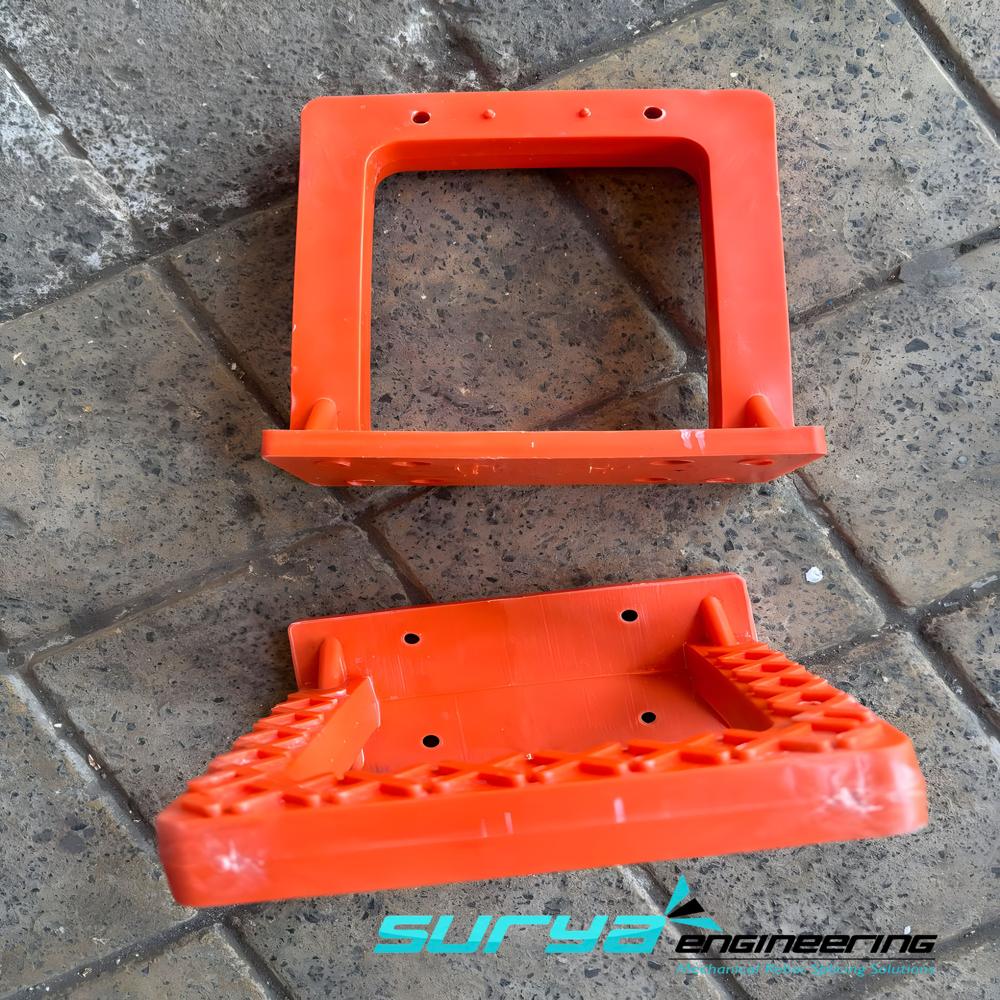
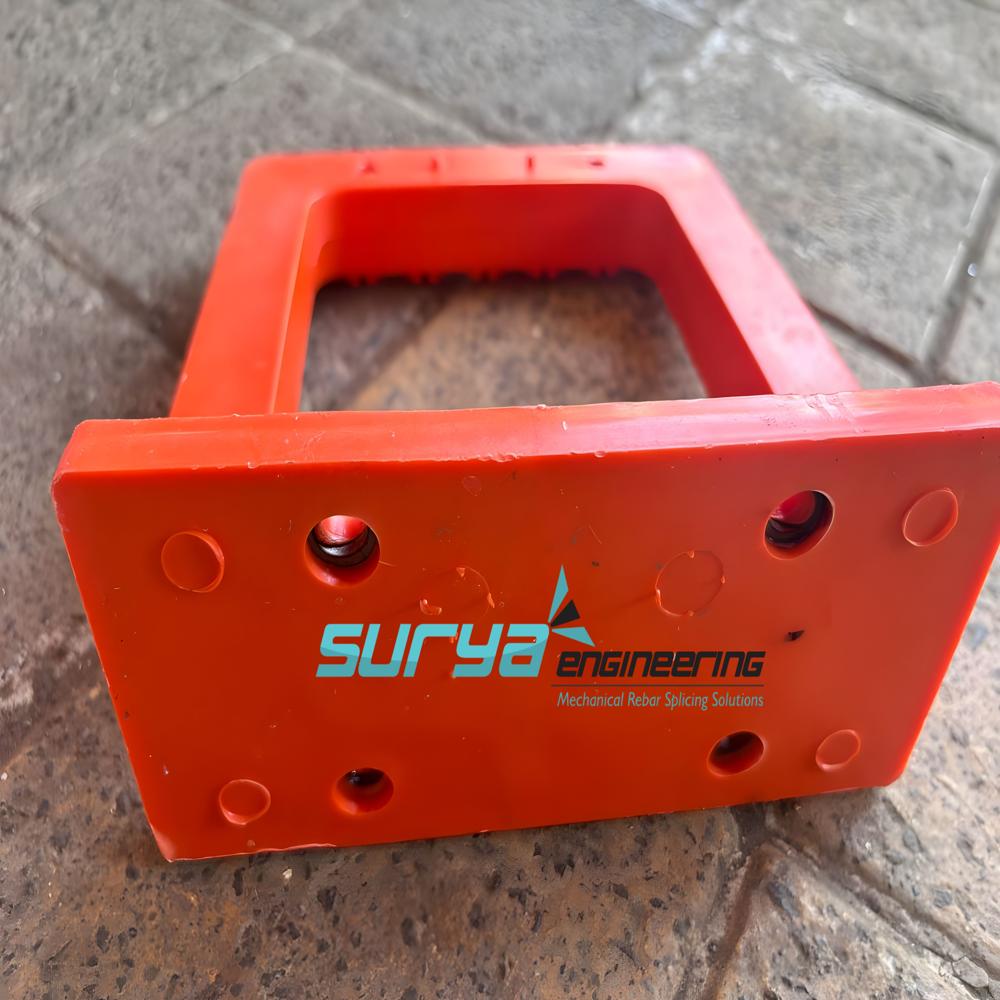
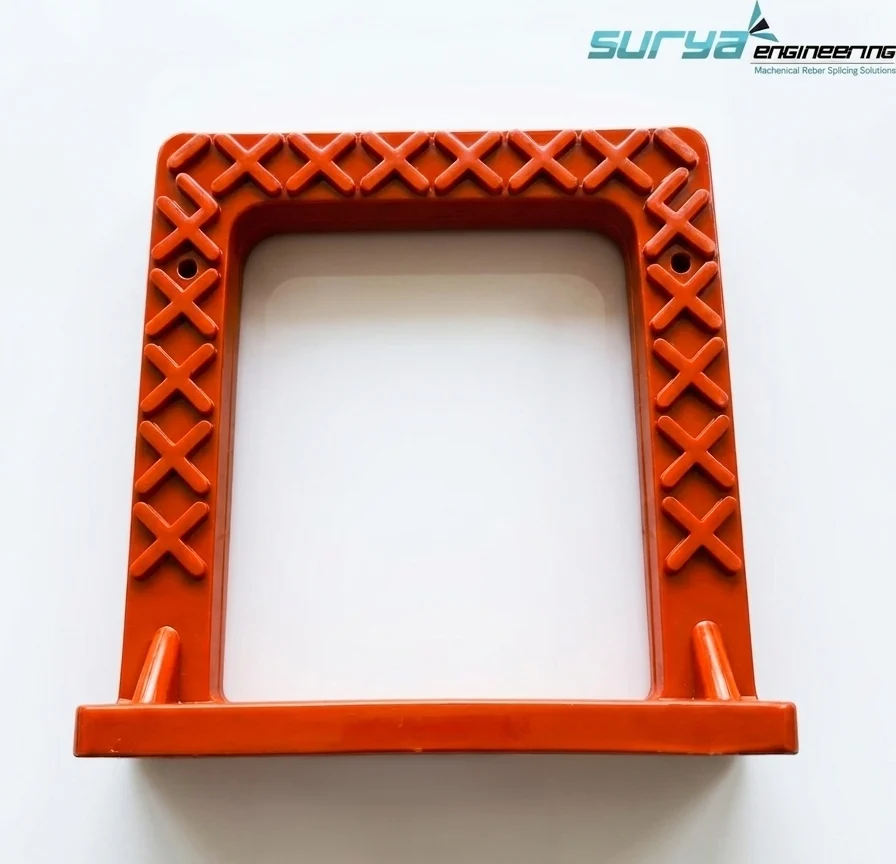
PVC Anchor Rungs are plastic-covered climbing steps that are fixed (anchored) into concrete or brick walls to form a permanent ladder inside manholes, chambers, pits and tanks. They are also known as PVC step irons, PVC manhole steps, plastic-coated ladder rungs or PVC encapsulated rungs.
Basic Concept
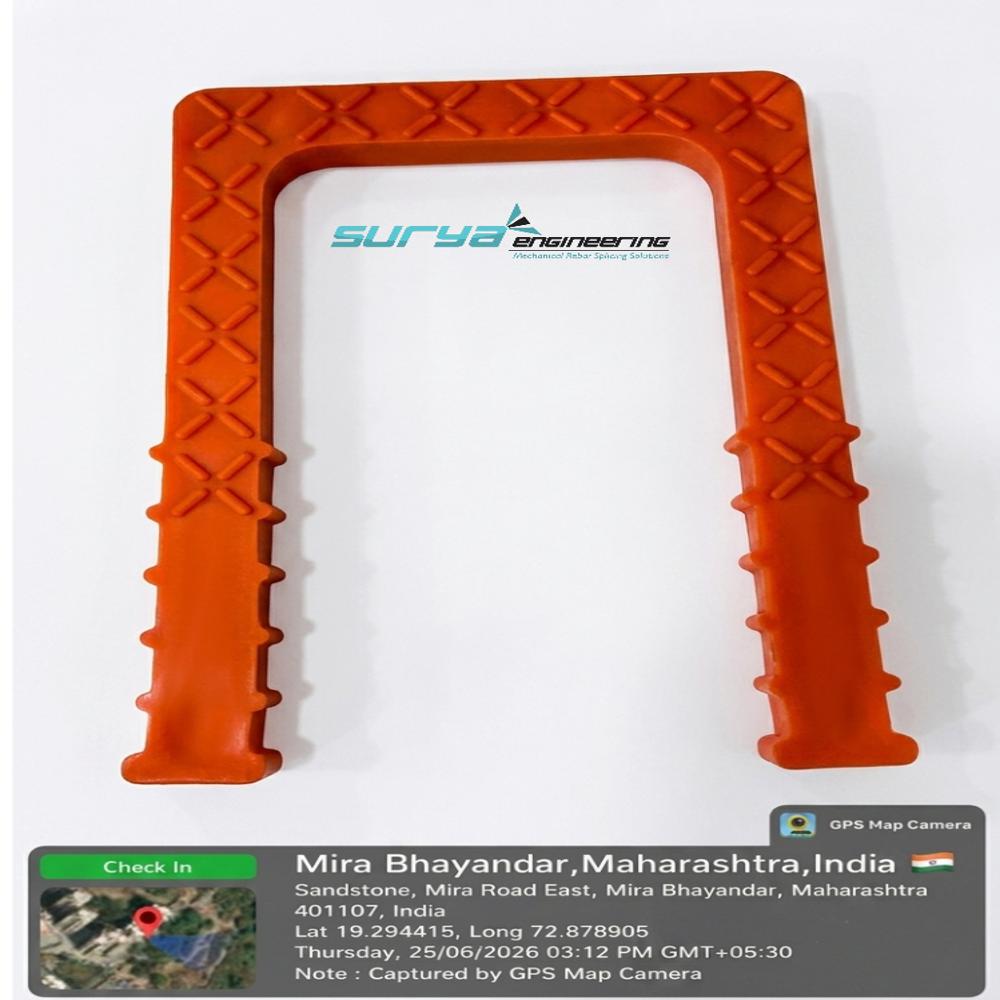
A PVC anchor rung is a U-shaped step made of two parts:
| Part |
Material |
Purpose |
| Core |
High-tensile steel bar (usually 1216 mm rebar) |
Carries the load of the person climbing |
| Outer layer |
PVC (polyvinyl chloride) or polypropylene, 36 mm thick |
Protects the steel from corrosion and gives grip |
The two legs (anchors) are embedded into the wall. The horizontal bar (tread) projects out of the wall for the hands and feet.
Why They Replaced Traditional Metal Rungs
Historically, manhole steps were made of cast iron or bare steel. However, underground sewers and water tanks are filled with moisture and highly corrosive gases (like Hydrogen Sulfide). Cast iron rungs would rust, decay, and snap under a worker's weight, leading to fatal accidents. PVC Anchor Rungs solve this problem because:
- Fully sealed coating: the plastic completely covers the steel, so water, sewage gas (HS), salts and chemicals cannot reach the metal.
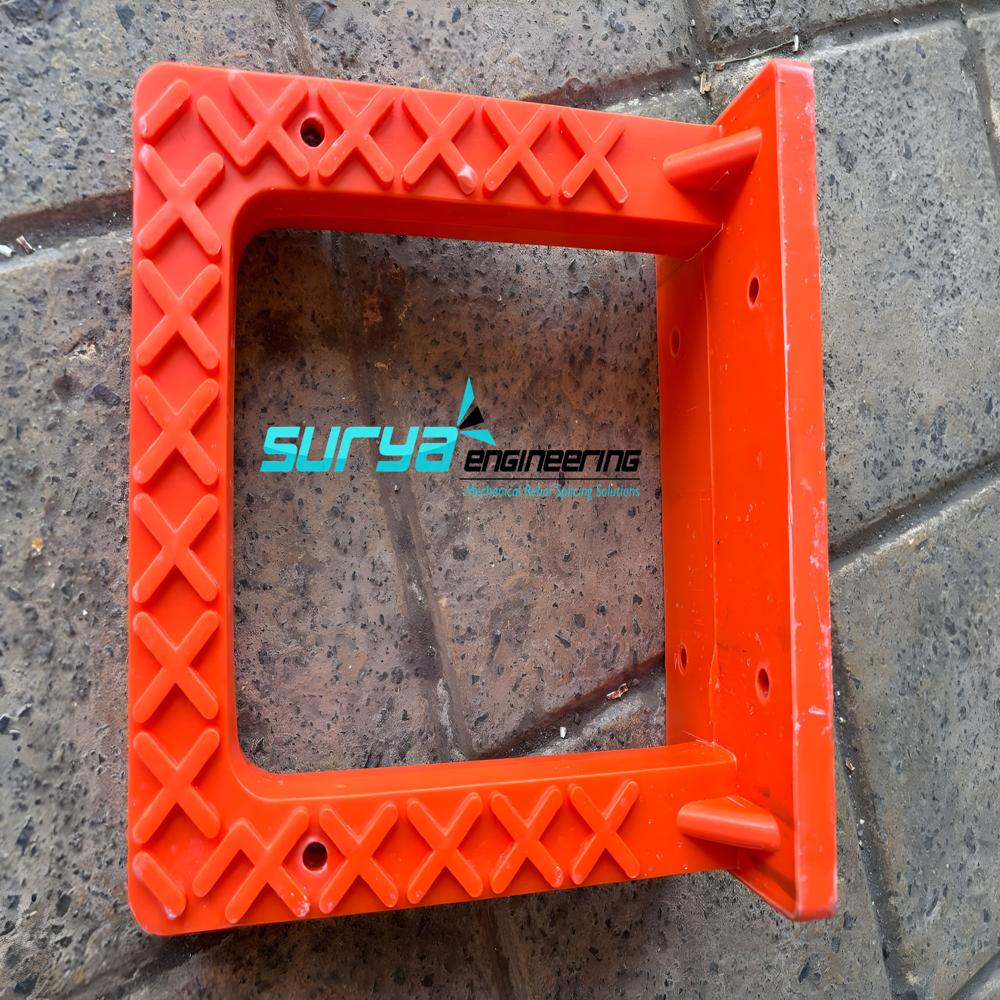
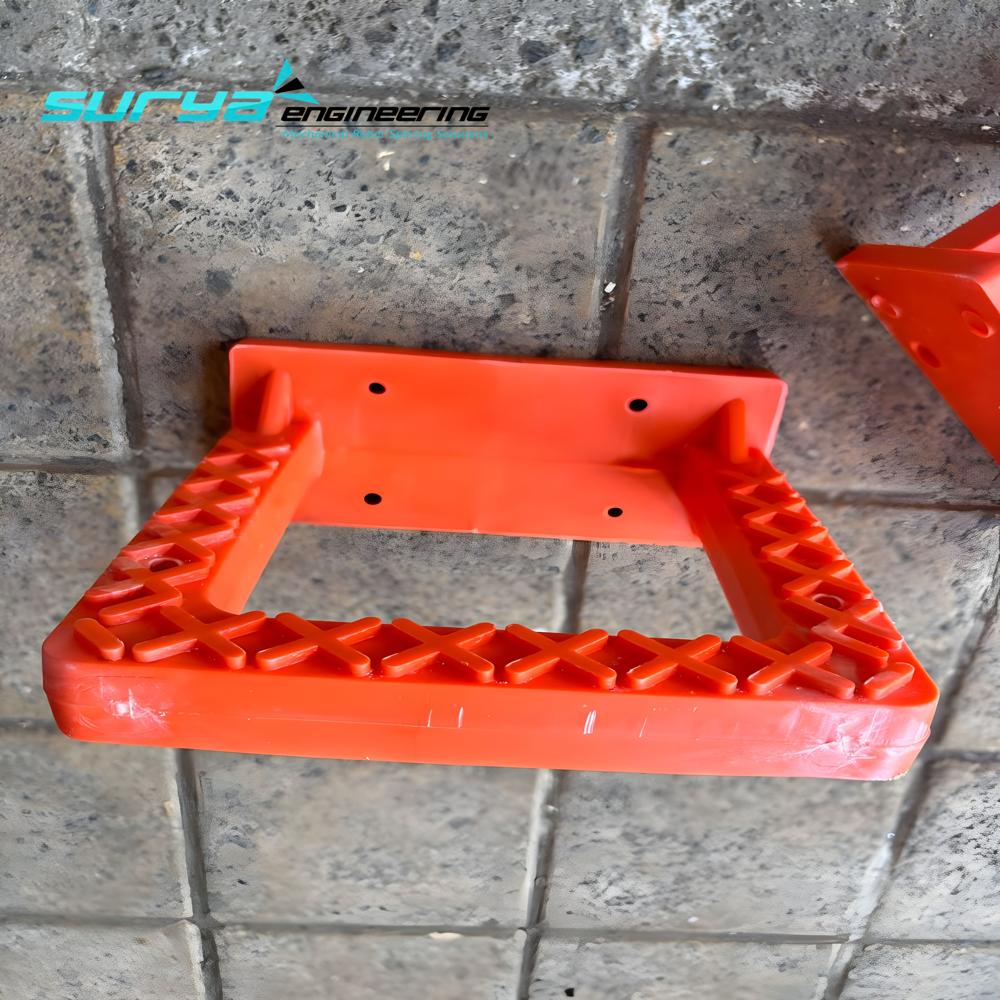
- Anti-slip tread: ribbed, serrated or dimpled top surface.
- End stops / side lugs: raised ends that prevent the foot sliding off sideways.
- Serrated anchor legs: ridges or barbs on the legs grip the concrete and resist pull-out.
- Tapered leg tips: allow easy driving into drilled holes.
- Bright colour: orange, yellow or black with reflective options for visibility in dark chambers.
- UV-stabilised plastic: does not become brittle in sunlight.
- Electrically non-conductive surface: safer in electrical and telecom pits.
Typical Specifications
| Parameter |
Typical Value |
| Tread width (overall) |
250 400 mm |
| Projection from wall |
100 175 mm |
| Leg embedment depth |
75 125 mm |
| Steel core diameter |
12 16 mm |
| PVC thickness |
3 6 mm |
| Vertical spacing |
250 300 mm centre to centre |
| Safe working load |
Approx. 150 kg (tested to higher) |
| Weight |
0.6 1.2 kg per rung |
| Colours |
Orange, yellow, black, grey |
Common Dimensions
While sizes can vary by region and standard (such as DIN 19555 or EN 13101), a typical PVC anchor rung has the following specs:
- Steel Core Diameter: 8mm, 10mm, or 12mm.
- Total Width: 250mm to 330mm (approx. 10 to 13 inches).
- Stepping Depth (Protrusion): 150mm to 175mm from the wall.
- Anchor Length (embedded in wall): 75mm to 120mm.
Types
By shape
- Standard U-rung: most common, general manhole use.
- Drop-front (D-type) rung: lowered front edge gives more secure footing.
- Single-leg / offset rung: for staggered ladders in narrow shafts.
- Wide rung: larger tread for big chambers and tanks.
By fixing method
- Cast-in rungs: placed in the mould before concrete is poured (precast manhole rings).
- Drive-in / press-fit rungs: hammered into pre-drilled holes in hardened concrete.
- Grouted / epoxy-fixed rungs: set with chemical anchor or grout, mainly for repair work.
Where They Are Used
- Sewer and drainage manholes
- Storm-water chambers and catch pits
- Water supply valve chambers and pump sumps
- Telecom, power and cable inspection pits
- Septic tanks and sewage treatment works
- Underground storage tanks and silos
- Precast concrete manhole sections
- Wells, bridge piers, dams and retaining walls
- Marine and coastal structures where corrosion is severe
Standards and Testing
Quality PVC anchor rungs are usually tested to one or more of:
- EN 13101 steps for underground man-entry chambers (Europe)
- BS EN 14396 fixed ladders for manholes
- ASTM C478 precast concrete manhole sections (step requirements)
- ASTM D4101 polypropylene material
- ASTM A615 steel reinforcing bar
- OSHA 1910 / 1926 ladder safety (USA)
- Local municipal / IS specifications (India)
Common tests
- Vertical load test no permanent deformation under the specified load
- Pull-out test rung must stay anchored in concrete
- Lateral load test resistance to sideways force
- Impact test coating must not crack, including at low temperature
- Coating integrity test no pinholes or gaps exposing steel
Installation
Cast-in method
- Fix rungs to formwork using a template at the required spacing.
- Check vertical alignment and level.
- Pour and vibrate the concrete carefully.
- Strip formwork after curing.
Drive-in method
- Mark hole positions with a template.
- Drill holes to the specified diameter and depth (slightly undersized for a tight fit).
- Blow out dust.
- Drive the rung in with a mallet until fully embedded.
- Check for firmness and level.
Good practice
- Keep spacing uniform (usually 300 mm).
- Maintain at least 100 mm clearance from the wall for toe space.
- Align all rungs vertically in a straight line.
- Place the top rung close to the manhole opening.
FAQ's of PVC Anchor Rungs:
Q: How should PVC Anchor Rungs be installed on a construction site?
A: PVC Anchor Rungs are designed for easy installation and can be fixed directly onto formwork or concrete structures, ensuring a secure and stable climbing aid during construction.
Q: What are the main benefits of using PVC Anchor Rungs over traditional rungs?
A: The PVC Anchor Rungs offer enhanced corrosion resistance, lighter weight, improved grip due to their smooth PVC coating, and superior load capacity, ensuring safe access even under heavy-duty conditions.
Q: When is it best to use PVC Anchor Rungs in construction projects?
A: These anchor rungs are most beneficial during the active stages of construction when safe and stable vertical access is required for workers to move between levels and carry equipment.
Q: Where can I source certified PVC Anchor Rungs for large-scale projects?
A: Certified PVC Anchor Rungs are available from leading distributors, exporters, and manufacturers in India, who dispatch and ship them with reliable supply and market value backed by quality certifications.
Q: What makes the PVC Anchor Rungs corrosion resistant and durable?
A: Their core steel construction is coated with robust PVC polymer, providing a barrier that resists corrosion and maintains smoothness, making them exceptionally durable for long-term use on construction sites.


 Send Inquiry




 Send Inquiry

 Send Inquiry
 Send SMS

 English
 Spanish
 French
 German
 Italian
 Chinese (Simplified)
 Japanese
 Korean
 Arabic
 Portuguese
