
Talk to us
08045811615
Talk to us
08045811615
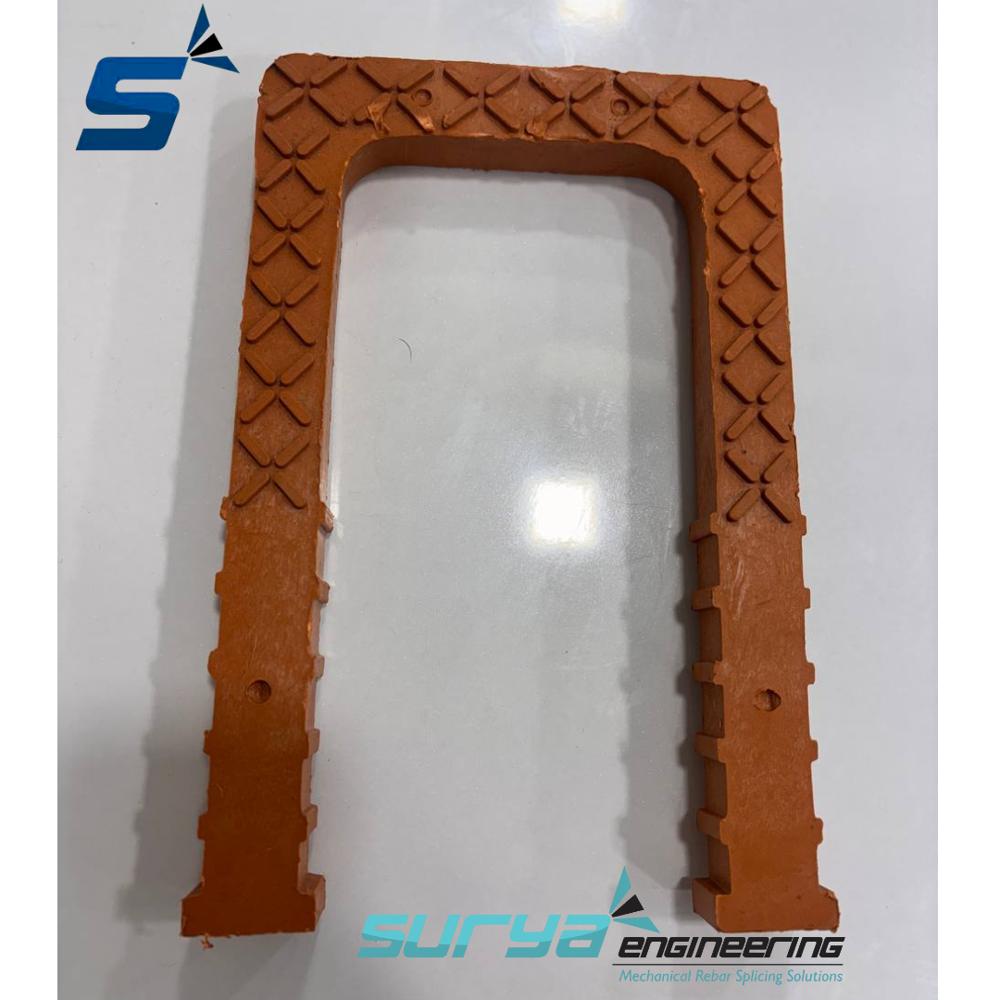
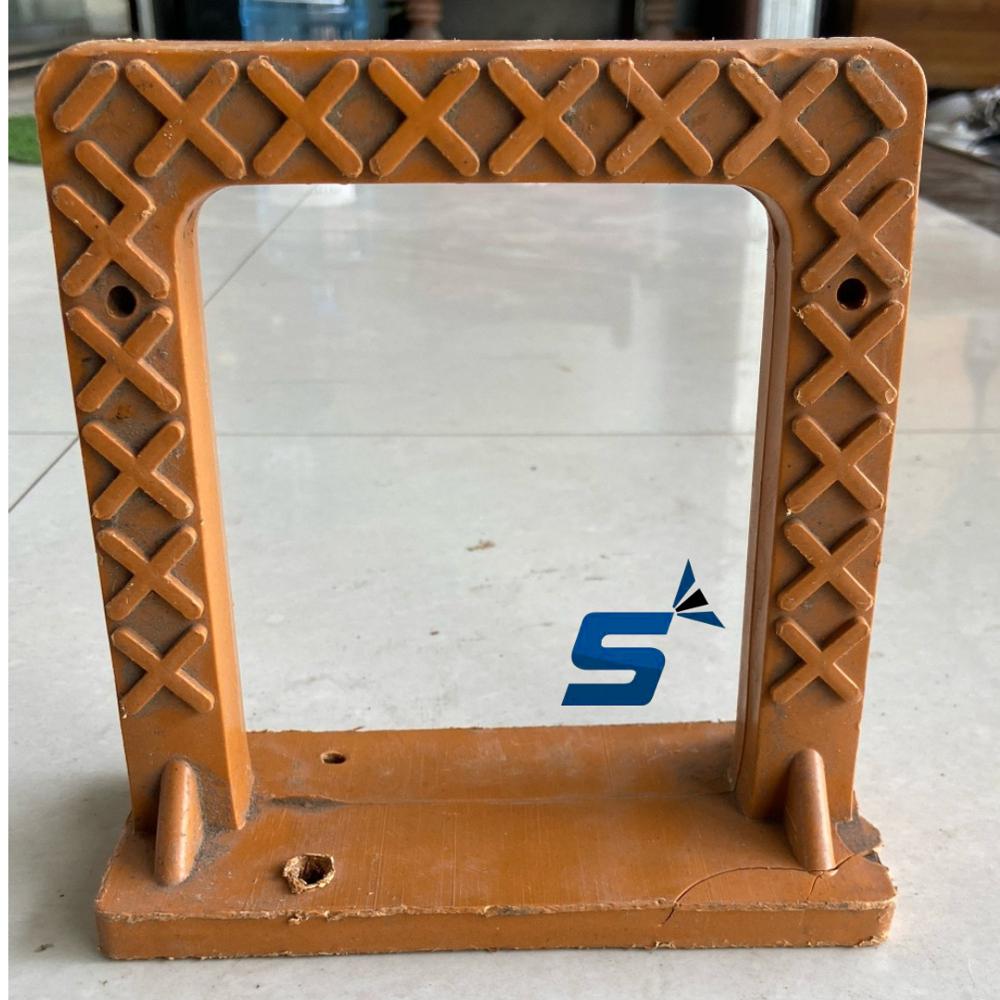
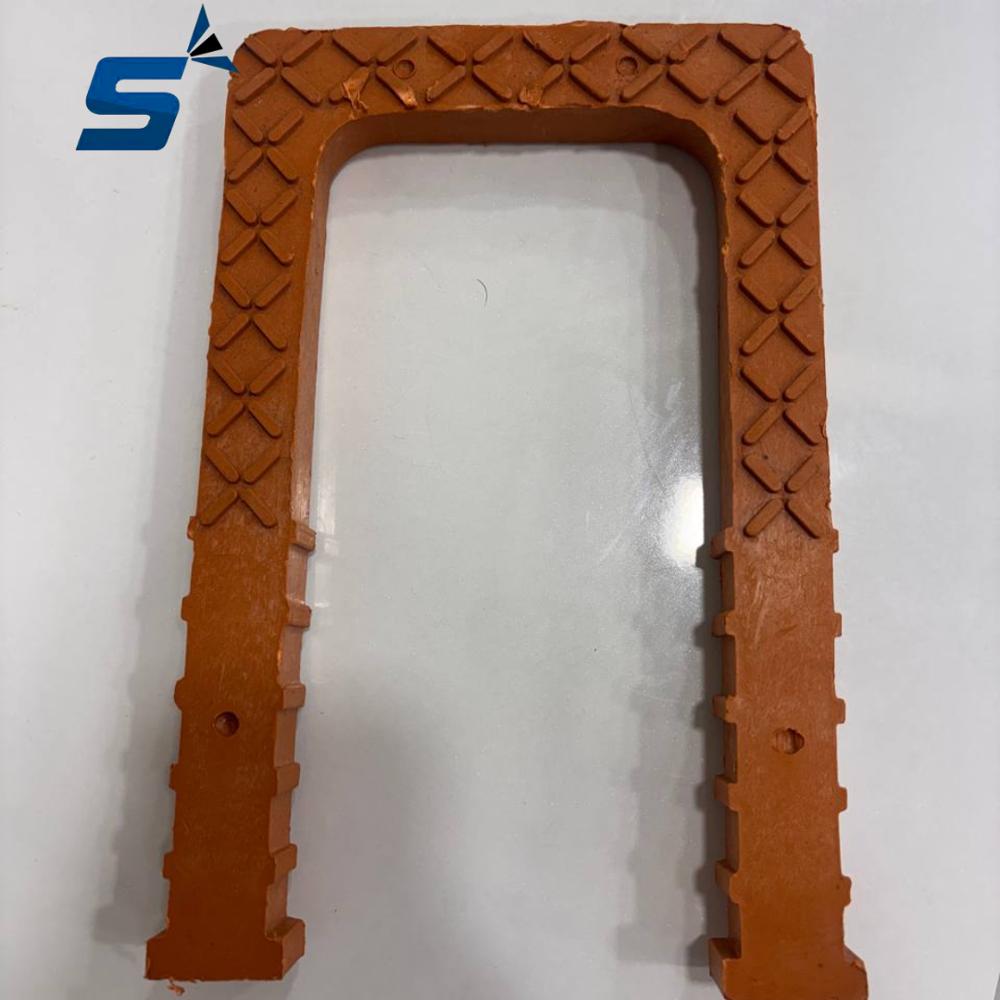
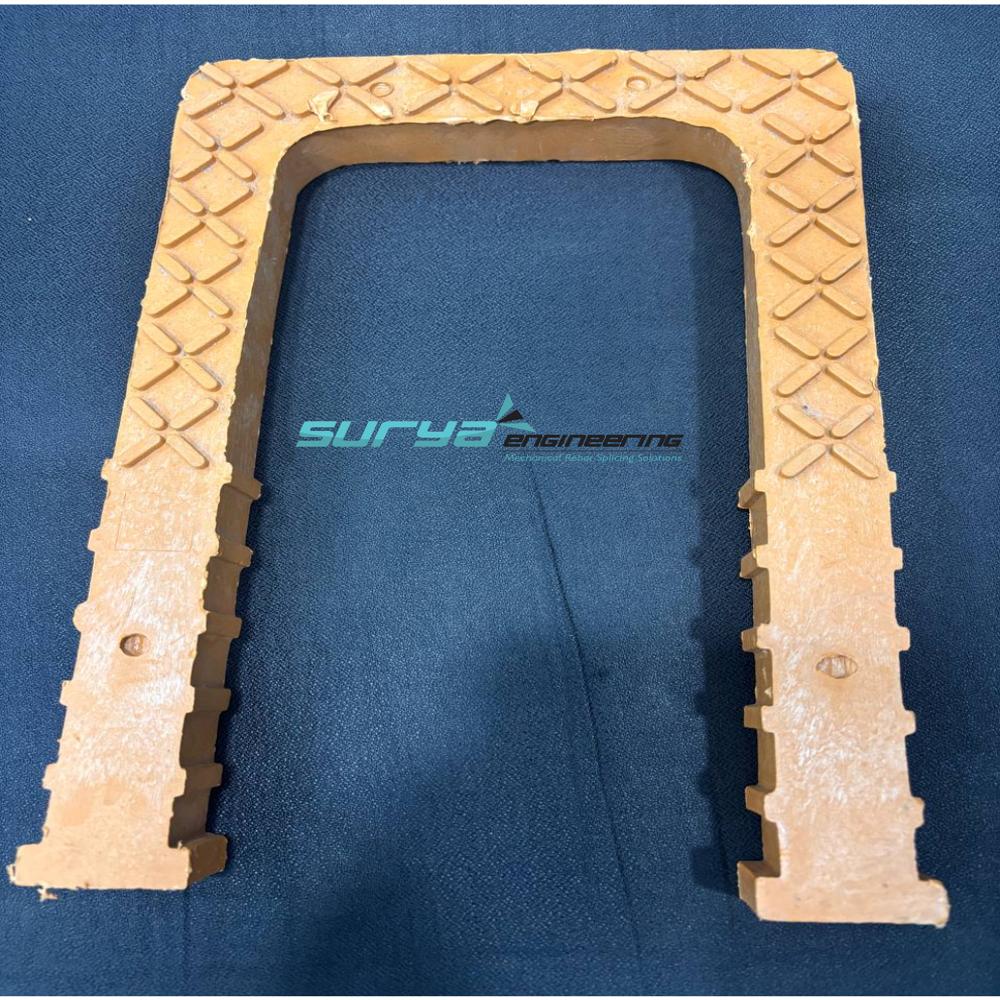
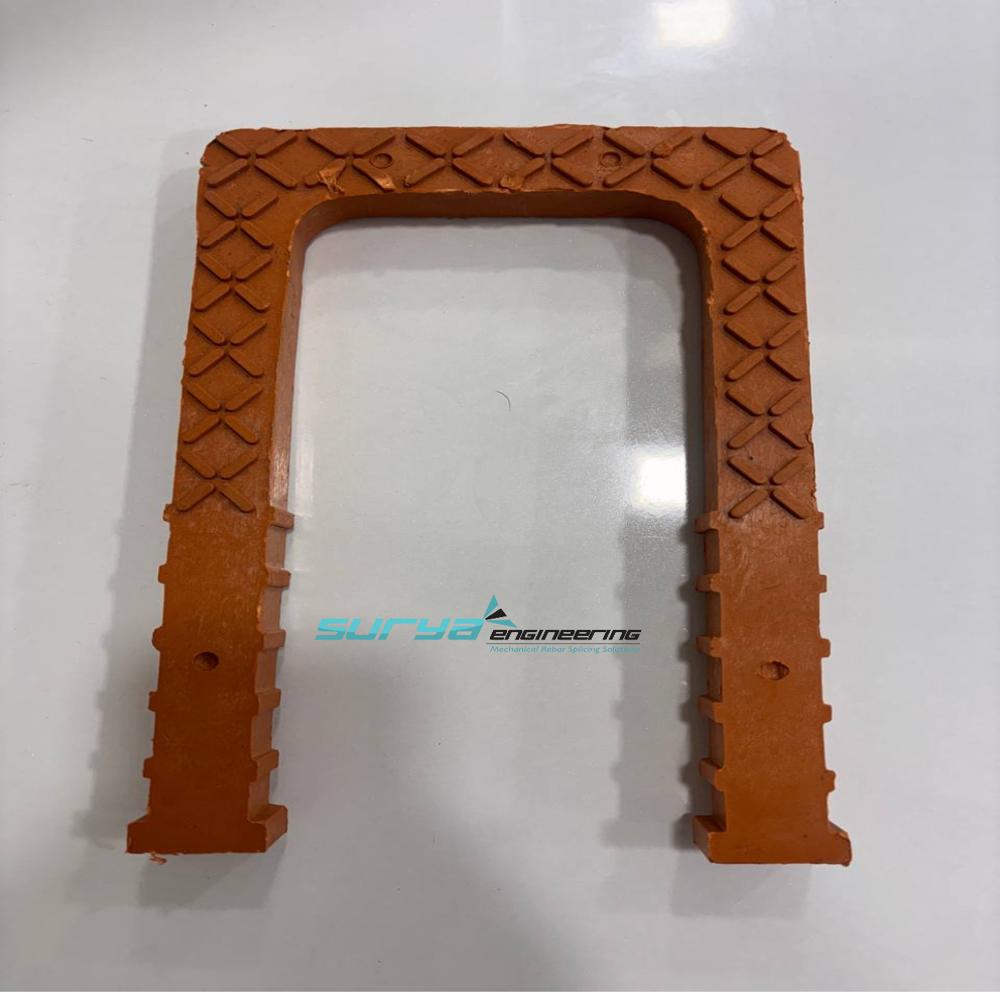

A rebar coupler, also known as a mechanical splice, is a specialized high-strength steel device used to connect two reinforcing steel bars (TMT rebars) end-to-end. By joining the bars, it creates a single, continuous load path, allowing the full tensile forces to transfer from one bar to the other seamlessly.
Think of it as a heavy-duty nut and bolt system for construction. Instead of tying two bars together with wire (lapping) or welding them, you simply screw the coupler onto the threaded ends of the bars to create a perfect joint.
In traditional construction, the standard practice for joining rebars is "lapping," where bars are overlapped and tied together with wire. However, in modern reinforced concrete (RCC) structures, lapping has several major drawbacks. This is where rebar couplers step in as a superior solution.
Here is why the Indian construction industry is rapidly shifting towards mechanical couplers:
Eliminates Bar Congestion: Lapping requires long overlaps (typically 40 to 60 times the bar diameter). In high-rise columns, this creates a "steel jungle" that concrete cannot properly penetrate, leading to honeycombing and structural weaknesses. Couplers eliminate this congestion entirely.
Superior Strength: A properly installed coupler provides a direct steel-to-steel connection. It offers 100% efficiency, meaning the splice is as strong as the rebar itself, making it ideal for earthquake-resistant (seismic) construction.
Steel Savings: Lapping wastes steel due to the huge overlap lengths. Couplers connect the ends precisely, saving up to 8-10% of steel costs on a project.
Faster Construction: While tying laps is slow and labor-intensive, installing couplers with threading machines takes seconds, significantly speeding up project timelines.
Surya Engineering manufactures a variety of couplers to suit every construction need. Based on the threading mechanism, they are broadly classified into two main types:
1. Parallel Thread Rebar Coupler (Rolled Thread)
Uses a cold-forging or rolling process to form a straight thread.
Provides enhanced fatigue resistance, ideal for dynamic loads like bridges and metro rails.
Provides a full-strength connection and is the standard choice for most general construction.
2. Tapered Thread Rebar Coupler
Features a conical (wedging) thread design.
Quick to install and self-aligning, which is useful for positional applications where the bar cannot be rotated.
3. Specialized Variants by Surya Engineering:
Reducer Coupler: Used to connect two rebars of different diameters (e.g., transitioning from a 25mm bar to a 20mm bar).
Position Coupler (L.H./R.H.): Used when neither bar can be rotated (like in existing foundations). It has one left-hand thread and one right-hand thread.
Weldable Coupler: Designed to connect rebar to steel plates or steel structures.
Cold Forged Coupler: A premium variant where the bar end is expanded before threading, ensuring no loss of cross-sectional strength.
From the Northern Himalayas to the Southern coastlines, rebar couplers are the backbone of India's core construction sectors. Surya Engineering supplies these vital components to projects across the nation:
High-Rise Buildings & Skyscrapers (Mumbai & NCR): Essential for vertical columns to avoid lap splices in high-stress zones, ensuring seismic compliance.
Metro Rail Projects (Delhi, Mumbai, Chennai, Kolkata): Used for viaducts, elevated corridors, and station structures where fatigue resistance is key.
Bridges & Flyovers (Bandra-Worli Sea Link, etc.): Provides continuity in massive girders and foundations.
Nuclear & Thermal Power Plants: Required for heavy-duty foundations and containment structures due to strict safety standards.
Industrial Sheds & Dams: Used for massive foundations where lapping is impractical.
For a mechanical splice to perform at 100%, the installation must be precise. Here is the standard step-by-step process followed at Surya Engineering sites:
Step 1 Cutting: The rebar ends are cut perfectly square (90 degrees).
Step 2 Threading: Using a heavy-duty rebar threading machine, a thread is rolled or cut onto the ends.
Step 3 Cleaning: The threaded ends are cleaned of dust or metal shavings to ensure a tight fit.
Step 4 Connection:
For parallel threads: The coupler is screwed onto the first rebar, then the second rebar is screwed into the other side of the coupler.
For positional bars: The coupler is tightened by rotating the coupler itself until it centers on both ends.
Step 5 Torque Tightening: A calibrated torque wrench is used to tighten the connection to the manufacturer's specified torque to ensure no slippage.
Pro Tip: For critical seismic zones (Zone IV & V in India), always ensure your installers are trained and the installation is inspected with a Go/No-Go gauge.
Safety is non-negotiable. In India, mechanical splices for rebars must conform to IS 16172:2023 (revision of the 2014 code). Surya Engineerings products are designed to meet and exceed these benchmarks.
Mandatory Tests under IS 16172:
Static Tensile Test: The coupler must achieve at least 125% of the specified yield strength of the rebar. For Fe500, this means the joint should fail at 625 N/mm or more.
Slip Test: Measures the relative movement between the bar and coupler under load. Limits are strictly defined to ensure no play exists.
Cyclic Tensile Test: Simulates earthquake forces (loading and unloading) to ensure the coupler can handle dynamic stress.
Fatigue Test: Evaluates performance under repeated loading (2 million cycles), crucial for bridges and metro projects.
Classification: IS 16172 classifies couplers into:
Class H: Passes both low-cycle and high-cycle fatigue tests (required for tall buildings).
Class L: Passes only low-cycle fatigue tests.
Surya Engineering uses high-grade EN-8 steel and maintains strict quality control from raw material to finished product to pass these rigorous NABL lab tests.
Choosing the right coupler directly impacts the strength of your structure. Here are the distinct advantages of using our system:
Full Ductility: The splice maintains the flexibility of the steel bar, allowing it to stretch under tensioncritical for absorbing energy during an earthquake.
Independent of Concrete Grade: Unlike lap splices that rely on concrete bonding, the coupler's strength is mechanical, making it independent of whether you are using M20 or M40 grade concrete.
Easy Inspection: It is easy to visually inspect a coupler joint. If the bars are fully inserted and flush, the joint is secure, whereas lap splices can be easily tied incorrectly.
Cost-Effective: While the upfront cost per piece might be higher than a few kilograms of binding wire, the overall project cost goes down due to massive savings in steel, labor, and time.
Based in Mumbai and catering to the nation, Surya Engineering has established itself as a leading manufacturer and exporter of rebar splicing systems. Since our establishment in 2006, we have dedicated ourselves to empowering Indian infrastructure with smart, safe, and efficient solutions.
"Pan-Location India" Reach: We understand that quality cannot be compromised from Kashmir to Kanyakumari. Our logistics network ensures timely delivery of couplers and threading machines to any corner of India.
Made in India: All our couplers are manufactured in our state-of-the-art Mumbai facility, supporting the "Make in India" initiative while keeping international quality standards.
Customization: We offer customization for special diameters (12mm up to 50mm) and specific torque requirements.

Price:
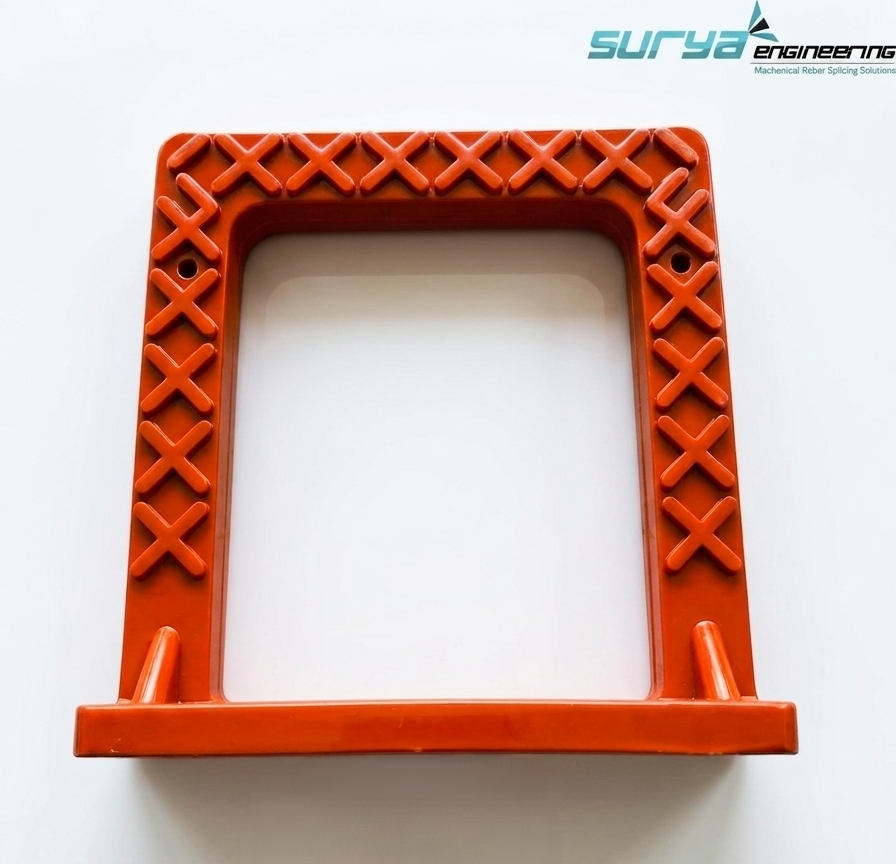
Price 72.0 INR / Piece
Minimum Order Quantity : 1 Piece
Product Type : PVC Coated Steel Step / Encapsulated Rung
Color : Black / Bright Orange / Yellow
Usage : Industrial & Civil Infrastructure (Manholes, Water Tanks, Drainage Chambers)
Warranty : 1 years
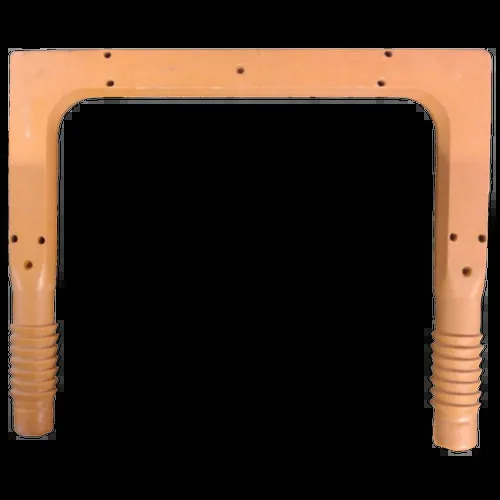
Price 124.0 INR / Piece
Minimum Order Quantity : 100 Pieces
Product Type : PVC footstep
Color : Orange
Usage : MAnhole, Underground
Warranty : 1 years
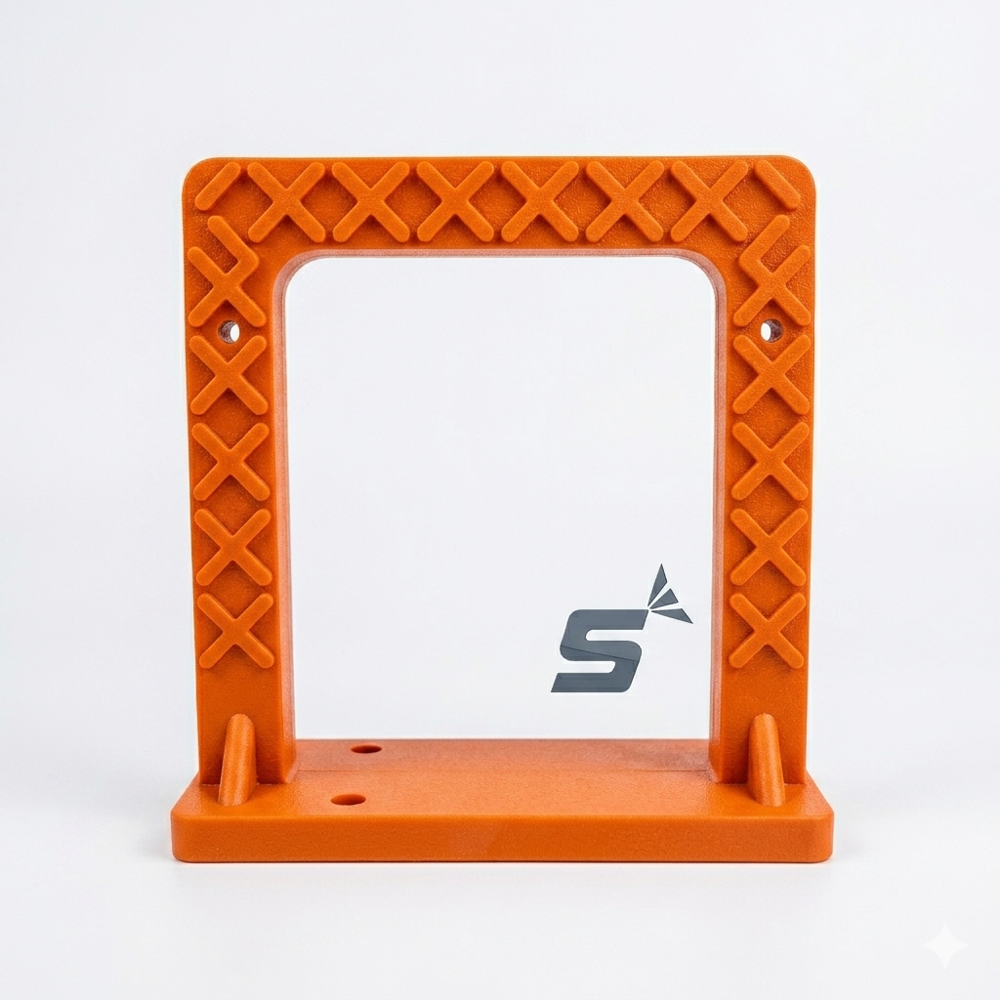
Price 180.0 INR / Piece
Minimum Order Quantity : 10 Pieces
Product Type : PVC, Rungs
Color : Orange
Usage : Manhole
Warranty : 1 years
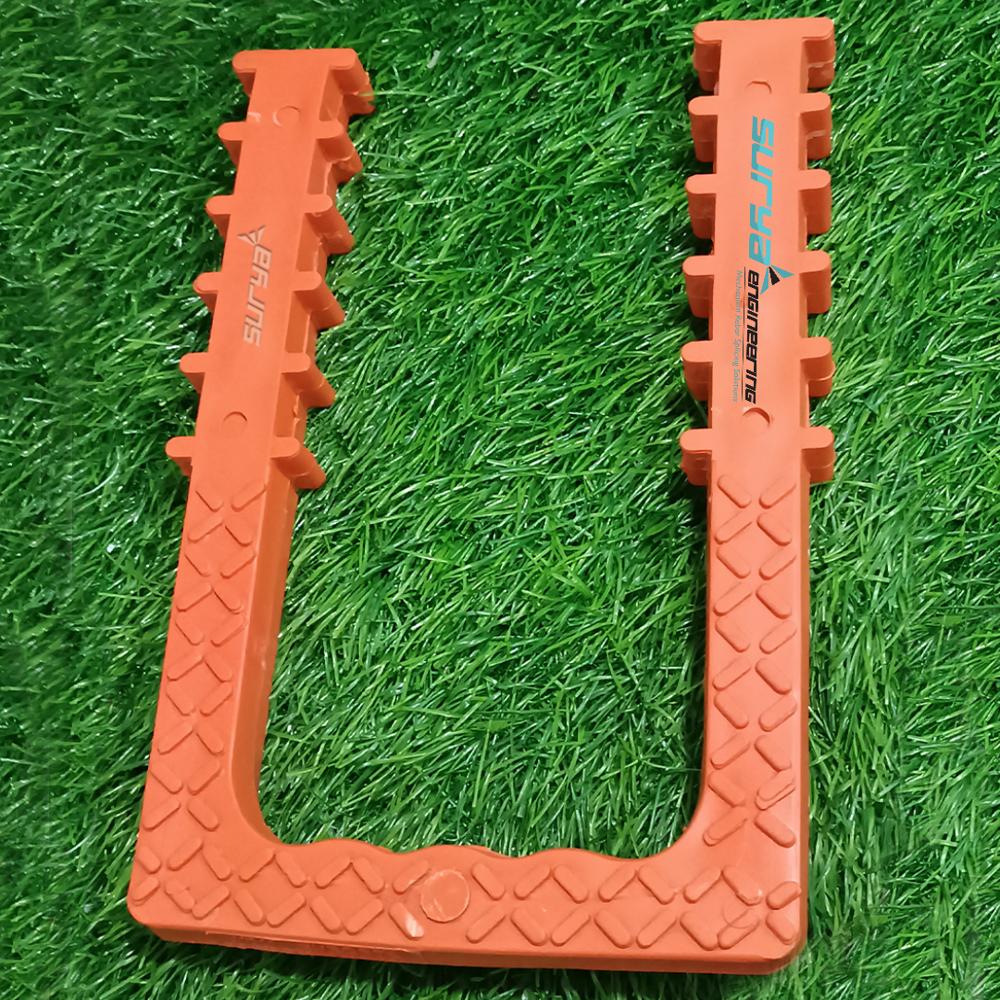
Price 90.0 INR / Piece
Minimum Order Quantity : 10 Pieces
Product Type : PVC Coated / PVC Encapsulated Rung
Color : Orange / Black / Yellow
Usage : Manholes, Sewer Chambers, Water Tanks & Utility Chambers
Warranty : 1 years





 Send Inquiry