
Talk to us
08045811615
Talk to us
08045811615
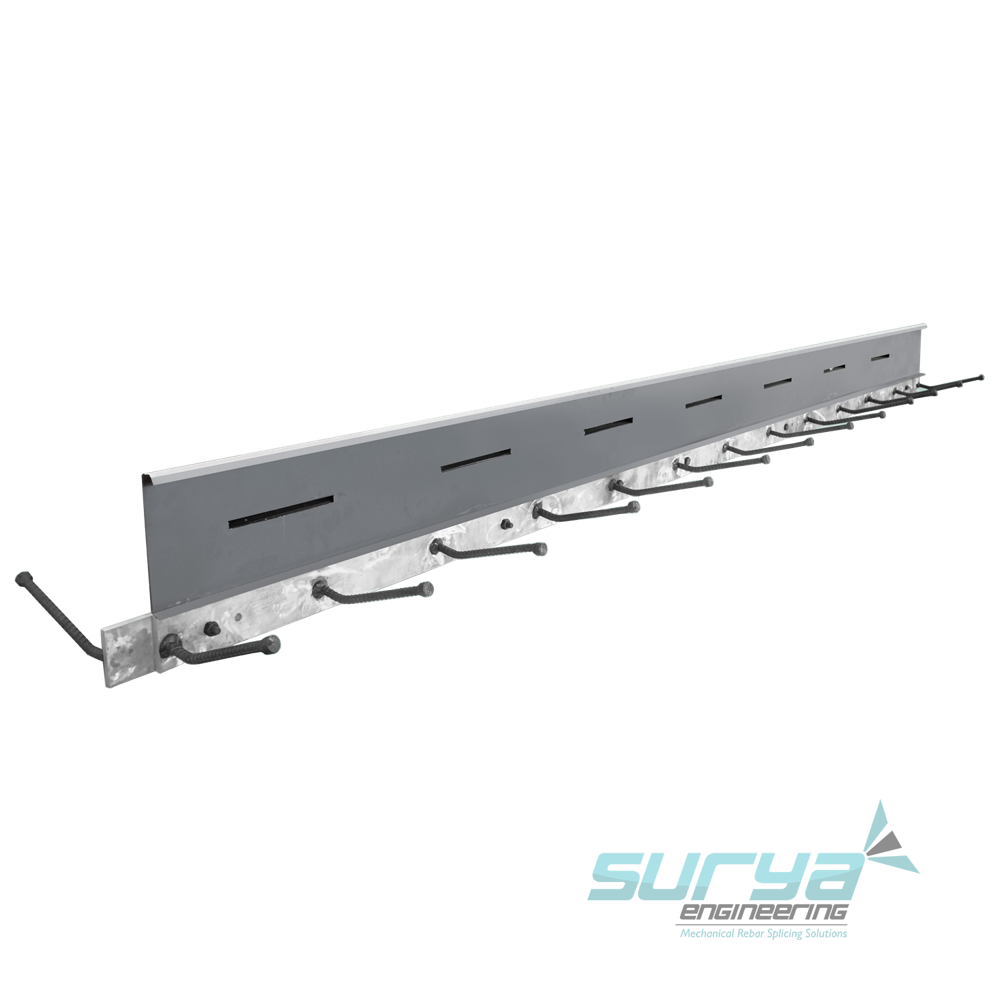
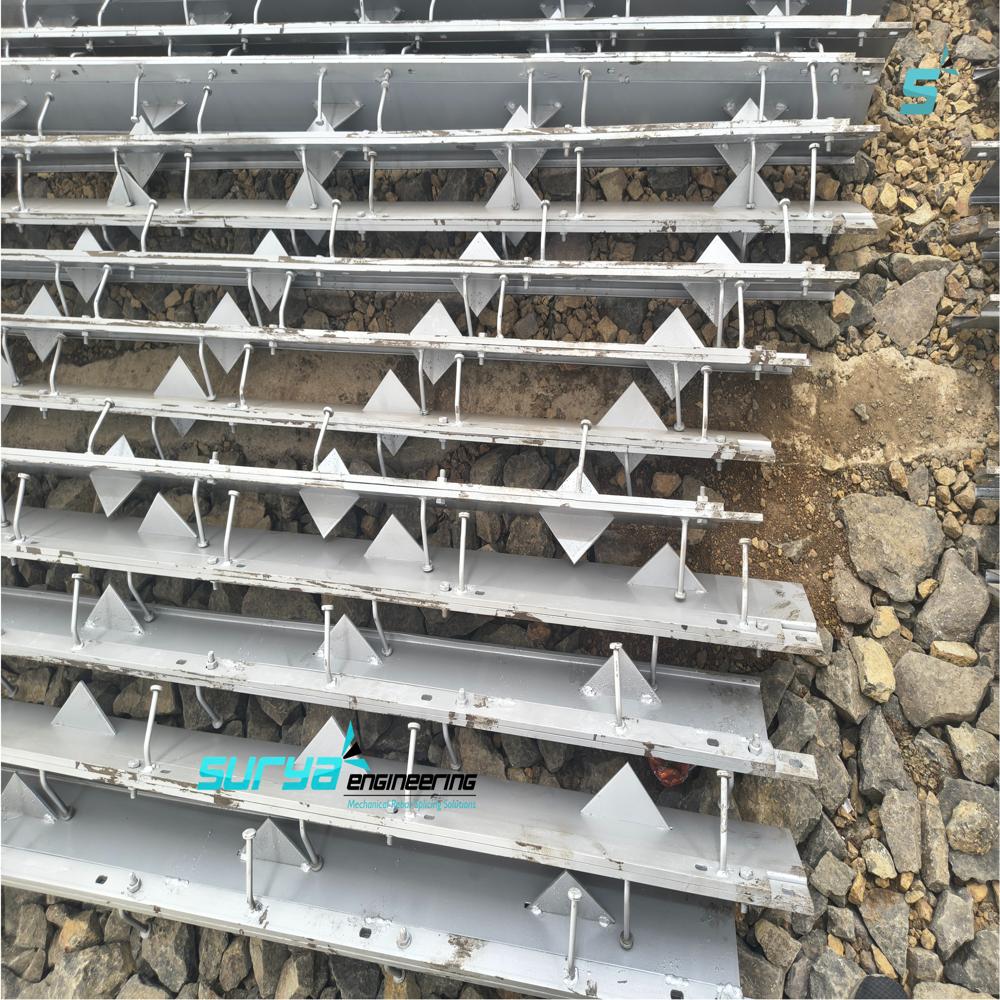
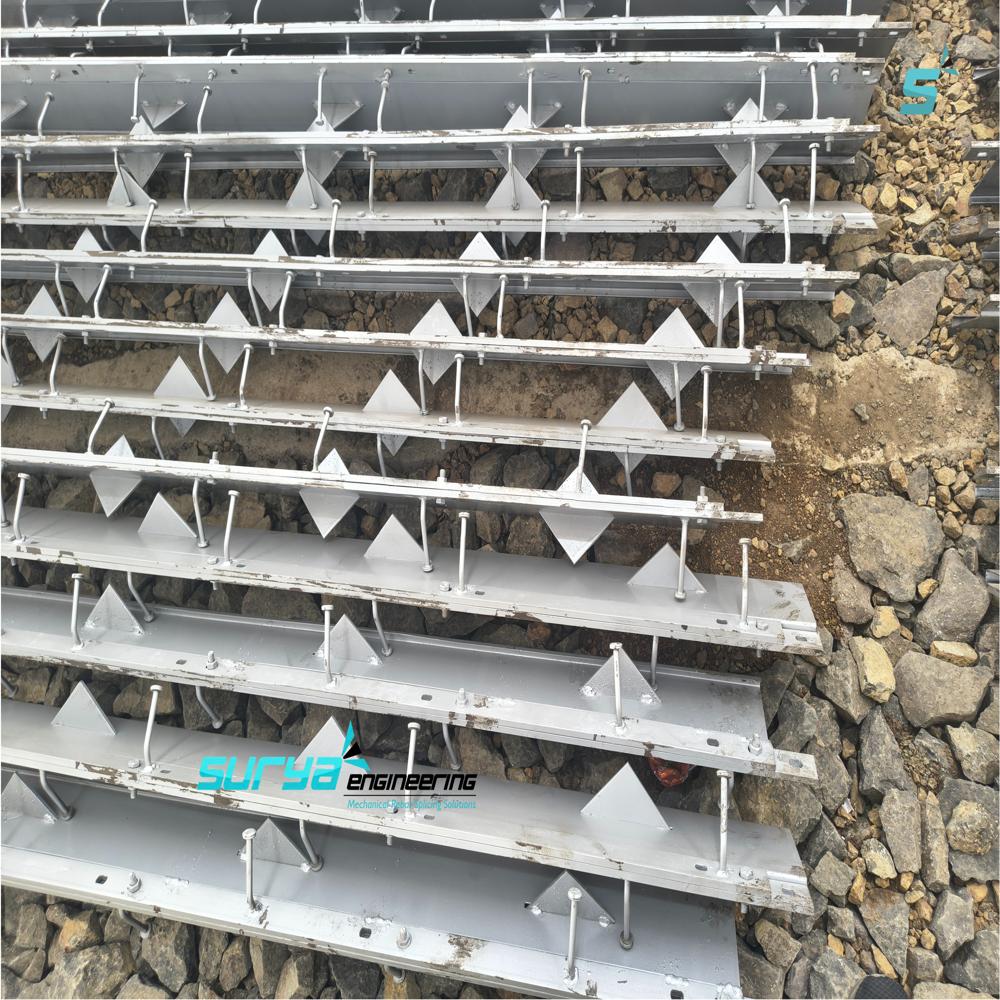
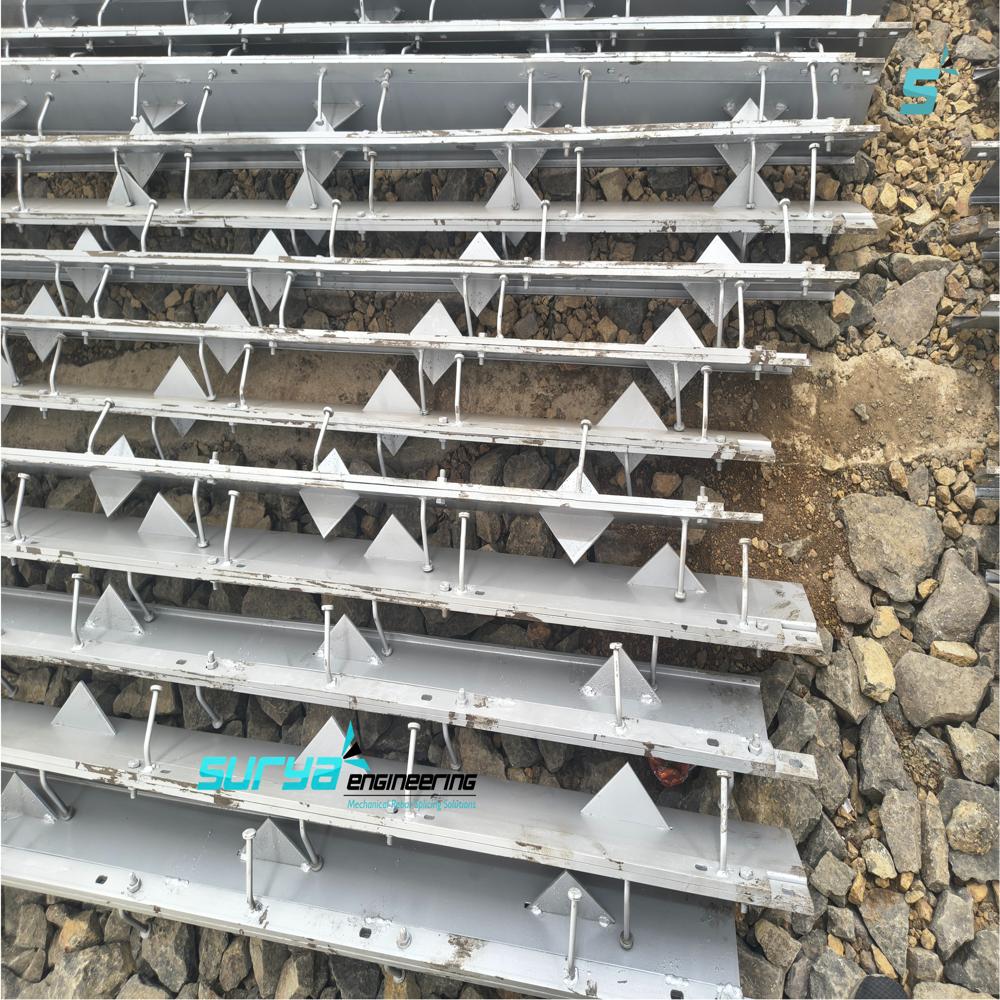
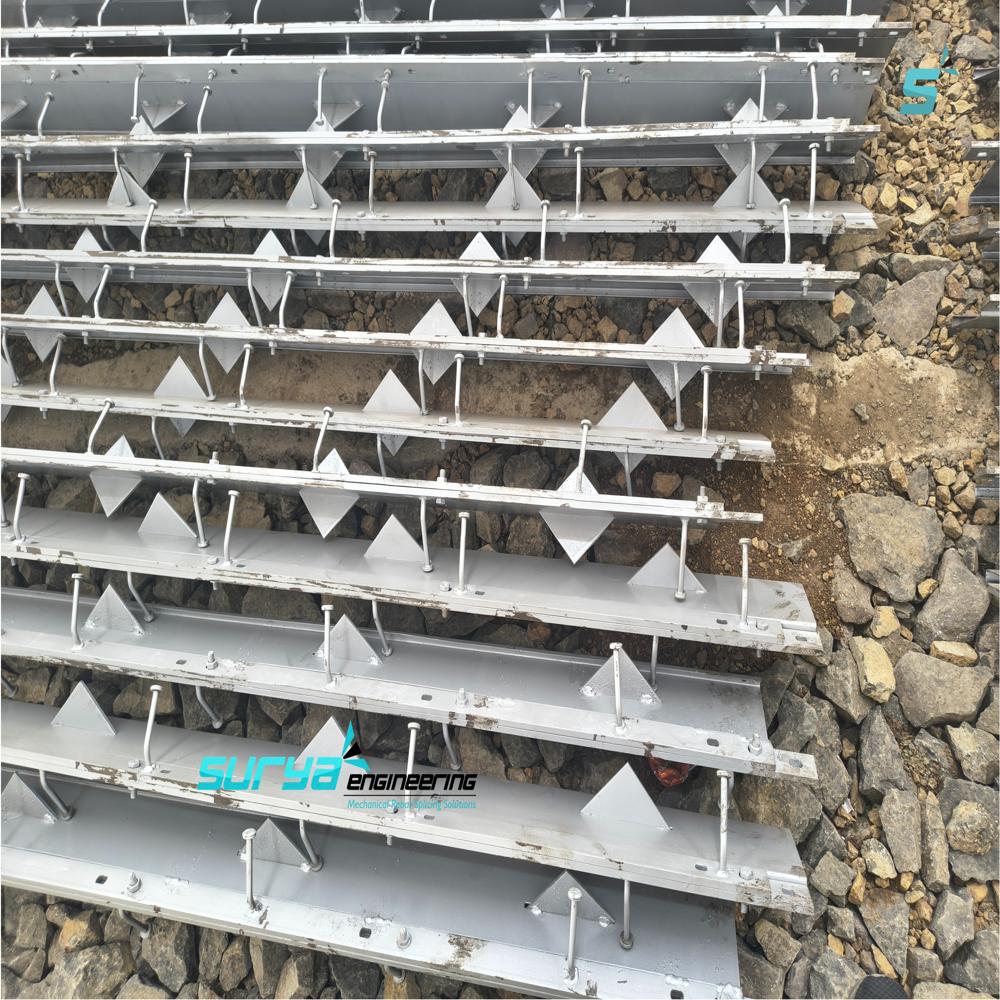
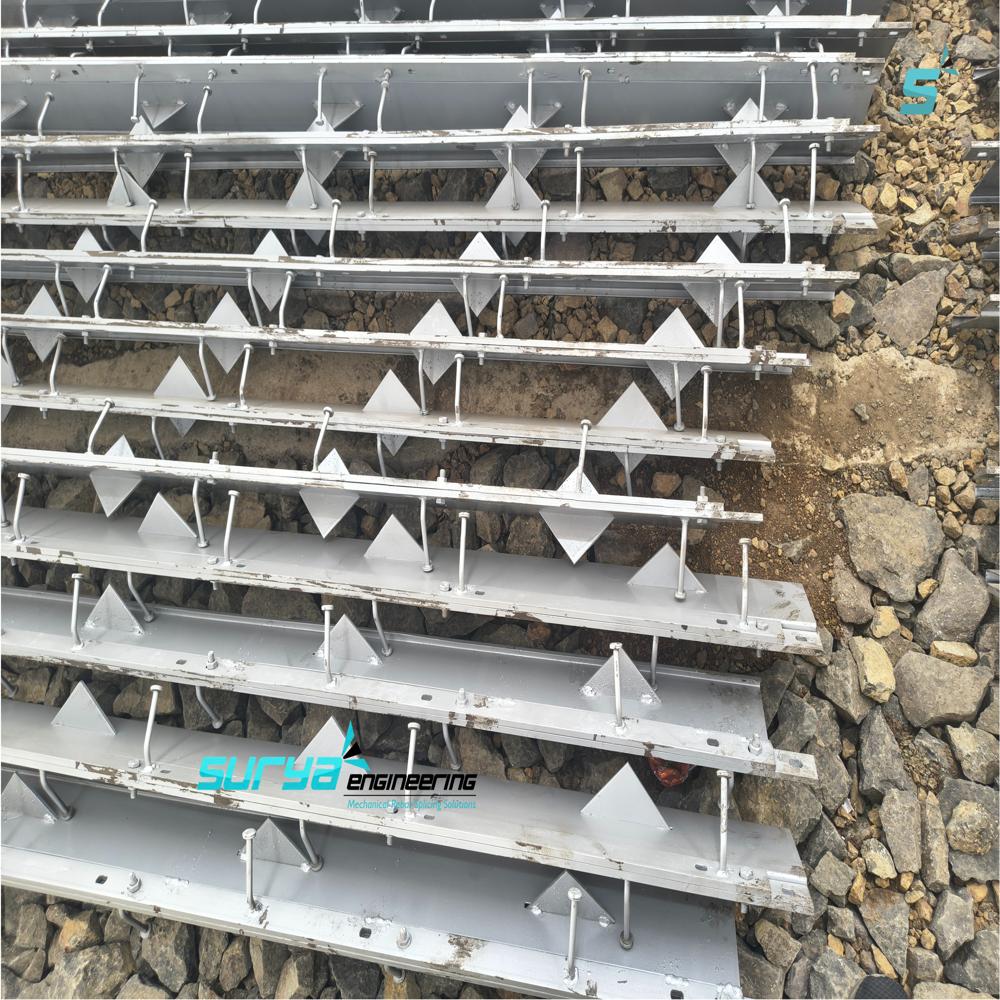
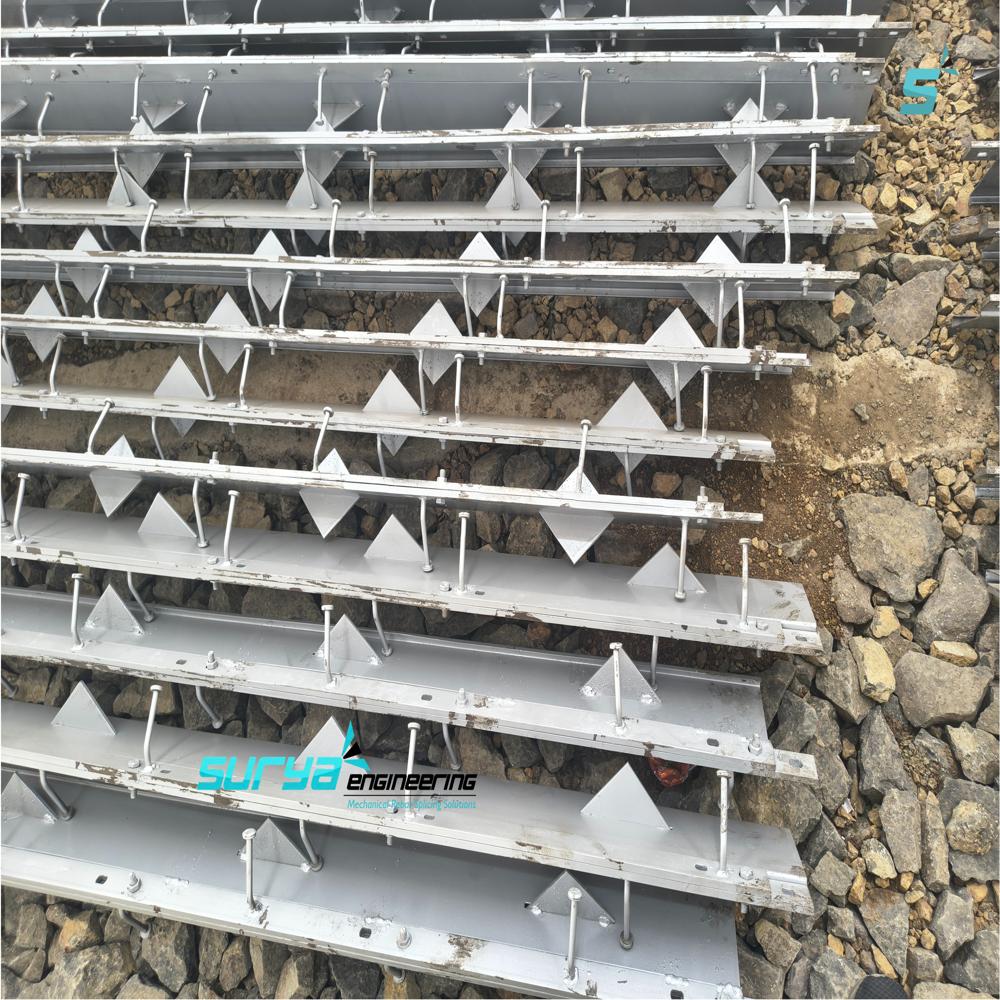
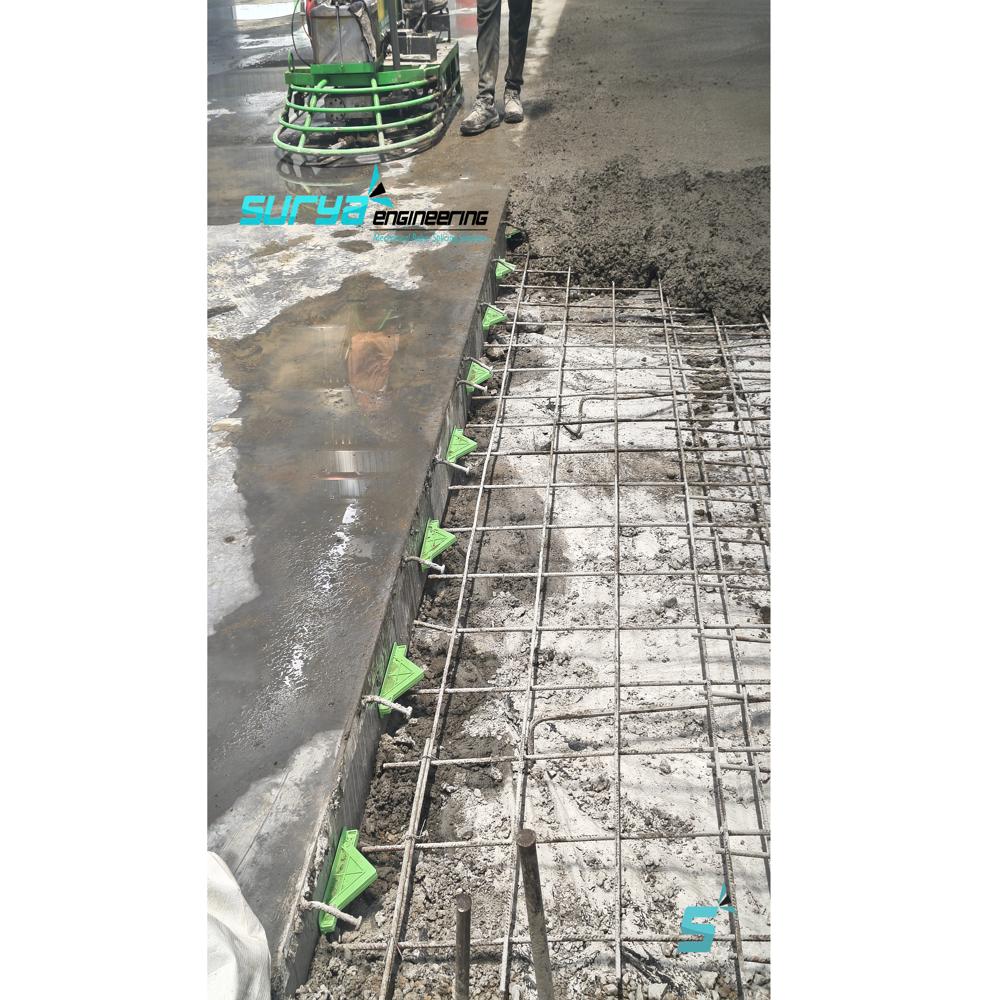
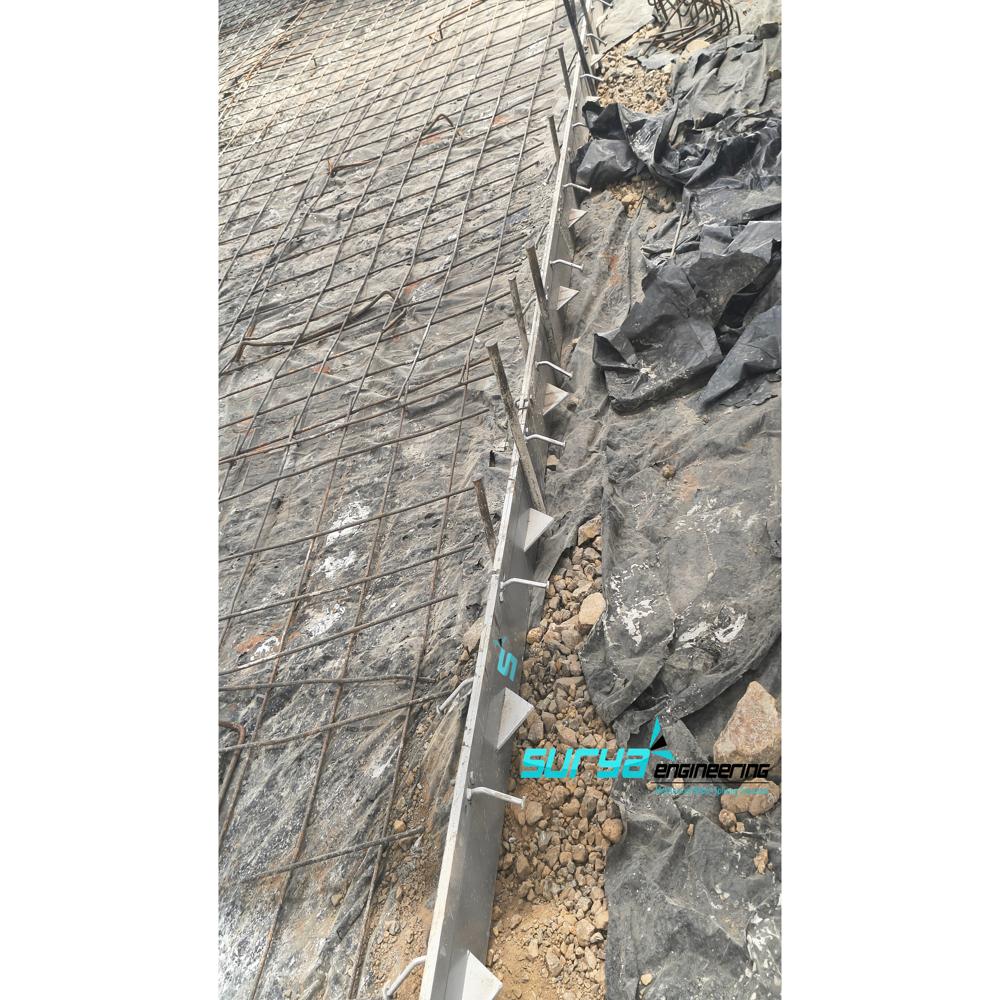
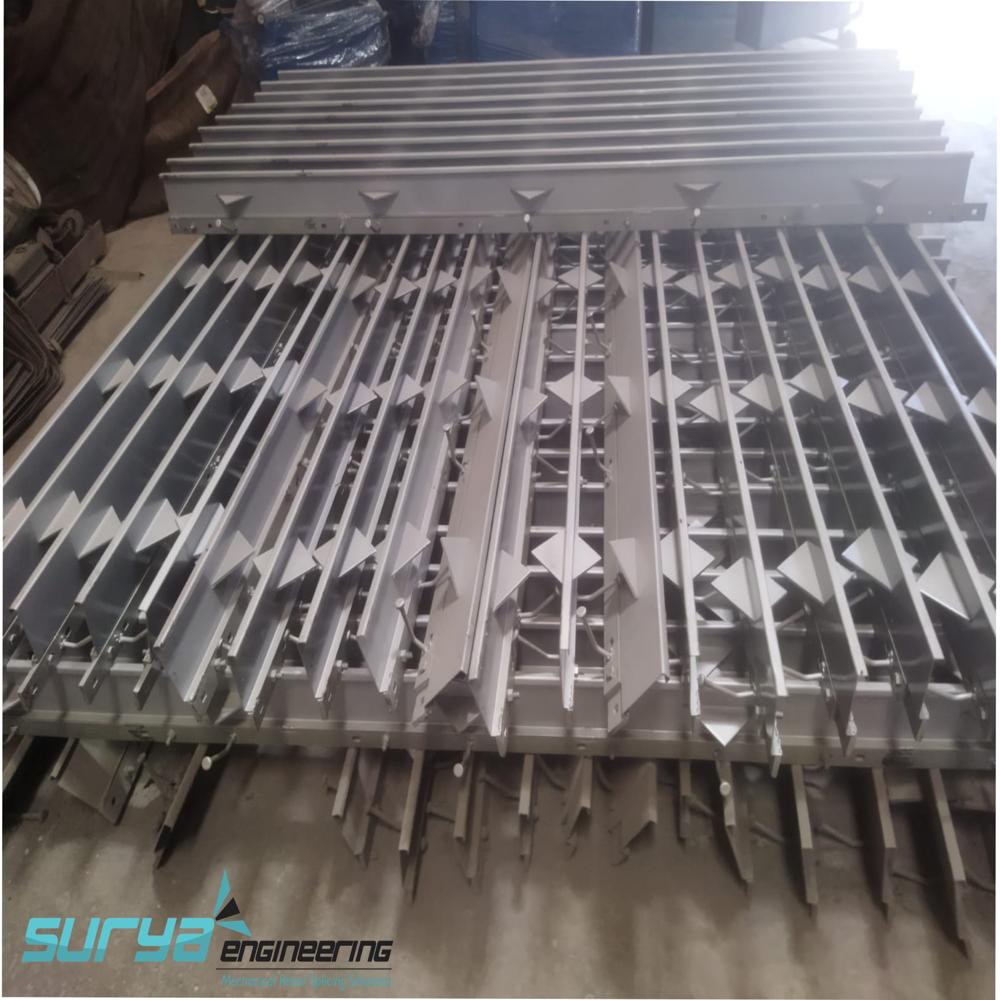
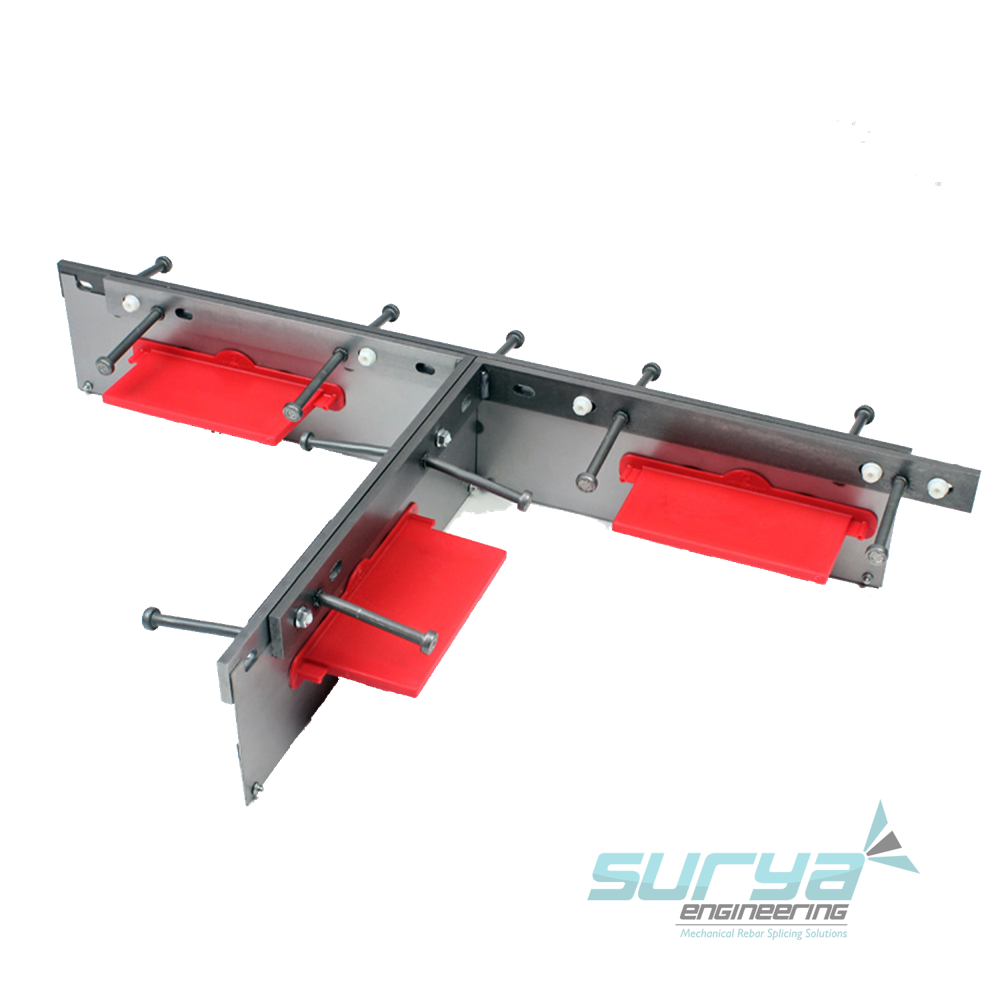

An Armour Joint is a pre-engineered, permanent steel system that acts as both a heavy-duty protective edge profile and a load transfer mechanism for concrete floor joints.
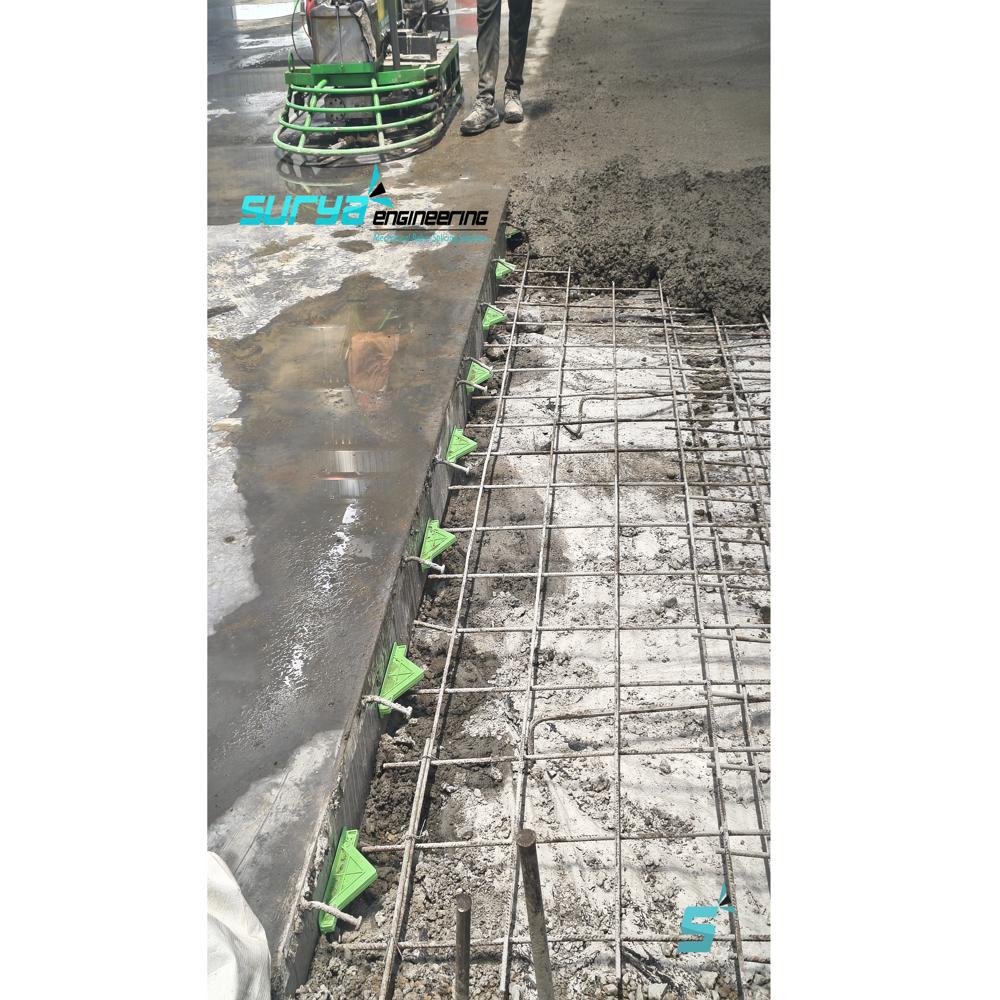
In essence, it is a high-strength steel sectiontypically cold-drawn or galvanizedplaced at a construction or contraction joint. Its primary role is to protect the vulnerable arris (the sharp edge of the concrete) from impact damage by heavy forklifts or wheeled traffic. Furthermore, it acts as a leave-in-place formwork, creating a secure boundary during the concrete pour while also containing a dowel or plate system to transfer loads evenly between adjacent concrete slabs.
Traditional joints in concrete floors, especially those under heavy load, suffer from three major issues: spalling (chipping of the edge), uneven settlement (vertical movement between panels), and random cracking.
Armour joints are used to eliminate these common failure points by:
Preventing Edge Spalling: The steel armouring creates a solid barrier that effectively absorbs impact from daily operations, protecting the concrete edge.
Eliminating Vertical Displacement: The integrated dowel system keeps slab edges flush, creating a smooth, level surface that prevents trip hazards and ensures smooth operation of forklifts and machinery.
Controlling Cracking: By acting as permanent formwork, the armour joint allows the concrete to contract in a controlled manner, preventing random, unsightly cracking across the floor slab.
Not all armour joints are the same. They are selected based on load requirements, movement expectations, and installation method. Here are the primary classifications:
Standard Straight Armour Joint: Features a straight steel edge, best suited for general industrial applications where heavy, directional traffic is consistent.
Sinus (Wave) Armour Joint: Features a sinusoidal (wave-shaped) edge. This design allows for smooth, jerk-free movement of forklifts over the joint and provides superior load transfer between slabs.
L-Shaped or Angle Armour Joint: Used primarily in corner details or to provide a robust edge to concrete steps and openings.
Dowel Plate System: Uses flat steel plates to transfer shear loads across the joint. Known for efficient load distribution and resistance to twisting from wheeled traffic.
Round Dowel Bar System: Uses round steel bars encased in PVC sleeves on one side, allowing for horizontal slab movement while maintaining vertical alignment.
Divider Plate System: A central plate separates the two concrete pours and is often combined with dowels for enhanced load transfer.
Fixed Depth Joints: Have a pre-determined height (typically 90mm upwards), suited for standard slab thicknesses.
Adjustable Depth Joints: Feature a design that allows the installer to adjust the height (typically 30mm to 50mm of adjustment), providing flexibility on sites where slab depth may not be perfectly uniform.
Mild Steel (MS) Armour Joint: The standard choice offering high strength and excellent value for most dry, industrial environments.
Galvanized Steel Armour Joint: Treated with a protective zinc coating to resist corrosion, making it ideal for wet or chemical-prone environments.
Cold-Drawn Steel Armour Joint: Manufactured using a cold-drawing process, resulting in tighter tolerances, a smoother surface finish, and higher tensile strength.
Joint Armour for Heavy-Duty: Designed for extreme loads in warehouses, logistics centers, and heavy manufacturing plants.
Armour Joint for Light-Duty: Suitable for commercial spaces like retail stores, parking garages, and workshops.
The superior strength and durability of armour joints make them an indispensable component across a wide range of sectors:
Warehouses & Distribution Centers: With constant forklift traffic, these facilities rely on armour joints to maintain a flat, safe, and efficient operational floor.
Manufacturing Plants: In heavy manufacturing, floors are subject to high-impact loads and vibrations from heavy machinery, making armour joints critical for long-term durability.
Logistics Hubs & Cold Storage: Armour joints provide the robust protection needed against the constant movement of pallet jacks and heavy goods vehicles.
Bridges & Road Infrastructure: Steel armour expansion joints are integral to bridges and roadways, absorbing vibrations and movements caused by traffic, temperature changes, and ground settlement.
Tunnels: Armour joints accommodate structural movement while ensuring a waterproof, durable seal in challenging underground conditions.
Parking Garages & Ramps: Provides a tough, abrasion-resistant edge capable of handling frequent vehicle turning and heavy braking.
Proper installation is key to the performance of any armour joint system. The following is a standard procedure for a typical dowel-type armour joint:
Preparation & Positioning: The installation area is prepared, and the armour joint (with its feet or support brackets fitted) is placed under a string line to ensure it is perfectly straight and level.
Securing the Joint: Once aligned, road form pins or anchor bolts are driven through the holes in the base plates of the support feet. This secures the joint firmly in place.
Connecting Multiple Sections: For longer joints, individual armour joint sections are connected end-to-end to achieve the required total length.
Height Adjustment: The correct height of the joint is set by adjusting the flanged nuts on the support feet, ensuring it matches the final slab surface level.
Pouring Concrete: Concrete is poured on both sides of the installed armour joint, which acts as a permanent formwork.
Finishing: Once the concrete has cured, the joint is ready for use. The steel edge provides immediate protection against impact.
In India, quality is governed by strict standards to ensure safety and performance. Armour joints, specifically the steel used in their construction, must often adhere to the following standards:
IS 16172: 2023 (Reinforcement Couplers for Mechanical Splices of Steel Bars in Concrete): This is the latest specification for reinforcement couplers. It covers requirements and tests applicable to couplers used for mechanical splicing, including static tensile tests, slip tests, and cyclic tensile tests.
Choosing steel armour joints over traditional, unprotected joints offers a host of benefits that directly impact project safety, longevity, and cost:
Unmatched Edge Protection: Provides heavy-duty impact protection to the vulnerable concrete arris, virtually eliminating spalling and chipping.
Superior Load Transfer: The integrated dowel system ensures efficient transfer of heavy loads between adjacent slabs, preventing uneven settlement and trip hazards.
Crack Prevention & Crack Control: Reinforces vulnerable joint areas to prevent random cracking, ensuring a durable and long-lasting floor.
Reduced Maintenance: Minimizes the occurrence of joint repairs, curling, and spalling, leading to lower maintenance costs and an extended floor lifespan.
Fast, Efficient Installation: A temporary formwork is not required, as the armour joint acts as a permanent form that stays in place. This saves significant time and manpower.
Long-Term Cost Savings: Protecting the joints from the start offers significant time and cost savings over the whole life of the property.
Established in 2006, Surya Engineering has grown into a leading manufacturer and exporter of premium construction products, including a high-quality range of Steel Armour Joints. Their commitment to quality and customer satisfaction has made them a trusted name for infrastructure projects across the nation.
Surya Engineering specializes in manufacturing a wide array of armour joint systems. Their product line includes:
Heavy-Duty Slab Armour Joints: A comprehensive system comprising two top strips, a divider plate, and load transfer plate dowels and sleeves.
Sinus Armour Joints: Featuring a unique sinusoidal wave shape, these joints allow smooth, jerk-free movement of forklifts and ensure proper load transfer.
Steel Armoured Joints for Arris Protection: Manufactured using premium-grade steel and precision fabrication technology, these joints provide maximum durability and dimensional accuracy for industrial flooring projects across India.
Expansion Joint Fillers & Other Products: The company also manufactures related products like expansion joint fillers and bitumen softboards for comprehensive construction solutions.
Surya Engineering's strong distribution network is one of its greatest assets. With headquarters in Mumbai and a network of dealers and partners across the subcontinent, they ensure timely delivery for projects in all major cities and industrial hubs, including but not limited to:
West: Mumbai, Pune, Kolhapur, Solapur, Surat, Vadodara, Ahmedabad, Rajkot.
South: Bangalore, Hyderabad, Chennai, Vizag, Vijayawada, Mysore, Hubli, Mangalore.
North: Delhi, Jaipur, Kota, Udaipur, Chandigarh.
East & Central: Kolkata, Patna, Bhubaneswar, Rourkela, Raipur, Indore.
This extensive network allows Surya Engineering to serve clients efficiently, from a single site to a multi-city, multi-state development.

Price:
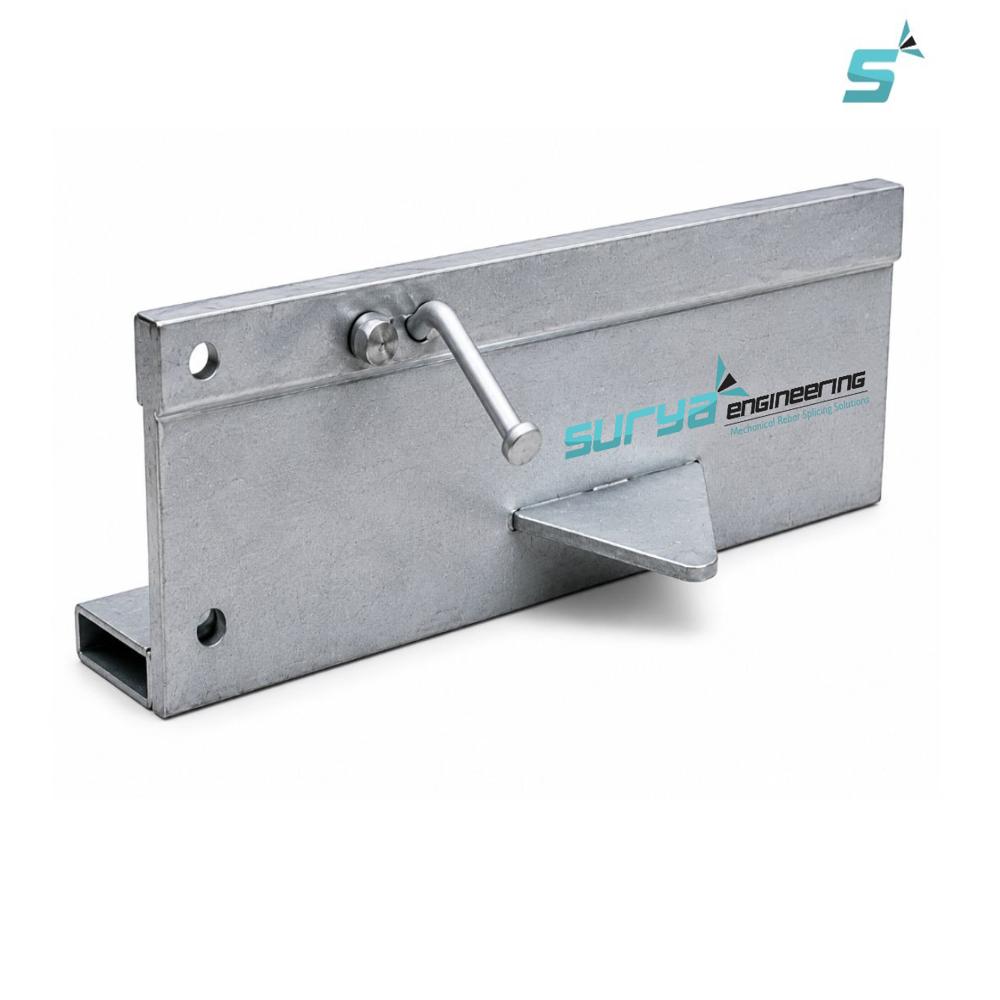
Price 2000.0 INR / Piece
Minimum Order Quantity : 10 Pieces
Product Type : Armoured Joint
Color : Silver / Metallic Grey / Black (Powder Coated)
Usage : Industrial Concrete Flooring, Warehouse Flooring, Construction Joint Protection
Size : Custom Sizes Available
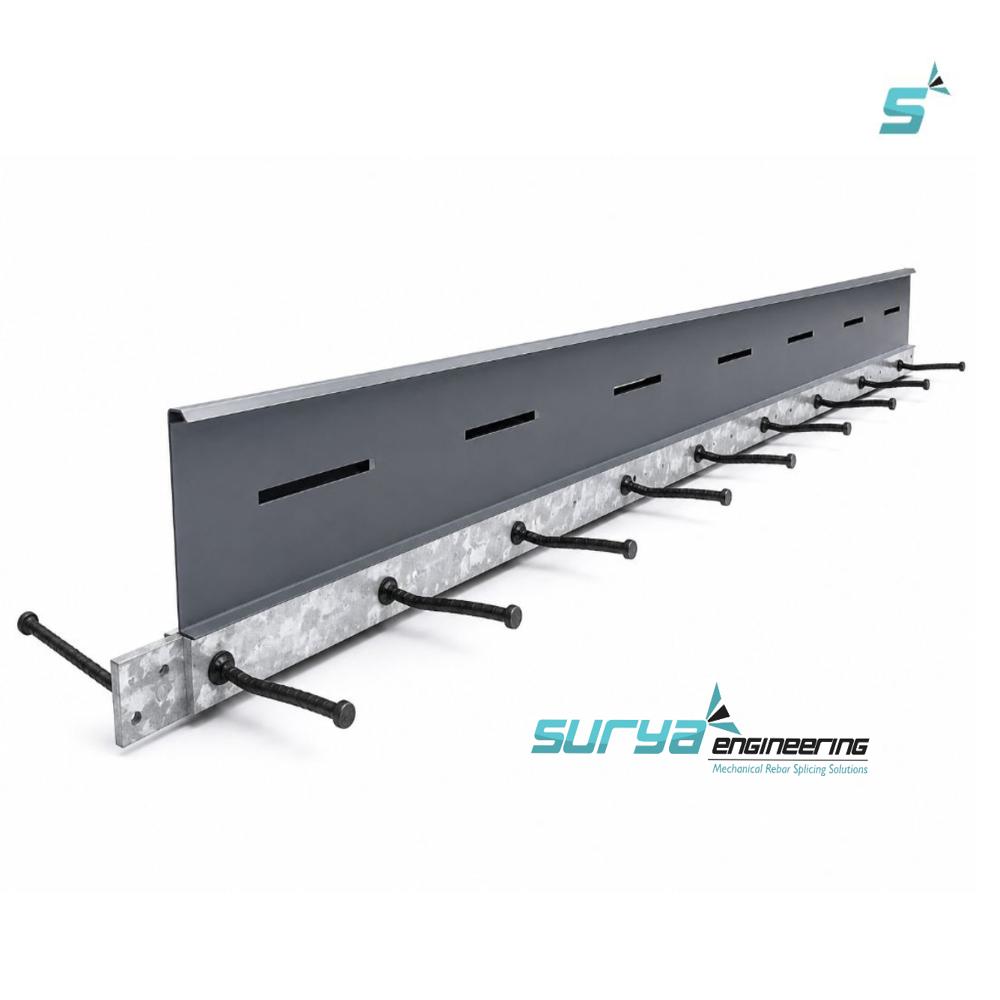
Price 1200.0 INR / Piece
Minimum Order Quantity : 10 Pieces
Product Type : Steel Armour Joint / Armour Joint for Concrete Floor
Color : Silver / Galvanized Grey / Metallic
Usage : Industrial Flooring / Warehouse Flooring / Concrete Slab Edge Protection
Size : 125 x 150 x 3000 mm
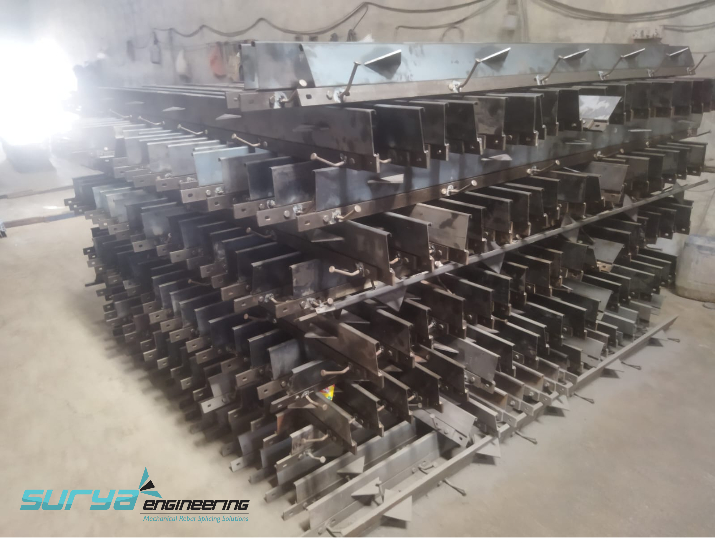
Price 500.0 INR / Piece
Minimum Order Quantity : 100 Pieces
Product Type : AntiCorrosion
Color : Silver
Usage : Industrial
Size : Customized
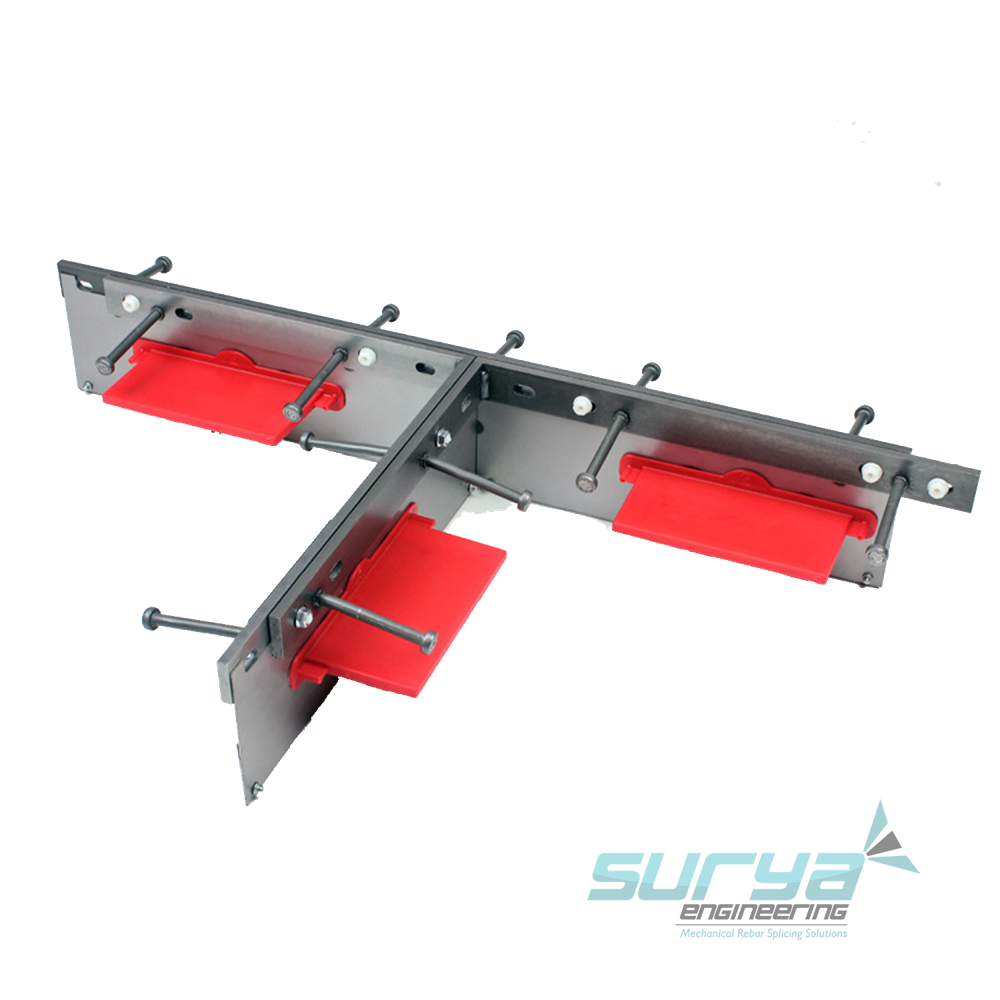
Price 1200.0 INR / Piece
Minimum Order Quantity : 100 Pieces
Product Type : AntiCorrosion
Color : Silver
Usage : Industrial
Size : Customized





 Send Inquiry