
Talk to us
08045811615
Talk to us
08045811615
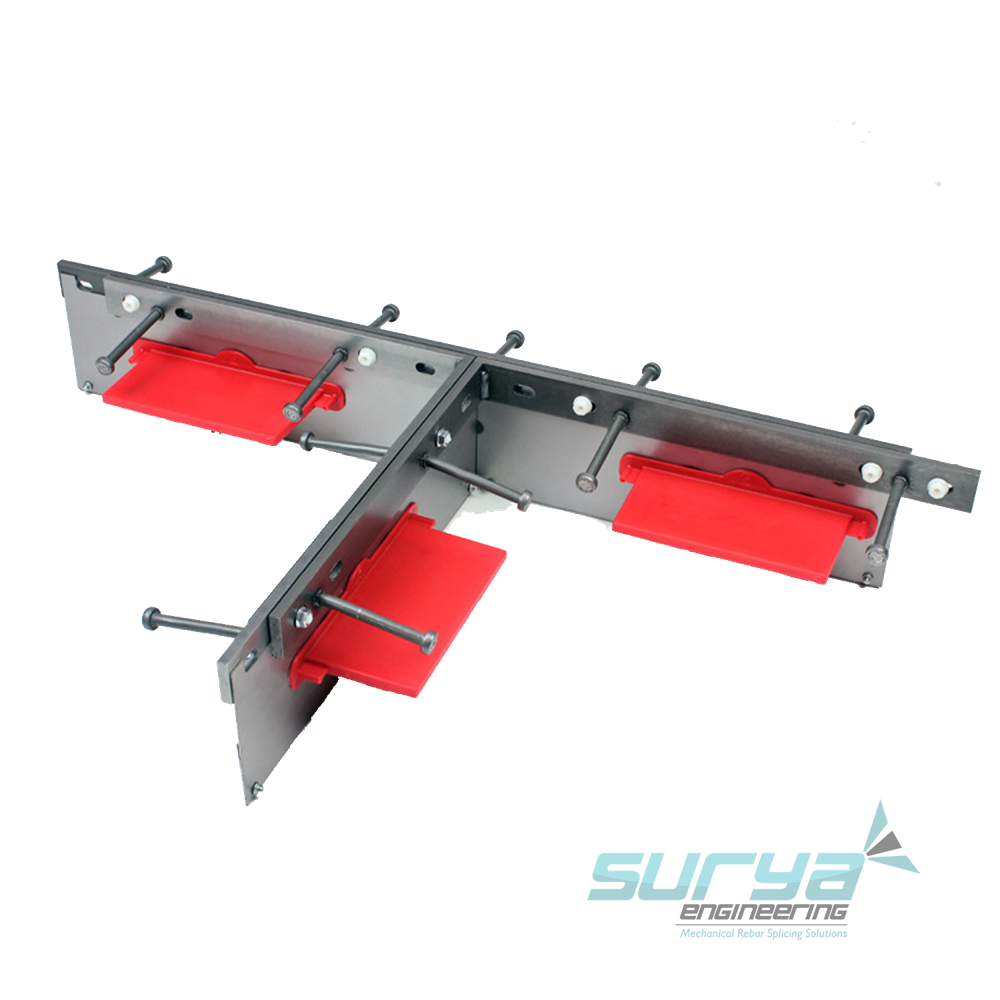
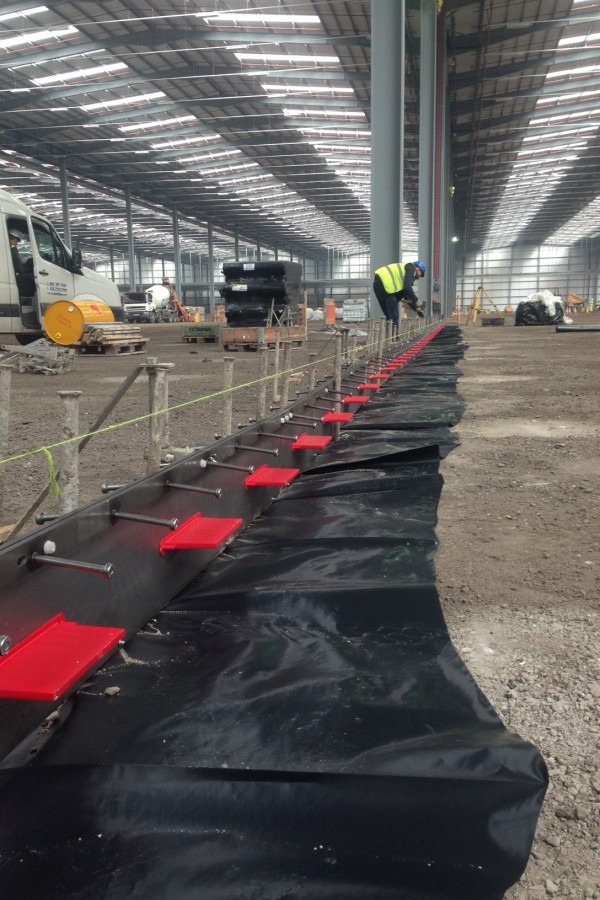
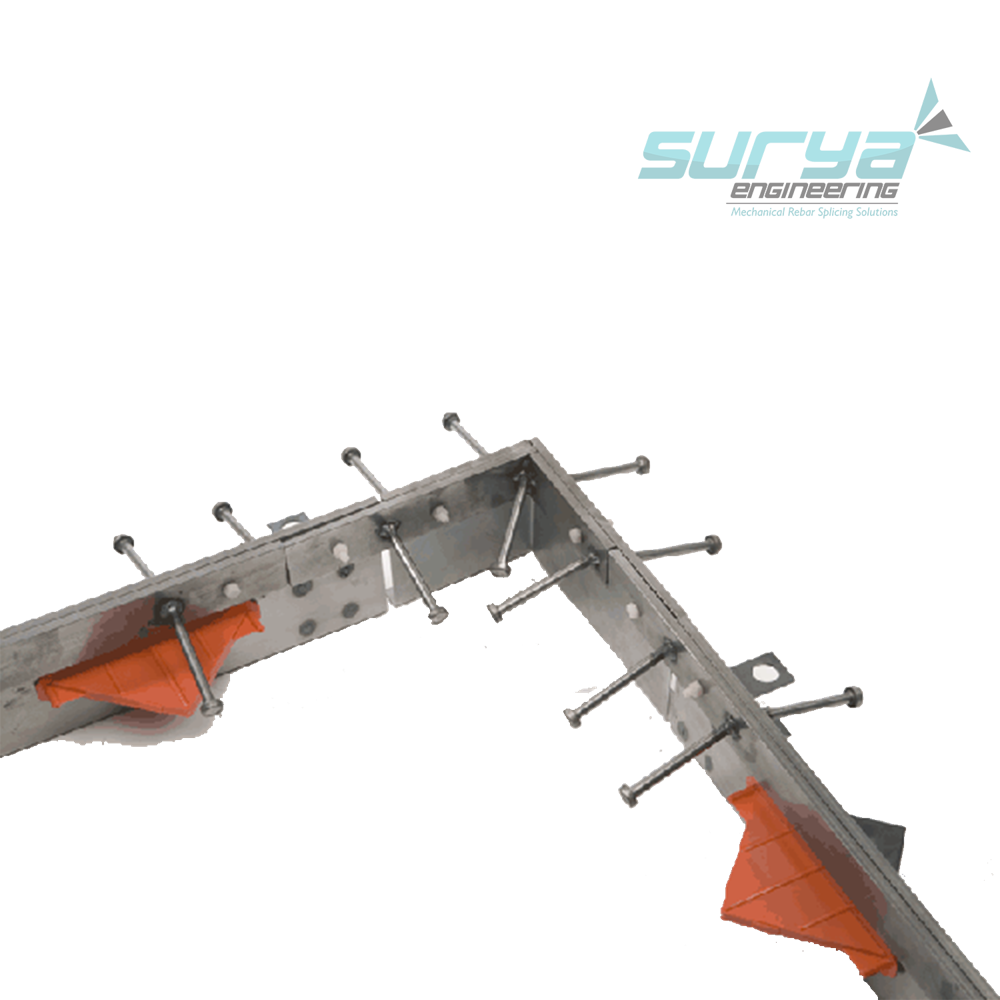
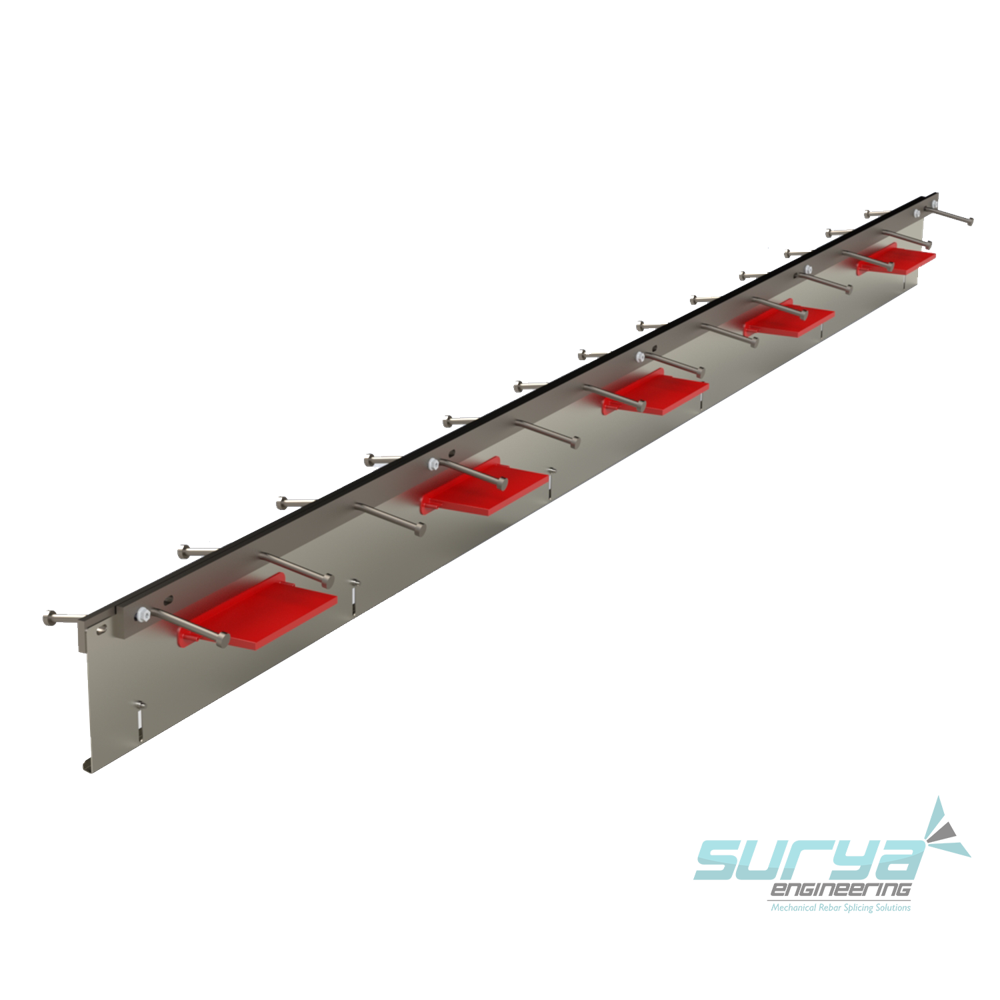
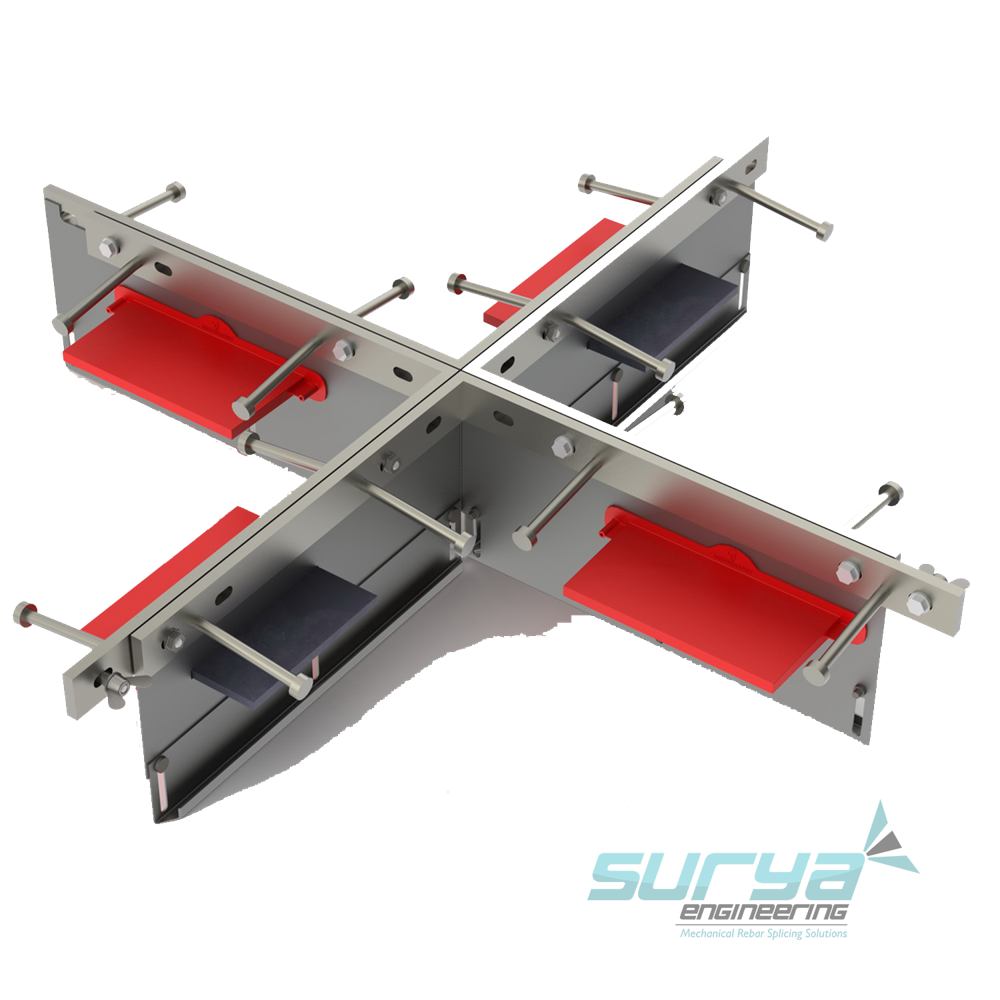
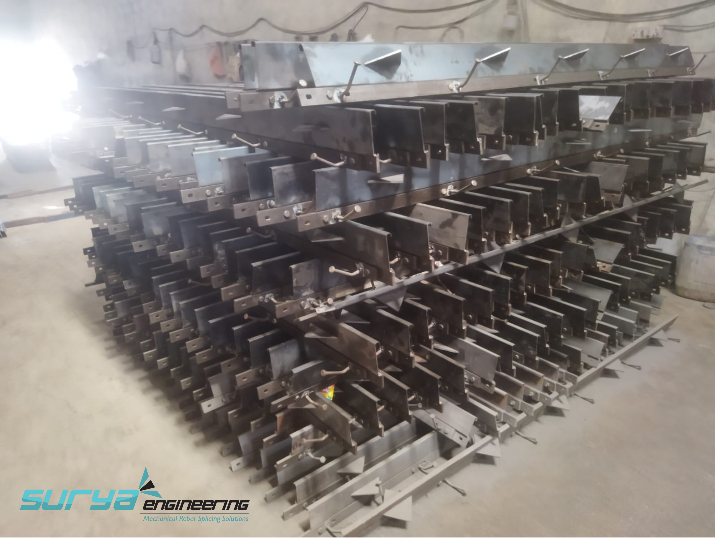
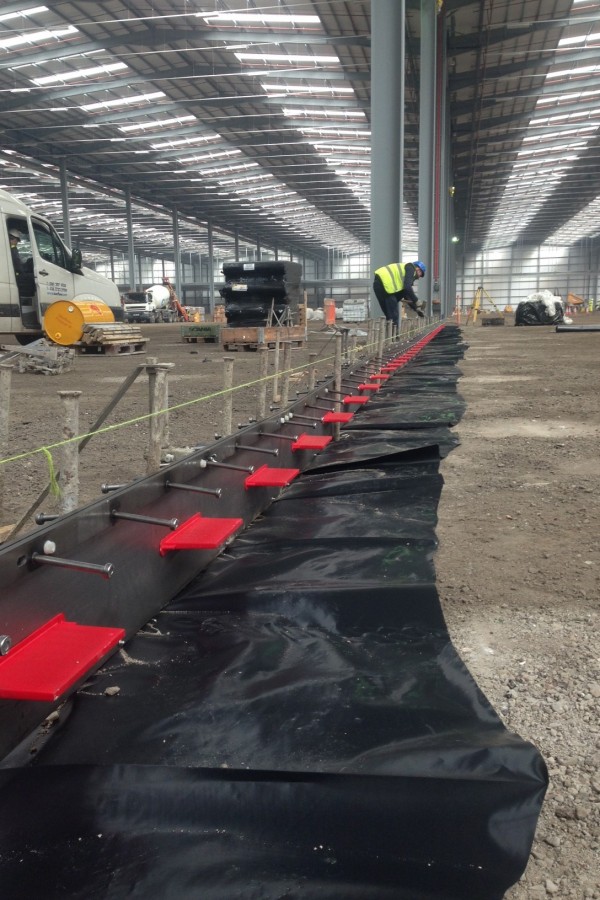
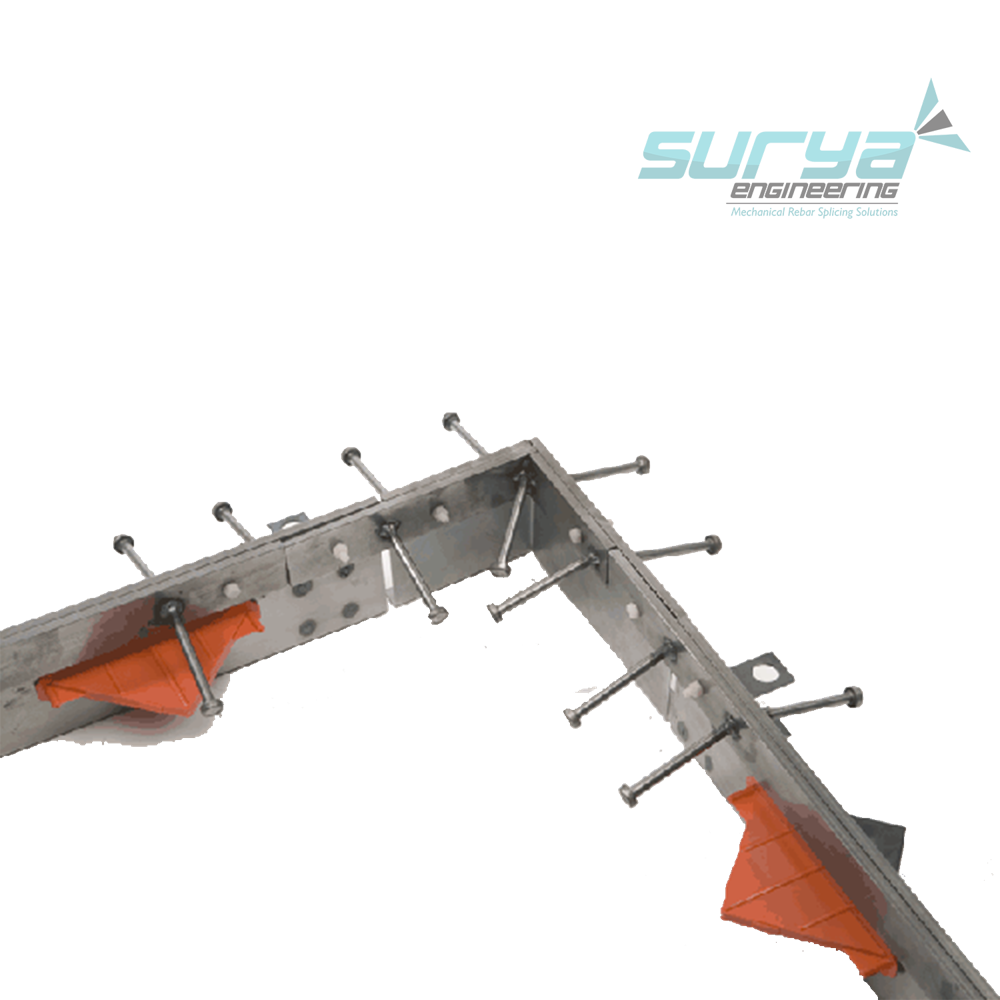
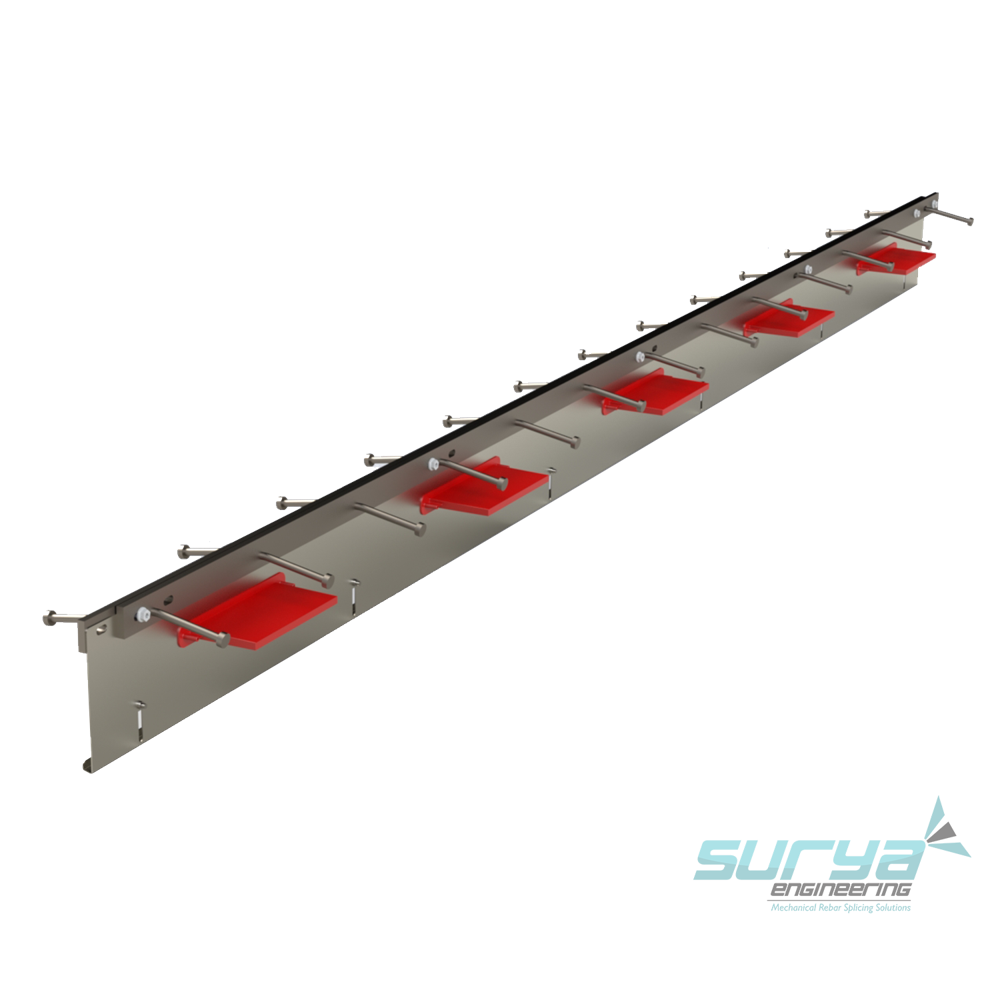
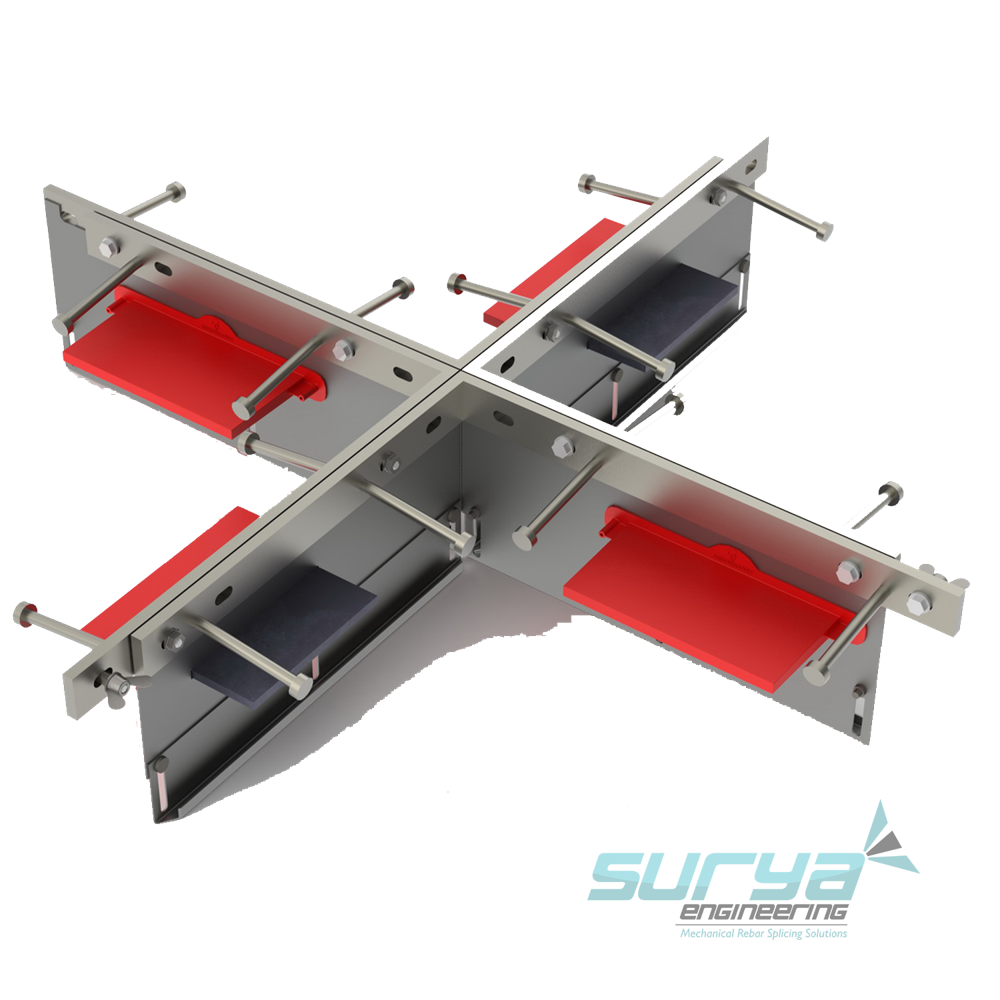
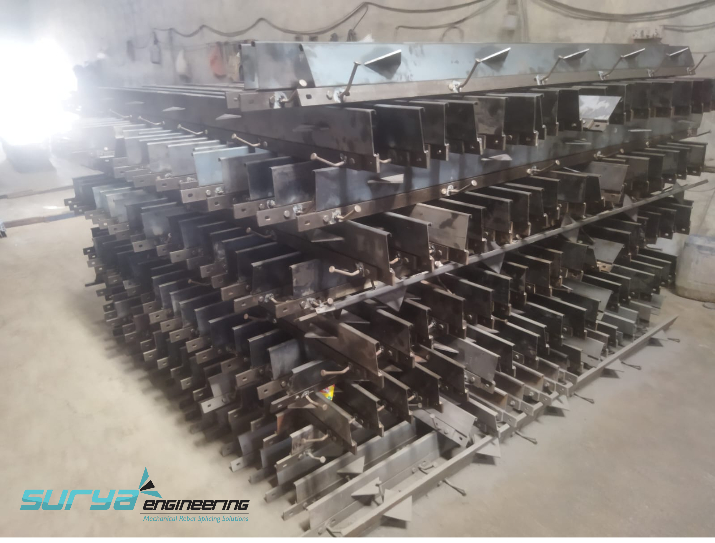

An Armour Joint (also known as an armoured joint or expansion joint system) is a high-strength, prefabricated steel formwork system installed at the joints of concrete floor slabs.
Its primary purpose is to protect the vulnerable edges (arrises) of concrete slabs from damage caused by heavy traffic, such as forklifts, and to provide an efficient load transfer mechanism between adjacent slabs.
An Armour Joint is a steel edge protection system that reinforces the joint and ensures perfect slab alignment, guaranteeing a smooth, long-lasting industrial floor.
The concrete joints in large industrial floors are a primary point of failure. Traditional unarmored joints are susceptible to a range of problems, including cracking, chipping (spalling), misalignment, and the creation of dangerous trip hazards, all of which lead to costly repairs and operational downtime. Armour Joints are specifically designed to overcome these challenges by providing a robust, engineered solution.
Armour Joint systems are classified based on their functional design to suit different structural requirements.
|
Type of Armour Joint |
Primary Function |
|
Construction Joint |
Used to connect two sections of concrete cast at different times, ensuring a smooth transition and structural integrity. |
|
Movement/Expansion Joint |
Accommodates the expansion and contraction of concrete slabs due to temperature changes and shrinkage, preventing stress buildup and cracking. |
|
Control Joint |
Installed to create a weak plane, allowing controlled cracking at a predetermined location, and the armour protects this intentional weak spot. |
Steel Armour Joints are essential in modern infrastructure and are deployed across a wide spectrum of projects where large floor areas and heavy loads are the norm.
Industrial Warehouses & Logistics Parks
E-Commerce Fulfillment Centers
Manufacturing Plants & Automotive Factories
Cold Storage & Freezer Facilities
Airport Cargo Terminals & Aprons
Areas with Heavy Forklift & AGV Traffic
The following technical specifications are a benchmark for high-quality Armour Joint systems, which Surya Engineering can manufacture and supply.
|
Parameter |
Specification |
|
Steel Grade |
High-strength structural steel (e.g., S235JR / S355) |
|
Armour Profile |
Typically 10mm thick x 40mm to 80mm deep, cold-drawn steel sections |
|
Finish |
Black steel (standard), Hot-Dip Galvanized (HDG), or Stainless Steel |
|
Joint Opening |
Designed for up to 20mm, with options for up to 30mm or more |
|
Load Transfer |
High-strength diamond or square dowel plates within plastic sleeves for two-way movement |
|
Slab Depth Range |
Suitable for slab thicknesses from 100mm to 300mm |
|
Standards |
Compliant with TR34 4th Edition guidelines |
For an Armour Joint to function correctly, the steel width must be precisely matched to the slab thickness. Use this guide to specify the correct joint width:
|
Slab Thickness (mm) |
Recommended Armour Joint Width (mm) |
|
150 mm |
130 mm |
|
200 mm |
170 mm |
|
240 mm |
210 mm |
|
300 mm |
270 mm |
Proper installation is crucial for the performance and longevity of an Armour Joint.
Step 1: Pre-Pour Layout
The exact joint locations are mapped out based on the slab design drawings and the intended traffic flow.
Step 2: Positioning & Anchoring
The pre-assembled Armour Joint sections are placed and aligned. They are secured to the subbase using pins or stakes driven through pre-drilled holes in the base plate.
Step 3: Concrete Pour
Concrete is poured on one side of the joint first. Internal vibration is used to consolidate the concrete around the steel components, ensuring no voids are left.
Step 4: Formwork Removal & Finishing
Once the concrete has cured sufficiently, the temporary stakes are removed. The surface is finished flush with the top of the steel armour to create a seamless surface.
Step 5: Setting the Dowel Sleeves
Before pouring the adjacent bay, plastic sleeves are placed over the protruding dowel plates on the installed side. This de-bonds the dowel from the second pour, allowing for expansion and contraction.
Step 6: Pouring the Adjacent Slab
The second slab is poured against the first, with the steel armour and sleeved dowels now embedded between the two sections.
Using a steel Armour Joint system provides significant and quantifiable advantages over traditional unarmored joints.
|
Avantaj |
Aklama |
|
Full Edge Protection |
Eliminates spalling and cracking at the joint line, the most common point of failure in industrial floors. |
|
Superior Load Transfer |
Diamond dowel plate system ensures effective distribution of heavy loads across the joint, preventing vertical displacement (lipping). |
|
Enhanced Rideability |
Creates a smooth, continuous surface for forklifts and AGVs, reducing tire wear, product damage, and operator fatigue. |
|
Reduced Maintenance Costs |
A durable floor requires fewer repairs, leading to significant long-term cost savings and eliminating unplanned downtime. |
|
Faster & More Accurate Installation |
Prefabricated design speeds up installation, ensures perfect alignment, and reduces on-site labor compared to traditional formwork. |
TR34 standard is widely used in India, especially in industrial flooring, warehouses, logistics parks, factories, airports, and large commercial projects where Armour Joints are installed.
Although TR34 is a UK standard/guideline, many Indian EPC contractors, flooring consultants, and MNC projects adopt it because India does not have a dedicated Indian Standard specifically for industrial floor armour joints.
TR34-based armour joint specifications are commonly used in:
Related Testing Standards you can find out more on Surya Engineering
website:- suryaengineering net
Surya Engineering is a trusted engineering solutions provider specializing in industrial machinery, construction equipment, dust control systems, and fabrication machinery. The company focuses on delivering high-performance and durable industrial equipment designed for modern construction and manufacturing industries.
Maharashtra: Mumbai (HQ), Pune, Nagpur, Nashik, Aurangabad, Thane.
Gujarat
Goa
Delhi NCR
Haryana.
Punjab
Rajasthan
Uttar Pradesh
South India
Karnataka
Tamil Nadu
Telangana
Andhra Pradesh
East India
West Bengal
Bihar
Jharkhand
Odisha
Chhattisgarh
Central India
Madhya Pradesh:

Price:
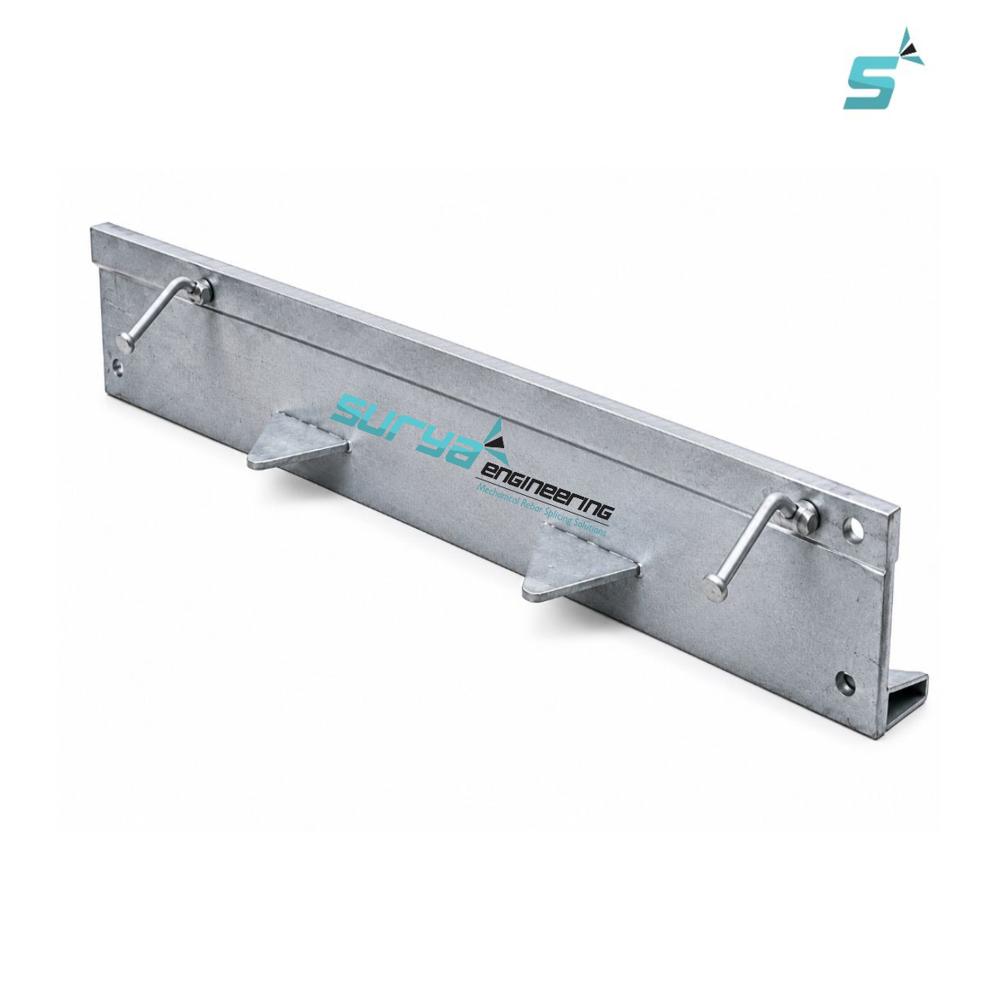
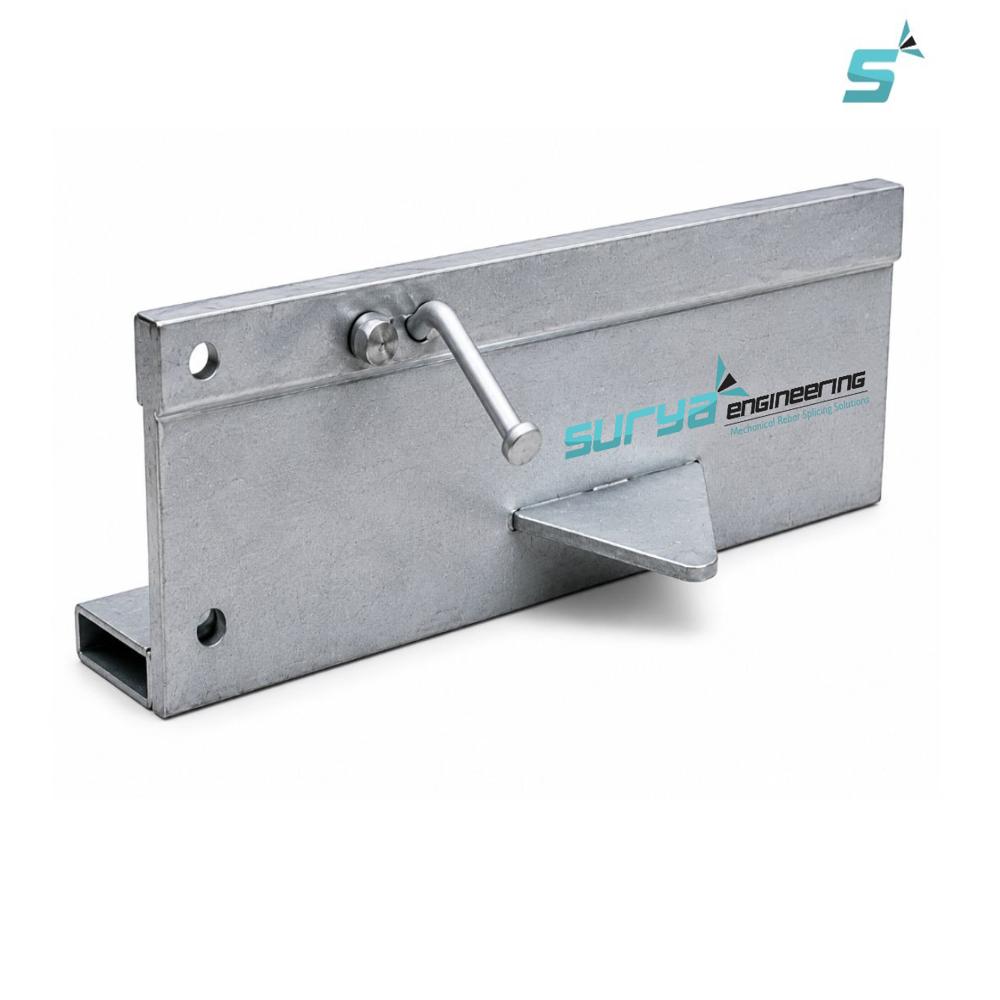
Price 1500.0 INR / Piece
Minimum Order Quantity : 10 Pieces
Surface Treatment : Galvanized, Plating, Powder Coated
Usage : Industrial Concrete Flooring, Warehouse Flooring, Construction Joint Protection
Size : Custom Sizes Available
Color : Silver / Metallic Grey / Black
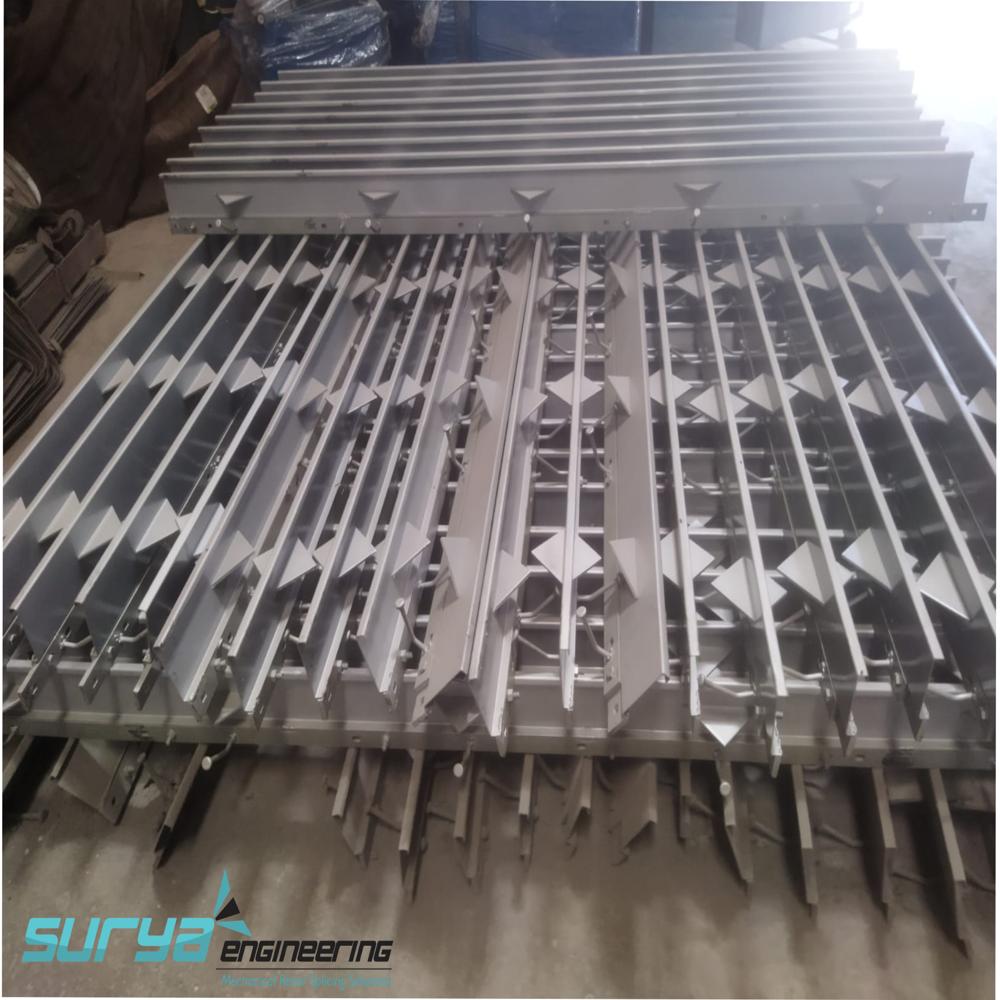
Price 2000.0 INR / Piece
Minimum Order Quantity : 10 Pieces
Surface Treatment : Plating, Powder Coated, Galvanized
Usage : Industrial Concrete Flooring, Warehouse Flooring, Construction Joint Protection
Size : Custom Sizes Available
Color : Silver / Metallic Grey / Black (Powder Coated)
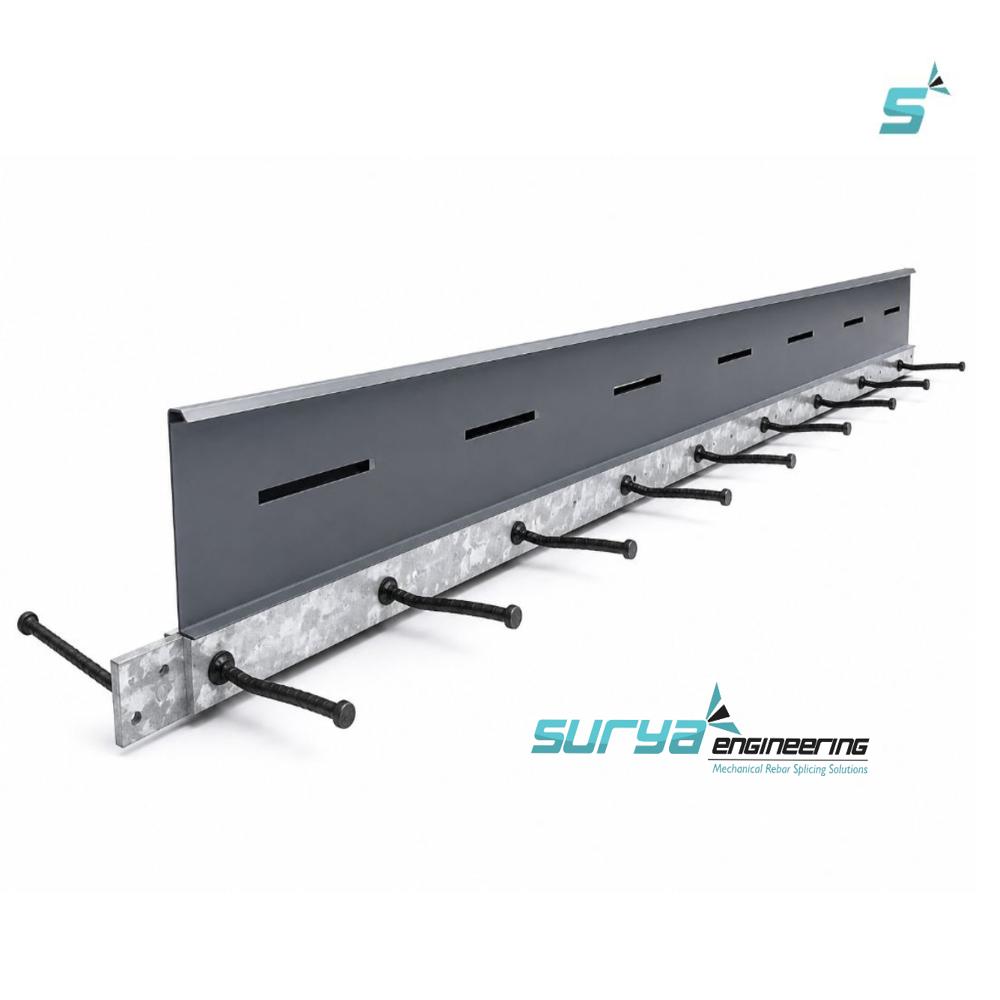
Price 1000.0 INR / Piece
Minimum Order Quantity : 999 Pieces
Surface Treatment : Powder Coated, Polish, Galvanized
Usage : Industrial Concrete Flooring, Expansion Joint Construction
Size : 3000mm*150mm
Color : Sliver
Price 1200.0 INR / Piece
Minimum Order Quantity : 10 Pieces
Surface Treatment : Galvanized, Plating, Powder Coated
Usage : Industrial Flooring / Warehouse Flooring / Concrete Slab Edge Protection
Size : 125 x 150 x 3000 mm
Color : Silver / Galvanized Grey / Metallic





 Send Inquiry