
Talk to us
08045811615
Talk to us
08045811615
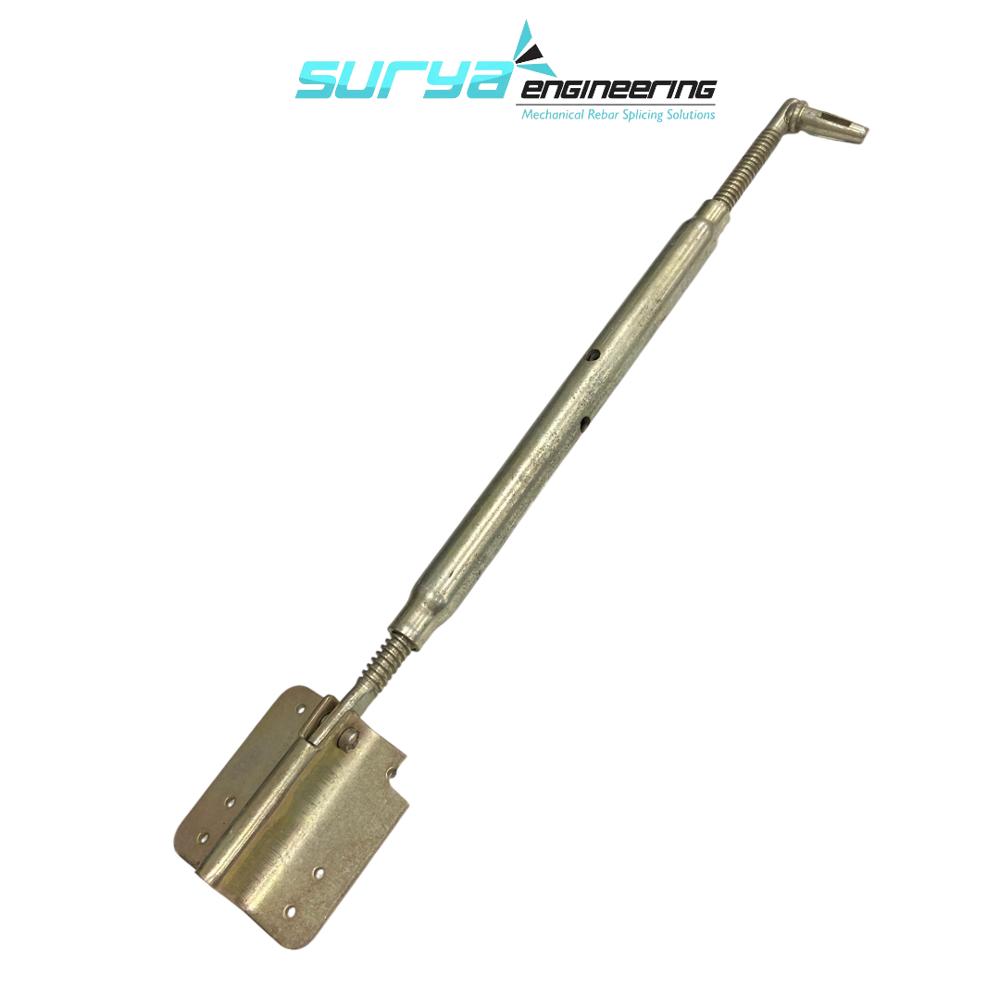
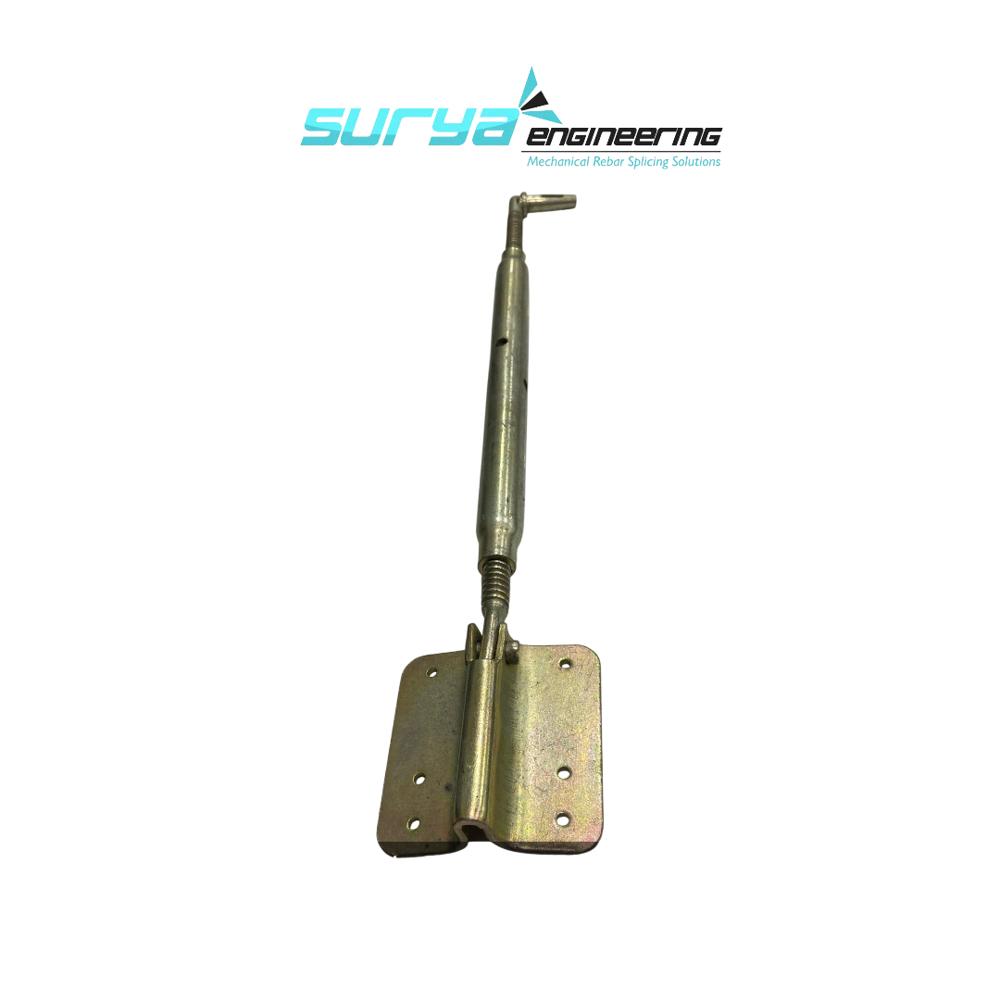
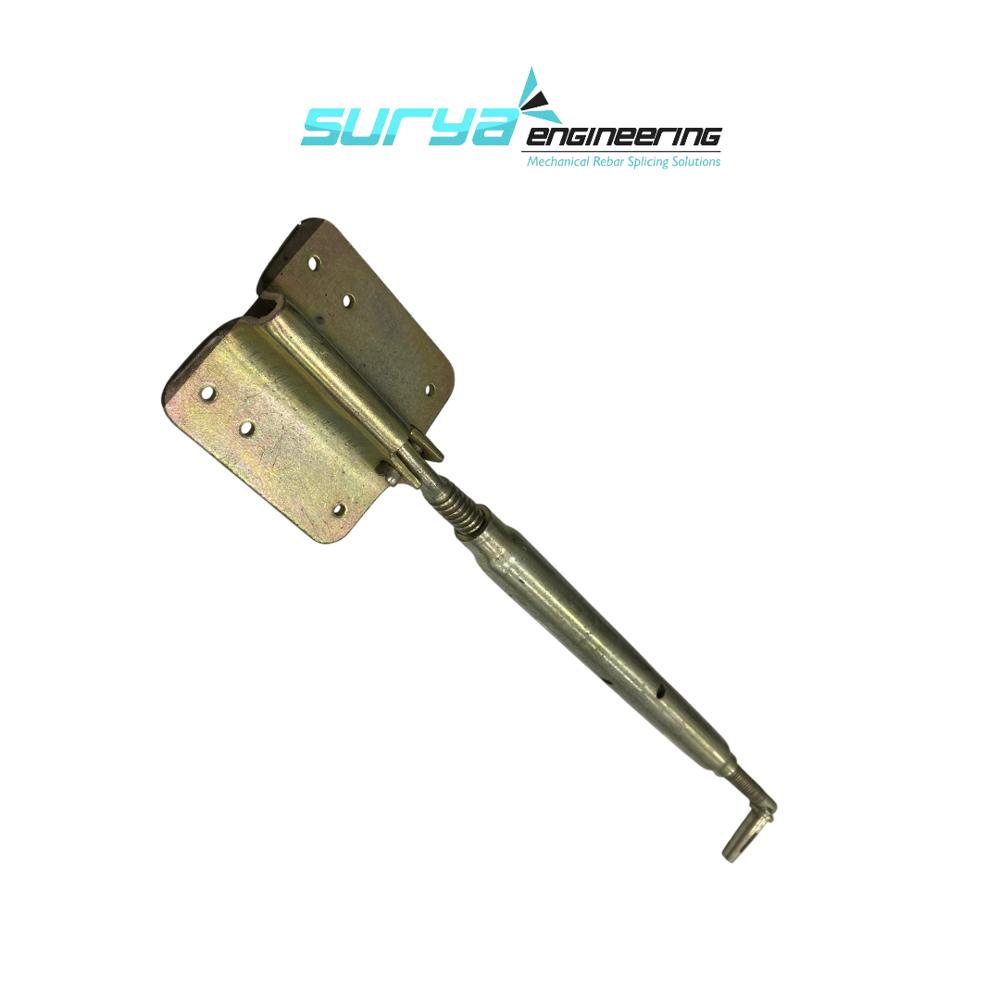
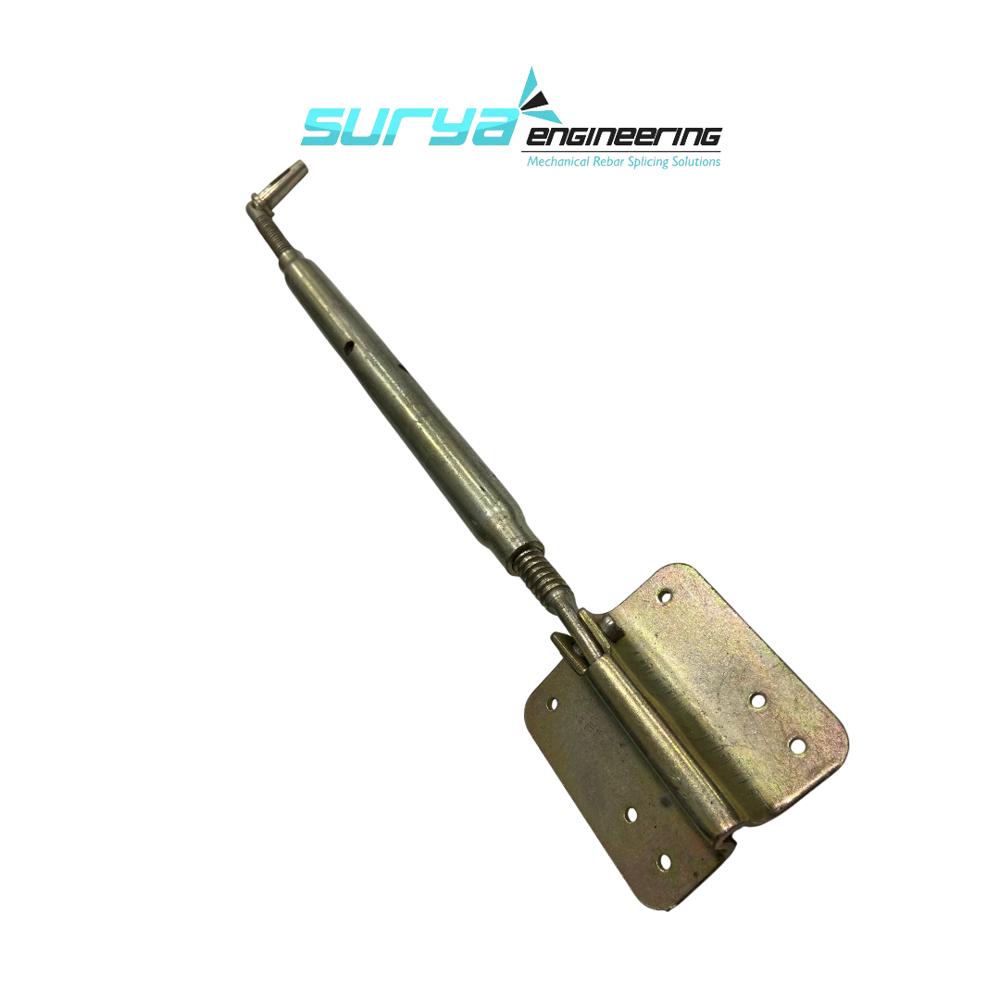
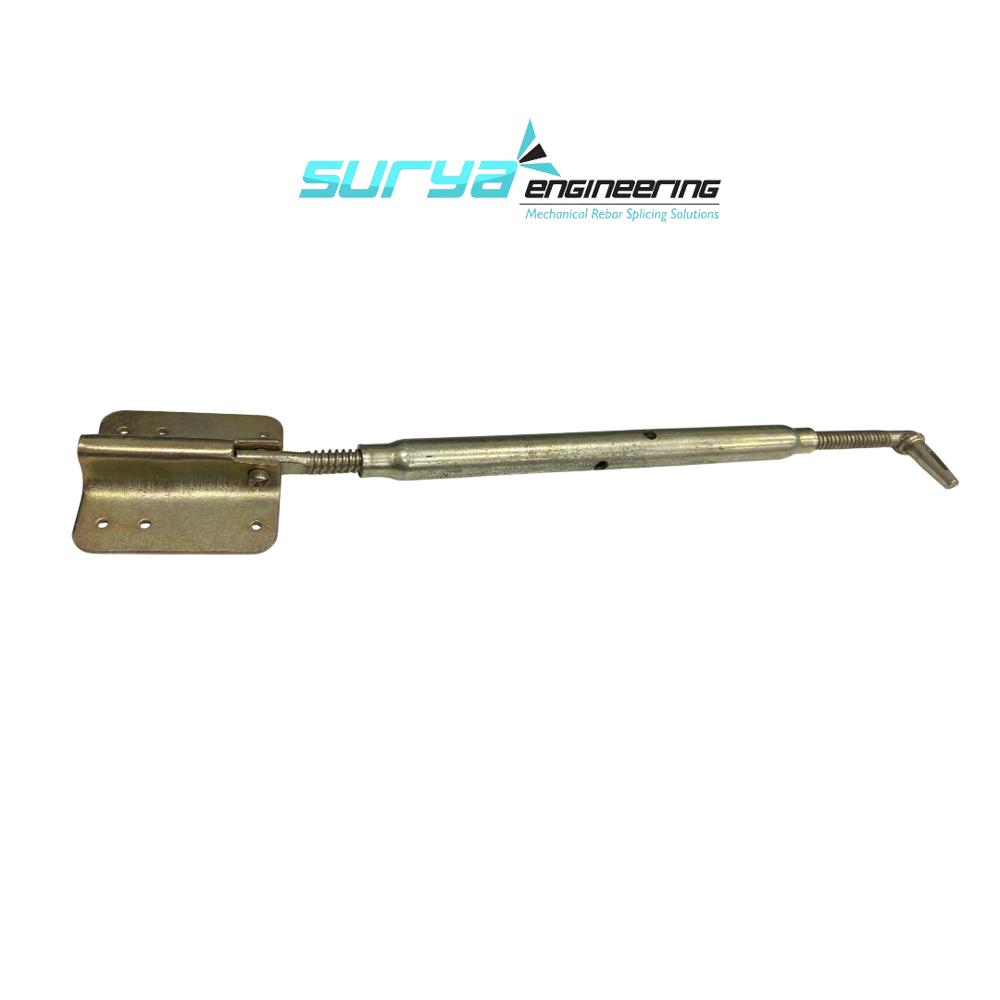
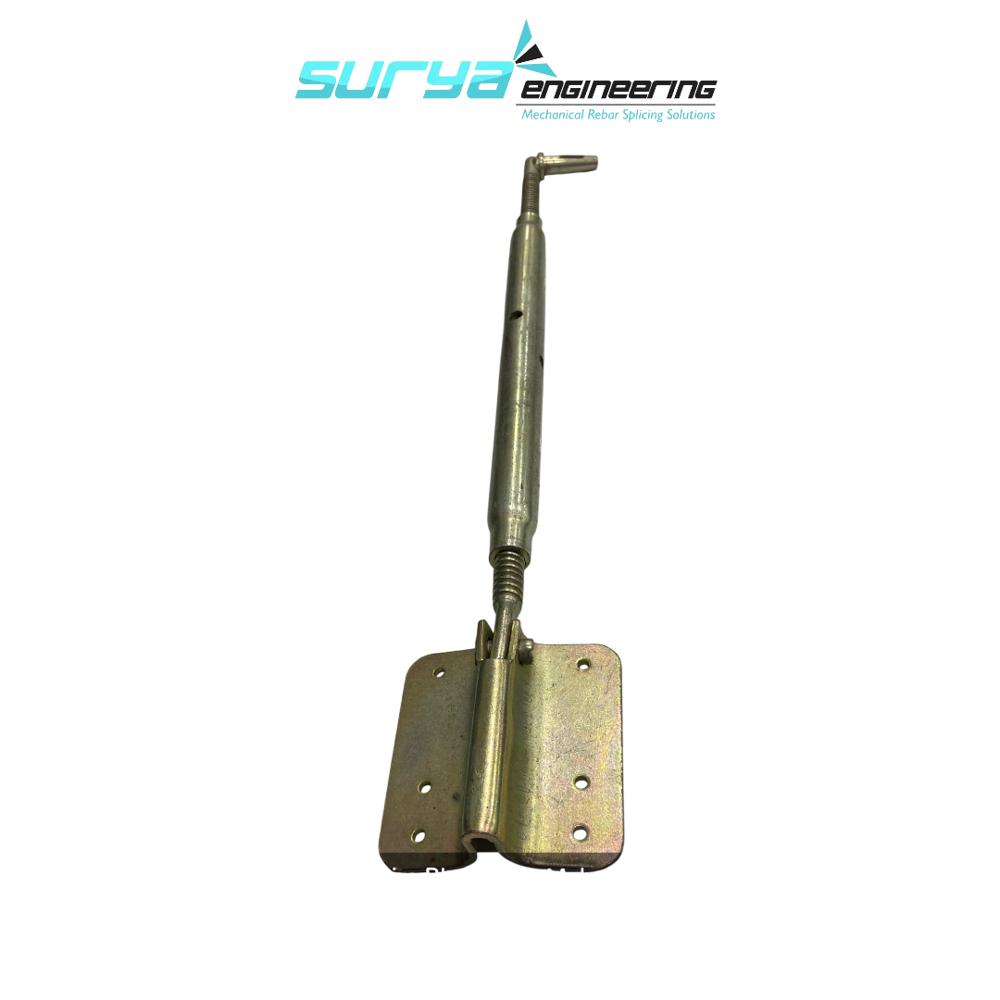

Simply put, a Bottom Adjustor is an adjustable load-bearing component installed at the bottom of a scaffolding or formwork support leg.
It functions like a precise mechanical "jack." By rotating a threaded spindle, it allows for micro-adjustments in the height of the support column. It performs two absolutely critical jobs:
Precise Leveling: Compensates for uneven or sloped ground, ensuring the entire support system is perfectly horizontal.
Stable Load Transfer: Safely and evenly transfers the enormous weight of the concrete above to the ground, preventing the scaffold from settling, tilting, or collapsing.
Formwork needs to be correctly positioned before concrete is placed. If the panels are not properly aligned or supported, it can create problems during casting and stripping.
A suitable Bottom Adjustor for construction helps workers make controlled adjustments at the base of the formwork.
This can be particularly useful on projects where the same formwork system is repeatedly assembled and adjusted.
The working principle of a bottom adjustor is simple but effectiveit's a classic "screw and nut" mechanism. It consists of three main parts:
| Part | Description | Function |
|---|---|---|
| Base Plate | A flat, sturdy steel plate at the bottom. | Distributes the load over a larger area to prevent sinking into soft ground. |
| Threaded Spindle | A vertical, precision-machined steel rod with threads. | Provides the mechanism for height adjustment. |
| Adjustment Nut | A threaded collar that sits on the spindle, often with handles or holes for leverage. | When rotated, it moves up or down the spindle, raising or lowering the entire scaffold leg. |
When a worker rotates the adjustment nut, it travels along the threads of the spindle, moving the entire support leg up or down in tiny, precise increments. This allows for leveling accuracy down to the millimeter.
Mivan aluminium formwork is commonly used for repetitive concrete construction, especially in high-rise and mass-housing projects.
Because the same formwork panels may be assembled and dismantled repeatedly, accurate positioning is important on every cycle.
A Bottom Adjustor for Mivan formwork can help the formwork team make the required base-level adjustments and maintain panel positioning before concrete placement.
The adjustor should always be compatible with the particular aluminium formwork system.
A typical installation process includes:
Step 1 Prepare the base
Make sure the supporting surface is suitable and free from loose debris.
Step 2 Position the adjustor
Place the Bottom Adjustor at the location specified by the formwork design.
Step 3 Position the formwork
Bring the compatible formwork panel or support into position.
Step 4 Make the adjustment
Use the adjustment mechanism to achieve the required level or alignment.
Step 5 Check stability
Confirm that the support is properly seated and that the formwork is stable.
Step 6 Inspect before pouring
Check alignment, level, connections, and support before concrete placement.
The actual installation procedure should follow the formwork manufacturer's instructions and the project's approved method statement.
Although they can appear similar, a Bottom Adjustor and an adjustable jack should not automatically be treated as interchangeable.
A Bottom Adjustor is generally designed as part of a particular formwork system.
An adjustable jack may be designed for broader temporary support applications.
The correct product depends on the intended load, formwork arrangement, adjustment range, and engineering requirements.
High-rise construction often involves repetitive formwork cycles. Panels are installed, aligned, checked, concreted, stripped, cleaned, and moved to the next floor.
In this environment, small adjustments at the base of the formwork can become part of the daily workflow.
A suitable Bottom Adjustor for high-rise construction can help workers make controlled level adjustments and support a more consistent formwork setup.
Aluminium formwork requires accurate panel positioning because the formwork itself determines the dimensions and geometry of the concrete element.
A compatible Bottom Adjustor can be used where the formwork system requires an adjustable bottom support.
It can help with:
Surya Engineering supplies Bottom Adjustors for construction and compatible formwork applications in India.
If you are looking for a Bottom Adjustor manufacturer or supplier in India, send us your required dimensions, formwork type, quantity, and application.
For replacement requirements, you can also provide a photo or drawing of your existing Bottom Adjustor so the required configuration can be checked before ordering.
Q1: What's the difference between a Bottom Adjustor and a U-Head Jack (Top Adjustor)?
This is the #1 question. Bottom Adjustor sits at the bottom of the support leg, making contact with the ground to level the base. A U-Head Jack (or Top Adjustor) sits at the top of the support leg, directly under the beam or formwork. One supports from below, the other supports from above.
Q2: Can I reuse a bottom adjustor?
Absolutely. High-quality bottom adjustors are designed for hundreds of reuses. They are an excellent investment because they can be used on project after project. After each use, they should be cleaned and maintained to ensure smooth operation.
Q3: How do I know what size I need?
It depends on the ground conditions and the height of your formwork. For standard applications, a 600mm adjustor is often sufficient. For uneven ground or projects requiring more adjustment range, longer sizes (700mm or 800mm) are used.
Q4: What makes a good quality bottom adjustor?
A top-tier bottom adjustor has three key qualities:
High-Strength Material: Made from drop-forged steel or high-grade ductile iron.
Precise Threading: The threads must be smooth and accurate to ensure easy adjustment and prevent jamming under load.
Excellent Corrosion Protection: A thick, durable hot-dip galvanized finish is the gold standard for long-term durability.
Q5: Do I need special tools to install it?
No. One of its biggest advantages is that it can be adjusted using basic tools. Most models feature a handle or holes in the adjustment nut, allowing workers to turn it with a steel rod or even just a wrench.

Price:
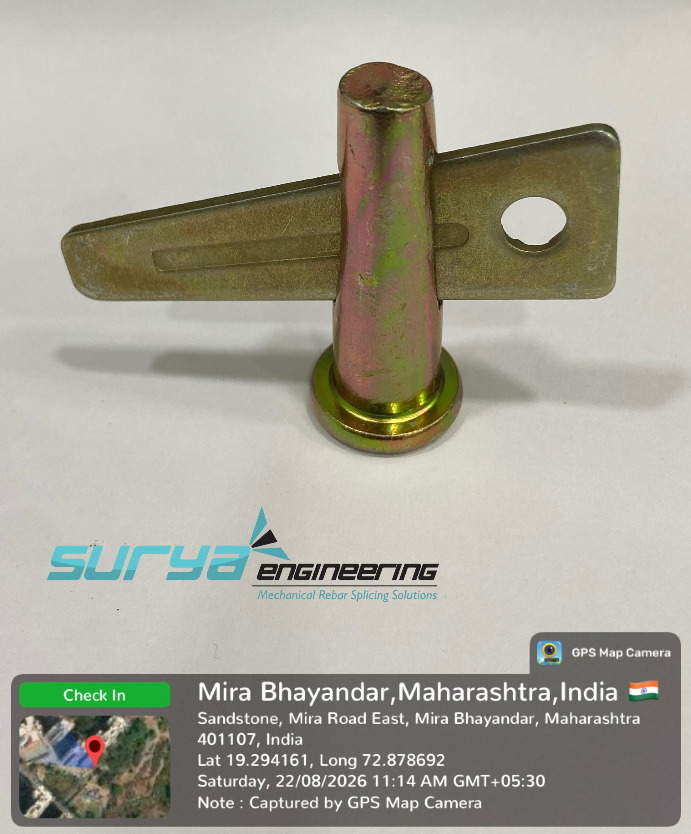
Price 31.0 INR / Piece
Minimum Order Quantity : 10 Pieces
Diameter : 16 Millimeter (mm)
Color : carbon oxide
Surface Treatment : ElectroZinc Plated / HotDipped Galvanized (for rust resistance)
Usage : Constraction, Building
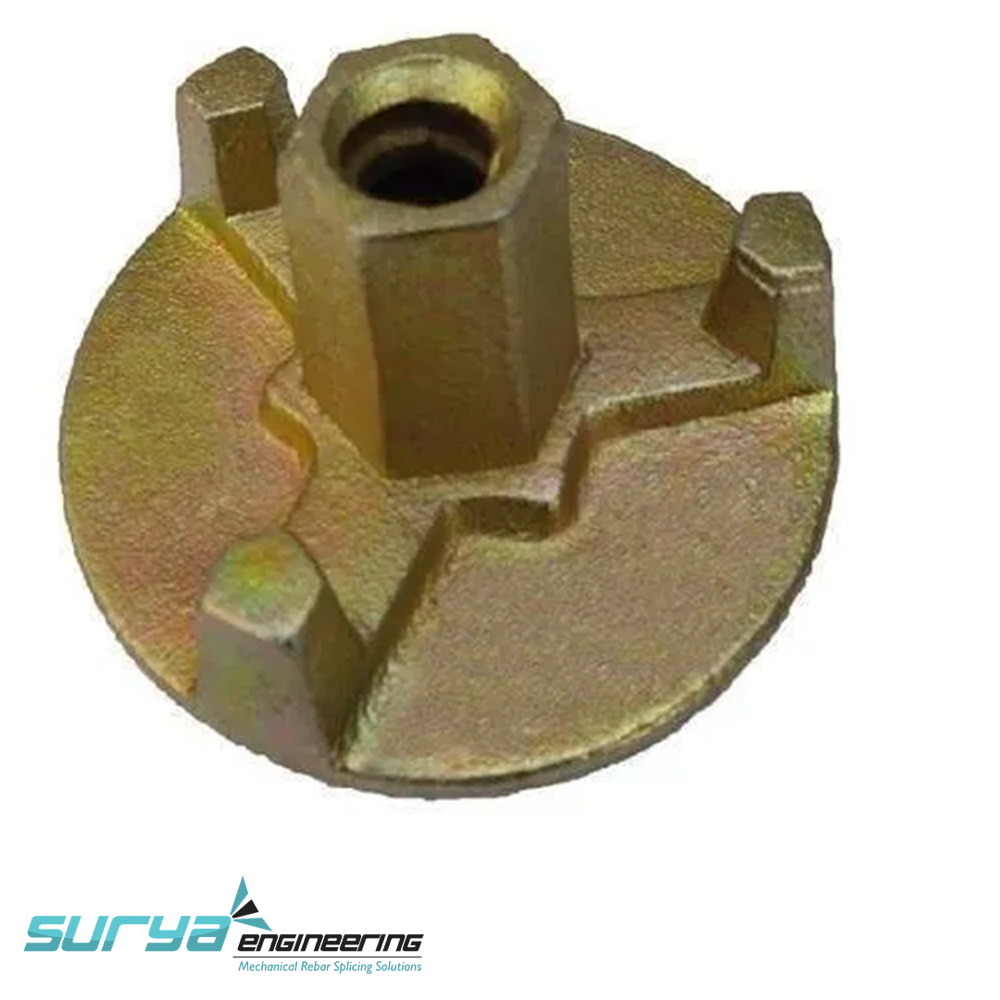
Price 50.0 INR / Piece
Minimum Order Quantity : 10 Pieces
Diameter : 15 / 16 / 20 mm Millimeter (mm)
Color : Black / Silver
Surface Treatment : Zinc Coated / Black Finish
Usage : Tie Rod Locking & Formwork Panel Securing

Price 35.0 INR / Piece
Minimum Order Quantity : 10 Pieces
Diameter : 16 mm / 17 mm Millimeter (mm)
Color : Yellow, Black, Silver Galvanized
Surface Treatment : Paint Coated / Zinc Plated / Galvanized / Powder Coated4 6
Usage : For Fixing Tie Rod in Scaffolding and Formwork, Anchor Plate for Concrete Wall
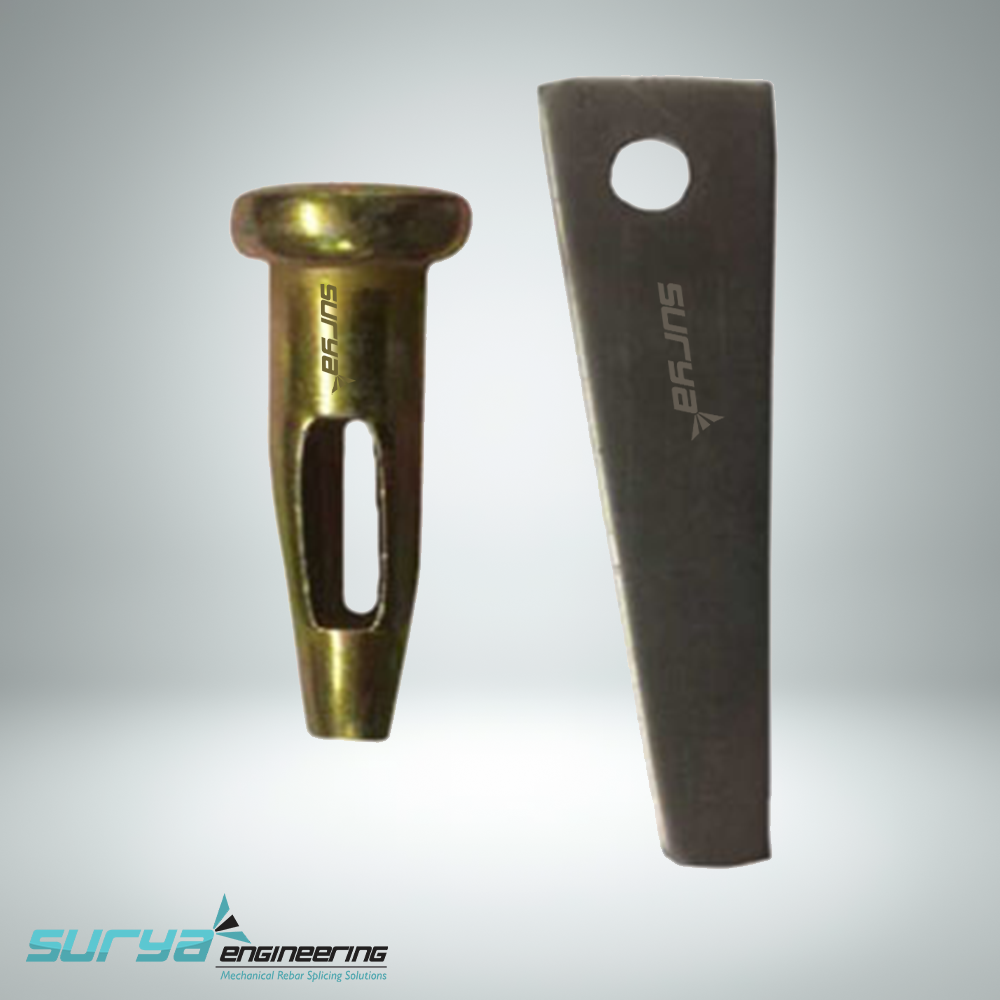
Price 3.0 INR / Piece
Minimum Order Quantity : 10 Pieces
Diameter : 16 Millimeter (mm)
Color : Golden Yellow / Silver / Black
Surface Treatment : yellow ElectroGalvanized / Zinc Plated
Usage : Construction / Formwork Accessories





 Send Inquiry
 English
 Spanish
 French
 German
 Italian
 Chinese (Simplified)
 Japanese
 Korean
 Arabic
 Portuguese