
Talk to us
08045811615
Talk to us
08045811615
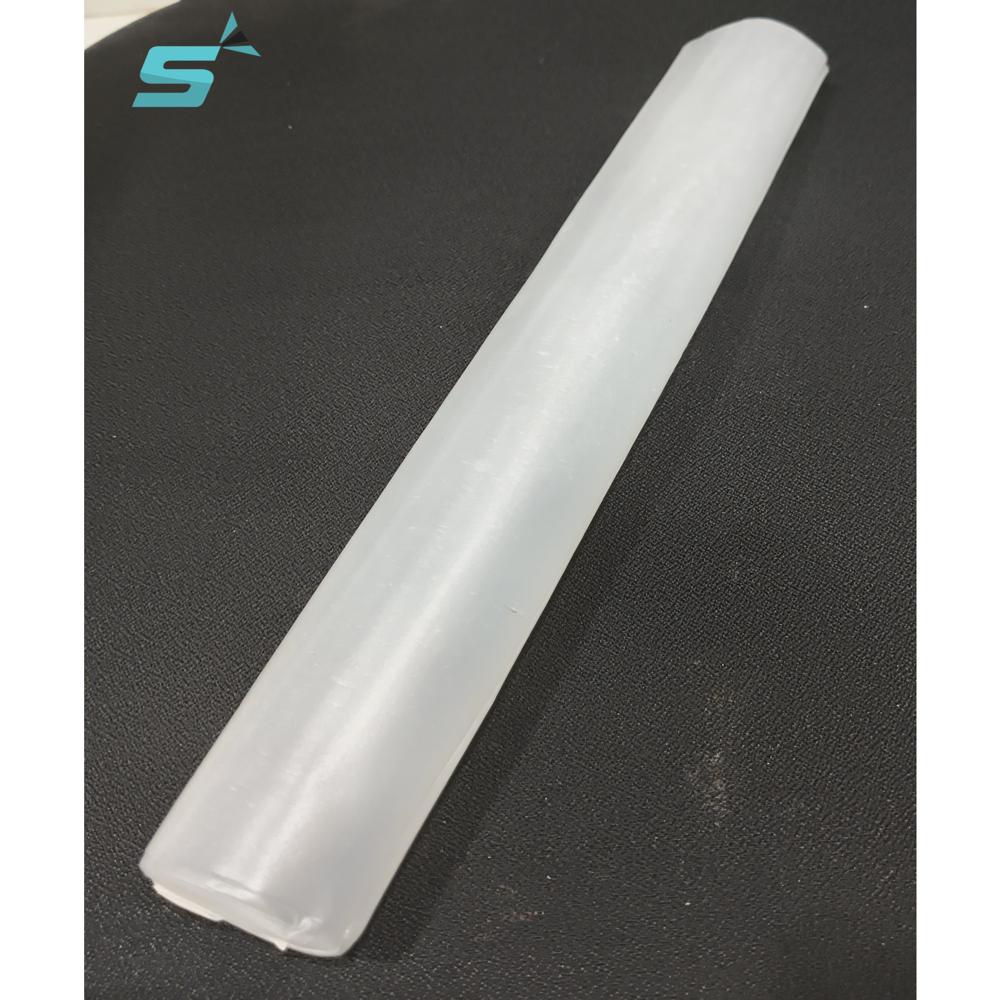
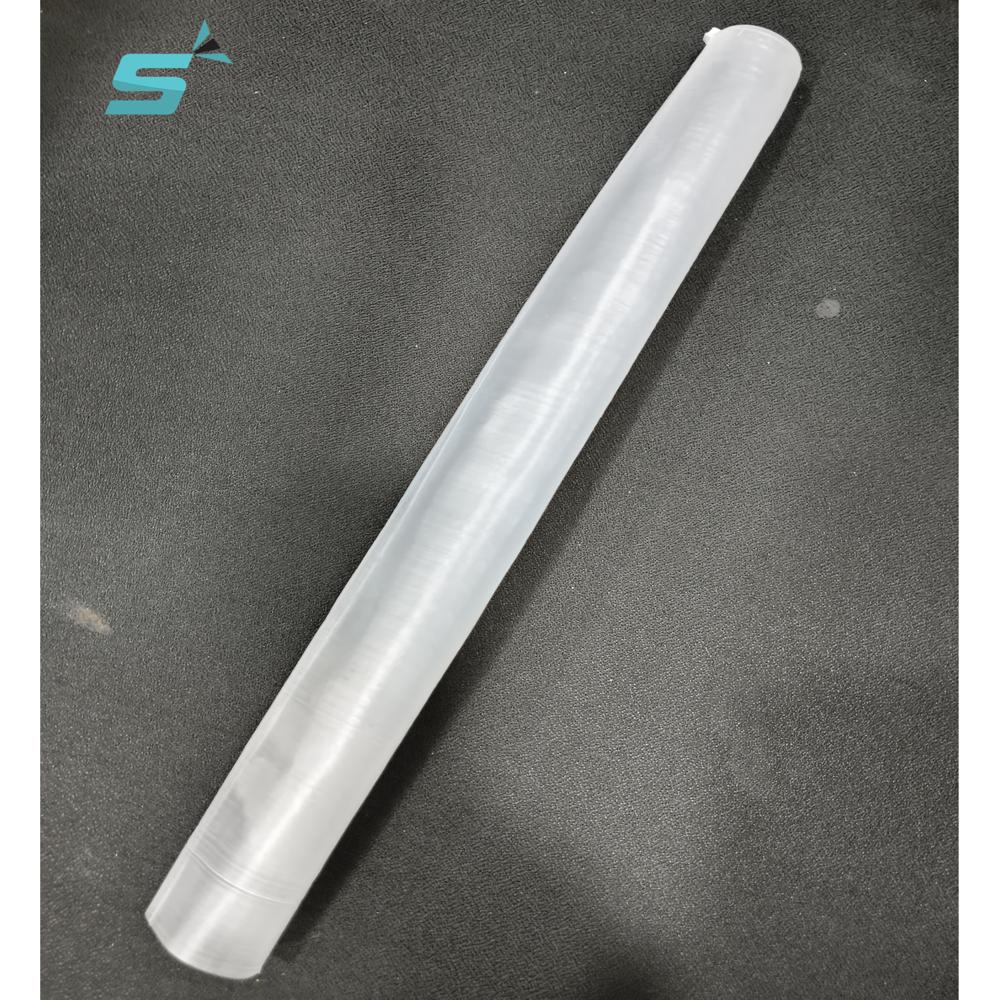
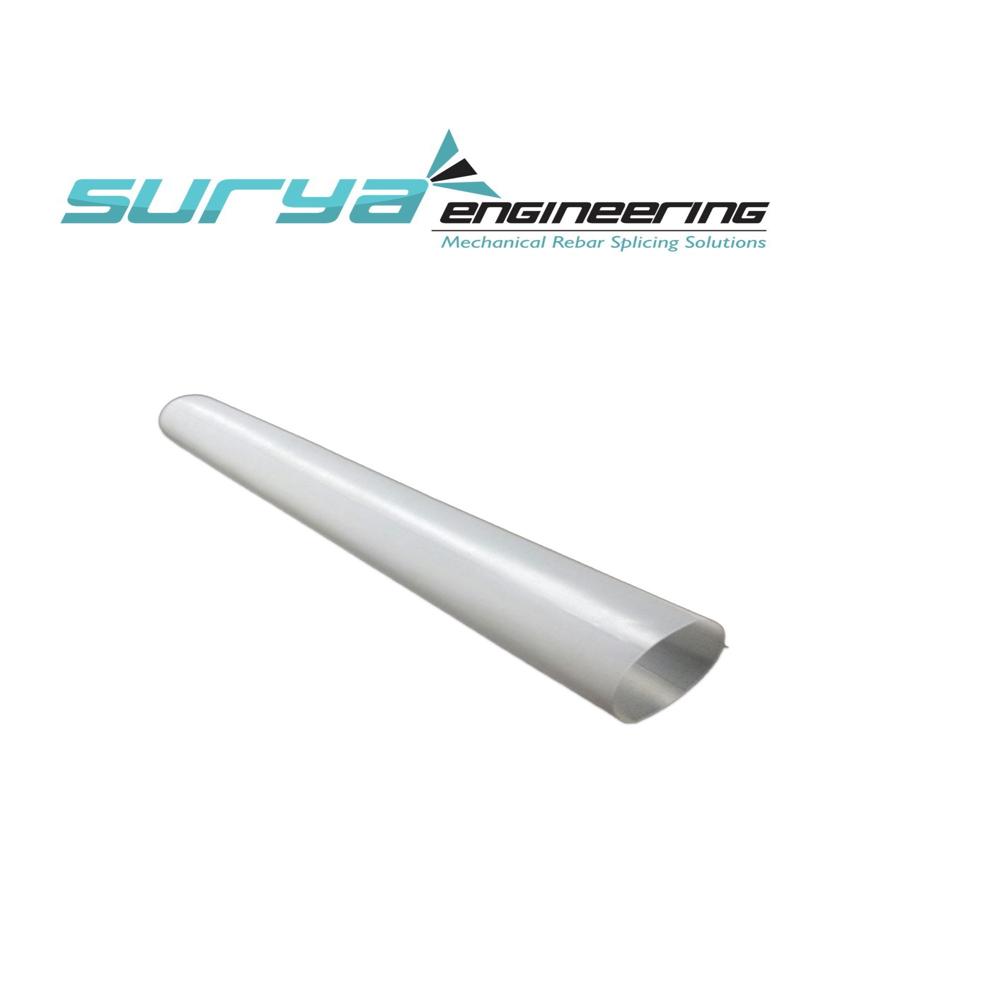
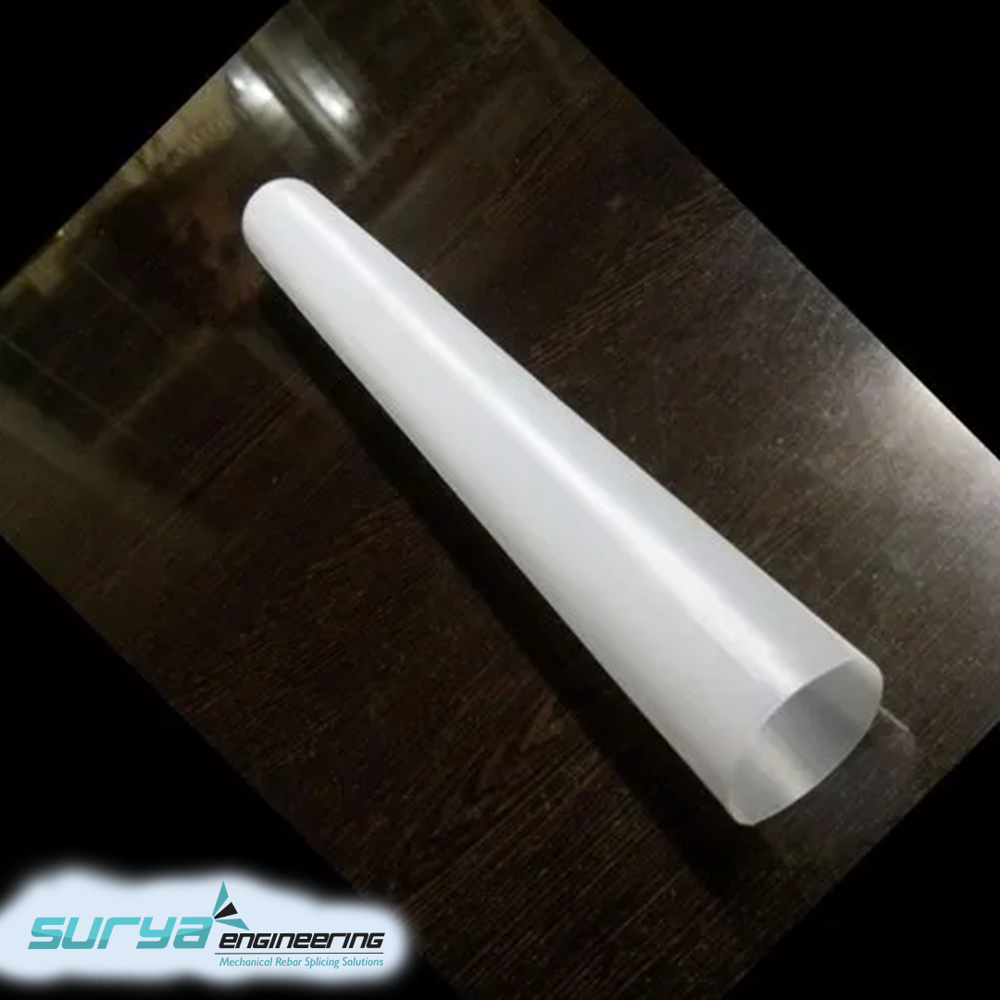
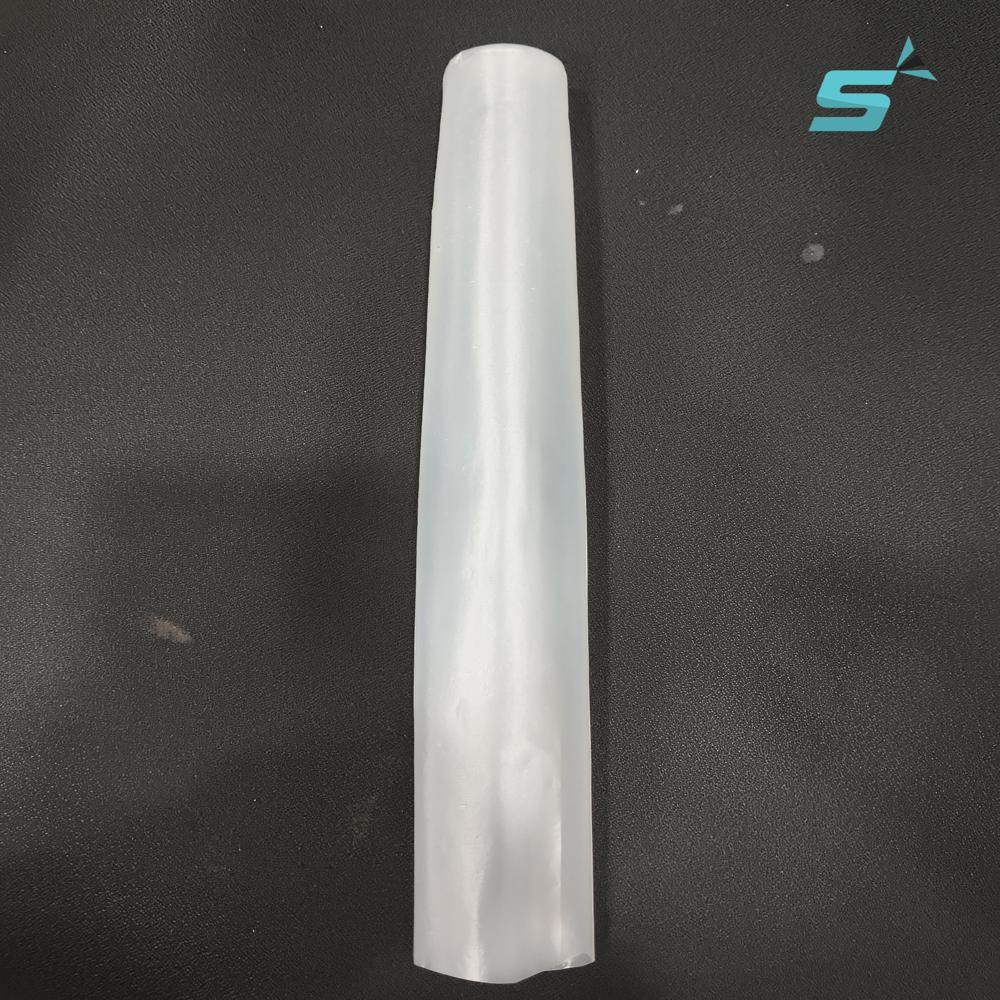
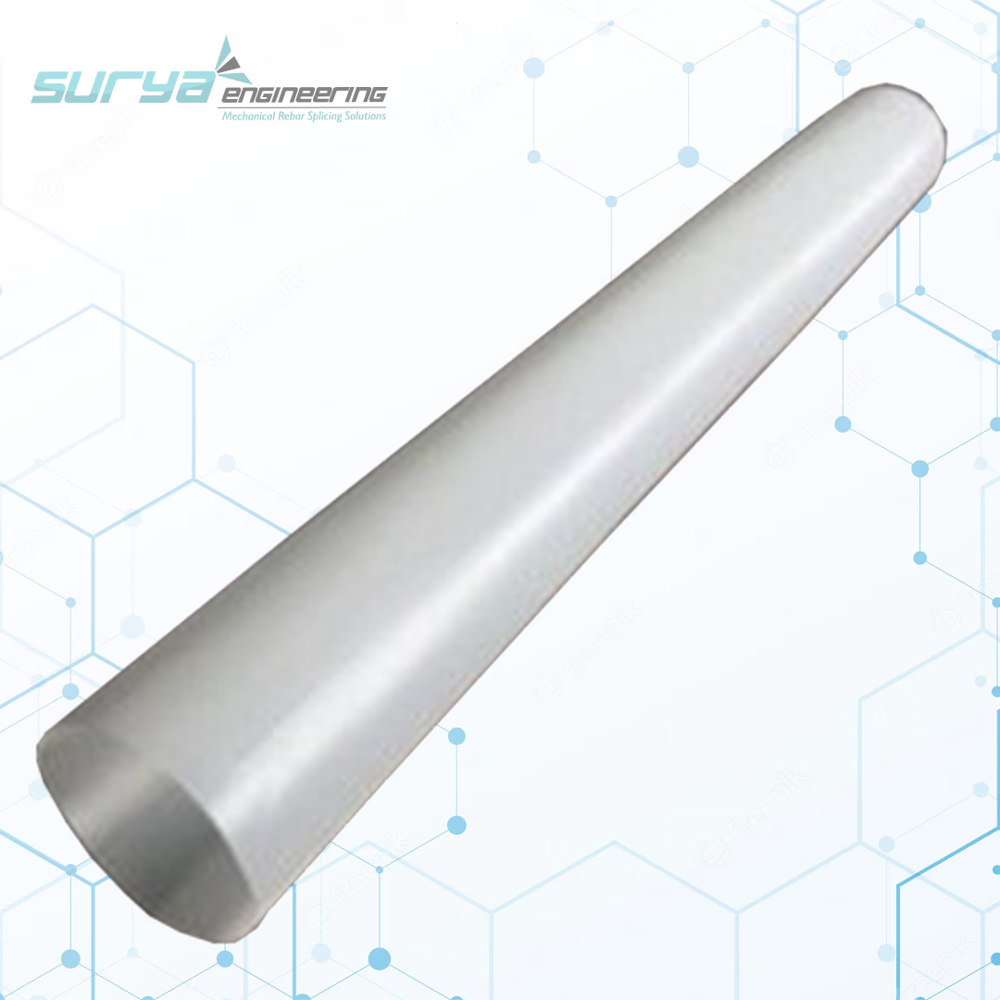

A Bar Dowel is a steel component used in concrete construction to transfer loads across joints between two adjoining concrete slabs. It helps distribute wheel and structural loads from one slab to the next while allowing the joint to accommodate normal horizontal movement.
Bar dowels are commonly used in industrial concrete floors, warehouses, factories, roads, pavements, parking areas, loading zones, and other heavy-duty concrete applications.
A Bar Dowel is a precision-cut, smooth round steel bar placed horizontally across transverse joints in concrete pavements, airport runways, slab-on-grade floors, and bridge decks.
Because concrete shrinks as it cures and expands with temperature changes, joint gaps open and close. Bar dowels bridge these gaps to transfer heavy vertical shear loads from one slab panel to the next while preventing differential settlement (joint faulting).
Concrete naturally shrinks during curing and can expand or contract as temperature and moisture conditions change. Joints are provided to manage this movement.
At the same time, a concrete floor or pavement still needs to carry traffic across the joint. If load transfer is poor, repeated wheel loads can cause one slab to move more than the other.
A properly designed bar dowel load transfer system helps distribute these loads between adjoining slabs while allowing the joint to move as intended.
Bar dowels are commonly used in:
A bar dowel is positioned across a concrete joint with the required length, spacing, and alignment specified by the floor or pavement design.
When a wheel passes over the joint, the load is transferred through the dowel from the loaded slab into the adjoining slab. This allows both slabs to participate in carrying the load.
The terms bar dowel and dowel bar are often used interchangeably when referring to a round steel load-transfer bar installed across a concrete joint.
In practical concrete construction, both terms generally describe a cylindrical steel component used to transfer loads between adjoining slabs.
The important point is not the terminology but the design and installation of the dowel system. Diameter, length, spacing, alignment, embedment, concrete strength, slab thickness, and expected loading all influence performance.
Bar Dowels (Smooth): Installed across transverse joints to permit horizontal movement while transferring vertical loads. They do not bond with the concrete.
Tie Bars (Deformed Rebar): Installed across longitudinal joints to tie adjacent slabs together permanently and prevent joint separation. They form a rigid bond with the concrete matrix.
Industrial concrete floors need to withstand repeated traffic without excessive joint movement or deterioration.
Consider a warehouse where forklifts continuously travel between storage and loading areas. Every time a forklift crosses a concrete joint, the joint experiences another wheel load. Over time, poorly designed or inadequately installed joints can develop edge damage and uneven movement.
A properly designed bar dowel system for industrial flooring helps transfer these repeated loads between adjoining slabs and supports a more stable floor surface.
Bar dowels are also widely used in jointed concrete pavements. Heavy trucks and other vehicles repeatedly cross pavement joints, making effective load transfer particularly important.
The dowels help distribute traffic loads between adjoining pavement slabs and reduce excessive differential movement at the joint.
They are therefore commonly considered for highways, industrial roads, airport pavements, parking areas, and other concrete pavement applications where repeated vehicle loading is expected.
A bar dowel should be considered as part of the complete concrete joint design rather than as an isolated steel component.
The overall system needs to account for:
Surya Engineering supplies bar dowels and concrete joint products for industrial, commercial, and infrastructure applications. If you are looking for a bar dowel manufacturer or supplier in India, the right product should be selected according to your concrete floor or pavement design, expected loading, joint configuration, and site conditions.
What is a bar dowel used for?
A bar dowel is used to transfer loads across concrete joints while allowing adjoining slabs to accommodate their required horizontal movement.
Is a bar dowel the same as a dowel bar?
In most concrete construction applications, the terms bar dowel and dowel bar are used to describe the same type of round steel load-transfer component.
Where are bar dowels used?
They are used in industrial floors, warehouses, factories, concrete roads, pavements, parking areas, loading zones, and other heavy-duty concrete applications.
What is the difference between a bar dowel and a reinforcement bar?
A bar dowel is primarily used for load transfer across a joint, while reinforcement bars are primarily used to provide tensile reinforcement within concrete.
Can bar dowels be used for forklift traffic?
Yes. A properly designed bar dowel system can be used in industrial floors exposed to regular forklift and vehicle traffic.
Why is bar dowel alignment important?
Correct alignment helps the dowel transfer loads effectively while allowing the concrete joint to move as intended. Poor alignment can unnecessarily restrict joint movement.
Do bar dowels prevent concrete movement?
No. A correctly designed dowel system transfers loads while allowing the joint to accommodate the required horizontal movement.

Price:
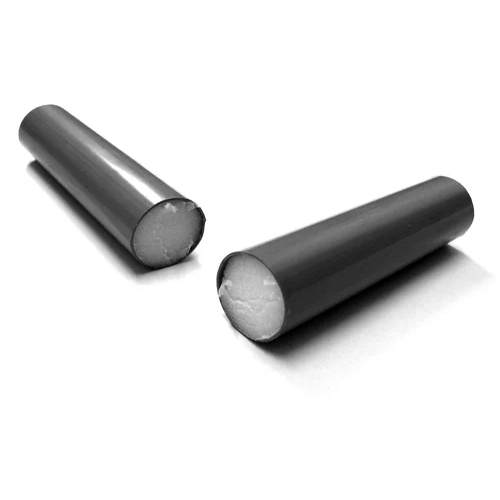
Price 3 INR / Piece
Minimum Order Quantity : 100000 Pieces
Color : Black
Shape : Round
Length : 300 Millimeter (mm)
Material : Other, Rubber






 Send Inquiry
 English
 Spanish
 French
 German
 Italian
 Chinese (Simplified)
 Japanese
 Korean
 Arabic
 Portuguese