
Talk to us
08045811615
Talk to us
08045811615
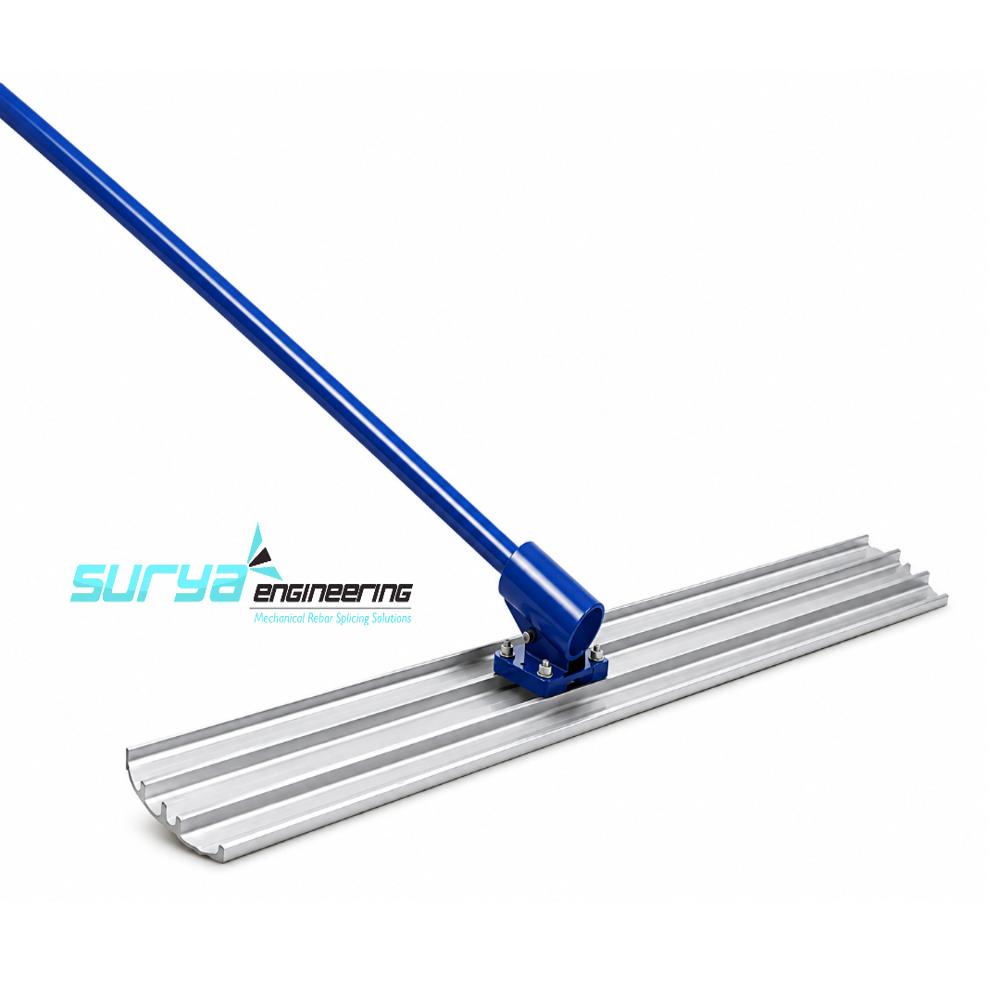
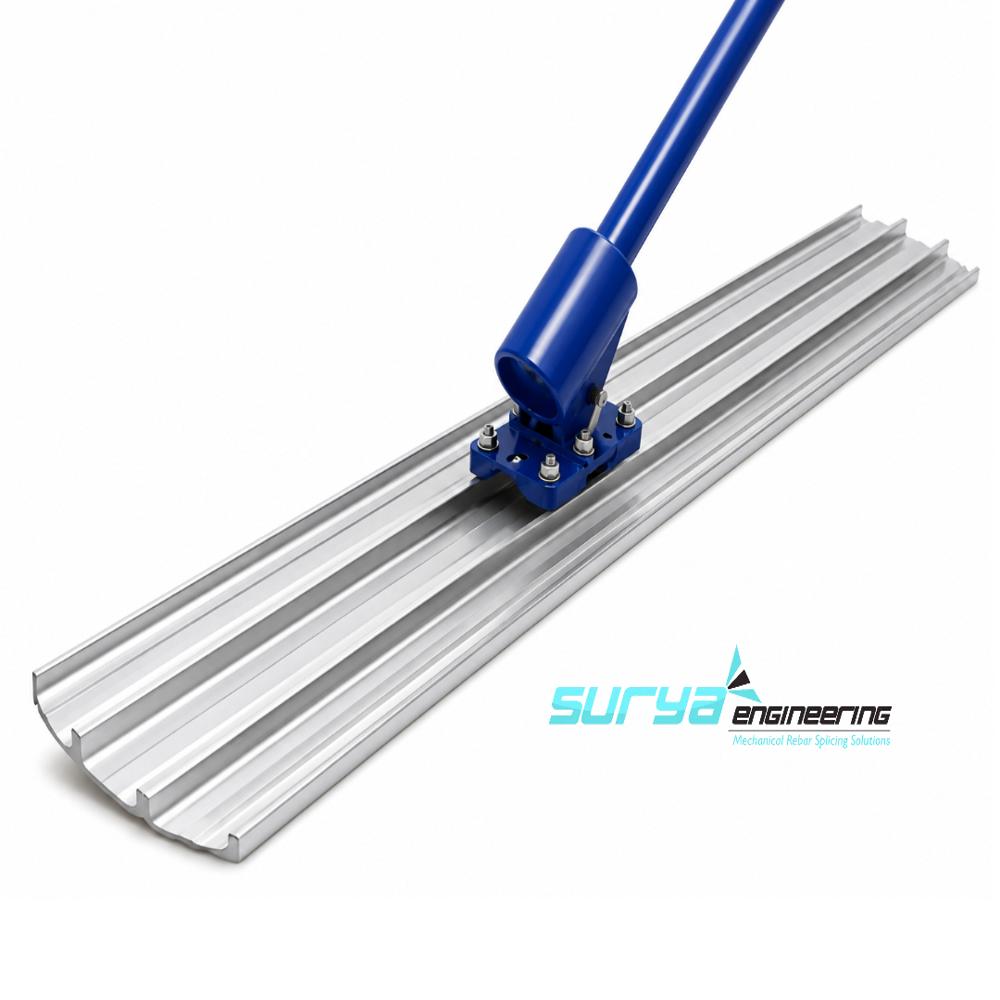
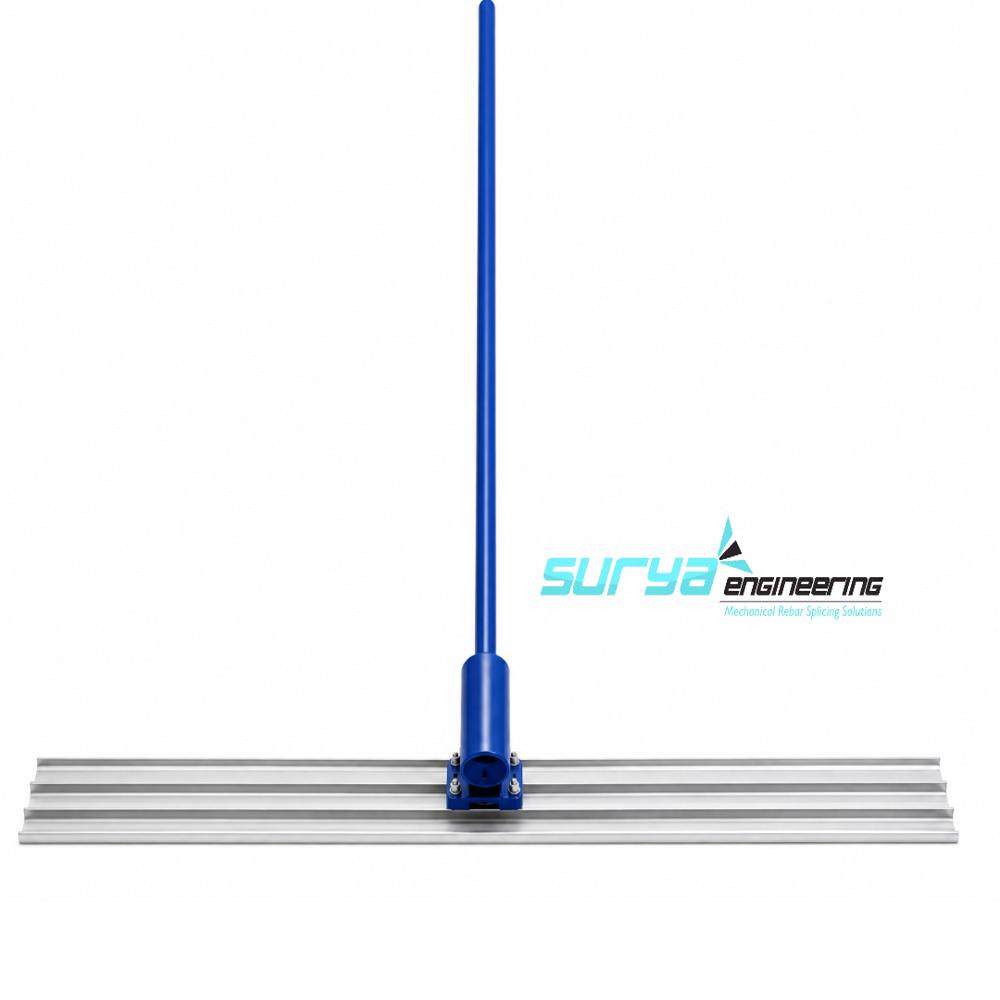
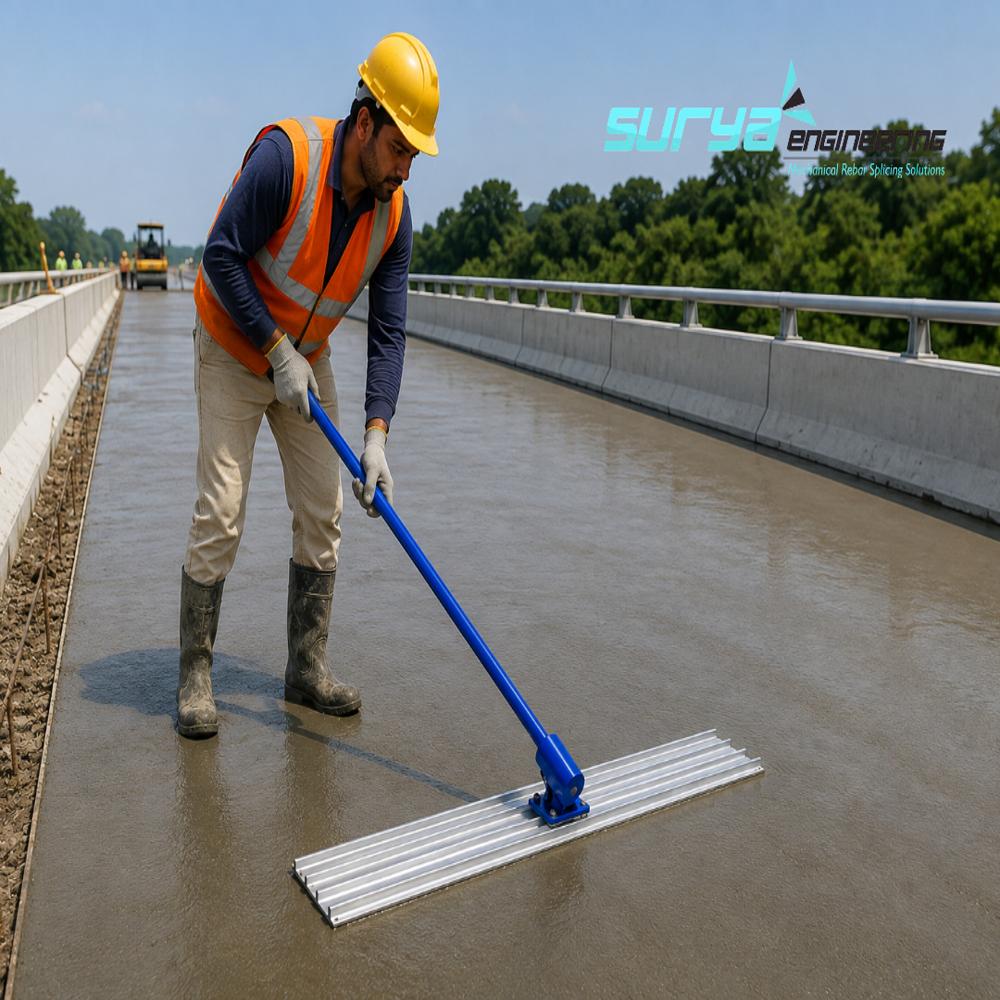

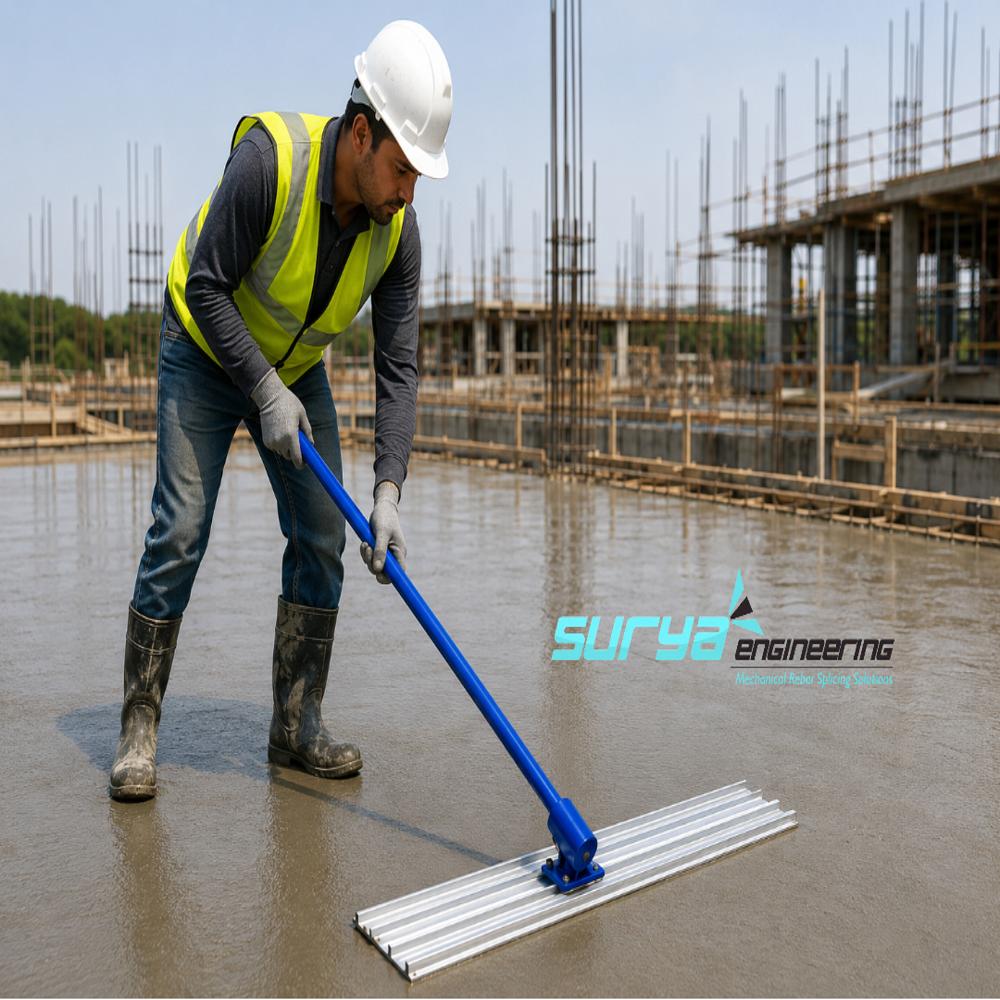

A Cement Floater is a hand-operated finishing tool used to smooth, level, and refine cement, mortar, plaster, and concrete surfaces. It helps workers achieve a more even surface by removing small irregularities and spreading the material consistently.
Cement floaters are commonly used by masons, plastering contractors, concrete workers, builders, and construction professionals for residential, commercial, and industrial projects.
A Cement Floater is a flat finishing tool with a comfortable handle that allows the user to work directly on cement-based materials. The working surface is designed to glide over the material and smooth it without requiring complicated equipment.
Depending on the application, cement floaters may be available in different sizes and with different working surfaces, such as metal, plastic, rubber, wood, or other purpose-designed materials.
A cement floater is mainly used for smoothing and finishing cement-based surfaces.
Common uses include:
The tool gives the operator direct control over the surface, making it useful when a smooth and consistent finish is required.
After cement, mortar, or concrete has been applied and brought close to the required level, the floater is placed on the surface.
The worker moves the tool using controlled strokes across the material. Depending on the application, the floater can be moved in straight, circular, or other suitable motions to achieve the desired finish.
The amount of pressure applied is important. Too much pressure can disturb the surface, while too little may not properly smooth the material.
Experienced masons generally adjust their technique according to the moisture, consistency, and setting time of the material.
For small jobs, you've got hand floatssmaller tools you use to get into tight spots and edges. But for big commercial floors, you bring out the big guns: power floaters. These are walk-behind or ride-on machines with spinning circular discs (often called "pans") that do the same job, but on a massive scale. They're great for cutting down high spots and filling in low spots across a huge area.
When finishing a concrete or cement floor, surface consistency is important. Small ridges and uneven areas can become noticeable once the floor has cured.
A cement floater for concrete floors can be used during the appropriate finishing stage to smooth the surface and prepare it for subsequent finishing or curing processes.
Although the names sound similar, a cement floater and a concrete bull float are generally used for different types of work.
A cement floater is typically a smaller hand tool used for closer surface finishing.
A concrete bull float has a much larger blade attached to a long handle. It is designed to reach across large freshly placed concrete slabs without requiring the operator to step onto the surface.
Cement floaters are commonly used in:
Surya Engineering supplies construction and concrete finishing tools for masons, contractors, builders, and construction professionals. If you are looking for a Cement Floater manufacturer or supplier in India, the right product should be selected according to the material, surface, finishing method, and working conditions.
For product specifications, available sizes, and application guidance, contact Surya Engineering with your requirements.
What is a cement floater used for?
A cement floater is used to smooth and finish cement, mortar, plaster, and certain concrete surfaces.
Is a cement floater the same as a bull float?
No. A cement floater is generally a smaller hand tool, while a bull float has a wide blade and long handle designed for reaching across larger concrete slabs.
Can a cement floater be used for concrete?
Yes, depending on the type of floater and the stage of concrete finishing. The tool should be appropriate for the concrete mix and required finish.
Can cement floaters be used for plastering?
Yes. Suitable floaters are commonly used for smoothing and finishing cement plaster, mortar, and render.
How do you use a cement floater?
Place the floater on the material once it reaches the appropriate working consistency, then move it across the surface with controlled pressure and smooth strokes.
How do you clean a cement floater?
Clean cement and mortar from the working surface immediately after use and store the tool in a dry, suitable location.

Price:
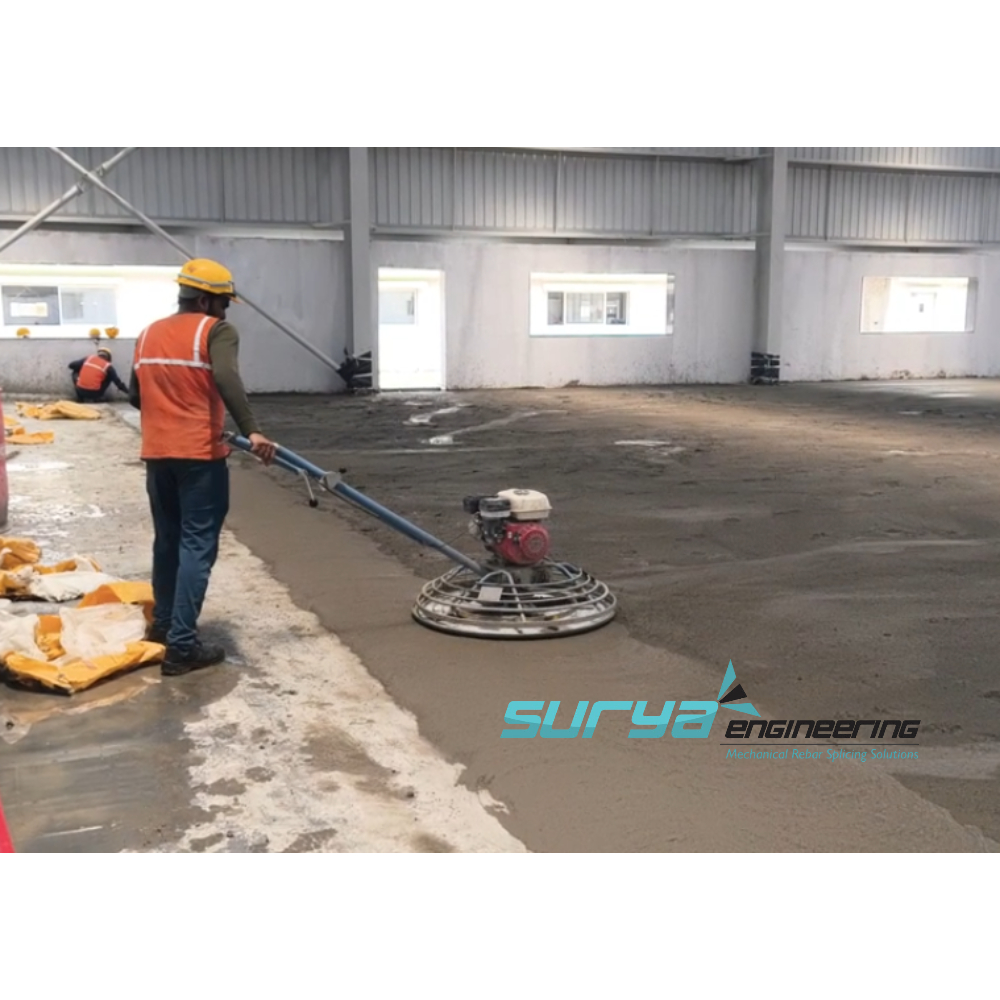
Price 90000.0 INR / Unit
Minimum Order Quantity : 1 Unit
Feature : flooring
Surface Treatment : flooring
Color : yello,black
Usage : Flooring
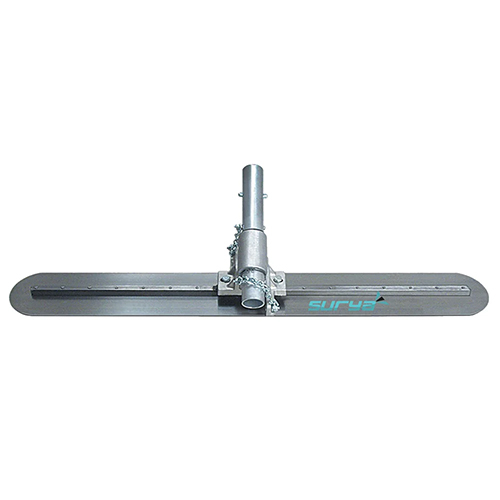
Price 8999 INR / Piece
Minimum Order Quantity : 1 Piece
Feature : Corrosion Resistance
Surface Treatment : Polished
Color : Silver
Usage : Road construction





 Send Inquiry
 English
 Spanish
 French
 German
 Italian
 Chinese (Simplified)
 Japanese
 Korean
 Arabic
 Portuguese